
Removing a garage door might seem difficult, especially if you have never done it before. But with the right steps, tools, and some patience, you can remove your garage door safely and efficiently. Whether you want to replace an old door, repair structural damage, or upgrade to something new, understanding how to do it correctly is important.
This guide will help beginners through the process, using simple words and clear explanations. You’ll also find practical examples, safety tips, and comparison tables to make your job easier.
Why Remove A Garage Door?
There are several reasons people decide to remove their garage door:
- Upgrade: Installing a modern, insulated, or automatic door.
- Repair: Fixing structural damage or replacing broken parts.
- Remodel: Turning the garage into a living space or workshop.
- Safety: Removing an unsafe or malfunctioning door.
Knowing your reason can help you plan better and avoid mistakes.
Safety First: Precautions Before Starting
Garage doors are heavy and have strong springs. Injuries can happen if you don’t handle them carefully. Always follow these safety steps:
- Wear safety gear: Gloves, safety glasses, and sturdy shoes.
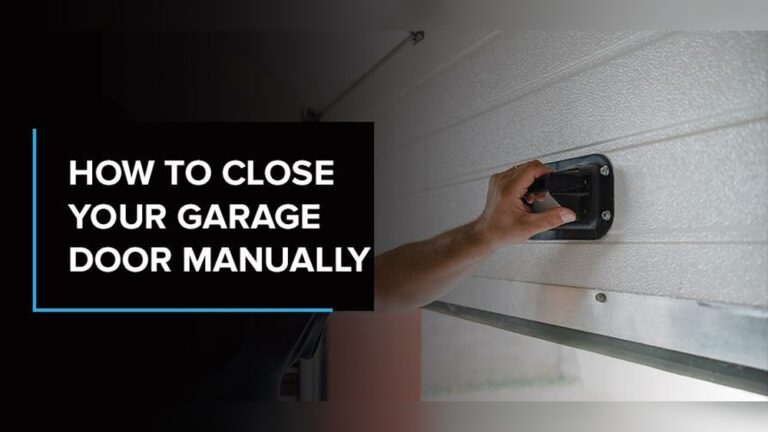
- Disconnect power: Unplug the garage door opener.
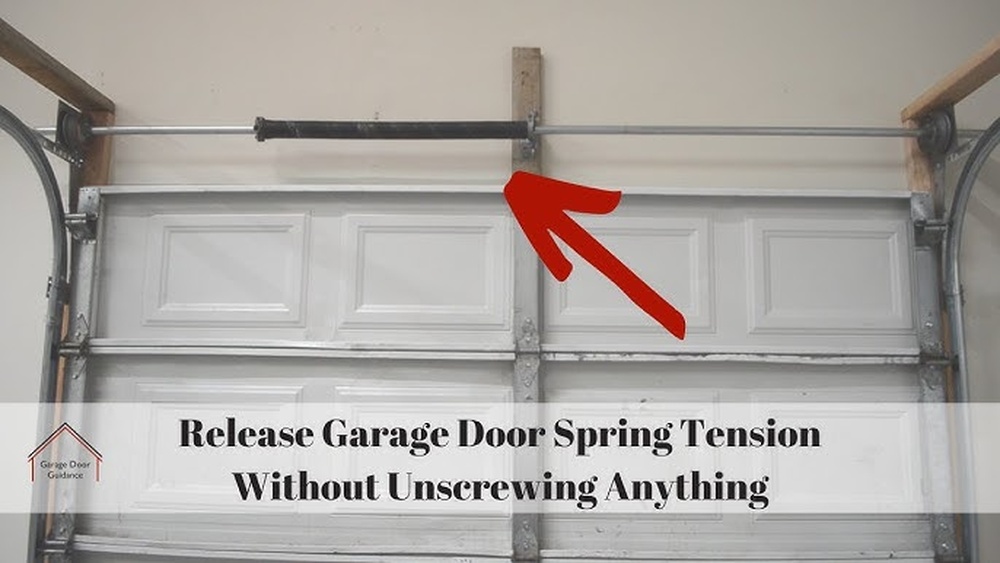
- Release tension: Springs are dangerous; release tension before removing.
- Work with a partner: Two people make lifting and handling easier.
Beginners often miss the importance of spring tension. Garage door springs can cause serious injury if not handled properly. If you are unsure, consider hiring a professional.
Tools And Materials You’ll Need
Having the right tools makes the process smoother. Here’s a list of basic tools:
- Wrenches and sockets
- Screwdrivers
- Pliers
- Hammer
- Drill
- Step ladder
- Safety gear
For some doors, you may need special tools. Check the manufacturer’s manual or consult an expert.
Step-by-step Guide: How To Remove A Garage Door
Follow these steps to remove your garage door safely:
1. Disconnect The Garage Door Opener
- Unplug the opener from the power outlet.
- Remove the opener arm from the door.
This prevents the door from moving unexpectedly.
2. Release Spring Tension
- For torsion springs: Use winding bars to unwind the springs slowly.
- For extension springs: Open the door fully and secure it, then remove the springs.
Springs hold the door’s weight. Releasing tension makes the door easier and safer to remove.
3. Remove Door Panels
Most garage doors are made of panels connected by hinges.
- Start from the top panel.
- Unscrew hinges and brackets.
- Carefully lift and remove each panel.
If the panels are heavy, work with a partner.
4. Take Down The Tracks And Hardware
- Unscrew the tracks from the wall and ceiling.
- Remove rollers, brackets, and other hardware.
Keep all parts together if you plan to reuse them.
5. Clean Up And Inspect
- Sweep the area for nails or screws.
- Check for any damage to the frame or floor.
Removing the garage door often reveals structural issues. Inspect for rot, cracks, or rust.

Credit: www.reddit.com
Types Of Garage Doors: What To Expect
Different garage doors have different removal processes. The most common types are:
- Sectional doors: Made of panels, easiest to remove one at a time.
- Roll-up doors: Usually found in commercial garages; removal is more complex.
- Swing-out doors: Old style, hinges on the side.
Here’s a comparison table:
| Door Type | Removal Difficulty | Common Issues |
|---|---|---|
| Sectional | Easy | Heavy panels, spring tension |
| Roll-up | Moderate | Heavy drum, cables |
| Swing-out | Easy | Rusty hinges, warped wood |
Knowing your door type helps you prepare for specific challenges.
Common Mistakes Beginners Make
Many beginners make avoidable mistakes. Here are some examples:
- Ignoring spring tension: Can cause injury.
- Not labeling hardware: Makes reinstallation hard.
- Forgetting to disconnect opener: Can lead to electrical hazards.
- Working alone: Increases risk of dropping panels.
Avoid these errors for a smooth process.

Credit: www.wikihow.com
Practical Example: Removing A Sectional Garage Door
Let’s look at a real-life example. John wanted to upgrade his old sectional garage door.
- He wore gloves and safety glasses.
- Unplugged the opener and removed the arm.
- Used winding bars to release torsion springs.
- Unscrewed and labeled each hinge.
- Lifted panels with a friend.
- Removed tracks and cleaned up.
John finished the job in about 3 hours. He discovered some minor rot in the frame, so he decided to repair it before installing a new door.
Data: How Long Does It Take?
Most removals take between 2 and 4 hours, depending on door size and experience.
| Door Size | Estimated Time | Number of People Needed |
|---|---|---|
| Single (8 ft) | 2 hours | 2 |
| Double (16 ft) | 3-4 hours | 2-3 |
If you are new, allow extra time for mistakes or slow progress.
What To Do After Removal
Once the door is removed, you have several options:
- Install a new door: Upgrade to insulated or automatic.
- Repair frame: Fix rot, cracks, or gaps.
- Convert space: Turn garage into a room or workshop.
- Seal opening: Use plywood or temporary covers.
Each option needs planning and materials.
Tips For Reinstalling Or Upgrading
If you plan to install a new garage door, consider these tips:
- Measure the opening: Accurate measurements are crucial.
- Choose the right door type: Insulated, steel, or wood.
- Check local codes: Some areas require permits.
- Hire a pro if unsure: Professional installation reduces risk.
Many beginners forget to measure the opening exactly. Even a small error can cause fit problems.
Comparison: Diy Vs Professional Removal
Should you remove a garage door yourself, or hire a professional? Here’s a comparison:
| Factor | DIY Removal | Professional Removal |
|---|---|---|
| Cost | $0-$200 (tools) | $300-$800 |
| Time | 2-4 hours | 1-2 hours |
| Safety | Higher risk | Lower risk |
| Experience Needed | Beginner to advanced | None |
If your door has complex springs or you are unsure, professional help is safer.
Additional Insights: What Beginners Often Miss
- Garage door weight: Even small doors can weigh over 150 pounds. Always work with help.
- Spring types: Torsion springs are more dangerous than extension springs. Know your spring type.
- Labeling parts: Use tape and marker to label each hinge and bracket. This makes reinstallation easier.
- Local disposal rules: Old doors must be disposed of properly. Check local rules or recycling centers.
Many beginners are surprised by the weight and complexity of garage doors. Careful planning prevents problems.

Credit: www.southernhomecreations.com
Where To Find More Information
For detailed diagrams and safety guides, visit official sources like the International Door Association. These sites offer step-by-step videos and expert tips.
Frequently Asked Questions
How Do I Know If My Garage Door Has Dangerous Springs?
If your garage door has torsion springs above the door, these are the most dangerous. Look for thick coils mounted on a metal bar. If you see extension springs along the sides, they are less risky but still require care.
Can I Remove A Garage Door Alone?
It’s possible for small doors, but it’s not recommended. Garage doors are heavy and awkward. Working with a partner prevents injuries and accidents.
How Much Does It Cost To Remove A Garage Door?
DIY removal usually costs between $0 and $200 for tools and safety gear. Hiring a pro can cost $300 to $800 depending on location and door size.
What Do I Do With The Old Garage Door?
You can recycle metal doors at a local center, or dispose of wood doors following local rules. Some companies offer removal services for a fee.
Is It Necessary To Release Spring Tension Before Removal?
Yes. Spring tension must be released before removing panels or hardware. Otherwise, springs can snap and cause injury. Always follow safety steps or hire a professional if unsure.
Removing a garage door is a big project, but with careful planning and safety steps, beginners can do it. Always check your door type, work with help, and never skip safety precautions. If you are unsure about springs or heavy panels, consider calling a professional.
With the right approach, your garage door removal will be safe and successful.