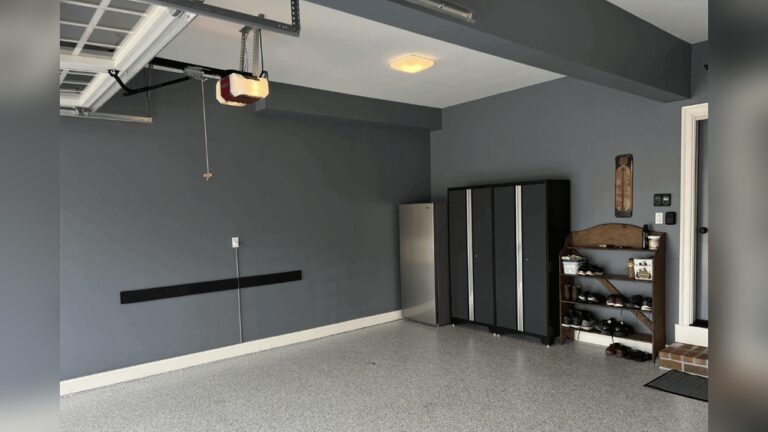

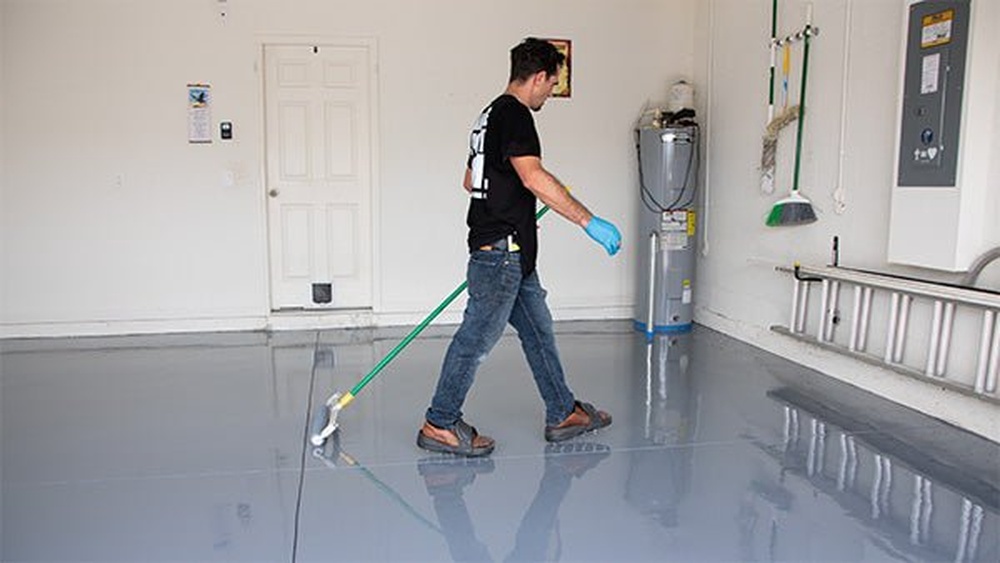
When you look at your garage floor, you might see stains, cracks, or dull concrete. Imagine turning that old floor into a shiny, durable surface that resists oil, chemicals, and heavy use. Garage floor epoxy does exactly that. But before you jump in, you’ll want to know: how much does garage floor epoxy cost? Understanding prices, the factors involved, and what you really get for your money helps you make the best choice for your space and budget.
What Is Garage Floor Epoxy?
Garage floor epoxy is a protective coating made from resin and hardener. When these two parts mix, they create a tough, glossy surface that bonds to concrete. Many people use epoxy to:
- Cover cracks and flaws
- Stop stains from oil, grease, and chemicals
- Make cleaning easier
- Add color and shine to dull concrete
Epoxy is popular because it’s strong and long-lasting. It’s often used in garages, workshops, and even commercial spaces.
Average Garage Floor Epoxy Cost
The cost for epoxy flooring varies widely. Here’s a quick look at typical prices in the US:
- DIY epoxy kits: $100–$300 for a single-car garage (about 250–350 sq ft)
- Professional installation: $3–$12 per square foot
For a two-car garage (400–500 sq ft), expect a total cost between $1,200 and $6,000 with professional installation. DIY kits are much cheaper, but results are often less smooth or durable.
Here’s a simple comparison:
| Garage Size | DIY Cost | Pro Cost (Low) | Pro Cost (High) |
|---|---|---|---|
| Single-Car (250–350 sq ft) | $100–$300 | $750 | $4,200 |
| Two-Car (400–500 sq ft) | $200–$600 | $1,200 | $6,000 |
| Three-Car (700–900 sq ft) | $400–$1,000 | $2,100 | $10,800 |
Key Factors That Affect Epoxy Cost
1. Garage Size
Larger garages cost more because they need more epoxy and more labor. Always measure your garage before getting quotes.
2. Floor Condition
If your concrete is cracked, stained, or uneven, extra prep work is needed. This can include:
- Cleaning and degreasing
- Filling cracks or holes
- Grinding or smoothing the surface
Prep work can add $1–$2 per square foot to your total cost.
3. Epoxy Quality
There are three main types of garage floor epoxy:
- Water-based epoxy: Cheap, easy to apply, but less durable ($3–$5 per sq ft installed)
- Solvent-based epoxy: Stronger, better protection, more expensive ($5–$7 per sq ft)
- 100% solid epoxy: Thickest, most durable, often used in commercial garages ($8–$12 per sq ft)
Choosing higher-quality epoxy increases the price but also the lifespan and appearance.
4. Design And Customization
Simple gray epoxy is cheapest. Adding color chips, patterns, or decorative finishes raises the price. Custom designs can add $1–$3 per sq ft.
5. Number Of Coats
Most floors need at least two coats—one primer and one top coat. Some installers recommend three or more for extra durability. More coats mean more material and labor.
Diy Vs Professional Installation
If you’re handy, you might consider doing the epoxy job yourself. Here’s how the two options compare:
| Factor | DIY | Professional |
|---|---|---|
| Cost | Low | High |
| Skill Needed | Moderate | None |
| Durability | Lower | Higher |
| Warranty | Usually none | Often included |
| Time | 2–3 days | 1–2 days |
DIY kits are budget-friendly, but mistakes are common. Beginners often:
- Fail to clean and prep concrete properly
- Apply too thin a coat
- Miss curing times or humidity rules
A pro installer brings experience, better tools, and stronger materials. You also get a warranty in most cases.

Credit: epoxyfloorhero.com
Detailed Cost Breakdown
Let’s break down what goes into the final price:
Material Costs
- Epoxy resin and hardener: $1–$5 per sq ft
- Primer: $0.50–$1 per sq ft
- Color flakes: $0.50–$1 per sq ft (optional)
- Sealant/top coat: $1–$2 per sq ft
Labor Costs
- Prep work: $1–$2 per sq ft
- Application: $1–$3 per sq ft
Additional Costs
- Repairs (cracks, holes): $50–$200 extra
- Moisture barriers: $0.50–$1 per sq ft if needed
- Decorative finishes: $1–$3 per sq ft
Example: For a 500 sq ft garage with minor cracks and a basic gray finish, you might pay:
- Materials: $2,500
- Labor: $1,000
- Prep/repairs: $250
- Total: $3,750
Real-life Examples
Let’s look at two typical scenarios:
1. Small DIY Project
A homeowner buys a $200 kit for a 300 sq ft single-car garage. They spend a weekend cleaning, patching cracks, and applying two coats. Results are good, but not perfect—some uneven spots and minor bubbles.
2. Large Professional Job
A two-car garage (500 sq ft) with oil stains and cracks. The installer grinds the floor, fills holes, and applies three coats of high-grade epoxy with color flakes. The job takes two days and costs $4,500. The finish is smooth, glossy, and guaranteed for five years.
Common Mistakes That Increase Costs
Beginners often make these mistakes:
- Not prepping the floor enough—leads to peeling or bubbles
- Using low-quality epoxy—wears out faster
- Skipping moisture tests—can cause future damage
- Adding too many decorative features—raises costs quickly
If you avoid these, you save money and get better results.
How To Get An Accurate Estimate
Want the best price and result? Follow these steps:
- Measure your garage: Length × width gives square footage.
- Check floor condition: Look for cracks, stains, and moisture.
- Choose epoxy type: Decide between water-based, solvent-based, or 100% solid.
- Pick design options: Decide if you want color flakes or custom finishes.
- Get multiple quotes: Ask at least three installers.
- Ask about warranties: Good pros offer coverage for peeling or fading.
Most companies will visit your garage, inspect the floor, and give a written quote. This makes it easier to compare.

Credit: www.epoxyplus.com
Is Garage Floor Epoxy Worth The Cost?
Epoxy isn’t cheap, but it offers several benefits:
- Long-lasting: Can last 10–20 years with proper care
- Easy to clean: Just sweep or mop
- Resists stains: Oil, chemicals, and water don’t soak in
- Improves looks: Shiny, clean, and modern
For many homeowners, the value outweighs the cost—especially if you use your garage for hobbies, storage, or as a workshop.
How To Save Money On Garage Floor Epoxy
Looking to cut costs without losing quality? Here are some tips:
- Do basic prep yourself: Clean, patch, and degrease before the installer arrives.
- Choose simple designs: Skip fancy patterns or colors.
- Use mid-grade epoxy: Offers good durability at a fair price.
- Shop around: Compare quotes from local installers.
- Ask about off-season discounts: Some companies offer lower prices in winter.
A little effort can shave hundreds off your bill.
Long-term Maintenance Costs
Epoxy floors need little care, but you should:
- Sweep regularly to remove grit
- Mop occasionally with mild soap and water
- Avoid dropping heavy tools (can chip the surface)
- Repair chips or cracks right away
Most maintenance is low-cost. If you damage the floor, repairs can run $100–$300, but full re-coating is rare.
Epoxy Vs Other Garage Flooring Options
How Does Epoxy Compare To Other Popular Garage Floor Choices?
| Floor Type | Cost (Per Sq Ft) | Durability | Maintenance |
|---|---|---|---|
| Epoxy | $3–$12 | High | Low |
| Concrete Paint | $1–$3 | Low | Medium |
| Tile | $4–$10 | Medium | Medium |
| Vinyl Mats | $2–$5 | Low | Low |
Epoxy costs more than paint or vinyl, but lasts much longer and is easier to keep clean.

Credit: ctvegas.com
Non-obvious Insights For Beginners
- Moisture matters: Even minor water under your slab can ruin epoxy. Always test for moisture before starting.
- Temperature and humidity: Epoxy cures best between 60–80°F with low humidity. If you apply in poor conditions, you risk bubbles, peeling, or cloudy finishes.
- Warranty coverage: Some installers only cover materials, not labor. Read the fine print before signing.
These details are often missed but make a big difference in results and cost.
Frequently Asked Questions
How Long Does Garage Floor Epoxy Last?
With proper care, epoxy floors can last 10–20 years. High-quality materials and good installation help them last longer.
Can I Install Garage Floor Epoxy Myself?
Yes, you can use DIY kits. However, professional installers get better results because they handle prep work and use stronger materials.
Is Epoxy Slippery When Wet?
Epoxy is smooth and can be slippery. Adding anti-slip additives or color flakes helps reduce the risk.
How Soon Can I Use My Garage After Epoxy?
Most floors need 24–72 hours to cure. Wait at least three days before parking vehicles or heavy equipment.
Does Epoxy Resist Oil And Chemicals?
Yes. Epoxy coatings are highly resistant to oil, chemicals, and water. Spills are easy to wipe up.
If you want more technical details or guides, visit Home Depot’s Garage Floor Epoxy Guide.
Transforming your garage with epoxy is a smart investment. It boosts your home’s value, protects your floor, and gives you a cleaner, brighter space. With careful planning and knowledge about costs, you can choose the best option for your needs and budget.