
A garage door is more than just a way to enter your garage. It protects your car, tools, and home. For many homes, the garage door is the largest moving part. If you are new to garage doors, this guide will help you understand the basics, key types, materials, common problems, and how to choose the right one for your needs.
What Is A Garage Door?
A garage door is a large door on a garage that opens either manually or by an electric motor. It can be a single panel that tilts up or several connected panels that roll up. Garage doors keep your belongings safe and can improve the look of your home.
Why Garage Doors Matter
- Security: Keeps your car, bikes, and tools protected.
- Convenience: Lets you enter and exit quickly.
- Curb Appeal: Improves your home’s appearance and value.
- Energy Efficiency: Some doors help keep your garage warm or cool.
Many people use their garage door every day. A strong, reliable door makes life easier and safer.
Main Types Of Garage Doors
There are several types of garage doors. Each type has its own benefits and drawbacks. Choosing the right one depends on your space, needs, and budget.
| Type | How It Works | Best For | Drawbacks |
|---|---|---|---|
| Sectional | Panels bend and roll up overhead | Most homes | Needs ceiling space |
| Roll-up | Slats roll into a drum above opening | Commercial/limited space | Costly, less common for homes |
| Side-hinged | Swings open like barn doors | Traditional look, easy access | Needs space outside to open |
| Tilt-up (Canopy) | Single panel tilts up and out | Simple, low-cost garages | Swings out, needs space in front |
| Tilt-up (Retractable) | Panel lifts and slides into garage | Older garages | More moving parts |
Sectional Garage Doors
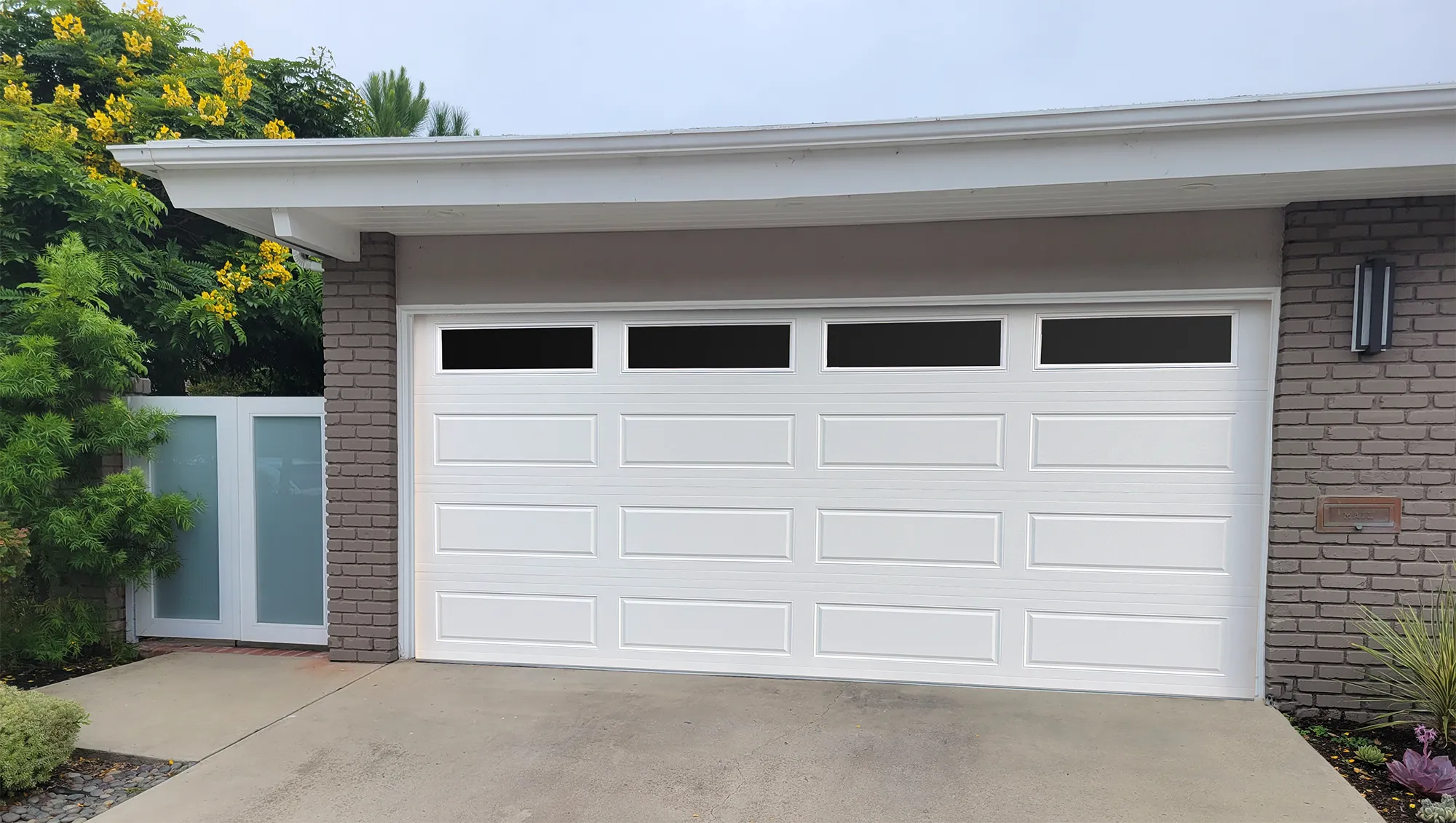
Sectional doors are the most common in the US. They have several horizontal panels joined by hinges. As you open the door, the panels bend and slide on tracks overhead. These doors are strong, safe, and work well with most garage openers.
Roll-up Garage Doors
Roll-up doors are made of narrow steel slats. They roll into a coil above the door. These are popular in commercial settings but can work in homes with limited ceiling space.
Side-hinged Garage Doors
Side-hinged doors look like old barn doors. They swing open from the center. These are great for garages used as workshops or storage but need extra space in front.
Tilt-up Garage Doors
Tilt-up doors are one solid piece. The canopy style tilts out and up, forming a small canopy outside. The retractable style slides fully into the garage. Tilt-up doors are simple but need clear space outside to open.
Credit: alumadoor.com
Garage Door Materials
Garage doors come in different materials. The material you choose affects the look, strength, cost, and maintenance.
| Material | Pros | Cons | Common Uses |
|---|---|---|---|
| Steel | Strong, durable, low maintenance | Can rust, dents easily | Most homes |
| Wood | Classic look, customizable | Needs regular painting, can warp | Traditional or custom homes |
| Aluminum | Lightweight, rust-proof | Dents easily, less strong | Wide garage doors, coastal areas |
| Fiberglass | Resists salt-air, low maintenance | Can crack in cold, fades in sun | Coastal homes |
| Vinyl | Dent-proof, low maintenance | Fewer style options, can fade | Harsh climates |
Steel Garage Doors
Steel doors are strong and affordable. They come in many styles and colors. Most steel doors have a foam core for insulation. They can rust if scratched, so check for paint chips.
Wood Garage Doors
Wood doors offer a classic, rich look. They can be made to match your home. Wood needs painting or staining every few years and can warp in wet climates.
Aluminum Garage Doors
Aluminum doors are light and rust-proof. They work well for wide garages. They can dent from hail or bumps.
Fiberglass And Vinyl Garage Doors
Fiberglass resists salt and moisture, good for coastal homes. Vinyl is tough and needs little care, but styles are limited. Both can fade in strong sun.
Choosing The Right Garage Door
Choosing a garage door is a big decision. Here’s how to make the right choice:
1. Measure Your Opening
Measure the width and height of your garage opening. Standard doors are 8 to 9 feet wide and 7 to 8 feet tall. Custom sizes are available, but they cost more.
2. Think About Use
Do you use your garage for parking, storage, or as a workspace? If you use it a lot, choose a durable and well-insulated door.
3. Pick A Style
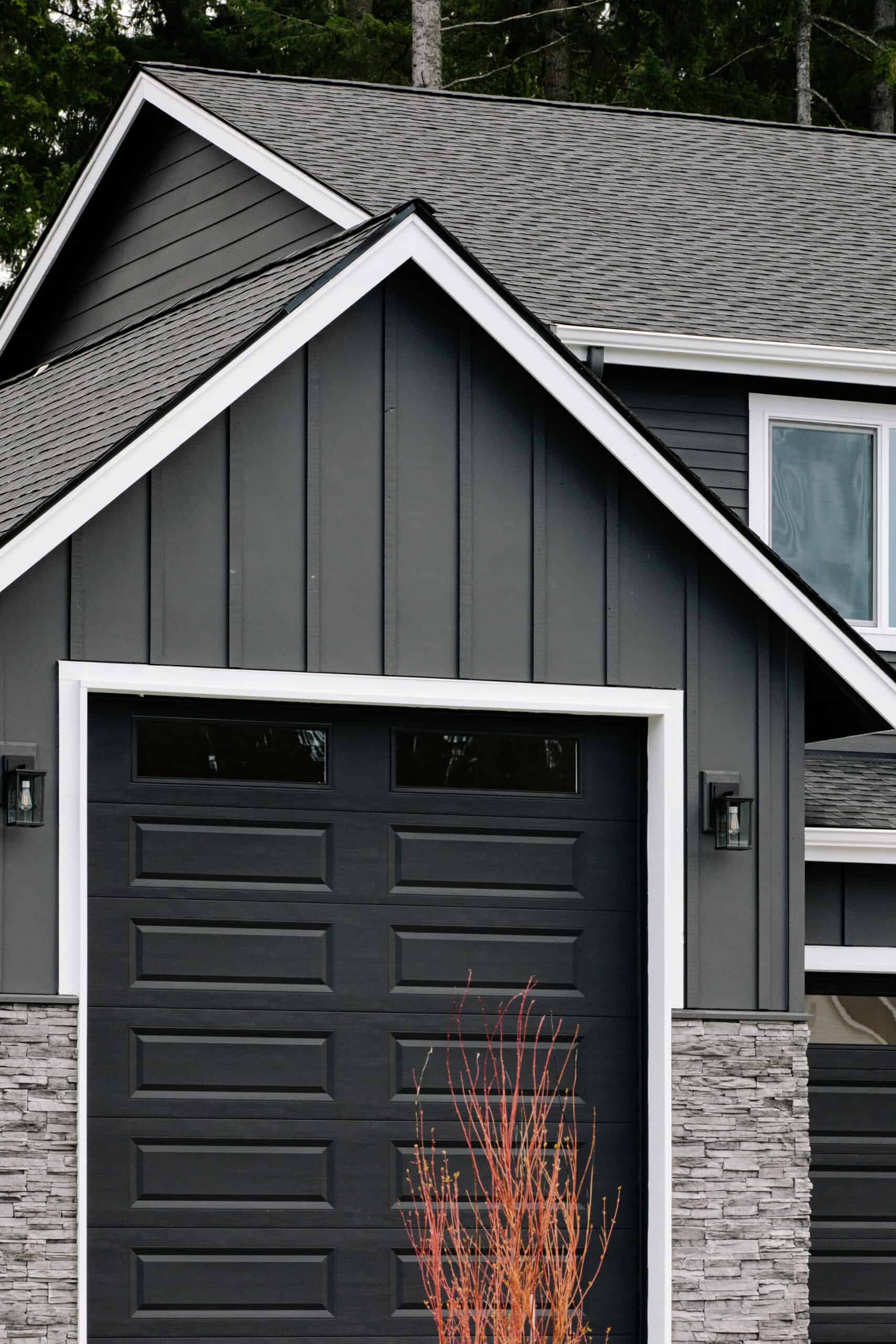
Choose a style that matches your home. Modern homes look good with flush or full-view doors. Traditional homes match carriage-house styles.
4. Choose The Right Material
Pick a material that fits your climate and maintenance needs.
5. Set A Budget
Garage doors can cost from $500 to over $4,000. Basic steel doors are cheapest. Custom wood or high-insulation doors cost more.
6. Consider Insulation
If your garage is attached to your home, insulated doors save energy.
7. Safety Features
Look for pinch-resistant panels, tamper-resistant brackets, and strong locks.
Common Mistakes To Avoid
- Buying only for looks, not strength or insulation
- Not checking the headroom or side room for tracks
- Forgetting about local wind or weather needs
Garage Door Openers
A garage door opener is a motor that opens and closes your door. Most homes use automatic openers for convenience and safety.
Main Types Of Openers
- Chain drive: Uses a chain to move the door. Low cost, but noisy.
- Belt drive: Uses a rubber belt. Quieter, a bit more expensive.
- Screw drive: Uses a threaded rod. Fewer parts, moderate noise.
- Direct drive: Motor moves along the rail. Quietest, usually most expensive.
Smart Features
Many new openers connect to your phone. You can open or close your garage from anywhere. Some can send alerts if you forget to close the door.
Safety
Modern openers have sensors. If something is in the way, the door won’t close. This prevents injury or damage.
Garage Door Insulation
Insulation keeps your garage comfortable in hot or cold weather. It also makes the door quieter.
Types Of Insulation
- Polystyrene: Rigid panels inside the door. Basic, low cost.
- Polyurethane: Foam injected between panels. Best insulation, more expensive.
Benefits Of Insulation
- Lower energy bills if your garage is attached
- Less noise inside the garage
- Stronger, more dent-resistant doors
Example
A basic single-layer steel door may have an R-value of 6. A high-end insulated door can have an R-value of 18 or higher. The higher the R-value, the better the insulation.
Garage Door Maintenance Tips
A little care keeps your door working well for years. Here’s what you should do:
- Check the balance: Unplug the opener and lift the door halfway. If it stays, it’s balanced. If it falls, call a pro.
- Lubricate moving parts: Use garage door lubricant on rollers, hinges, and tracks every 6 months.
- Inspect weather seals: Replace cracked or worn seals to keep out rain and pests.
- Look for rust or damage: Fix paint chips on steel doors. Sand and repaint as needed.
- Test safety sensors: Place a small object under the door. It should reverse when closing.
Hidden Insight
Most beginners forget to clean the tracks. Dirt and leaves can block the rollers and make the door stick. Wipe tracks with a dry cloth every few months.
Common Garage Door Problems
Garage doors work hard and sometimes break. Here are the most common issues:
1. Door Won’t Open Or Close:
Check the opener batteries or power supply. Make sure nothing blocks the sensors.
2. Noisy Operation:
Lubricate moving parts. Tighten loose bolts.
3. Door Is Off Track:
Stop using the door and call a professional. Forcing it can cause more damage.
4. Broken Springs Or Cables:
Do not try to fix these yourself. Springs are under high tension and can cause injury.
5. Remote Not Working:
Replace batteries. Reprogram the remote if needed.
Pro Tip
Many beginners overlook the importance of spring maintenance. Springs have a limited life (about 10,000 cycles). If your door feels heavy, the springs may be worn out.
Cost Of Garage Doors
Garage door prices vary by size, material, insulation, and style. Here is a quick overview:
| Type | Low-End Cost | High-End Cost | Installation (Average) |
|---|---|---|---|
| Steel (Single) | $500 | $1,500 | $300 – $700 |
| Wood (Single) | $1,200 | $4,000 | $700 – $1,000 |
| Insulated (Double) | $800 | $3,500 | $500 – $900 |
| Custom/Carriage | $2,000 | $10,000+ | $1,000+ |
Prices may change by location and installer. Always get several quotes.
Installation: Diy Or Professional?
Installing a garage door is not simple. Most people should hire a professional.
When Diy Might Work
- Replacing a simple, non-insulated tilt-up door
- You have strong DIY skills and the right tools
When To Hire A Pro
- Installing heavy or insulated doors
- Replacing springs, tracks, or openers
- When safety is a concern
A small mistake can lead to injury or damage. Most warranties require professional installation.
Safety And Security Tips
A garage door is a main way into your home. Here’s how to stay safe:
- Always keep remotes out of cars if you park outside
- Lock the door between garage and house
- Install motion-activated lights outside your garage
- Add a smart opener to monitor the door from your phone
Environmental And Energy Impact
Insulated garage doors can cut energy loss. This helps the environment and your wallet. Some doors are made from recycled steel or wood, reducing their impact.
Energy-saving Example
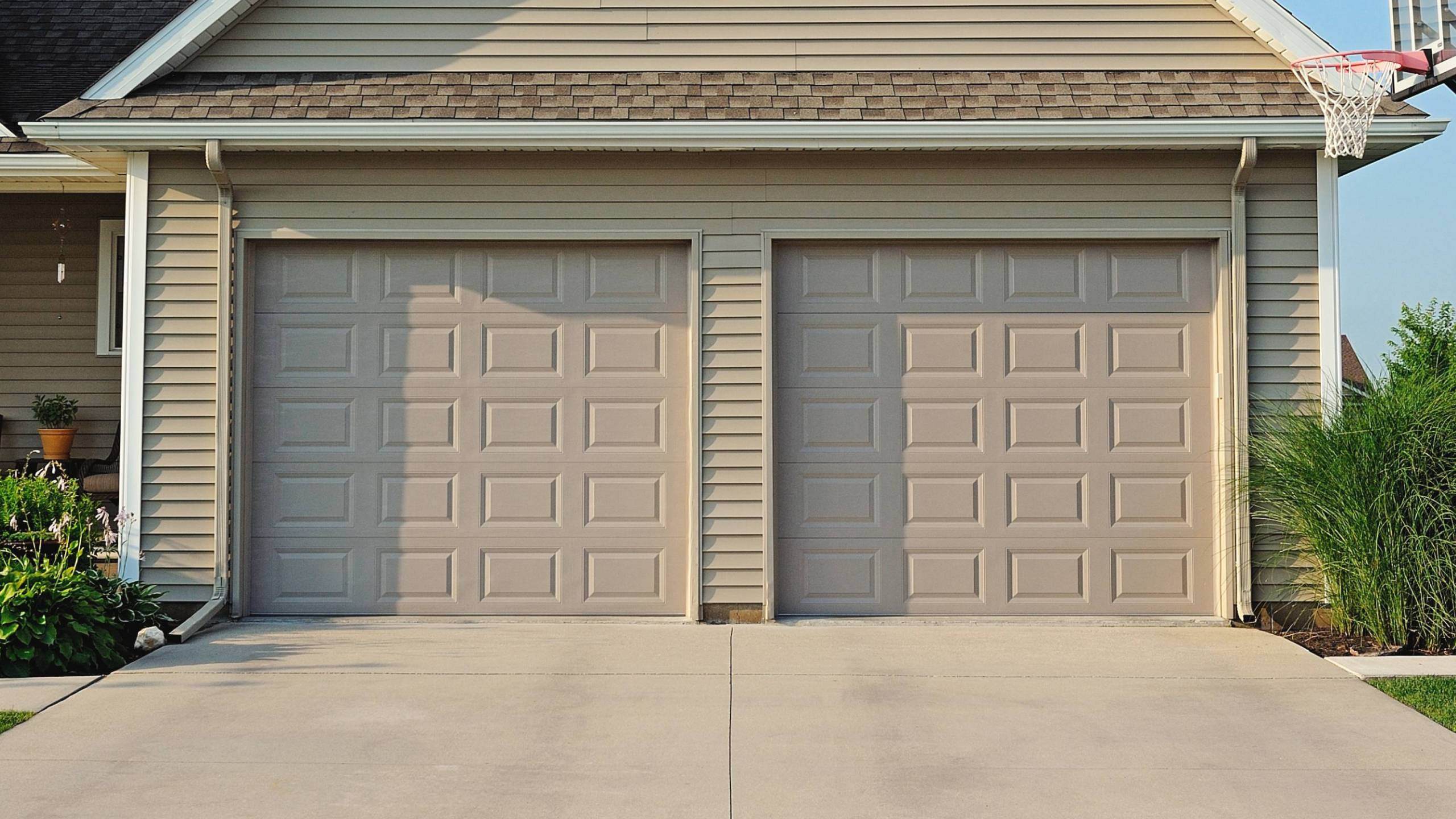
A well-insulated garage door can keep a garage 10–20°F warmer in winter. This lowers heating bills if your garage is attached.
Credit: www.chiohd.com
Where To Learn More
For deeper information about garage door types, safety, and standards, visit the official Window & Door Manufacturers Association.
Frequently Asked Questions
What Is The Average Lifespan Of A Garage Door?
Most garage doors last 15–30 years. Lifespan depends on material, use, and maintenance. Steel and aluminum doors often last longer than wood.
How Often Should I Service My Garage Door?
Check and lubricate your door every 6 months. Professional servicing is recommended once a year, especially for spring and cable safety.
Can I Paint My Garage Door?
Yes, most steel and wood garage doors can be painted. Use exterior-grade paint. Avoid painting moving parts or weather seals.
What Does R-value Mean For Garage Doors?
R-value measures insulation strength. Higher R-value means better insulation. Choose R-12 or higher for attached garages in cold climates.
Why Won’t My Garage Door Close All The Way?
Check for blocked safety sensors, damaged tracks, or items in the way. If the problem continues, call a professional for repair.
A garage door is a big part of your home’s safety and appearance. With the right knowledge, you can choose, use, and maintain your door with confidence. Whether you want a simple upgrade or need to solve a problem, understanding garage doors puts you in control.
Credit: belcofp.com