

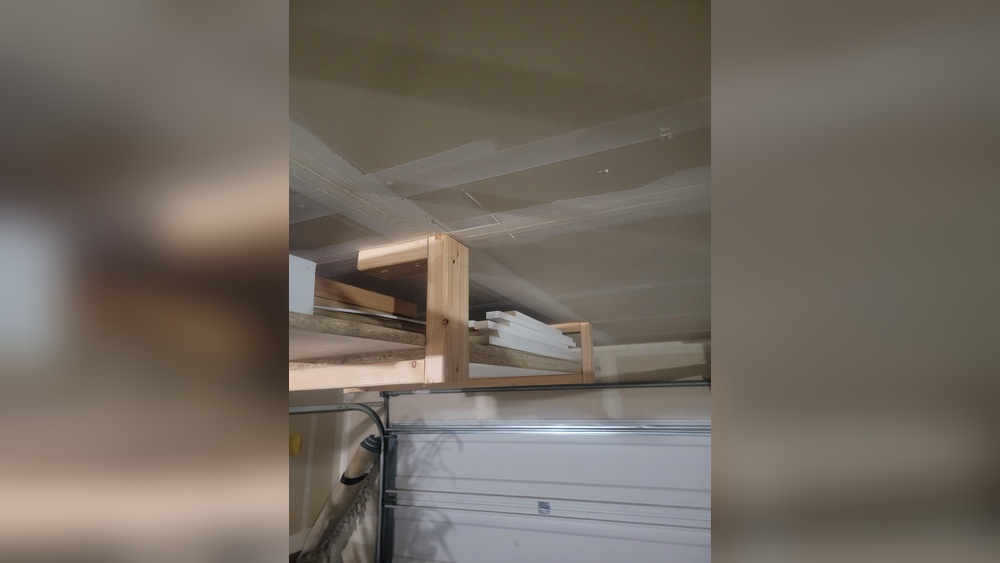
Is Overhead Garage Storage Safe?
Many people look for ways to add more storage space in their garage. Overhead garage storage is a popular solution. It saves floor space and helps keep things organized. But is overhead garage storage safe? If you’re thinking about installing it, safety should be your first concern.
Let’s look at what makes overhead garage storage safe, what risks exist, and how to use it correctly.
What Is Overhead Garage Storage?
Overhead garage storage refers to racks, shelves, or platforms installed on the ceiling or high walls of your garage. They are designed to hold bins, boxes, seasonal items, sports equipment, and more. You may see:
- Metal racks suspended from the ceiling
- Wall-mounted shelves high above head level
- Pulley systems for lifting and lowering heavy items
These options allow you to use space that would otherwise go unused. But their safety depends on several factors.
Benefits Of Overhead Garage Storage
Using overhead storage in your garage has several clear benefits:
- Maximizes storage space: Great for small garages or crowded spaces.
- Keeps floors clear: Reduces tripping hazards.
- Protects items: Keeps items away from moisture, pests, and damage.
- Organizes seasonal storage: Perfect for holiday decorations or camping gear.
However, these benefits only matter if the storage is safe and installed properly.
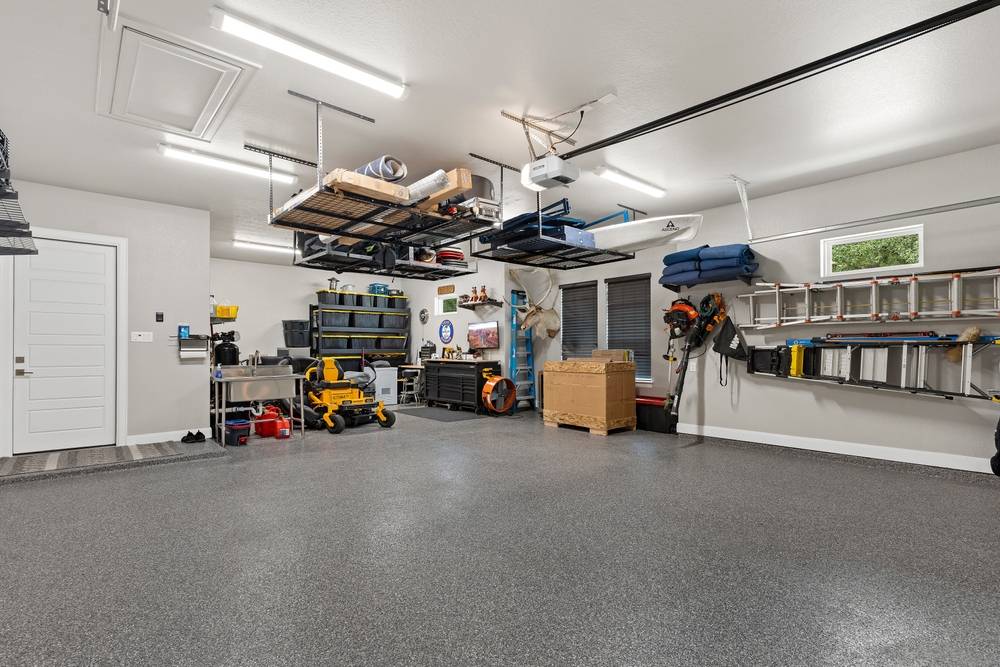
Credit: dycoventures.com
Potential Safety Risks
Let’s focus on the main risks to understand why some people worry about overhead storage:
- Falling objects: Poorly installed racks or overloaded shelves can fail, causing items to fall.
- Structural damage: Wrong installation can stress your garage ceiling or walls.
- Injury during access: Climbing ladders or reaching up can lead to accidents.
- Blocked movement: Low-hanging racks might limit car clearance or walking space.
These risks are real, but they are also preventable with the right precautions.
How Much Weight Can Overhead Garage Storage Hold?
Every overhead storage system has a weight limit. Manufacturers usually list a maximum load capacity. Typical ranges are:
| Type | Average Weight Limit | Example Use |
|---|---|---|
| Ceiling-Mounted Racks | 300–600 lbs | Storage bins, sports gear |
| Wall-Mounted Shelves | 100–400 lbs | Paint cans, tools |
| Pulley Systems | 100–250 lbs | Bikes, kayaks |
Important: Never guess the weight of your items. Use a scale for accuracy. Always check the manufacturer’s limit and never exceed it. Overloading is the most common cause of failure.
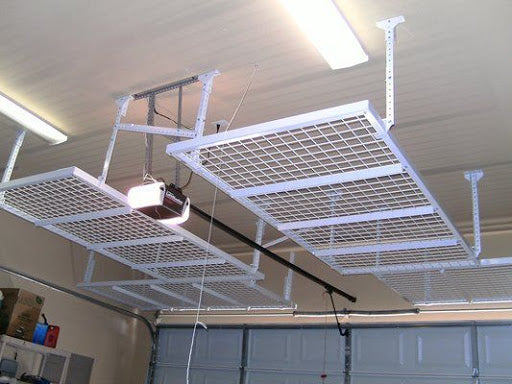
Credit: rhinoshelf.com
What Makes Overhead Garage Storage Safe?
Safe overhead storage depends on several key factors:
- Professional installation: Proper anchoring to ceiling joists or wall studs.
- Quality materials: Use steel or heavy-duty aluminum for strength.
- Secure fasteners: Bolts and screws must fit the load and ceiling material.
- Proper design: Racks should have side rails to prevent items from falling.
- Clear instructions: Follow all guidelines from the manufacturer.
Let’s compare two common installation methods:
| Installation Method | Pros | Cons |
|---|---|---|
| DIY Installation | Cheaper, flexible timing | Risk of improper anchoring, safety issues if not done correctly |
| Professional Installation | Ensures proper attachment, safety guaranteed | Higher cost, must schedule with pro |
Key Installation Safety Steps
- Locate ceiling joists or wall studs: Never anchor racks into drywall only.
- Use the correct hardware: Avoid shortcuts or using the wrong screws.
- Double-check measurements: Ensure even weight distribution and clearance above vehicles.
- Test weight slowly: Add items in small amounts and observe any flexing or sagging.
- Inspect regularly: Check for loose bolts, cracks, or rust.
Skipping any step can lead to accidents. Don’t rush installation.
How To Use Overhead Garage Storage Safely
Once installed, using overhead storage safely requires good habits:
- Store lighter items overhead: Heavy or sharp objects should stay at ground level.
- Use sturdy ladders: Avoid standing on unstable boxes or furniture.
- Don’t overload bins: Keep storage boxes under 40 lbs for easier lifting.
- Label bins clearly: This avoids unnecessary searching and reduces time spent on ladders.
- Keep access clear: Make sure nothing blocks your path when using a ladder.
Pro tip: Store things you rarely use up high. Items you need often should stay within easy reach.
Common Mistakes To Avoid
Many beginners make the same errors. Here are common mistakes and how to avoid them:
- Overestimating weight limits: “It looks sturdy” is not enough. Check the numbers.
- Ignoring ceiling structure: Not all ceilings can support racks. Some need extra reinforcement.
- Poor ladder safety: Rushing on a ladder is a leading cause of garage injuries.
- Forgetting about car clearance: Make sure your car fits under the racks, especially with the trunk open.
- Skipping regular checks: Fasteners can loosen over time. Set reminders to inspect every few months.
Real-world Example
Let’s look at a practical example. Mike, a homeowner in Texas, installed a 4×8 foot ceiling rack rated for 600 lbs. He used it for holiday decorations and camping gear. At first, he loaded it with 450 lbs. But after a few years, he noticed the rack started to sag.
When he checked, some bolts were loose due to vibration and temperature changes.
Mike’s story shows two key lessons:
- Never use the full weight capacity. Stay 10-20% under the max, especially in hot or humid climates.
- Regular inspection is critical. Tighten bolts and check for rust or bending at least twice a year.
How Overhead Garage Storage Compares To Other Storage Options
How does overhead garage storage stack up against other options? Here’s a simple comparison:
| Storage Type | Safety | Space Efficiency | Cost |
|---|---|---|---|
| Overhead Racks | Safe if installed correctly | Excellent | Medium |
| Freestanding Shelves | Very safe | Good | Low to Medium |
| Cabinets | Very safe | Moderate | High |
| Wall Hooks | Safe for light items | Good | Low |
Insight: Overhead racks win for unused space, but require careful installation and maintenance. Freestanding shelves are safer for heavy tools or frequently used items.
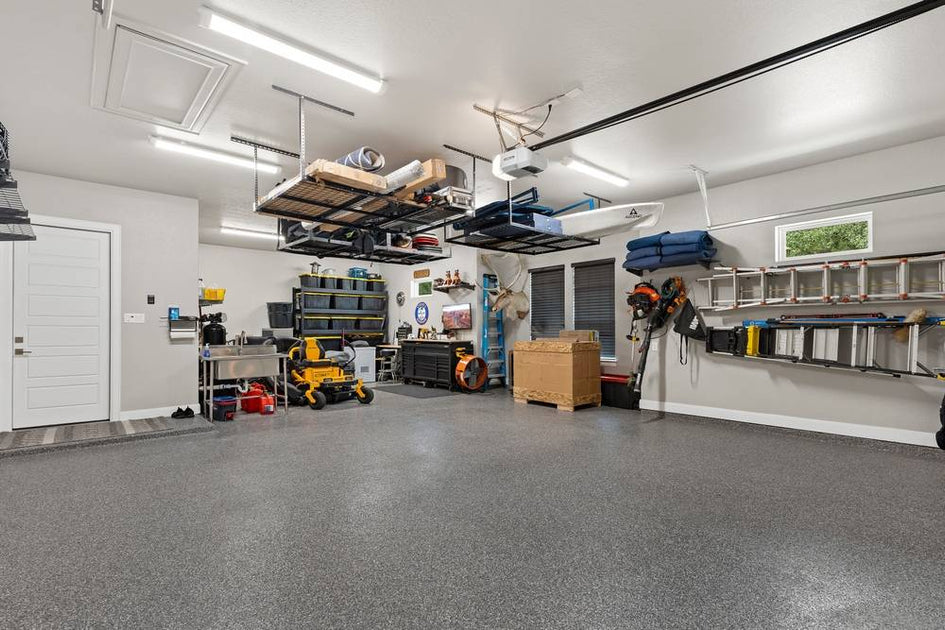
Credit: dycoventures.com
Who Should (and Shouldn’t) Use Overhead Garage Storage?
Good for:
- Homeowners with high garage ceilings
- People with limited floor space
- Anyone needing to store seasonal or rarely used items
Not ideal for:
- Renters (may need landlord approval)
- Low-ceiling garages (less than 8 feet)
- People uncomfortable with ladders
If you’re unsure, start with a small rack before expanding.
Maintenance Tips For Long-term Safety
To keep your overhead garage storage safe, follow these maintenance steps:
- Check all connections: At least twice a year, look for loose bolts or screws.
- Inspect for rust: Especially in humid areas, treat any rust spots immediately.
- Test weight: Remove and reload items to make sure nothing has shifted.
- Clean regularly: Dust and debris can hide damage or make surfaces slippery.
Pro tip: Take photos when you first install the racks. Compare them over time to spot any sagging or wear.
What Do Experts Say?
Safety experts agree: the main danger comes from improper installation or overloading. The National Safety Council recommends using only tested, certified products and following all instructions. Some insurance companies also require proof of professional installation for coverage. If you’re unsure about your ceiling’s strength, consult a local contractor.
For more details about garage safety standards, you can check resources from the National Safety Council.
Two Non-obvious Insights
- Temperature and humidity affect materials. In hot or wet climates, metal racks can warp or rust faster. Choose powder-coated or galvanized steel for better protection.
- Ceiling vibration matters. If your garage is under a living space or near heavy traffic, vibrations can slowly loosen fasteners. Use lock washers or thread-locking adhesive for extra security.
Frequently Asked Questions
Is Overhead Garage Storage Safe For All Garages?
Not every garage is suitable. You need a ceiling made of solid wood joists or beams. Avoid installing on drywall alone. If your garage has a finished ceiling, locate the joists with a stud finder before drilling.
How Do I Know If My Overhead Rack Is Overloaded?
Watch for signs like sagging, creaking sounds, or loose bolts. Weigh your items before putting them on the rack, and never exceed 80–90% of the stated weight limit to allow for safety margins.
Can I Install Overhead Garage Storage By Myself?
It’s possible if you have DIY skills, but mistakes are risky. Many injuries happen from improper anchoring. When in doubt, hire a professional. It’s safer and often required for warranty coverage.
What Should I Not Store In Overhead Garage Racks?
Avoid storing hazardous materials (paint, fuel), very heavy items, or valuables you need often. Overhead racks are best for lightweight, seasonal, or rarely accessed items.
How Often Should I Inspect My Overhead Garage Storage?
Check at least every six months. Look for loose bolts, rust, or bending. If your area has earthquakes or extreme weather, inspect more often.
Final Thoughts
So, is overhead garage storage safe? The answer is yes—when installed and used correctly. Proper design, quality materials, professional installation, and regular checks are essential. Overhead storage can transform your garage, making it more organized and spacious. But safety always comes first.
Take your time, follow instructions, and don’t ignore small warning signs.
With a smart plan, overhead garage storage can be a safe, effective solution for your home.