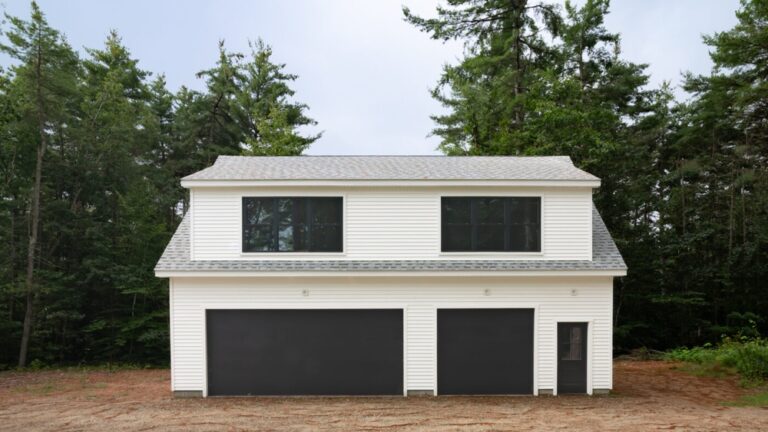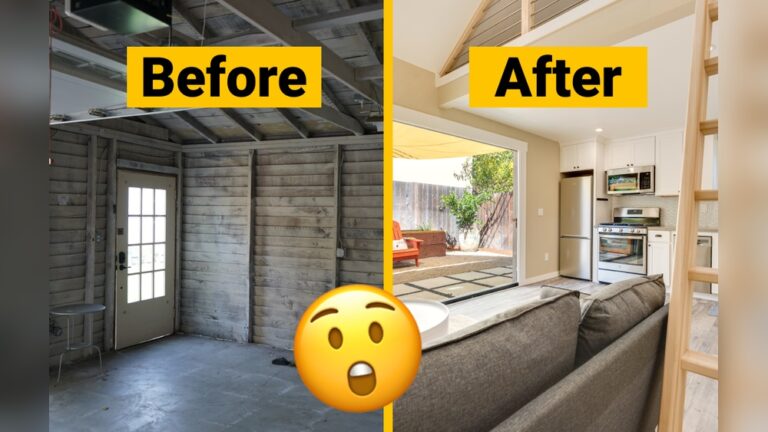

When you think about building a garage for one car, size is usually the first thing you need to figure out. Many homeowners, renters, and builders ask: “How big should a one car garage be?” Getting the size right is important because it affects parking, storage, and even the value of your home. If you’re new to home projects or just want clear advice, this article will help you understand the best one car garage size, common standards, and what you need to consider before building or buying.
What Is A One Car Garage?
A one car garage is a space designed to fit a single vehicle. It’s not just a parking spot—it often serves as storage for tools, bikes, and other items. Most single car garages are attached to homes, but some are detached and stand alone in the yard.
- Typical uses: Parking, storage, workspace
- Location: Attached or detached
Many people underestimate how much space is needed for comfortable parking and storage. A tight garage can make getting in and out difficult, especially if you want room for shelves or a workbench.
Standard One Car Garage Dimensions
The standard size for a one car garage can vary, but most garages fall within a common range. Here’s a look at the typical measurements:
| Width (feet) | Depth (feet) | Height (feet) |
|---|---|---|
| 10–12 | 18–24 | 7–8 |
- Minimum width: 10 feet (tight fit, limited storage)
- Ideal width: 12 feet (comfortable for most cars and storage)
- Depth: 20–24 feet (long enough for sedans, SUVs, and extra space)
- Height: Usually 7–8 feet (standard for most vehicles)
These sizes work for most cars, but if you have a large vehicle like a pickup truck, you may need extra width or depth.
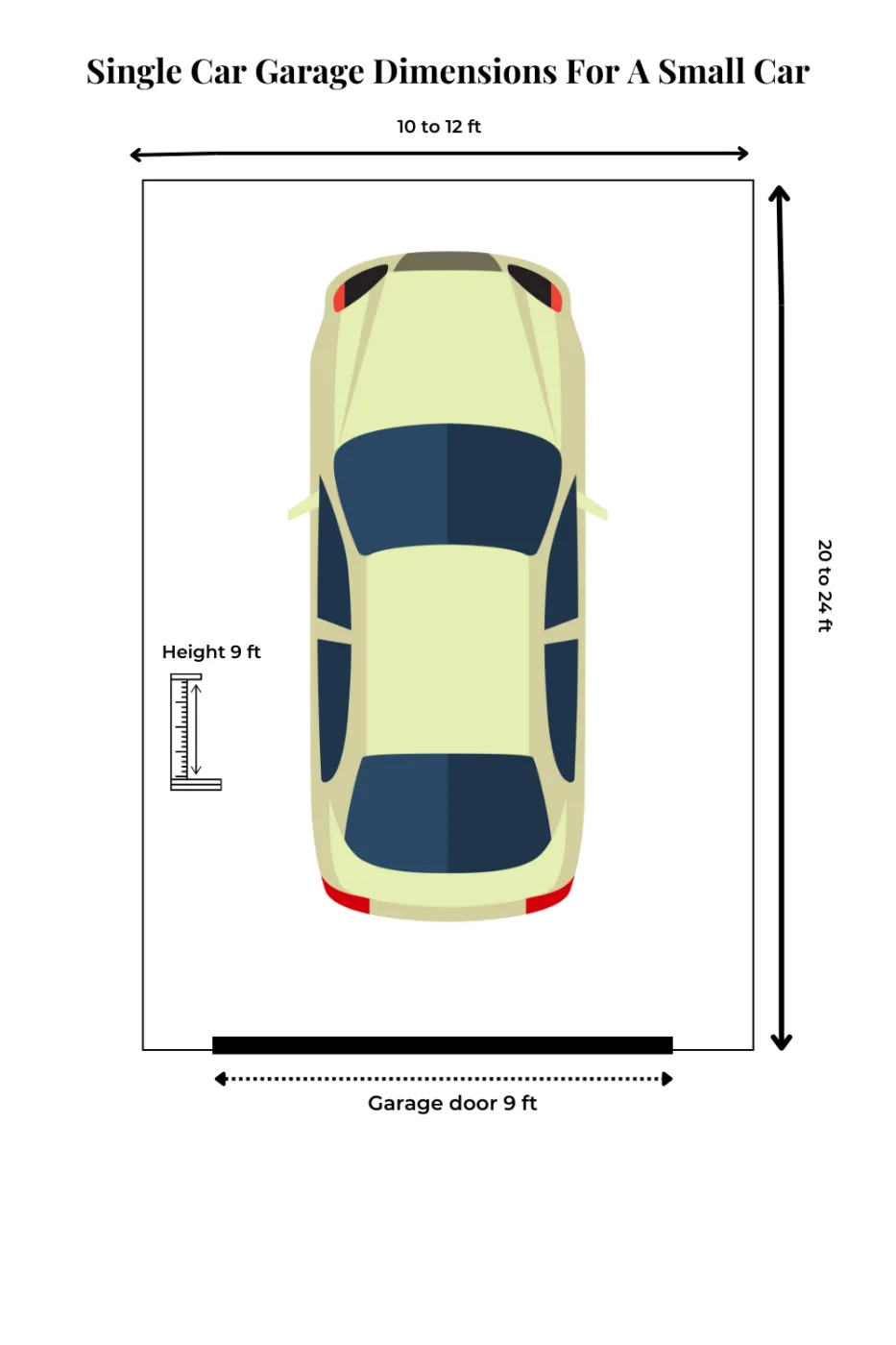
Credit: www.gowithedifice.com
Why Size Matters
Choosing the right one car garage size helps you avoid problems later. Here are some reasons why size is important:
- Parking comfort: Enough space to open doors fully without hitting walls.
- Storage: Room for shelves, bikes, lawn equipment.
- Safety: Prevents damage to your car or belongings.
- Future needs: Space for upgrades or bigger vehicles.
Many beginners forget about storage needs and regret building a garage that’s too small. Always plan for more than just the car.
Comparison: Small Vs. Large One Car Garage
To help you decide, let’s compare the smallest and largest common one car garage sizes.
| Feature | Small (10×18 ft) | Large (12×24 ft) |
|---|---|---|
| Parking | Fits compact cars | Fits sedans/SUVs |
| Door opening | Limited space | Easy access |
| Storage | Minimal | Room for shelves |
| Workspace | No space | Small workbench possible |
| Future-proof | Poor | Better |
- Tip: If your budget allows, choose a larger size. It will be more comfortable and flexible.
Common Garage Door Sizes
The door size is another key factor. You need a door wide and tall enough for your car.
| Garage Width | Door Width | Door Height |
|---|---|---|
| 10 ft | 8 ft | 7 ft |
| 12 ft | 9 ft | 7–8 ft |
- Standard door width: 8–9 feet
- Standard door height: 7 feet (SUVs may need 8 feet)
- Tip: Measure your car’s width (including mirrors) and add at least 2 feet for safe clearance.
Planning For Storage And Workspace
A garage is more than a parking spot. Most people use it for storage and hobbies. Here’s how you can plan for extra space:
- Shelves: Need at least 2 feet on one side or at the back
- Workbench: Reserve 3–4 feet at the rear or side
- Bikes/lawn tools: Wall hooks or dedicated corner
If you squeeze your car into a small garage, storage becomes difficult. Many beginners forget to add space for shelves or tools. Always plan your garage layout before building.
Real-life Examples
Let’s look at some practical examples:
- Compact sedan: Needs minimum 10×20 feet
- SUV: Needs minimum 12×22 feet
- Pickup truck: Needs 12×24 feet or more
- Storage plus car: 12×24 feet for car and shelves
- Example: A homeowner with a Toyota Camry chose a 10×20 garage. Parking was possible but shelves were squeezed. Later, they wished for more space.
Building Codes And Regulations
Before building, check your local rules. Building codes affect garage size, placement, and safety.
- Minimum size: Some areas require at least 10×20 feet
- Setbacks: Distance from property lines (usually 5–10 feet)
- Height limits: Often 8–10 feet max
- Permits: Most cities require permits for garages
Ignoring codes can lead to fines or forced changes. Always check with your local building department.
Cost Factors
The cost of a one car garage depends on size, materials, and location.
- Small garage (10×18 ft): $8,000–$12,000
- Standard garage (12×22 ft): $14,000–$18,000
- Large garage (12×24 ft): $16,000–$22,000
Materials: Wood frame, concrete, steel
Extras: Windows, insulation, electric outlets, automatic doors
- Tip: Larger garages cost more but add value to your home.
Mistakes Beginners Make
Many first-time builders make common mistakes:
- Building too small: Not enough space for storage or future cars
- Ignoring door size: Doors too narrow for bigger vehicles
- Skipping workspace: No room for hobbies or repairs
- Forgetting about height: Low ceilings make it hard to store tall items
- Non-obvious insight: The garage floor slopes for drainage. If you don’t plan, water may flow toward stored items.
How To Choose The Right Size
Here’s a step-by-step way to choose your ideal garage size:
- Measure your car: Length, width, height (including mirrors)
- Add clearance: At least 2 feet on each side and 3 feet at the rear
- Plan storage: Decide if you want shelves, bikes, or a workbench
- Check codes: Review local building rules
- Think ahead: Consider future vehicles or uses
- Example: If your car is 6.5 feet wide and 15 feet long, a 12×22 garage is comfortable.
One Car Garage Alternatives
Sometimes, you may want something different:
- Carport: Open sides, cheaper, less protection
- Shed: Good for storage, not for parking
- Portable garage: Temporary, easy to move
These options work if you don’t need full protection or want a lower cost.
Climate And Environmental Considerations
Your location affects garage design:
- Cold climates: Insulate walls and doors to protect your car
- Hot climates: Ventilation to reduce heat buildup
- Flood zones: Elevate floor to keep water out
- Non-obvious insight: In snowy areas, build extra width so you can open doors when snow piles up.
Customization Options
You can upgrade your garage for comfort and convenience:
- Windows: Natural light, better ventilation
- Insulation: Keeps your car and stored items safe
- Electric outlets: For tools, charging, lighting
- Automatic doors: Easy access
Custom features cost extra but make your garage more useful.
Resale Value And Home Benefits
A well-sized garage adds value to your home. Real estate experts say homes with garages sell faster and for more money.
- Resale boost: Up to 10% higher value for homes with a garage
- Buyer preference: Most buyers want space for storage and parking
A cramped garage can lower your home’s appeal. Always build with future buyers in mind.
Maintenance Tips
Keep your garage in good shape:
- Clean regularly: Sweep floor, check for leaks
- Inspect doors: Lubricate hinges, check automatic openers
- Seal cracks: Prevent water damage
- Upgrade lighting: Good visibility for parking and projects
Proper maintenance prevents costly repairs.

Credit: www.duramaxshedsdirect.com
Frequently Asked Questions
What Is The Minimum Size For A One Car Garage?
Most experts recommend at least 10×20 feet. This fits compact cars but leaves little space for storage. If you have a larger car or want shelves, aim for 12×22 feet.
Can I Build A Garage Smaller Than Standard?
Yes, but it’s not practical. A smaller garage can make parking and storage difficult. Always check local codes, as they may set minimum sizes.
What Is The Best Size For A One Car Garage With Storage?
A 12×24 feet garage is ideal if you want comfortable parking plus storage. This allows room for shelves, bikes, and a small workbench.
How Much Does A One Car Garage Cost?
Costs vary, but expect to pay $8,000–$22,000 depending on size, materials, and extras. Adding insulation, windows, or electric outlets increases the price.
How Do I Check Building Codes For Garages?
Contact your local building department or visit their website. They can tell you about minimum sizes, setbacks, and permit requirements. For more details, you can check resources like National Association of Home Builders.
Final Thoughts
Choosing the right one car garage size is more than picking numbers—it’s about planning for your needs, your car, and your home’s future. Most experts recommend at least 12×22 feet for comfort, safety, and storage. Don’t forget to check local codes, add extra space for shelves, and plan for future changes. A well-designed garage makes life easier and adds value to your home. If you start with the right information, your garage will serve you well for many years.

Credit: www.homestratosphere.com