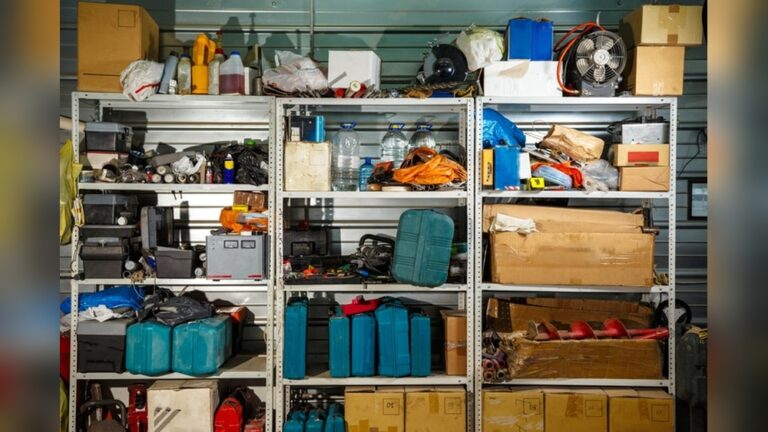

A freezer is a must-have for many homes, especially if you like to buy food in bulk or need extra storage space. But if you want to put a freezer in your garage, you may have heard about something called a garage ready freezer. What does this mean, and is it really different from a normal freezer? If you are new to buying freezers or want to make sure your appliance works well in all seasons, this guide explains everything you need to know.
What Is A Garage Ready Freezer?
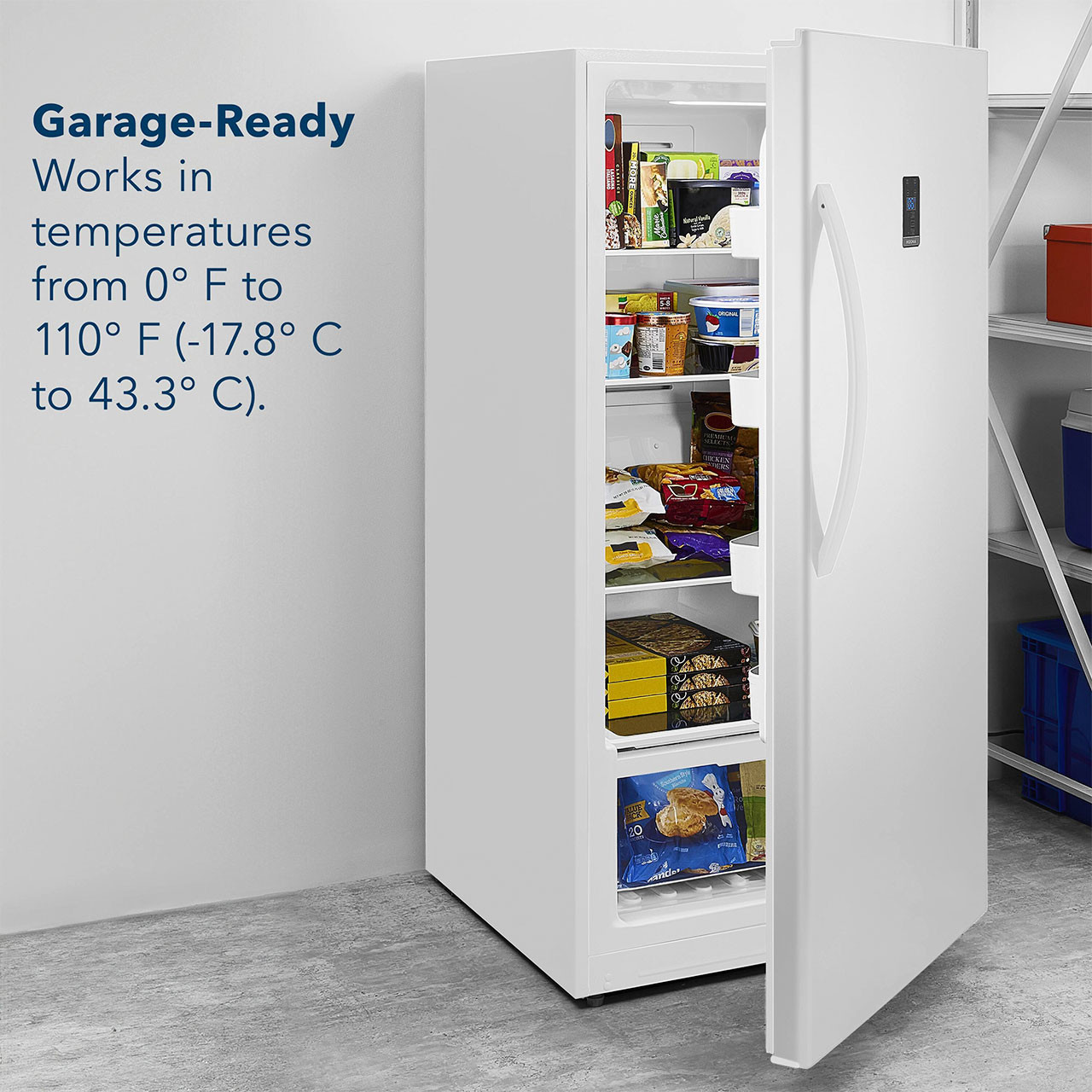
A garage ready freezer is a freezer that can work properly in a garage, basement, or other area where temperatures are not controlled like inside your home. It is designed to handle a wider range of temperatures, often from 0°F to 110°F (or higher). This means your food stays frozen, even if your garage gets very hot in the summer or cold in the winter.
Some people think any freezer will work in a garage, but that is not true. Most regular freezers are made for rooms where the temperature stays between 55°F and 85°F. If the room gets too hot or too cold, a normal freezer can stop working or use too much energy.
A garage ready freezer usually has special features, such as:
- Stronger insulation to keep cold air inside
- A more powerful compressor for extreme temperatures
- Temperature sensors to adjust how the freezer runs
Why Standard Freezers Struggle In Garages
Garages, sheds, and basements are not like the inside of your house. The temperature can change a lot during the year, sometimes going below freezing in winter or above 100°F in summer.
Here are common problems with standard freezers in garages:
- The compressor may not start if the garage gets too cold
- In hot weather, the freezer works too hard, using more electricity
- Food may thaw and refreeze, causing freezer burn or spoilage
- The freezer may break down sooner
For example, if you live in Texas, your garage could reach 110°F in July. In Minnesota, your garage might drop to 10°F in January. A regular freezer is not made for these conditions.
Key Features Of Garage Ready Freezers
Not all garage ready freezers are the same. But most share important features that help them survive in tough environments.
1. Wide Temperature Range
Garage ready freezers are tested to work in extreme temperatures. Many models are rated for 0°F to 110°F or wider. This means they will keep your food safe and frozen in most US climates.
2. Special Insulation
Extra or better insulation keeps cold air from escaping, even when the garage is hot. This helps the freezer work less and saves energy.
3. Adaptive Compressor
A normal freezer’s compressor can fail in very cold or very hot weather. Garage ready models use adaptive compressors or multi-climate technology to keep running smoothly.
4. External Temperature Controls
Many garage ready freezers have controls you can adjust from the outside, so you don’t have to open the door and let out cold air.
5. Durable Design
Some have sturdier hinges, rust-resistant materials, or stronger shelves to handle rough garage environments.
Example: Popular Garage Ready Freezer
The GE FCM11PHWW is a popular garage ready chest freezer. It works from 0°F to 110°F, has adjustable controls, and holds 10.6 cubic feet of food. Owners in both Florida and Michigan report good performance year-round.
Types Of Garage Ready Freezers
You can find garage ready freezers in different shapes and sizes. The two main types are:
- Chest freezers: Open from the top, usually hold more, and are better for large items.
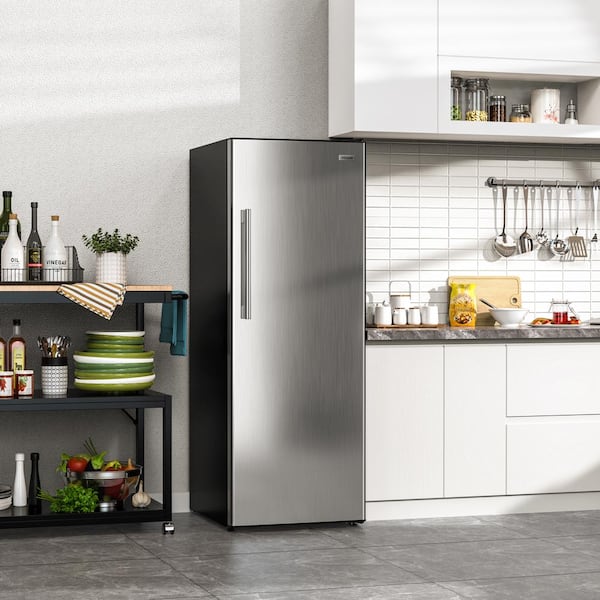
- Upright freezers: Open like a fridge, make organizing food easier.
Each type can be found in various sizes, from small (5 cubic feet) to large (20+ cubic feet).
Chest Vs Upright: Quick Comparison
Below is a simple comparison of chest and upright garage ready freezers.
| Feature | Chest Freezer | Upright Freezer |
|---|---|---|
| Access | Top-opening, may need bending | Front-opening, like a fridge |
| Organization | Harder, usually only baskets | Easier, with shelves and bins |
| Price | Usually less expensive | Often more expensive |
| Energy Use | More efficient (cold air stays in) | Less efficient (cold air falls out) |
| Best for | Bulk storage, hunters, families | Easy access, frequent use |

Credit: www.amazon.com
How To Tell If A Freezer Is Garage Ready
Manufacturers often put “garage ready” or “garage optimized” on the label. But you should always check the operating temperature range in the product details.
Look for:
- A temperature range that includes at least 0°F to 110°F
- Mention of garage testing or certification
- Features like multi-climate control or adaptive compressor
If you don’t see these, the freezer might not be made for garage use.
Real-world Performance: Data And Examples
Let’s look at practical data to understand why garage ready models matter.
Temperature Testing Example
A 2022 study by Consumer Reports tested several freezers in a simulated garage. They found:
- Standard freezers stopped cooling when the garage was below 40°F or above 100°F.
- Garage ready freezers kept safe food temperatures from 0°F to 110°F.
- Energy use was up to 30% higher in hot garages for non-garage models.
Energy Efficiency Table
Here’s how energy use compares in different conditions.
| Freezer Type | Room Temp | Annual Energy Use (kWh) |
|---|---|---|
| Standard Freezer | 70°F (indoor) | 350 |
| Standard Freezer | 100°F (garage) | 500 |
| Garage Ready Freezer | 100°F (garage) | 400 |
This shows that garage ready freezers use less energy in tough conditions, saving you money in the long run.
Credit: www.homedepot.com
When Do You Need A Garage Ready Freezer?
Not everyone needs a garage ready freezer. But you should consider one if:
- You want to keep a freezer in your garage, shed, or basement
- The area is not heated or cooled year-round
- Local temperatures go below 50°F or above 90°F for weeks at a time
If your garage is insulated and air-conditioned, a standard freezer might work. But for most US homes, a garage ready model is a safer bet.
How To Choose The Right Garage Ready Freezer
Choosing the right freezer is about more than just buying the biggest or cheapest. Here’s what really matters:
1. Size And Capacity
Pick a size based on your needs:
- Small (5-7 cu ft): Good for singles or couples
- Medium (10-15 cu ft): Best for small families
- Large (16+ cu ft): For big families or bulk storage
Remember, bigger freezers use more energy.
2. Placement And Space
Measure your space. Leave a few inches around the freezer for air flow. Make sure the door can open fully.
3. Power Supply
Garages sometimes have fewer outlets. Make sure your freezer’s cord will reach, and avoid using extension cords.
4. Defrost Type
- Manual defrost: Uses less energy, but you must empty and defrost it 1-2 times a year.
- Frost-free (auto defrost): Easier, but may cost more and use more electricity.
5. Noise
Garage ready freezers are usually quiet, but check reviews if your garage is next to a bedroom or living area.
6. Energy Star Rating
Look for the ENERGY STAR label for better efficiency. This means lower electricity bills.
7. Extra Features
Some freezers have:
- Interior lights
- Lockable lids
- Alarms if the temperature rises
- Storage baskets or dividers
Common Mistakes When Buying Or Using A Garage Freezer
Even experienced shoppers sometimes make these errors:
- Assuming all freezers are garage ready. Always check the specs.
- Ignoring local climate. If your garage gets very hot or cold, you need a wider temperature range.
- Blocking air vents. Freezers need space to breathe.
- Not leveling the freezer. Uneven floors can stress the motor and cause noise.
- Using extension cords. This can be dangerous and void your warranty.
- Not registering the warranty. Save your receipt and register online for coverage.
Practical Tips For Garage Freezer Success
- Place your freezer on a flat, dry surface.
- Leave at least 2-4 inches of space on all sides for ventilation.
- Check the seal on the door—replace it if you see cracks.
- Keep a thermometer inside to monitor the temperature.
- Don’t overload or block air vents with food.
- Clean coils and defrost as needed.
- Cover the freezer with a light sheet in summer if the sun hits it directly.
Are Garage Ready Freezers More Expensive?
Garage ready freezers can cost $50–$150 more than similar non-garage models. But they last longer, use less energy in garages, and protect your food better. If you lose a freezer full of food, that can easily cost more than the price difference.
Where To Buy A Garage Ready Freezer
You can find garage ready freezers at:
- Major appliance stores (Home Depot, Lowe’s, Best Buy)
- Online retailers (Amazon, Walmart)
- Local appliance shops
Always read recent customer reviews. Some brands are better in certain climates or have better service.
For more detailed specifications and independent testing, you can check resources like this Consumer Reports guide.
Credit: marketplace.pseg.com
Frequently Asked Questions
What Does “garage Ready” Mean For A Freezer?
Garage ready means the freezer is tested to work in extreme temperatures, usually from 0°F to 110°F or more. It keeps food frozen safely in places like garages, basements, or sheds where temperatures change a lot.
Can I Use A Regular Freezer In My Garage?
You can, but it is risky. Regular freezers may stop working in very cold or hot garages. Your food could spoil, and the freezer may break early. For most garages, a garage ready model is safer.
Are Garage Ready Freezers Frost Free?
Some garage ready freezers are frost free (automatic defrost), but not all. Many chest freezers are manual defrost. Check the product details before buying.
How Can I Tell If My Freezer Is Garage Ready?
Look for a label or specs that list the operating temperature range (like 0°F to 110°F). If it says “garage ready” or “garage optimized,” it is made for those conditions.
Is A Garage Ready Freezer Worth The Extra Cost?
Yes, for most people. It protects your food, saves energy, and works longer in tough garage conditions. The small extra cost is usually less than the value of food you could lose.
A garage ready freezer can give you peace of mind, whether you live in a hot southern state or a cold northern one. With the right model, you don’t need to worry about your food—even when the weather outside your garage changes fast.