
Storing Photos In Garage
Many people have boxes of old photos stored in their homes. Sometimes, the garage seems like an easy place to keep these memories. But is it safe? Storing photos in the garage might sound simple, but there are risks you should know about.
If you want your family memories to last for years, learning the right way to store photos is important. This guide will explain everything you need to know, from the dangers of garage storage to practical steps for protecting your pictures.
Whether you have a few albums or hundreds of prints, you’ll find clear advice for beginners.
Why People Store Photos In The Garage
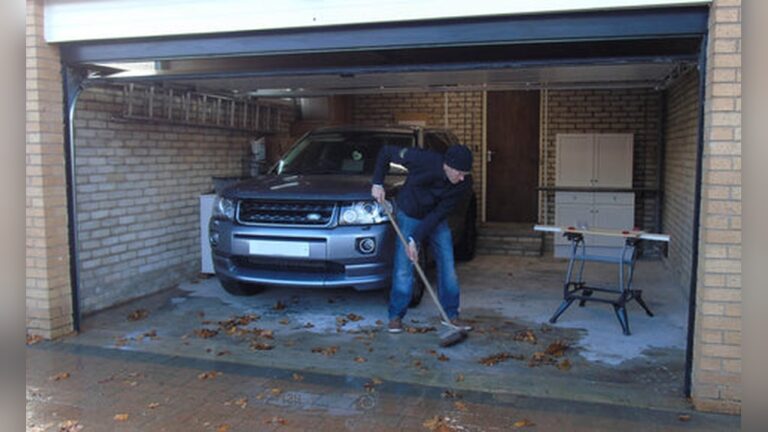
For many families, space in the house is limited. The garage often becomes a storage area for items that are not used daily, like holiday decorations, old clothes, and photos. Here’s why people choose the garage:
- Extra space: Garages usually have more room than closets or cabinets.
- Easy access: It’s simple to put boxes on shelves or in corners.
- Keeps the house tidy: Less clutter in living areas.
But while these reasons make sense, the garage is not always the best place for valuable items like photographs.
Risks Of Storing Photos In The Garage
Storing photos in the garage can damage them over time. Here are the main dangers:
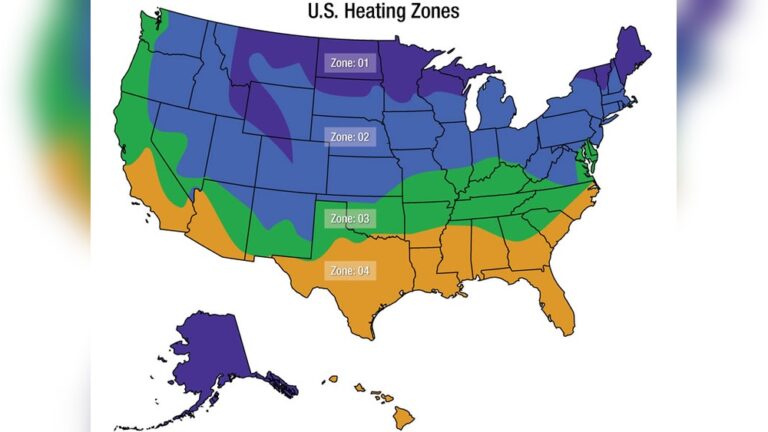
- Temperature changes: Garages can get very hot in summer and very cold in winter. These changes can make photos fade or crack.
- Humidity: High moisture in the air can cause photos to stick together, curl, or grow mold.
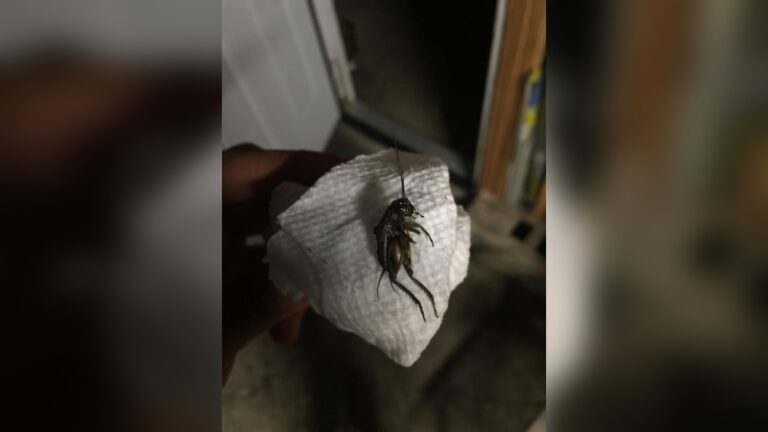
- Pests: Insects and rodents may chew through boxes and damage photos.
- Dust and dirt: Garages are often dusty, which can make photos dirty or scratched.
- Flooding or leaks: Water from rain or plumbing can destroy photos if the garage is not sealed well.
Example
Imagine storing a box of photos in a garage in Texas. Summer temperatures can reach over 100°F (38°C), and humidity can be very high. Over a few years, you may find your photos faded, stuck together, or covered in mold.
How Temperature And Humidity Affect Photos
Photos are sensitive to their environment. The two biggest threats are temperature and humidity.
| Condition | Recommended Level | Typical Garage Level | Effect on Photos |
|---|---|---|---|
| Temperature | 68°F (20°C) or lower | 40-110°F (4-43°C) | Fading, warping, cracks |
| Humidity | 30-50% | 30-90% | Mold, curling, sticking |
Even if you seal your boxes, changes in the garage’s environment can still reach your photos. Over time, even small changes can add up to big damage.
Best Storage Materials For Photos
If you must store photos in the garage, using the right materials can help protect them. Avoid plastic bags or regular cardboard boxes. Here’s what you should use:
- Archival photo boxes: Made from acid-free materials, these protect against chemicals and dust.
- Polyester or polypropylene sleeves: These clear sleeves keep photos flat and safe from moisture.
- Silica gel packets: Placing these in boxes helps control humidity.
- Labels: Always label your boxes to avoid opening them often.
Comparison Of Storage Materials
| Material | Protection Level | Cost | Best For |
|---|---|---|---|
| Regular Cardboard | Poor | Low | Short-term storage |
| Plastic Boxes | Moderate | Medium | Temporary solution |
| Archival Boxes | High | High | Long-term storage |
Non-obvious tip: Never use newspaper to wrap photos. The ink can transfer and ruin the images.
Where To Place Photos In The Garage
If you have no choice but to use the garage, location matters. Not every spot is equal. Here’s how to choose a better place:
- Avoid the floor: Store boxes on shelves to prevent water damage from leaks or flooding.
- Stay away from doors and windows: These areas change temperature the most.
- Use interior walls: If possible, place boxes against walls that are shared with the house, not the outside.
- Keep away from chemicals: Do not store photos near paint, gasoline, or cleaning supplies.
Steps To Prepare Photos For Garage Storage
Before you move photos to the garage, take these steps:
- Sort your photos: Remove any duplicates or photos you don’t want to keep.
- Clean hands and workspace: Oils from your fingers can damage photos.
- Use proper containers: Place photos in archival sleeves, then into archival boxes.
- Add silica gel packets: Helps manage moisture.
- Label everything: Write clear labels showing the contents and dates.
- Seal boxes tightly: Use tape to close boxes, but do not wrap photos in plastic wrap.
- Document storage: Take a photo or make a list of what you stored and where.
Pro tip: Scan your most important photos before storing them. Digital copies are safe from physical damage.
Credit: www.guardianstorage.com
Alternatives To Garage Storage
The garage is not always the best place for photos. Here are safer alternatives:
- Inside the house: Closets, under the bed, or interior cabinets have more stable temperatures.
- Climate-controlled storage units: These keep humidity and temperature at safe levels.
- Digital backups: Scan and save photos on a hard drive or cloud service.
Example
A small, climate-controlled storage unit costs around $50 per month in the US. This can save your memories from humidity and pests.
Digital Backup: Your Best Defense
No matter where you store printed photos, accidents can happen. Fires, floods, or pests may destroy them. That’s why digital backup is important. Here’s how to do it:
- Scan photos: Use a scanner or a phone app to create digital copies.
- Save in multiple places: Store on a computer, an external hard drive, and a cloud service.
- Organize files: Name files with dates and people for easy searching.
Non-obvious tip: Save photos in formats like TIFF or high-quality JPEG for better long-term quality.

Credit: www.jaxdailyrecord.com
Common Mistakes Beginners Make
When storing photos in the garage, beginners often make these mistakes:
- Using the wrong boxes: Regular boxes can speed up damage.
- Placing photos on the floor: Increases risk of water damage.
- Skipping digital backups: Puts memories at risk if something happens.
- Not checking storage: Never looking at the boxes for years means you miss early signs of damage.
- Ignoring climate data: Many people don’t realize how much the garage temperature changes.
Practical Tips For Better Photo Storage In The Garage
If you decide to store photos in your garage, here are practical steps to reduce risk:
- Use only archival-quality containers.
- Place silica gel packets in every box to control moisture.
- Stack boxes with space between them for airflow.
- Check boxes every few months for signs of mold or pests.
- Keep a list of what’s in each box to avoid opening them often.
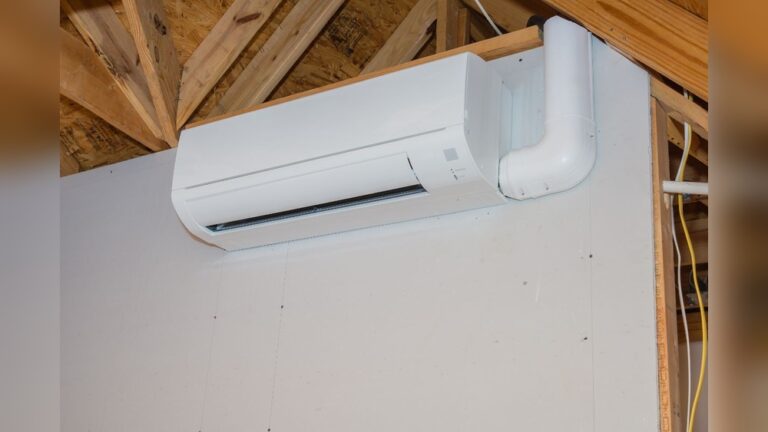
- Consider a small dehumidifier if your garage is very damp.
Credit: www.inspiredclosets.com
How Long Can Photos Last In The Garage?
Photo life depends on storage conditions. In a typical garage, photos may start to show damage in 2-5 years if not protected. With the best materials and some luck, they might last 10 years or more, but the risk is always higher than inside your house.
Example: In a study by the Image Permanence Institute, photos stored in poor conditions faded up to 50% faster than those kept at proper temperature and humidity.
When Should You Move Photos Out Of The Garage?
If you notice any of these signs, move your photos immediately:
- Boxes feel damp or smell musty.
- You see bugs or rodent droppings near your boxes.
- Photos show discoloration, curling, or sticking.
- Floods, leaks, or high humidity are common.
Don’t wait for major damage. Early action can save your memories.
Frequently Asked Questions
Is It Safe To Store Photos In The Garage?
Storing photos in the garage is not safe for long-term preservation. Garages have large temperature and humidity changes, which can damage photos quickly. If you must use the garage, always use archival boxes and digital backups.
What Is The Best Way To Store Old Photos?
The best way is to use acid-free archival boxes and sleeves. Store them in a cool, dry place inside your home. Avoid basements, attics, and garages if possible. Digital backups offer extra safety.
Can I Store Photos In Plastic Bins?
Plastic bins are better than cardboard but not perfect. If you use them, choose bins made from polypropylene or polyethylene. Add silica gel packs for moisture control. Avoid airtight bins unless you are sure there is no trapped humidity.
How Do I Prevent Photos From Sticking Together?
Use archival sleeves for each photo. Keep humidity below 50%. Never store photos in high-moisture areas. If photos are already sticking, do not pull them apart — consult a professional.
What Should I Do If My Photos Get Moldy In The Garage?
Remove them from the garage immediately. Wear gloves and a mask. Let the photos dry in a safe place with good air flow. Do not wipe the mold off; seek advice from a photo conservator. For more information, check resources like Library of Congress.
Storing photos in the garage may seem easy, but it comes with real risks. By understanding the dangers and following the right steps, you can give your family memories the best chance to last. Always think ahead and protect your photos today, so they will bring joy for years to come.