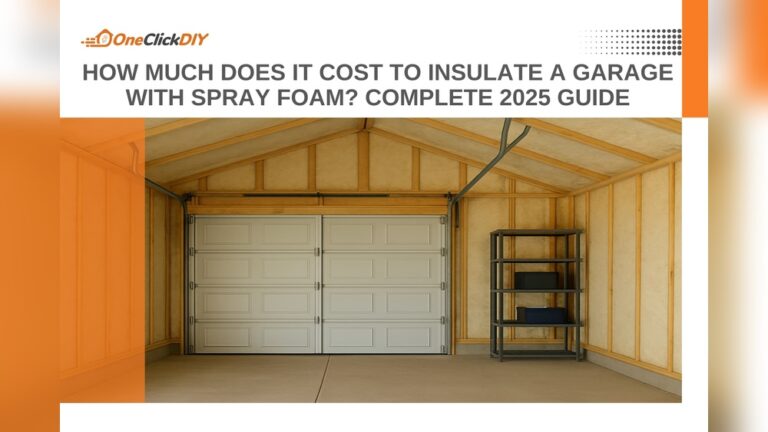

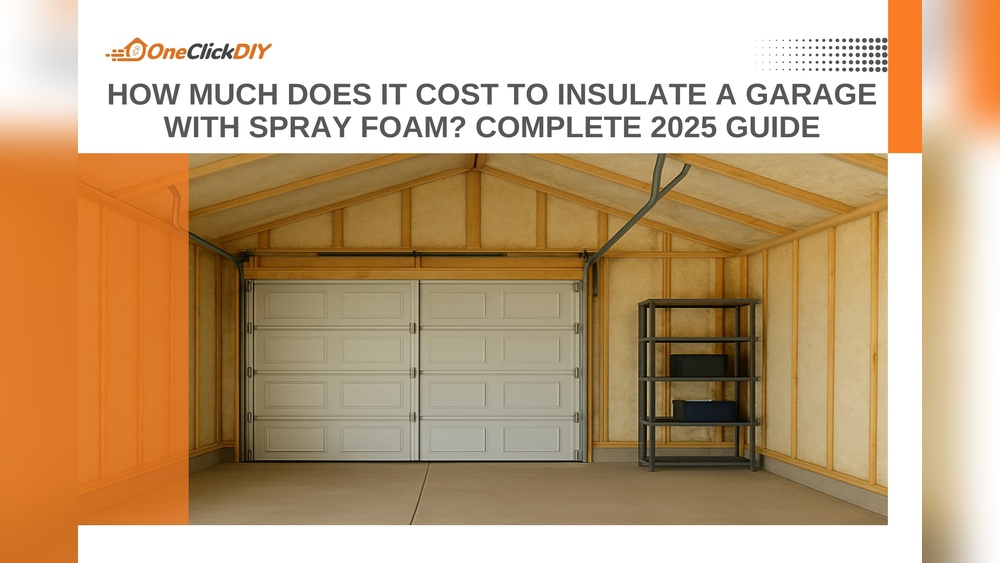
Insulating your garage is one of the smartest ways to improve home comfort, save energy, and increase property value. Many homeowners ask, “How much does it cost to insulate a garage?”. The answer depends on several factors, including garage size, insulation type, and whether you hire a professional or do it yourself. This guide will help you understand the real costs, what affects the price, and how to make the best choice for your needs.
Why Insulate Your Garage?
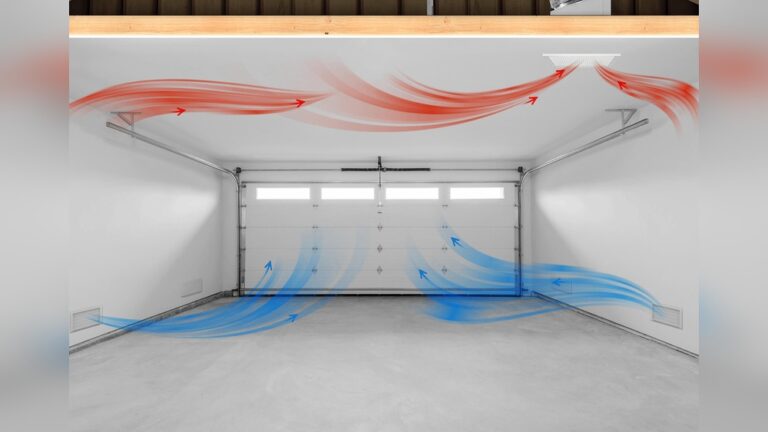
A garage is more than a place to park your car. It can be a workshop, storage area, or even a living space. Insulating your garage offers many benefits:
- Better temperature control: Keeps your garage warmer in winter and cooler in summer.
- Lower energy bills: Prevents heat loss, so your home uses less energy.
- Noise reduction: Blocks outside sounds, making the garage quieter.
- Increased home value: Insulated garages attract buyers and add value.
Many people overlook garage insulation, but it can make a big difference, especially if your garage is attached to your house.
Factors Affecting The Cost To Insulate A Garage
The price to insulate your garage is not fixed. It depends on:
- Size of the garage: Larger garages need more material and labor.
- Type of insulation: Different materials have different prices and performance.
- Walls, ceiling, door, and floor: Insulating each area adds to the cost.
- Labor costs: Professional installation usually costs more than DIY.
- Local prices: Material and labor costs vary by region.
Understanding these factors helps you plan your budget and make smart decisions.
Common Types Of Garage Insulation
Choosing the right insulation is key. Here are the most popular types, along with their average prices:
| Insulation Type | Average Cost (per sq. ft.) | R-Value | Best Use |
|---|---|---|---|
| Fiberglass Batt | $0.40–$1.00 | R-11 to R-38 | Walls, ceilings |
| Blown-In Cellulose | $1.00–$1.60 | R-13 to R-30 | Walls, attics |
| Spray Foam | $1.50–$4.00 | R-14 to R-60 | Walls, ceilings |
| Rigid Foam | $1.20–$2.50 | R-5 to R-6.5 per inch | Doors, walls |
Fiberglass batt is the most common and affordable. Spray foam offers high performance but costs more. Rigid foam is good for garage doors and exposed walls. Blown-in cellulose fills small gaps well.
Average Cost To Insulate A Garage By Size
Let’s look at typical costs based on garage size. These numbers include materials and labor for insulating walls and ceiling only.
| Garage Size | Fiberglass Batt | Spray Foam | Blown-In Cellulose |
|---|---|---|---|
| 1-car (240 sq. ft.) | $400–$700 | $900–$1,800 | $350–$600 |
| 2-car (480 sq. ft.) | $800–$1,400 | $1,800–$3,600 | $700–$1,200 |
| 3-car (720 sq. ft.) | $1,200–$2,100 | $2,700–$5,400 | $1,100–$1,800 |
If you only insulate the walls, costs will be lower. Adding the ceiling increases the price but improves temperature control.

Credit: homeguide.com
Garage Door Insulation Cost
Many garages lose heat through the door. Insulating the garage door can be done with special kits or panels.
- Garage door insulation kit: $50–$150 per door
- Rigid foam panels: $75–$200 per door
- Professional installation: $200–$500 per door
A good kit can boost your door’s R-value from R-2 to R-7. This small investment often pays for itself in energy savings.
Diy Vs. Professional Installation
You can save money by insulating your garage yourself, but professional installers deliver better results.
Diy Cost Breakdown
- Fiberglass batt insulation: $0.40–$1.00 per sq. Ft.
- Tools and safety gear: $50–$150
- Garage door kit: $50–$150
Most homeowners spend $300–$800 for DIY insulation in a small garage.
Professional Installation
- Labor rates: $0.50–$2.00 per sq. Ft.
- Quality assurance: Pros ensure proper fitting and sealing.
- Cleanup and disposal: Included in service.
Professional jobs often cost 30–50% more than DIY, but they reduce mistakes and improve efficiency.

Credit: www.fixr.com
Step-by-step Example: Insulating A 2-car Garage
Let’s walk through a real-world example using fiberglass batt insulation:
- Measure wall and ceiling area: A typical 2-car garage (24×20 feet) has about 680 sq. Ft. of wall and ceiling space.
- Calculate material cost: 680 sq. Ft. x $0.70 (average) = $476 for insulation.
- Add tools and supplies: $75 for utility knife, gloves, masks, staple gun.
- Garage door kit: $120 for a quality kit.
- Total DIY cost: $476 + $75 + $120 = $671
- Professional labor: 680 sq. Ft. x $1.50 (average) = $1,020
- Total professional cost: $476 + $1,020 + $120 = $1,616
Tip: Always measure carefully and buy 10% extra material for mistakes.
Additional Costs And Considerations
Some costs are often missed by beginners:
- Drywall installation: Covering insulation adds $1–$2 per sq. Ft.
- Vapor barrier: Plastic sheeting prevents moisture, costing $0.10–$0.50 per sq. Ft.
- Permits: Some areas require permits for insulation work ($50–$200).
- Old insulation removal: Removing old material can add $0.50–$1.00 per sq. Ft.
Non-obvious insight: Insulating the garage floor is rarely needed unless you plan to use it as a living space.
How Garage Insulation Saves Money
Insulating your garage is an investment. You can expect to save 10–20% on heating and cooling bills if your garage is attached to your home. The savings are higher if you use the garage as a workshop or living area.
Here are some practical ways insulation pays off:
- Less heat escapes: Your home stays warmer in winter.
- Air conditioner works less: Cooling costs drop in summer.
- Protects stored items: Tools and equipment are less affected by temperature swings.
- Reduces moisture: Keeps cars and bikes dry and rust-free.
Choosing The Right Insulation For Your Garage
Picking the best insulation depends on your goals and budget:
- Fiberglass batt: Good for most garages; affordable and easy to install.
- Spray foam: Best for maximum energy efficiency and sealing gaps.
- Rigid foam panels: Great for garage doors and unfinished walls.
- Blown-in cellulose: Effective for older garages with odd shapes.
Beginner tip: Don’t forget the garage door and ceiling. Many people insulate only the walls, which leaves big heat leaks.
How To Estimate Your Garage Insulation Cost
You can estimate the cost with these steps:
- Measure total area: Length x height of each wall, plus ceiling.
- Pick insulation type: Check prices per sq. Ft.
- Include garage door: Add cost for door insulation kit.
- Add labor cost: If hiring a pro, multiply area by local labor rate.
- Don’t forget extras: Drywall, vapor barrier, permits.
Example: For a 2-car garage (480 sq. ft.), using fiberglass batt ($0.70 per sq. ft.), plus a $120 door kit:
- Walls and ceiling: 480 x $0.70 = $336
- Door kit: $120
- Labor (optional): 480 x $1.50 = $720
- Total: DIY = $456; Professional = $1,176
Common Mistakes When Insulating A Garage
Beginners often make these errors:
- Skipping the garage door: This is a major source of heat loss.
- Not sealing gaps: Air leaks reduce insulation effectiveness.
- Ignoring moisture issues: Always use a vapor barrier if needed.
- Overlooking attic access: Insulate attic hatches to prevent heat loss.
- Choosing the wrong R-value: Make sure the insulation is suited for your climate.
Non-obvious insight: Insulating the ceiling is as important as walls, especially if your garage has an attic above.

Credit: krakenbond.net
Regional Price Differences
Prices vary across the United States. Here are some examples:
| Region | Material Cost (per sq. ft.) | Labor Cost (per sq. ft.) |
|---|---|---|
| West Coast | $0.70–$1.50 | $1.50–$2.50 |
| Midwest | $0.40–$1.00 | $1.00–$1.80 |
| East Coast | $0.60–$1.20 | $1.20–$2.00 |
| South | $0.50–$1.10 | $1.00–$1.70 |
Labor is usually more expensive in large cities. Material prices can change based on supply and demand.
Real-life Example: Insulating For Comfort And Savings
Sarah, a homeowner in Ohio, insulated her 2-car attached garage with fiberglass batts. She spent $850 (DIY) for materials, tools, and a garage door kit. After insulation, her winter heating bill dropped by $22 per month. The garage became comfortable enough for a home gym. She estimates payback in just two years.
Expert tip: Always compare material prices at local stores and online. Sometimes, sales can cut your costs by 20% or more.
Where To Find More Information
For more detailed data and advice on insulation materials and methods, visit Energy.gov. This government site offers guides and calculators for home insulation projects.
Frequently Asked Questions
How Much Does It Cost To Insulate A Single-car Garage?
Most homeowners pay $400–$800 for materials and labor to insulate a single-car garage. DIY projects can cost less, but hiring a professional usually means better results.
What Is The Best Insulation For A Garage?
Fiberglass batt is the most popular for garage walls and ceilings. Spray foam is best for sealing gaps and maximum energy savings, but costs more. Rigid foam works well for doors and unfinished walls.
Is It Worth Insulating A Detached Garage?
Insulating a detached garage is worth it if you use it as a workshop, gym, or storage for valuables. Otherwise, the benefits may be less than for attached garages.
Can I Insulate My Garage Myself?
Yes, many homeowners do their own insulation. It’s important to follow safety rules, measure carefully, and seal all gaps. DIY saves money but takes time and effort.
Does Garage Insulation Increase Home Value?
Yes, a well-insulated garage adds value, especially for buyers in cold or hot climates. It also makes your home more comfortable and energy-efficient.
Insulating your garage is a smart way to improve comfort, save money, and boost your home’s value. Whether you choose DIY or professional installation, understanding the costs and options helps you make the best decision. With the right insulation, your garage can become a more useful and enjoyable space for years to come.