
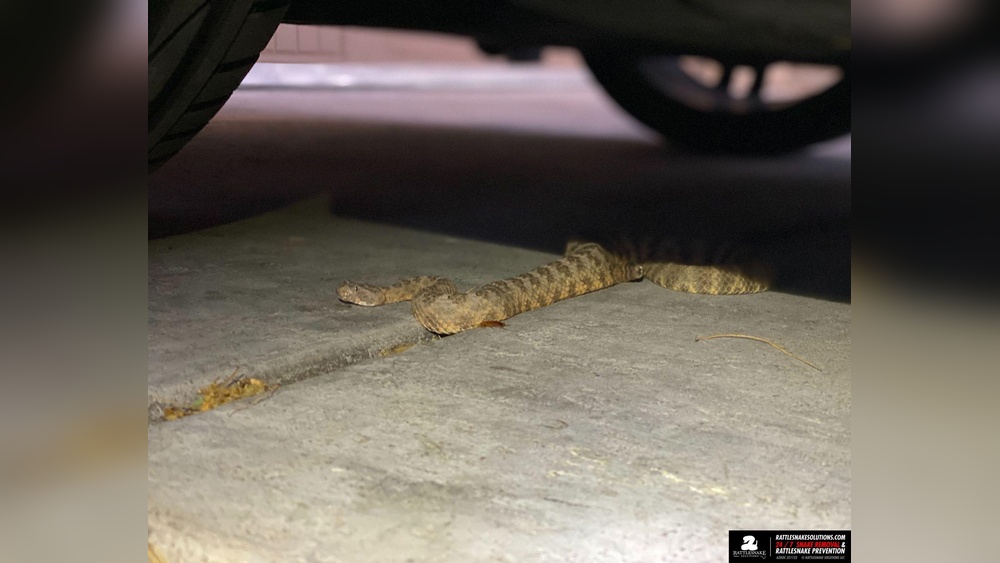
A snake in your garage can turn a normal day into a stressful one. For many people, just seeing a snake nearby creates fear and confusion. In reality, most garage snakes are not dangerous, but it’s still important to know what to do.
This guide explains how and why snakes enter garages, how to identify them, and how to respond safely. By the end, you’ll know the right steps, so you can protect your home, your family, and yourself.
Why Snakes Enter Garages
Snakes don’t enter garages to scare people. They are looking for food, shelter, or warmth. Understanding snake behavior helps you prevent unwanted visits.
- Food sources: Garages often attract rodents like mice and rats. Snakes follow these animals because they are their main food.
- Shelter: Garages are dry, dark, and quiet—perfect hiding spots for snakes to rest or escape hot or cold weather.
- Warmth: In cooler months, snakes look for warm places. Concrete floors, boxes, and cars hold heat, making garages attractive.
- Access points: Gaps under doors, cracks in walls, or open vents make it easy for snakes to enter without being noticed.
Common Scenarios
- After a storm: Flooded yards can drive snakes to look for dry places like garages.
- During rodent problems: If you see more mice or rats, snakes may soon follow.
- Seasonal changes: In spring and fall, snakes move more and may enter garages by accident.
Types Of Snakes Found In Garages
Not all snakes are the same. Some are harmless, while a few can be dangerous. Knowing what kind of snake you’re dealing with helps you react correctly.
Harmless Snakes
Most snakes you find in a garage are nonvenomous. Common examples include:
- Garter snake: Thin, often with stripes. Eats bugs and small rodents.
- Rat snake: Black or gray, can be 3-6 feet long. Eats rats and mice.
- Corn snake: Orange or brown with patterns, gentle and often found near farms.
Venomous Snakes
In some areas, venomous snakes can enter garages. They are less common but more dangerous.
- Copperhead: Tan with hourglass patterns, found in the eastern US.
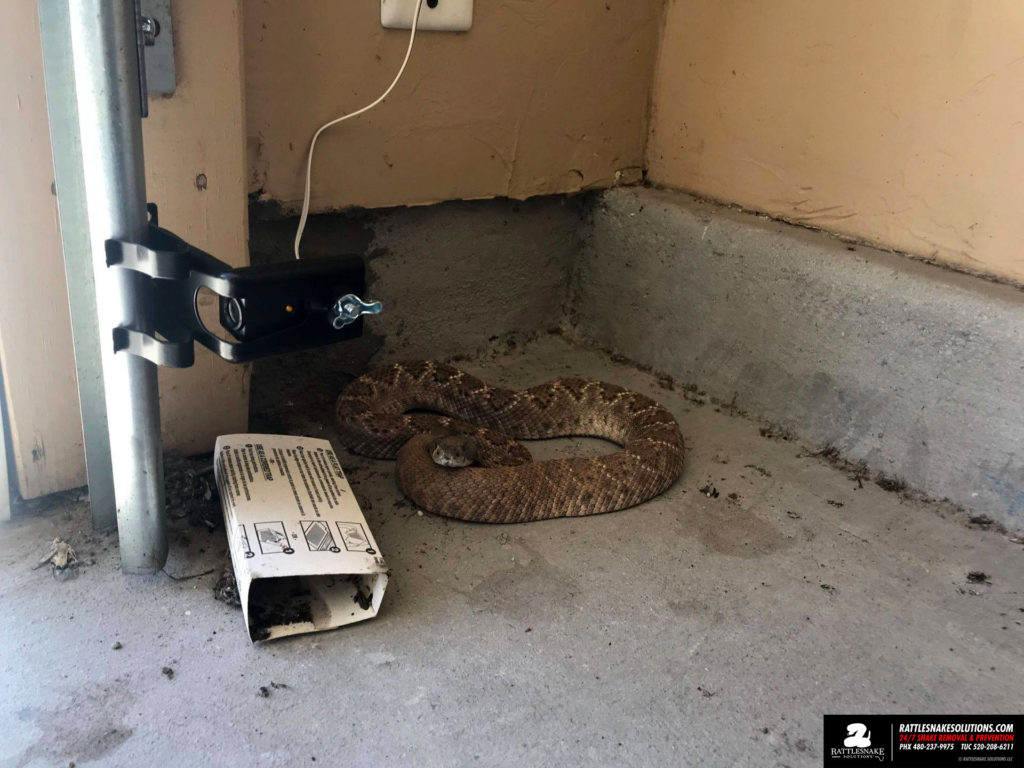
- Rattlesnake: Thick body, rattle on tail, found in many US regions.
- Cottonmouth (Water moccasin): Dark, thick, often near water.
Here’s a simple comparison to help you understand the main differences:
| Snake Type | Color/Pattern | Venomous? | Common Region |
|---|---|---|---|
| Garter Snake | Green/Brown, Stripes | No | North America |
| Rat Snake | Black/Gray | No | Eastern US |
| Copperhead | Tan, Hourglass | Yes | Eastern US |
| Rattlesnake | Brown, Rattle Tail | Yes | US/Canada |
How To Identify A Snake
- Look for color patterns (stripes, spots, solid).
- Check the head shape (triangular heads often mean venomous).
- Notice any rattle on the tail.
- If unsure, take a photo from a safe distance and ask a local wildlife expert.
What To Do If You Find A Snake In Your Garage
Stay calm. Most snakes want to avoid people. Quick movements or loud noises can make them hide or become defensive.
Immediate Steps
- Don’t approach or try to touch the snake.
- Keep pets and children away from the garage.
- Close the garage door to prevent the snake from escaping deeper into your home.
- Observe the snake’s location and appearance for identification.
Removing The Snake Safely
If you are sure the snake is nonvenomous and you feel safe, you can try to remove it yourself. If not, call a professional.
Diy Removal
- Use a broom or long stick to gently guide the snake toward the open door.
- Place a large bucket or container over the snake, then slide cardboard under it, and carry it outside.
- Wear thick gloves for extra safety.
When To Call A Professional
- If you suspect the snake is venomous.
- If you cannot see the whole snake or it’s hiding in clutter.
- If you are uncomfortable or afraid.
Quick Decision Table
Here is a simple guide to decide what to do:
| Situation | Action |
|---|---|
| Small, nonvenomous snake visible | Guide outside or use a container |
| Venomous or unidentified snake | Call animal control/expert |
| Snake hiding or hard to reach | Call professional |
| Multiple snakes or ongoing problem | Professional inspection needed |
How To Prevent Snakes From Entering Your Garage
Prevention is the best way to avoid future snake visits. Most steps are simple and can be done in a few hours.
Seal Entry Points
- Close all gaps under garage doors using weather stripping.
- Fix cracks in walls or foundation with caulk.
- Cover vents and drains with fine wire mesh.
- Close the garage door when not in use.
Remove Food And Shelter
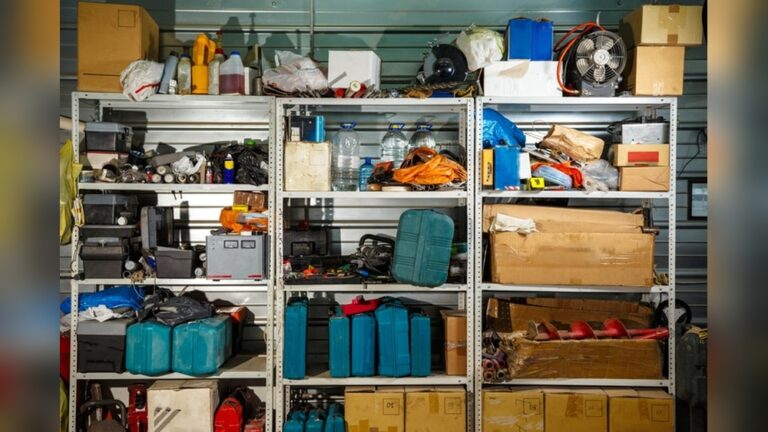
- Store boxes and tools off the floor.
- Clean up rodent nests, droppings, or food spills.
- Keep pet food in sealed containers.
- Remove piles of old clothes, wood, or paper.
Yard Maintenance
- Cut grass and weeds short around the garage.
- Remove debris piles (rocks, wood, leaves) near the walls.
- Trim shrubs and bushes at least 2 feet from the garage.
Use Repellents (with Caution)
- Commercial snake repellents may help, but results are mixed.
- Mothballs are not recommended—they are toxic to pets and people.
- Natural remedies like clove oil or cinnamon oil may help but need regular reapplication.
Prevention Mistakes To Avoid
- Do not use glue traps—they can harm pets and do not always work.
- Avoid blocking water drains completely; use mesh instead.
- Don’t rely only on repellents—physical barriers are more effective.

Credit: www.reddit.com
Common Myths About Snakes In Garages
Many people believe things about snakes that are not true. These myths can lead to fear or bad decisions.
- All snakes are dangerous: Only a small number of US snakes are venomous. Most are harmless.
- Snakes chase people: Snakes might move toward you by accident, but they do not chase humans.
- Killing snakes is best: Removing food and shelter is more effective. Many snakes eat pests and are helpful in nature.
- You can keep snakes away with rope or sulfur: These tricks don’t work. Focus on sealing gaps and cleaning instead.
Real-life Example: A Suburban Home
In Texas, a homeowner found a rat snake curled under bags of potting soil in her garage. She noticed mouse droppings nearby and remembered seeing a gap under the garage door. She wore garden gloves, used a broom to gently guide the snake out, and then installed new weather stripping. After cleaning up old boxes and sealing cracks, she never saw another snake in her garage.
This example shows:
- Rodents attracted the snake.
- A small gap allowed entry.
- Simple cleaning and repairs stopped the problem.
Many people miss that rodent control is as important as sealing entry points. Even a clean garage can attract snakes if there’s easy access and food nearby.
Credit: rattlesnakesolutions.com
When To Seek Medical Help
Most snake encounters do not end in bites. However, you should know when to get help.
- If bitten by a snake and you’re not sure if it’s venomous, call 911 immediately.
- Try to remember the snake’s color and pattern for medical staff.
- Do not try to suck out the venom or cut the wound.
- Keep the bitten limb still and lower than your heart if possible.
The Centers for Disease Control and Prevention (CDC) notes that about 7,000–8,000 people are bitten by venomous snakes each year in the US, but fatalities are rare if treated quickly.
How Professionals Remove Snakes
If you call for help, here’s what usually happens:
- The expert will identify the snake type before entering.
- They use snake tongs or hooks to safely pick up the snake.
- The snake is placed in a secure container and released away from homes.
- The pro may check your garage for nests or entry points and give advice.
Hiring a professional not only keeps you safe but may also help prevent future problems.
Cost Of Snake Removal Services
The price for professional snake removal varies by location and the situation.
- Simple removal (visible, easy access): $100–$200
- Complex removal (hidden snake, repeat visits): $200–$500
- Prevention work (sealing gaps, inspections): Extra cost
Some animal control services may do it for free, especially if the snake is dangerous. Call your local service for exact pricing.
Here’s a quick comparison of costs:
| Service Type | Average Cost |
|---|---|
| Simple Removal | $100–$200 |
| Complex Removal | $200–$500 |
| Prevention/Repairs | $50–$300 |
Costs can go higher in rural areas, or if emergency service is needed.
Extra Tips For Snake Safety
- Keep a flashlight handy for checking dark corners.
- Teach children never to touch or chase snakes.
- Store outdoor shoes and boots inside, not on the garage floor.
- If you live in a high-risk area, keep the number of a local wildlife service handy.

Credit: www.youtube.com
Frequently Asked Questions
What Should I Do First If I See A Snake In My Garage?
Stay calm and keep your distance. Close the garage door to contain the snake and keep pets or kids away. Identify the snake if possible, then decide if you can remove it safely or need to call a professional.
How Can I Tell If A Snake Is Venomous?
Look for a triangular head, vertical pupils, and a rattle on the tail. However, some harmless snakes mimic these signs. If you are not sure, treat the snake as venomous and get expert help.
Will A Snake In The Garage Leave On Its Own?
Sometimes, yes. Snakes may leave if they can’t find food or shelter. However, if there are rodents or hiding places, the snake may stay. It’s best to remove the snake or call for help.
Do Ultrasonic Repellents Really Work For Snakes?
Most studies show ultrasonic devices have little or no effect on snakes. Physical barriers and cleaning are more reliable ways to keep snakes out.
Where Can I Get More Information About Local Snakes?
Contact your local wildlife agency or visit trusted sites like the North Carolina Herpetological Society for detailed guides and photos.
A snake in your garage can be unsettling, but with the right steps, you can handle the situation safely. Understand why snakes come, how to identify them, and use prevention tips to keep them out for good. Stay alert, act calmly, and your garage will be safer for everyone.