
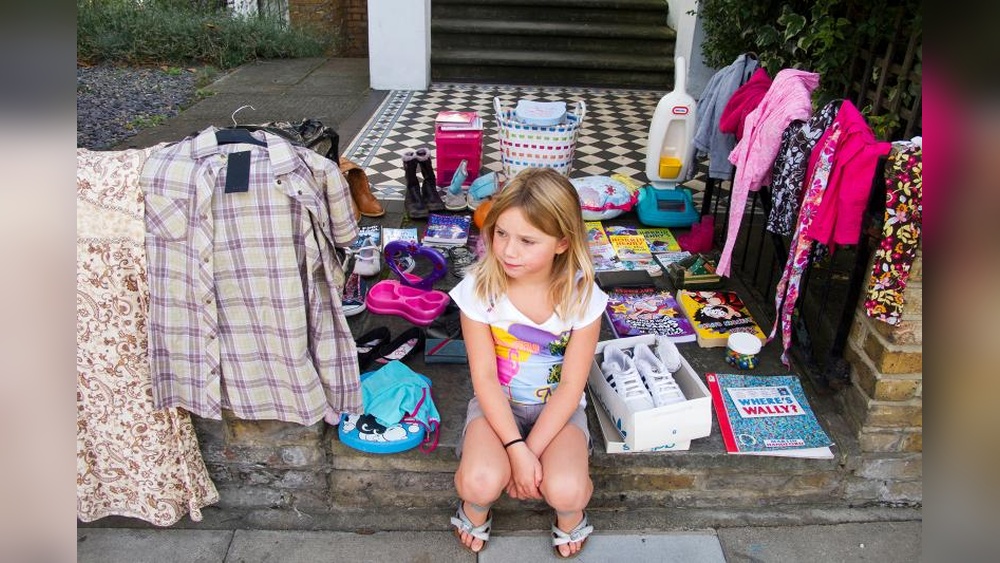
When you plan a garage sale, you want to clear space and make some extra cash. But selling the wrong items can lead to trouble, wasted time, or even legal issues. Many beginners focus only on what they can sell, but knowing what not to sell at a garage sale is just as important. This guide will help you avoid common mistakes, protect your reputation, and make your sale safer and more successful. You’ll discover which items attract buyers—and which ones you should leave off your tables.
Items You Should Not Sell At Garage Sales
Selling the right items can make your garage sale a hit. But selling the wrong items can cause headaches or risk. Here’s what you should avoid:
1. Recalled Products
Never sell recalled items. These are products that have been removed from the market because they are unsafe. For example, children’s toys, electrical appliances, or furniture may be recalled for choking hazards, fire risks, or other dangers.
- The U.S. Consumer Product Safety Commission (CPSC) reports that hundreds of products are recalled every year.
- Selling recalled items is illegal and can result in fines or lawsuits.
Tip: Check your items against the CPSC’s recall list before selling. You can find recalls at their official site.
2. Used Baby Gear
Baby items are popular at garage sales, but many are not safe to sell second-hand.
- Car seats: These can be dangerous if they’ve been in an accident or are expired.
- Cribs: Older cribs may not meet current safety standards and could pose risks.
- Strollers and high chairs: If they are missing parts or have been recalled, avoid selling them.
Data: According to the American Academy of Pediatrics, unsafe cribs and car seats are a leading cause of injury among infants.
Example: A crib made before 2011 may not meet new spacing and hardware rules, making it risky.
3. Mattresses
Selling used mattresses is not recommended.
- Hygiene: Mattresses can carry bed bugs, dust mites, or bacteria.
- Legal issues: Some states ban the sale of used mattresses due to health concerns.
- Buyer trust: Most buyers avoid used mattresses because they can’t verify cleanliness.
Insight: Even if your mattress looks clean, deep cleaning is hard to prove. Buyers will hesitate.
4. Old Electronics
Outdated electronics are tough to sell and may be unsafe.
- TVs, computers, printers: Many contain hazardous materials like lead or mercury.
- Broken or missing parts: These items rarely sell unless they work perfectly.
- E-waste: Electronics are best recycled through proper facilities.
Practical Tip: If you have electronics older than 5 years, recycle them instead of selling.
5. Expired Items
Any product past its expiration date should not be sold.
- Food: Expired food can cause illness.
- Cosmetics: Old makeup or lotions may cause skin reactions.
- Medicines: It’s illegal to sell prescription or over-the-counter drugs at garage sales.
Data: The FDA warns that expired medicines and cosmetics lose effectiveness and can be harmful.
6. Personal Hygiene Items
Used hygiene products are unsanitary and not allowed.
- Toothbrushes, razors, hairbrushes: These can spread germs or infections.
- Opened lotions, shampoos: These lose quality and can harbor bacteria.
Example: A half-used bottle of shampoo is not safe for resale.
7. Underwear And Socks
Even if washed, used underwear and socks are not suitable for resale.
- Hygiene: These items are considered too personal.
- Buyer preference: Most people will not buy second-hand underwear or socks.
Insight: Save your space for more desirable items.
8. Broken Or Damaged Items
Avoid selling anything that is broken, cracked, or missing parts.
- Trust: Selling damaged goods can hurt your reputation.
- Safety: Some broken items can cause injury.
Tip: If an item needs repair, recycle it instead.
9. Hazardous Materials
Garage sales are not a place to sell dangerous chemicals.
- Paint, pesticides, cleaning fluids: These require special disposal.
- Propane tanks, fireworks: These are illegal and unsafe.
Example: Selling old paint cans can lead to environmental fines.
10. Large Appliances
Most buyers avoid large appliances at garage sales.
- Old refrigerators, ovens, washers: These are heavy and hard to test.
- Safety: Some appliances may not meet current safety standards.
Practical Tip: Donate working appliances to local charities instead.
Why Avoid Selling These Items?
Selling the wrong items can bring legal, health, and trust issues. Here’s why it’s important:
- Legal Risk: Some items are banned by law or local regulations.
- Health Concerns: Used items can spread germs, illness, or injury.
- Buyer Trust: If buyers find unsafe or low-quality items, your reputation suffers.
Non-obvious insight: Some buyers secretly test your honesty by asking about product history. Being careful with what you sell builds trust.
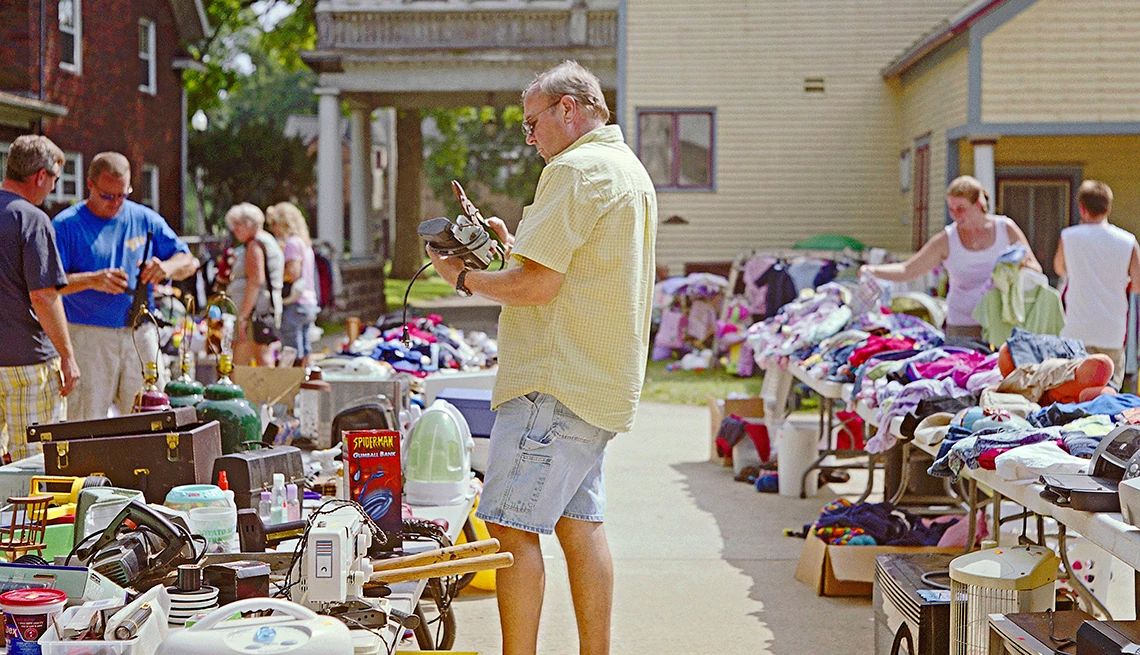
Credit: www.aarp.org
Common Beginner Mistakes
Many first-time sellers make errors that cost them money or cause problems. Avoid these mistakes:
- Not checking recalls: Always check safety and recall status.
- Selling damaged goods: Buyers expect working items.
- Ignoring local laws: Some cities have rules about what can be sold.
- Pricing too high: Broken or risky items should not be priced for resale.
Example: A seller who tries to sell an old car seat can get fined if it’s expired or recalled.
Items Better Donated Than Sold
Some items are better given to charity than sold at a garage sale. This creates goodwill and avoids legal issues.
- Clothing in poor condition: Donate rather than sell.
- Books with missing pages: Local libraries may accept donations.
- Unwanted toys: Charities can clean and repurpose them.
Insight: Donating increases your chances of positive feedback in your community.
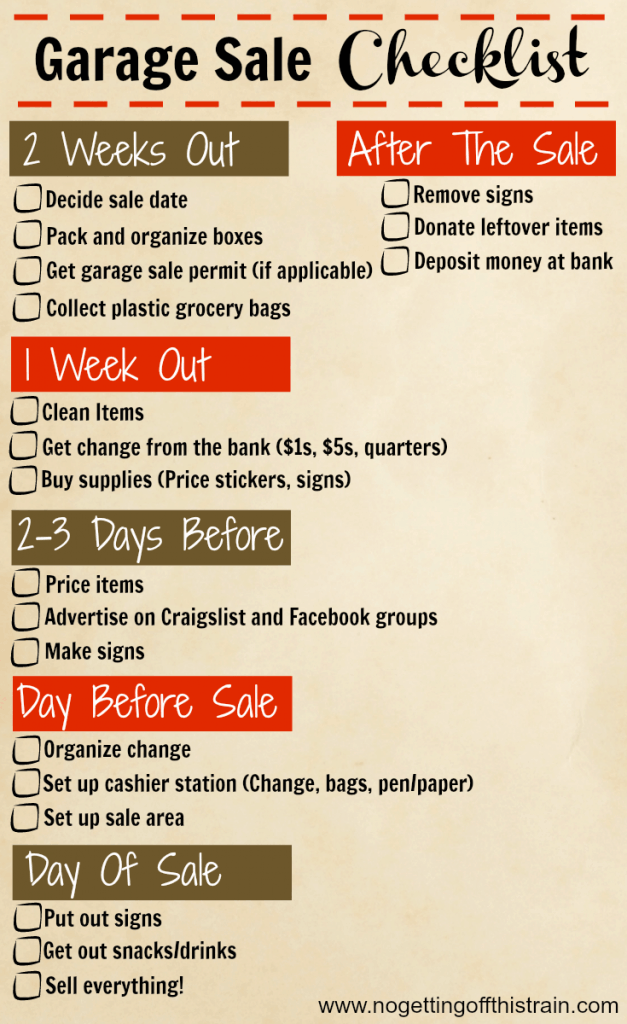
Credit: www.nogettingoffthistrain.com
Comparison: Safe Vs Unsafe Garage Sale Items
Here’s a quick look at which items are safe and unsafe to sell:
| Safe to Sell | Unsafe to Sell |
|---|---|
| Used books | Recalled toys |
| Kitchenware | Old car seats |
| Clothing (outerwear) | Expired food |
| Decor items | Hazardous chemicals |
| Furniture (good condition) | Used mattresses |
Legal And Safety Regulations
Different states and cities have rules about garage sales. Always check:
- Local laws: Some places restrict certain items.
- Health codes: Used mattresses, hygiene products, or food may be banned.
- Permit requirements: Some cities require a permit to hold a garage sale.
Tip: Visit your city’s official website or contact local government for rules.
How To Check If An Item Is Safe To Sell
Before selling any item, follow these steps:
- Check recall lists: Use sites like the CPSC.
- Inspect for damage: Only sell items in good condition.
- Confirm expiration dates: Never sell expired products.
- Ask about local rules: Each area is different.
Non-obvious insight: Sometimes, items look safe but are banned due to hidden risks. Always double-check.
What Buyers Look For
Buyers come to garage sales for bargains and unique finds. They avoid risky items. Here’s what attracts them:
- Clean, working items: Electronics, tools, kitchenware.
- Non-personal items: Decor, books, games.
- Quality clothing: Jackets, dresses, shoes.
Data: Surveys show over 60% of buyers are looking for household goods or children’s items in good condition.
Example: A clean blender, tested before selling, is more likely to sell than an old, untested one.
Comparison: Garage Sale Vs Online Marketplace
Some items are better sold online than at a garage sale. Here’s a comparison:
| Garage Sale | Online Marketplace |
|---|---|
| Low-priced, bulky items | Specialty collectibles |
| Quick sales | Wider audience |
| Cash transactions | Secure payments |
| Local buyers | Shipping options |
Tip: If you have rare or valuable items, consider selling them online for higher prices.
Practical Tips To Make Your Garage Sale Safe And Successful
Follow these steps for a better experience:
- Clean items: Make sure everything is wiped down and presentable.
- Test electronics: Show buyers that items work.
- Group similar items: Make shopping easier for buyers.
- Post clear signs: Help buyers find your sale and know your rules.
Example: A garage sale with organized tables and clear signs sells more than a messy, confusing sale.
Credit: thoughtstipsandtales.com
Where To Find More Information
If you need more details about recalls or regulations, visit official sources. For example, the CPSC website offers updated recall lists and safety tips. You can access it here: CPSC Official Site.
Frequently Asked Questions
What Happens If I Accidentally Sell A Recalled Item?
If you sell a recalled item, you could face legal consequences. The buyer can report you, and you might have to pay fines or deal with lawsuits. Always check recall lists before selling.
Can I Sell Used Baby Items At A Garage Sale?
It’s risky to sell used baby items. Car seats, cribs, and strollers are often subject to recalls or safety standards. Unless you can prove the item is safe, it’s best not to sell it.
Is It Okay To Sell Old Electronics?
Selling old electronics is not recommended unless they work and are safe. Many buyers avoid outdated tech, and recycling is a better option for broken or obsolete items.
Are Used Clothes Allowed At Garage Sales?
You can sell used clothes like jackets, jeans, or dresses. Avoid selling underwear, socks, or anything too personal. Make sure all clothing is clean and in good condition.
Do I Need A Permit To Hold A Garage Sale?
Some cities require a garage sale permit. Check your local regulations before advertising your sale. Permits help prevent fines and keep your event legal.
Knowing what not to sell at a garage sale will help you run a safer, more successful event. Make smart choices, follow local rules, and focus on quality items. This protects buyers and sellers alike, and leaves you with more satisfied customers and a better reputation in your neighborhood.