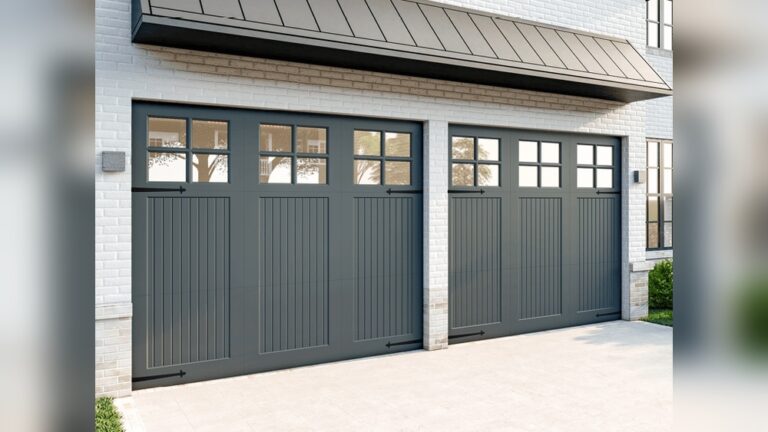

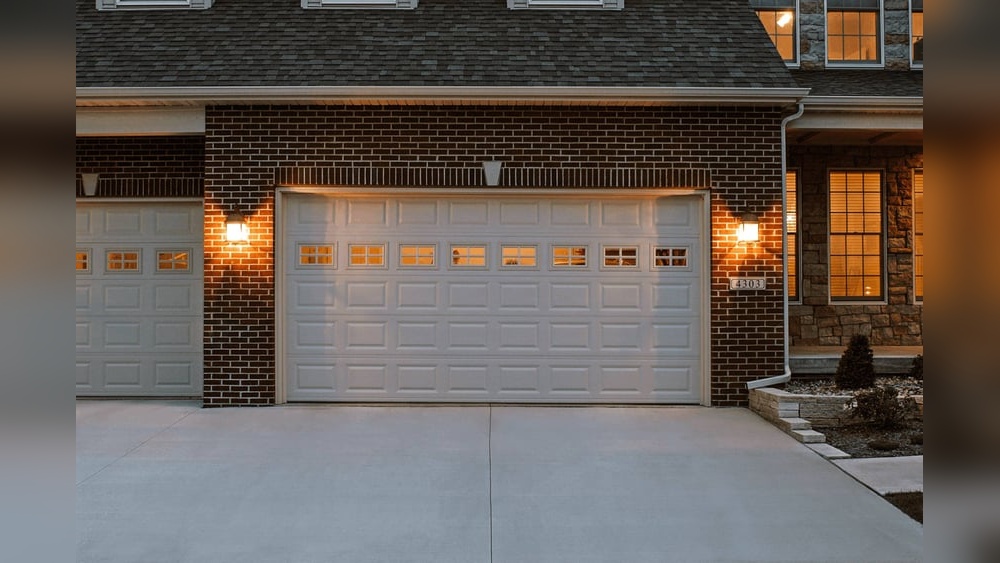
What Is A Garage Door Made Of?
A garage door is more than just an entrance for your car. It protects your home, adds style, and affects safety and energy savings. Many people do not realize how much thought goes into choosing the right material for a garage door.
From the outside, most garage doors look similar. But inside, the materials and construction can be very different.
Choosing the right garage door starts with understanding what it is made of. Each material has its own strengths, weaknesses, and price. Your choice impacts how long the door lasts, how easy it is to care for, and how safe your garage will be.
In this article, you will learn about the most common materials, how they compare, and what to think about before buying a new garage door.
Main Materials Used For Garage Doors
Garage doors are made from several main materials. Each one has unique features.
Steel
Steel is the most popular material for modern garage doors. It offers a good balance of strength, price, and looks.
- Durability: Steel is strong and resists damage from bumps or kicks.
- Security: It provides good protection against break-ins.
- Maintenance: Steel does not rot or warp, but it can rust if scratched.
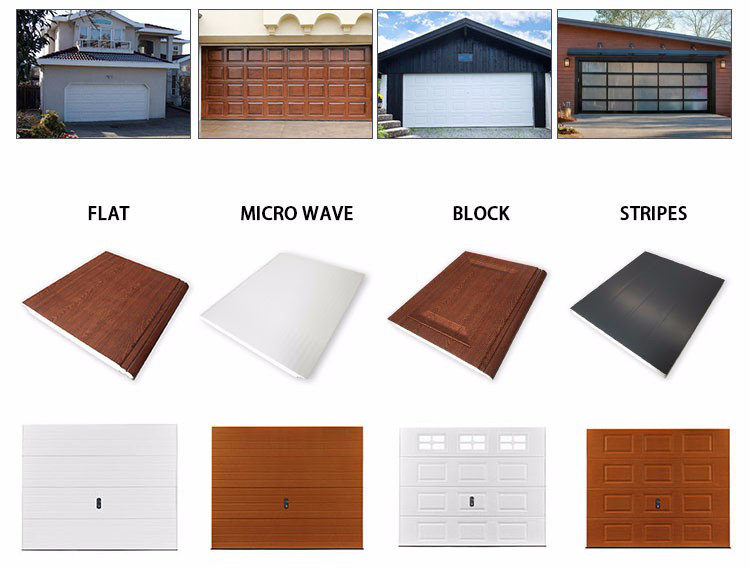
- Design: It can be painted or have textured finishes, like wood grain.
Most steel garage doors use layers. A single-layer door is just steel. Double- or triple-layer doors have insulation between steel sheets for better energy savings.
Example: A typical steel door is 24-gauge steel. Thicker steel (lower gauge number) means more strength but higher cost.
Wood
Wood was the classic garage door material for many years. It is chosen for its beauty and warmth.
- Aesthetic: Wood offers a rich, natural look.
- Customization: It can be shaped into many designs and stained in different colors.
- Insulation: Solid wood can keep garages warmer than thin steel.
- Maintenance: Needs painting or sealing every few years to prevent rot, warping, or insect damage.
Common woods used are cedar, redwood, and plywood with a hardwood face.
Insight: Beginners often forget that wood doors are heavy and need strong openers and hardware.
Aluminum
Aluminum garage doors are light and modern.
- Weight: Easy to lift; less strain on garage door openers.
- Rust Resistance: Does not rust, making it good for humid or coastal areas.
- Customization: Can be made with glass panels for a stylish look.
- Strength: Softer than steel, so dents more easily.
Some aluminum doors combine an aluminum frame with glass inserts.
Fiberglass
Fiberglass is used less often but has special benefits.
- Durability: Resists dents and does not rust.
- Maintenance: Needs little care. Does not warp or crack easily.
- Design: Can be made to look like wood.
- Insulation: Usually has a foam core, which improves energy savings.
Fiberglass doors can fade or turn yellow in strong sunlight over many years.
Vinyl
Vinyl garage doors are newer and designed to last.
- Toughness: Hard to dent or break.
- Weatherproof: Does not rust, rot, or fade.
- Care: Only needs washing with soap and water.
- Insulation: Often built with insulation inside.
Vinyl doors are a smart choice for families because they can withstand kids’ play and bad weather.
Comparison: Key Material Features
Understanding differences between materials helps you choose wisely. This table shows how common garage door materials compare:
| Material | Durability | Maintenance | Price | Insulation | Design Options |
|---|---|---|---|---|---|
| Steel | High | Low | $$ | Good (if insulated) | Many |
| Wood | Medium | High | $$$ | Good | Excellent |
| Aluminum | Medium | Low | $$ | Fair | Modern |
| Fiberglass | Medium | Low | $$ | Good | Wood-like |
| Vinyl | High | Low | $$$ | Good | Limited |
Non-obvious tip: Many beginners think “low price” always means “low quality.” But well-made steel doors can last as long as wood or vinyl if cared for properly.
Layers And Construction
A garage door is not just one solid piece. Most are made with layers to improve strength and energy efficiency.
Single-layer
- One sheet of material (usually steel or wood)
- Least expensive
- Lightest weight
- Poor insulation
Double-layer
- Outer layer (steel, wood, fiberglass, or vinyl)
- Inner layer (insulation, often polystyrene foam)
- Stronger and quieter than single-layer
Triple-layer
- Outer layer (steel or other material)
- Middle layer (thick insulation, often polyurethane)
- Inner layer (another sheet of steel or vinyl)
- Best for energy savings and noise control
Example: In cold climates, a triple-layer door keeps garages up to 20°F warmer than single-layer doors in winter.
Insulation: Why It Matters
Many people ignore insulation, but it can make a big difference. Insulation in garage doors is measured by R-value. Higher R-value means better insulation.
Benefits of insulated garage doors:
- Saves energy: Less heat escapes in winter or enters in summer
- Reduces noise: Quieter operation and less outside sound
- Stronger door: Insulation adds stiffness and protects against dents
Non-obvious insight: If your garage is attached to your house, a well-insulated door can lower your energy bills.
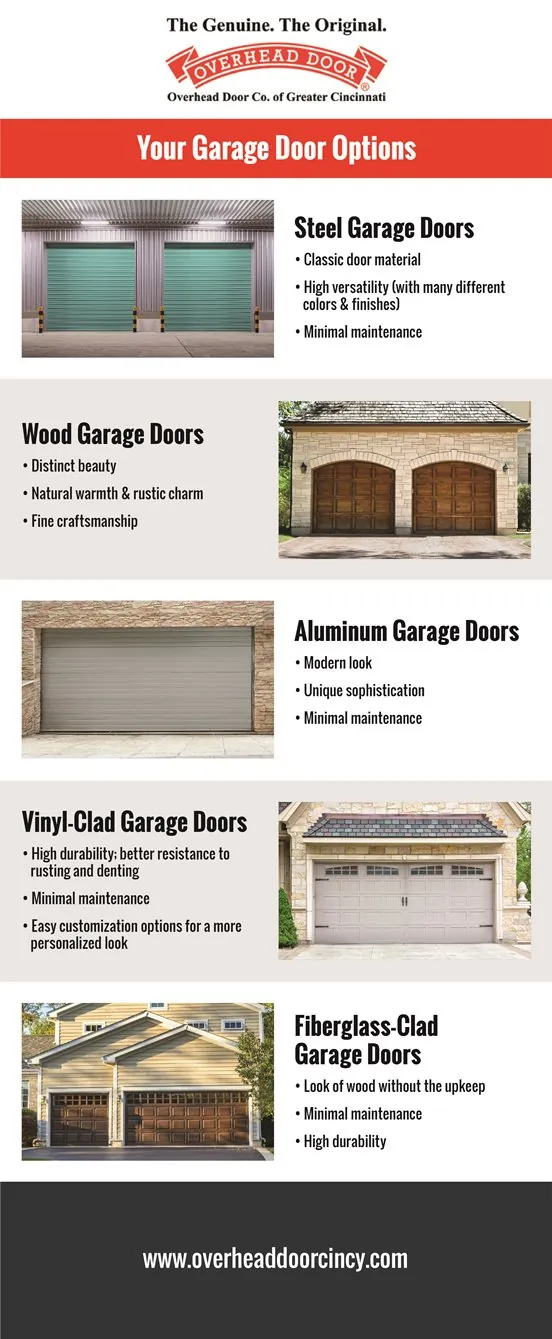
Credit: www.overheaddoorcincy.com
Hardware Components
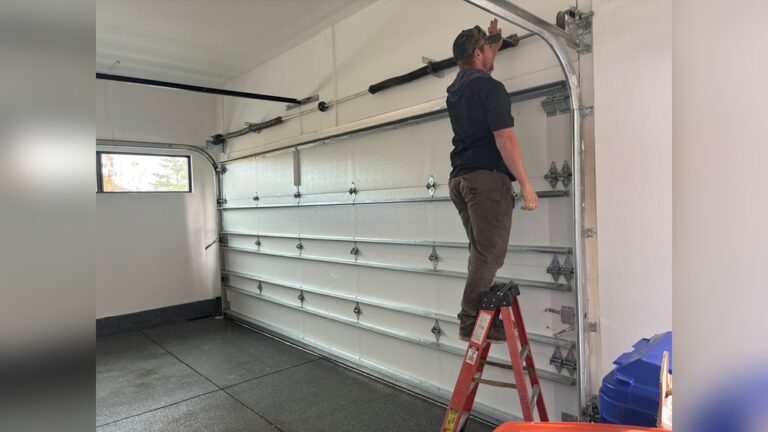
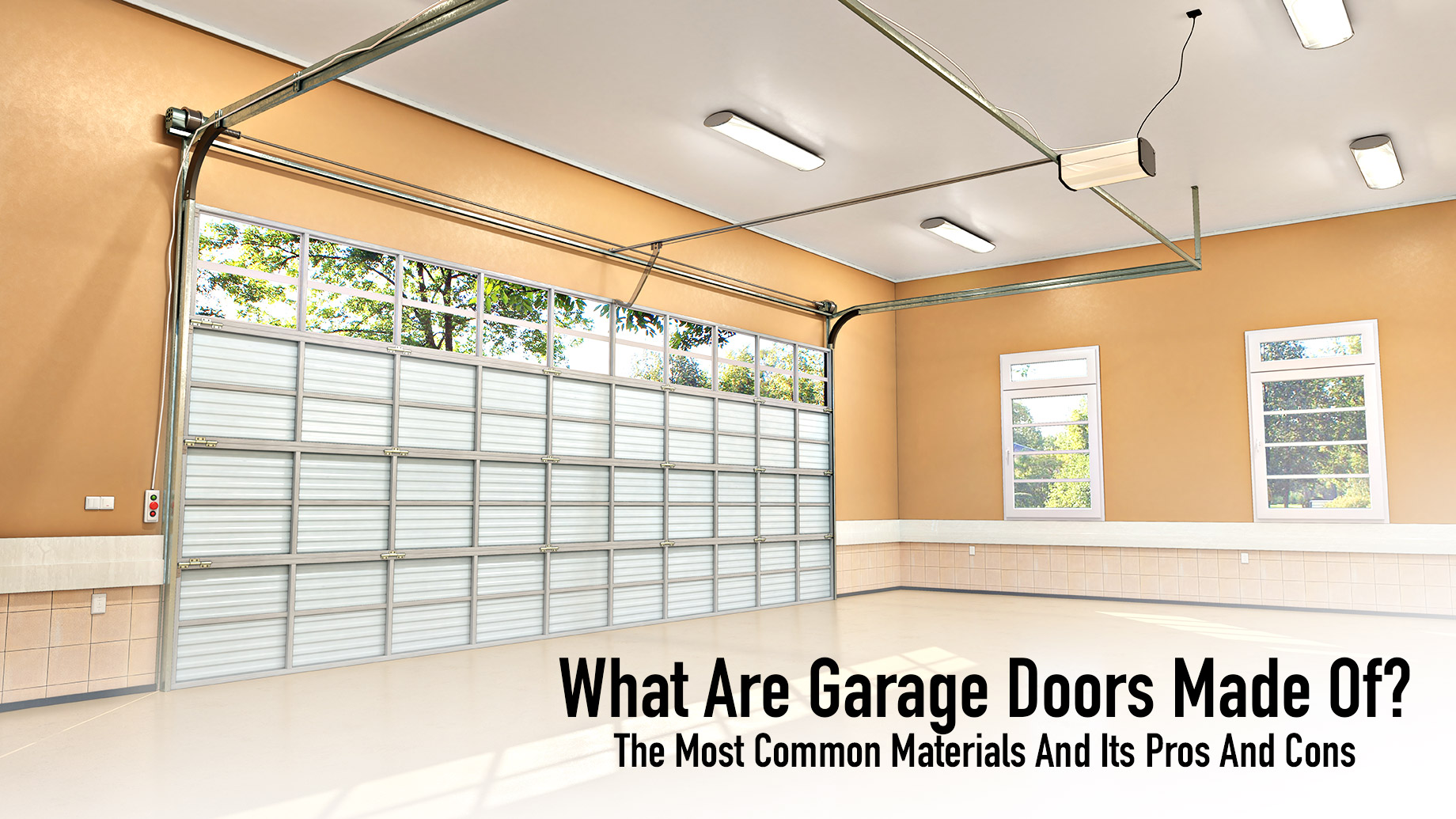
A garage door is more than panels. It has many small parts that help it open, close, and stay safe.
Tracks And Rollers
- Made from galvanized steel for rust resistance
- Guide the door as it moves up and down
Springs
- Torsion springs sit above the door, balancing its weight
- Extension springs run along the sides, stretching as the door moves
Hinges And Brackets
- Join the door sections
- Usually made from zinc-coated steel for durability
Weather Seals
- Rubber or vinyl strips along the bottom and sides
- Keep rain, dust, and pests out
Practical tip: If you live in a windy area, look for doors with extra bracing and strong hardware.
Windows And Decorative Options
Windows are often added to garage doors for light and style. Most use tempered glass or acrylic for safety.
- Clear glass: Lets in the most light
- Frosted glass: Gives privacy but still brightens the garage
- Tinted glass: Reduces glare and adds a modern look
Decorative hardware such as handles and hinges is usually made from powder-coated steel or iron for a classic touch.
Popular Garage Door Styles
Material affects style. Here are common garage door styles:
- Sectional doors: Made of panel sections, open by rising vertically. Most common in the US.
- Roll-up doors: Slats roll into a coil above the door. Used in commercial spaces or small garages.
- Swing-out carriage doors: Open outward like old barn doors, usually made of wood or steel.
- Slide-to-the-side doors: Slide along tracks parallel to the garage wall.
Example: If you want a traditional look, choose wood carriage doors. For modern homes, aluminum and glass doors are popular.
Real-world Data: Material Lifespan And Cost
How long a garage door lasts depends on material, care, and climate. Here is a summary:
| Material | Average Lifespan | Typical Cost (Installed) |
|---|---|---|
| Steel | 15-20 years | $700 – $2,000 |
| Wood | 10-15 years | $1,200 – $4,000 |
| Aluminum | 15-20 years | $900 – $2,500 |
| Fiberglass | 15-20 years | $1,200 – $2,500 |
| Vinyl | 20-30 years | $1,500 – $3,500 |
Fact: The most affordable doors are single-layer steel, but they may not last as long as insulated or premium doors.
Factors To Consider When Choosing Material
When picking a garage door, think about:
- Climate: Humid or coastal areas need rustproof materials like aluminum or vinyl.
- Security needs: Steel is best if break-in protection is important.
- Home style: Choose a material that matches your house’s design.
- Budget: Balance upfront price with long-term maintenance and lifespan.
- Insulation: If your garage is heated or used as a workshop, pick a well-insulated door.
Expert guidance: Avoid buying the cheapest door just to save money. Poor-quality materials can lead to higher repair or replacement costs later.
Sustainability And Eco-friendly Options
Some people want garage doors that are better for the environment.
- Recycled steel: Many steel doors use recycled content.
- Wood certified by the Forest Stewardship Council (FSC): Ensures the wood is harvested sustainably.
- Insulation: Some doors use eco-friendly foam or recycled materials.
Insight: Fiberglass and vinyl are less eco-friendly because they are hard to recycle. Steel and wood have better options for recycling at the end of their life.
Credit: www.brdecomy.com
Common Beginner Mistakes
- Ignoring climate needs: Not all materials work well in all areas.
- Choosing style over strength: Some doors look good but are not secure or durable.
- Skipping insulation: Especially important if the garage is attached to the house.
- Not checking hardware quality: Cheap hardware can fail, causing accidents.
- Forgetting about maintenance: Wood looks great but needs regular care.
Frequently Asked Questions
What Is The Best Material For A Garage Door?
The best material depends on your needs. Steel is the most popular for its strength and low maintenance. Vinyl is great for families with kids. Wood offers the best look but needs more care. Aluminum is ideal for modern homes or coastal climates.
Do Garage Doors Need Insulation?
If your garage is attached to your house or used for living or working, insulation is a smart choice. It helps keep temperatures stable and lowers energy bills.
How Long Do Garage Doors Last?
A good garage door lasts 15 to 30 years. Steel and vinyl doors usually last longer. Wood doors need more care but can also last if maintained well.
What Is The Safest Garage Door Material?
Steel doors offer the most security against break-ins. Make sure the door is installed with strong hardware and good locks.
Where Can I Learn More About Garage Door Materials?
You can find more details at the Wikipedia Garage Door page for an in-depth overview of types and materials.
A garage door is a big investment, but knowing what it is made of helps you make a smart, long-lasting choice. Whether you want style, strength, or easy care, there is a garage door material that fits your needs.
Credit: www.thepinnaclelist.com