
Garage Door Repair: A Complete Beginner’s Guide
A garage door is more than just an entry point for your car. It protects your home, adds curb appeal, and provides daily convenience. But like any moving part, garage doors can wear out, break, or simply stop working. When this happens, many homeowners feel worried or confused. The good news is that most problems can be fixed, and some are easier than you think.
This guide explains everything you need to know about garage door repair. You’ll learn about common issues, what you can fix yourself, and when it’s time to call a professional. By the end, you’ll have the confidence to handle basic repairs and make smart decisions about your garage door.
How Garage Doors Work
Before you fix a problem, it’s helpful to understand the basics of how a garage door works.
- Panels: The large sections that make up the door’s surface.
- Springs: These help lift the heavy door. There are two main types: torsion and extension.
- Tracks and rollers: These guide the door as it opens and closes.
- Opener: The motor that moves the door up and down, usually controlled by a remote.
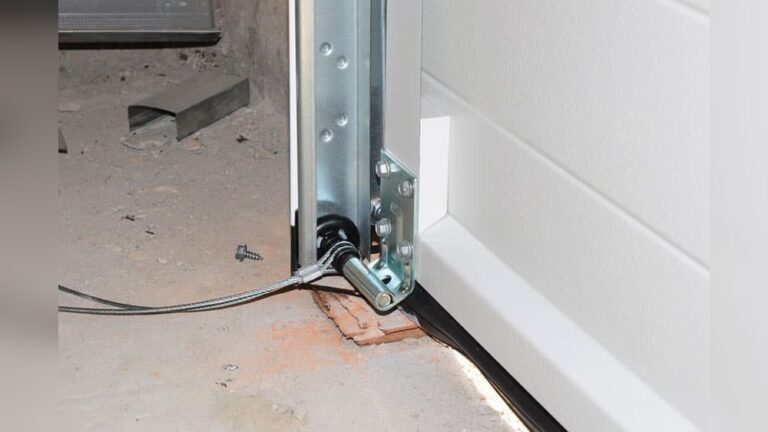
- Cables: Steel wires that help lift and lower the door.
- Safety sensors: Keep the door from closing if something is in the way.
Most garage doors use a combination of these parts. If one part fails, the whole system can have problems.
Common Garage Door Problems
Many issues are easy to spot, but some need a closer look. Here are the most frequent problems homeowners face:
- Door won’t open or close
- The opener may have no power.
- Safety sensors could be blocked or dirty.
- Springs or cables might be broken.
- Noisy operation
- Worn rollers or loose hardware can cause squeaks and grinding sounds.
- Lack of lubrication often makes the noise worse.
- Door moves unevenly
- Tracks may be bent or blocked.
- Rollers might be stuck.
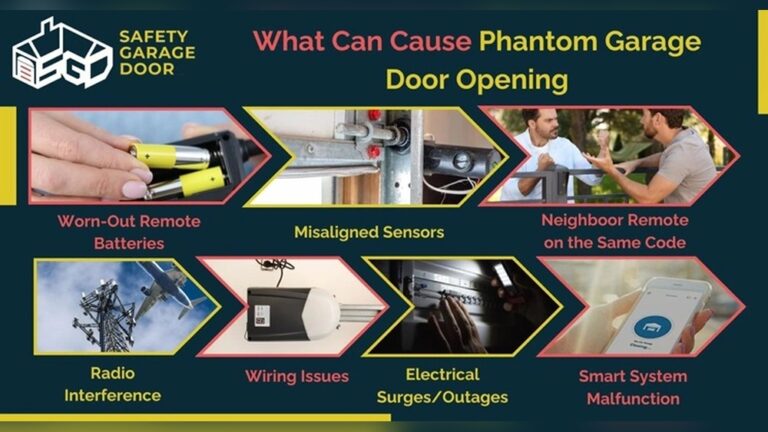
- Remote control not working
- Dead batteries are the most common cause.
- The remote may need to be reprogrammed.
- Broken springs
- This is a serious issue. The door may feel very heavy or not move at all.
- Door closes then reopens
- Sensors may be out of alignment.
- Something may be blocking the sensors.
Many of these problems have simple solutions, but some need special tools or skills.
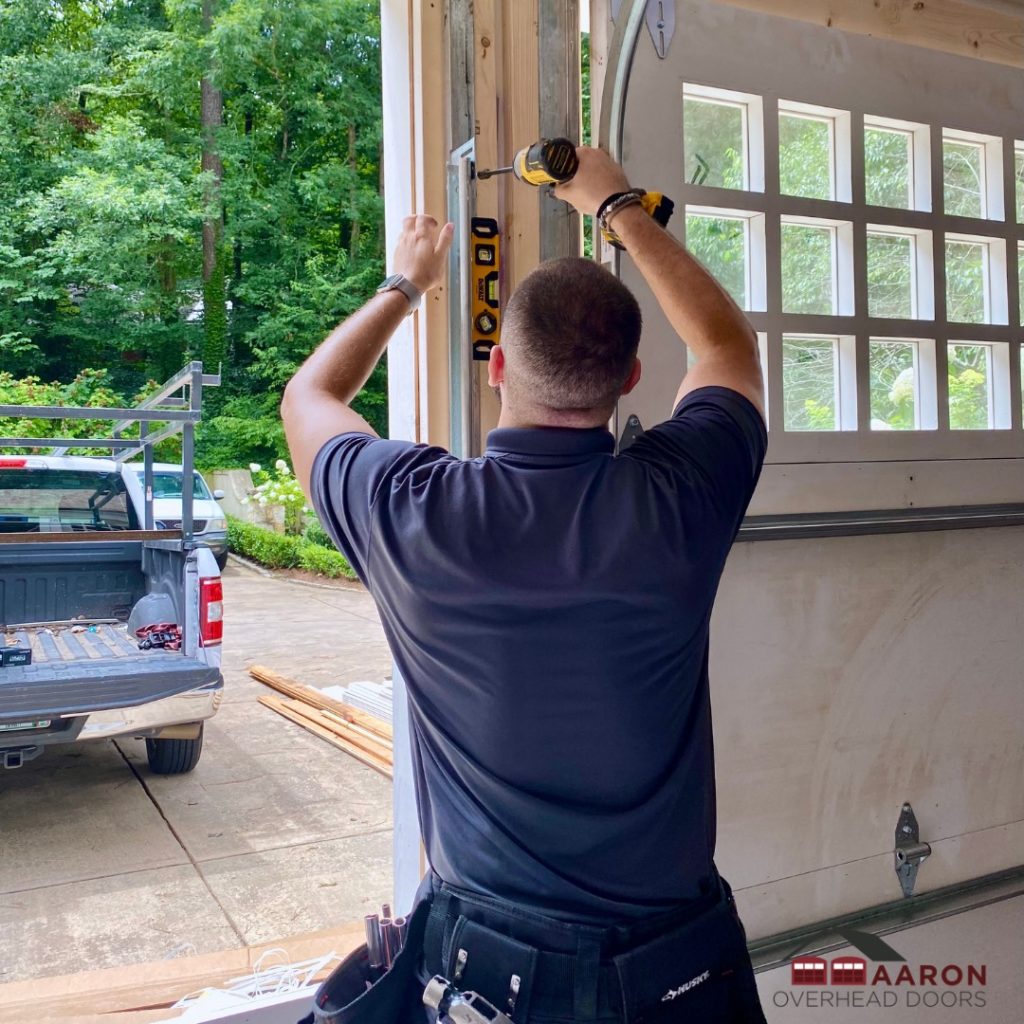
Credit: aaronoverheaddoors.com
Diy Garage Door Repairs
If you’re handy and careful, you can fix many garage door issues yourself. Here are some common repairs you can try:
Replacing Remote Batteries
This is the simplest fix. If your remote won’t work, replace the batteries first. Most remotes use small coin batteries, which are cheap and easy to find.
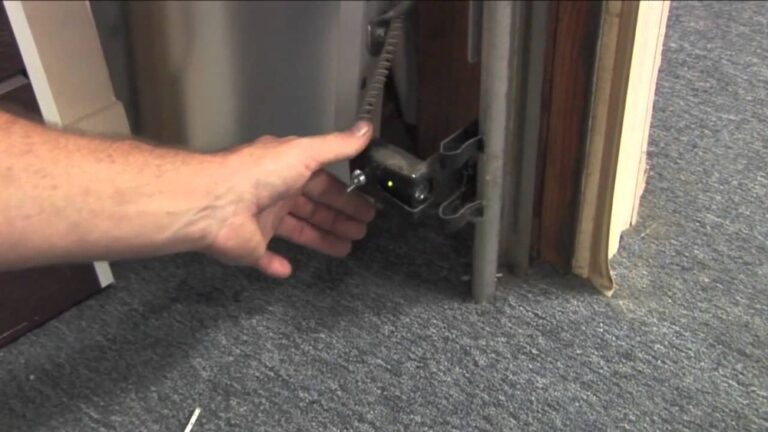
Cleaning And Aligning Safety Sensors
Dirty or misaligned sensors can stop your door from closing. Here’s how to fix them:
- Wipe the sensor lenses with a clean, dry cloth.
- Check that both sensors are pointing at each other.
- Make small adjustments until the indicator lights stay solid (not blinking).
Lubricating Moving Parts
Proper lubrication keeps the door quiet and smooth. Use a garage door lubricant (not WD-40) on:
- Rollers
- Hinges
- Tracks (lightly)
- Springs
Do this every six months for best results.
Tightening Hardware
Garage doors vibrate as they move, which can loosen bolts and screws. Use a wrench or socket set to tighten:
- Track brackets
- Roller brackets
- Hinges
Don’t overtighten, but make sure everything feels secure.
Resetting The Opener
If your opener is acting strange, try resetting it:
- Unplug the opener for 30 seconds, then plug it back in.
- Press the “learn” button (usually on the back of the unit) to reprogram remotes.
When To Avoid Diy Repairs
Some repairs are dangerous and should be left to professionals, especially:
- Spring replacement: Springs are under high tension and can cause serious injury.
- Cable repair: Cables support the door’s weight and can snap suddenly.
- Opener motor issues: Complex motors need special knowledge.
Professional Garage Door Repair
Sometimes, you need an expert. Professional repair has several benefits:
- Safety: Experts have the right tools and training.
- Speed: Most repairs take less than an hour.
- Guarantee: Work is usually covered by a warranty.
How Much Does Garage Door Repair Cost?
Prices vary depending on the problem and your location. Here’s a quick comparison:
| Repair Type | DIY Cost (Parts Only) | Pro Cost (Parts + Labor) |
|---|---|---|
| Spring Replacement | $30–$80 | $150–$350 |
| Opener Repair | $20–$50 | $100–$300 |
| Sensor Realignment | Free–$20 | $75–$150 |
| Roller Replacement | $10–$30 | $80–$120 |
*Note: These are average US prices. Actual costs may differ in your area.*
How To Choose A Garage Door Repair Service
Selecting the right company makes a big difference. Here’s what to look for:
- Licensing and insurance: Make sure the company is legal and insured.
- Experience: Look for technicians with at least 3 years of experience.
- Clear pricing: Get written estimates before work starts.
- Warranty: Good companies offer at least a 1-year warranty on parts and labor.
- Reviews: Check online reviews on Google or Yelp.
Avoid companies that pressure you or offer prices much lower than others. Scams are common in this industry.
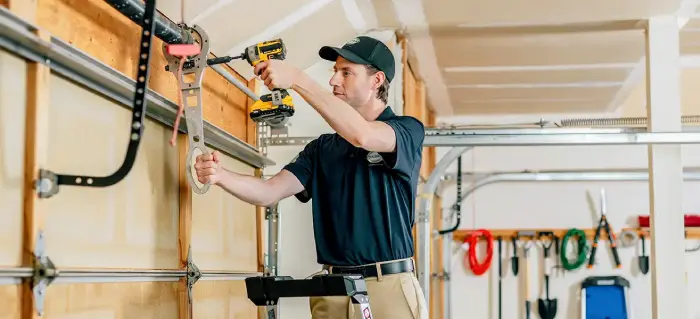
Credit: www.precisiondoor.net
Preventing Garage Door Problems
Regular maintenance can prevent most garage door issues. Here’s how you can keep your door working well:
- Inspect monthly: Look for loose bolts, worn parts, or frayed cables.
- Lubricate parts: Apply garage door lubricant every six months.
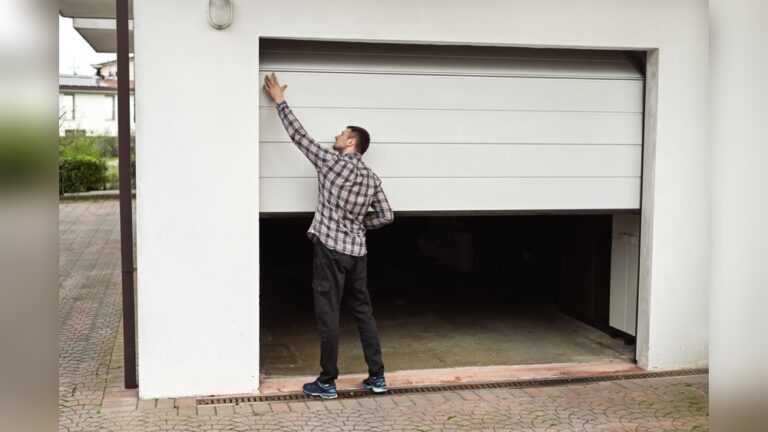
- Test the balance: Disconnect the opener and lift the door by hand. It should stay halfway up. If not, the springs may need adjustment.
- Clean tracks: Wipe away dirt and debris from the tracks.
- Check sensors: Make sure nothing blocks the safety sensors.
These small steps save money and reduce the chance of sudden breakdowns.
When To Repair Vs. Replace
Sometimes, repair is not enough. Here’s how to decide:
| Situation | Repair | Replace |
|---|---|---|
| Minor dents, scratches | ✔️ | |
| Broken springs or cables | ✔️ | |
| Multiple panels damaged | ✔️ | |
| Very old door (20+ years) | ✔️ | |
| Poor insulation, high energy bills | ✔️ |
Non-obvious insight: If your garage door is noisy and repairs don’t fix it, the problem may be with the opener type. Chain-driven openers are louder than belt-driven ones. Upgrading the opener can solve noise issues better than repeated repairs.
Another point: Many homeowners forget to check the weatherstripping at the bottom of the door. Damaged weatherstripping lets in water, bugs, and cold air. Replacing it is cheap and boosts comfort.
Common Mistakes Homeowners Make
Even with good intentions, mistakes happen. Watch out for these:
- Using the wrong lubricant: Only use products made for garage doors. WD-40 is not ideal—it can attract dust.
- Ignoring small noises: Squeaks or grinding sounds mean something needs attention.
- DIY spring replacement: This is very risky. Springs can cause injury.
- Not testing safety sensors: Always check that sensors work after any repair.
- Hiring unlicensed repair services: Unlicensed workers may do poor work or create new problems.
Real-life Example
Let’s consider a typical situation. Sarah notices her garage door is making a grinding sound and sometimes stops halfway. She tries lubricating the rollers, but the noise continues. She checks the tracks and finds a small dent. After straightening the track with a rubber mallet and lubricating again, the door works smoothly.
This example shows the value of inspecting and maintaining your door. Small actions can prevent bigger, more expensive repairs.
How Long Do Garage Door Parts Last?
Knowing when parts may fail helps you plan ahead. Here’s a general guide:
| Part | Average Lifespan |
|---|---|
| Springs | 7–9 years (10,000 cycles) |
| Opener | 10–15 years |
| Rollers | 5–7 years |
| Panels | 20+ years |
| Weatherstripping | 2–4 years |
A “cycle” means one opening and closing of the door. If you use your garage as the main entrance, your parts may wear out faster.
Eco-friendly Garage Door Tips
If you’re thinking about repairs or upgrades, consider the environment:
- Insulated doors reduce energy use and keep your garage comfortable.
- LED opener lights last longer and use less power.
- Recycled materials: Some new doors use recycled steel or aluminum.
These changes can cut your energy bills and help the planet.
Credit: raynor.com
Frequently Asked Questions
How Do I Know If My Garage Door Spring Is Broken?
If your door is very heavy or does not open at all, the spring may be broken. You might also hear a loud bang when it snaps. Do not try to fix springs yourself—call a pro.
Why Does My Garage Door Reverse After Closing?
This usually means the safety sensors are blocked or misaligned. Check for dirt, objects in the way, or sensors that are not facing each other.
How Often Should I Lubricate My Garage Door?
Lubricate all moving parts every six months for best performance. Use a special garage door lubricant, not household oil.
Can I Replace Just One Panel Of My Garage Door?
Yes, you can replace a single panel if it’s damaged and the rest of the door is in good shape. This is usually cheaper than replacing the whole door.
Where Can I Find Reliable Information About Garage Door Repair?
You can find trusted details from the Wikipedia Garage Door page or ask local repair experts.
A well-maintained garage door works better, lasts longer, and keeps your home secure. By understanding the basics, tackling simple repairs, and knowing when to call for help, you save money and avoid stress. With regular checks and small fixes, you’ll keep your garage door running smoothly for years.