
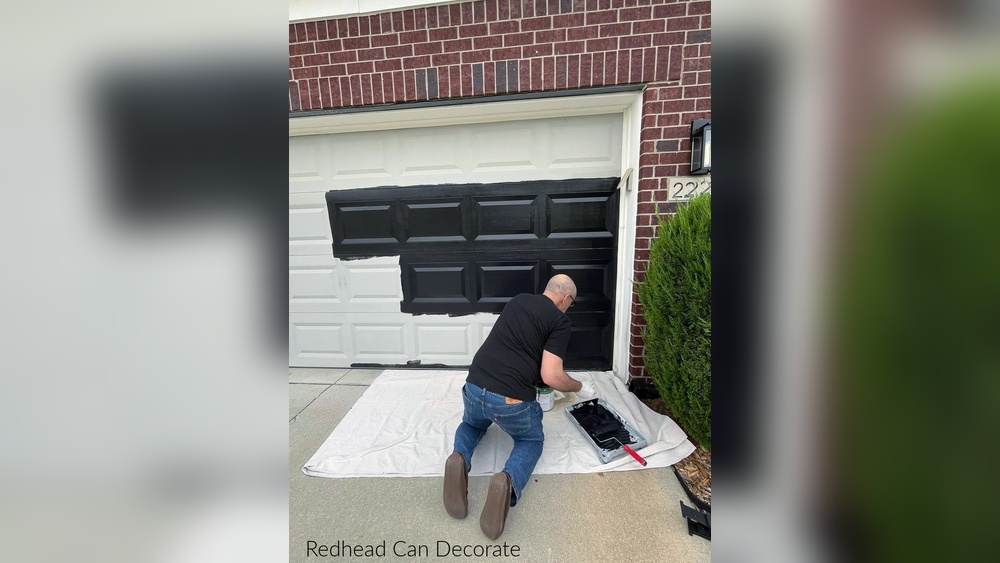
Painting your garage door is one of the easiest ways to improve your home’s curb appeal. Many homeowners ignore this part of their house, but a fresh coat of paint can make a big difference. Whether your garage door is steel, wood, or aluminum, a quality paint job protects it from weather and rust.
This guide will help beginners learn exactly how to paint a garage door, with simple steps and real examples. You’ll also discover mistakes to avoid, how to choose the right materials, and tips for lasting results.
Why Paint Your Garage Door?
A garage door is often the largest moving part of your home’s exterior. Over time, sunlight, rain, and wind can make the paint fade or peel. Painting your garage door gives these benefits:
- Better appearance: A new color or fresh paint makes your home look newer and cleaner.
- Protection: Paint acts as a shield against rust, moisture, and UV damage.
- Value: Homes with clean, painted garage doors often have higher resale values.
For example, a study by Zillow found homes with updated exteriors, including garage doors, sold for up to 5% more than similar homes.
Tools And Materials You’ll Need
Before you start, gather all the supplies. The right tools make the job easier and the results better.
Essentials:
- Exterior paint (for metal or wood)
- Primer (especially for bare wood or metal)
- Paintbrushes (2–3 inch for details)
- Paint roller (small foam roller for panels)
- Painter’s tape
- Sandpaper (medium and fine grit)
- Drop cloths or plastic sheeting
- Bucket and mild soap
- Sponge
- Screwdriver (if removing hardware)
- Ladder (if your door is tall)
- Mask and gloves (for safety)
Paint Quantity Example:
| Garage Door Size | Paint Needed (1 coat) |
|---|---|
| Single (8×7 ft) | 1 quart |
| Double (16×7 ft) | 2 quarts |
For best results, plan for two coats, especially if you are changing the color.
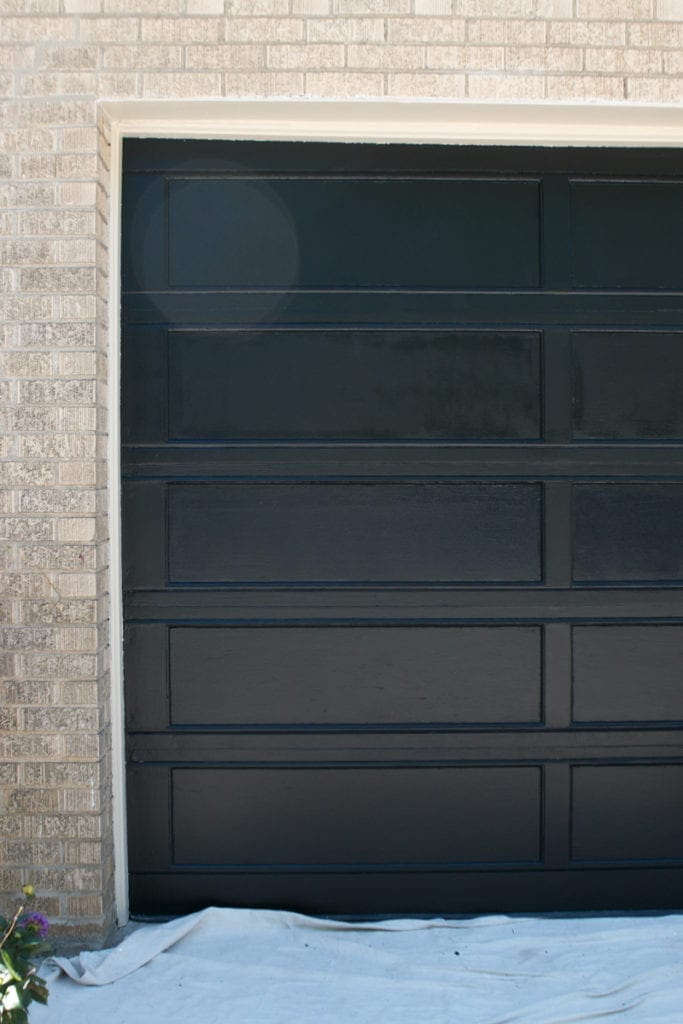
Credit: thediyplaybook.com
Choosing The Right Paint And Primer
Not all paints are the same. Choosing the right type ensures your garage door looks good for years.
- For metal doors: Use exterior acrylic latex paint. It resists rust and sun damage.
- For wood doors: Use exterior latex or oil-based paint. Wood needs more protection from moisture.
- For aluminum doors: Acrylic latex works best. Avoid oil-based paints, which may peel.
Primer Tips:
- Use a rust-inhibiting primer for metal.
- For bare wood, use a wood primer.
- If repainting a dark color with a lighter one, a gray-tinted primer helps cover the old color.
Paint Finish Comparison:
| Finish Type | Shine Level | Durability | Best For |
|---|---|---|---|
| Flat/Matte | Low | Low | Not recommended |
| Satin | Medium | Good | General use |
| Semi-gloss | Medium-high | Very Good | Garage doors |
| Gloss | High | Excellent | Easy cleaning |
Semi-gloss or gloss finishes are best for garage doors because they are easy to clean and resist dirt.
Preparation: The Key To A Smooth Finish
Proper preparation is the secret to a long-lasting paint job. Skipping this step is the most common mistake.
Steps:
- Clean the door: Mix mild soap and water. Use a sponge to remove dirt, oil, and old paint flakes. Rinse and let dry fully.
- Remove hardware: Unscrew handles, locks, or decorative pieces. This gives a smoother look.
- Sand the surface: Use medium-grit sandpaper (120–150) to remove rough spots and old paint. Finish with fine-grit (220) for smoothness.
- Repair damage: Fill cracks or holes with exterior wood filler (for wood) or metal putty (for metal doors). Let dry and sand again.
- Tape edges: Apply painter’s tape to edges, handles, and windows. Protect your driveway with a drop cloth.
Pro tip: Painting over dust or old paint flakes makes new paint peel faster. Cleaning and sanding take time but are worth it.
/SPR-how-to-paint-a-garage-door-5199372-hero-2_1167-2309a3b04de74cb2a2847167a96d67fd.jpg)
Credit: www.thespruce.com
Step-by-step: How To Paint A Garage Door
Follow these steps for a beginner-friendly paint job.
1. Prime The Surface
If the door is bare or you see rust spots, apply primer. Use a brush for corners and a roller for large areas. Let it dry completely, usually 2–4 hours.
2. Mix And Test Your Paint
Stir the paint well. Test a small spot to check color and coverage. This helps avoid surprises, especially if you are painting over a dark color.
3. Paint The Panels First
Start with the inside edges of the panels (the small rectangles or squares). Use a brush for these areas. Painting panels first prevents drips.
4. Paint The Door’s Frame And Details
Next, paint the stiles (vertical edges) and rails (horizontal sections) with a brush. Move from top to bottom.
5. Use A Roller For Flat Surfaces
For large flat areas, use a small foam roller. Roll in one direction for a smooth finish. Overlap each section a little to avoid lines.
6. Let The First Coat Dry
Wait 4–6 hours or as recommended on the paint can. Paint must dry completely before the next coat.
7. Apply A Second Coat
Most doors need two coats for even color and durability. Repeat the same order: panels, details, then flat areas.
8. Remove Tape And Reattach Hardware
Carefully remove painter’s tape before the paint is fully hard, but after it is dry to the touch. Reattach all hardware when the door is completely dry (about 24 hours).
Example Timeline:
| Step | Time Needed |
|---|---|
| Preparation | 1–2 hours |
| Priming | 2–4 hours (drying) |
| Painting (1st coat) | 1–2 hours |
| Drying (1st coat) | 4–6 hours |
| Painting (2nd coat) | 1–2 hours |
| Final drying | 24 hours |
Most beginners can finish in a weekend, including drying time.
Weather And Timing Tips
Weather affects how paint dries and lasts. The best time to paint a garage door is when:
- Temperatures are between 50°F and 80°F
- Humidity is low (avoid rainy days)
- The door is in the shade (not direct sun)
Painting in direct sunlight or cold weather can cause bubbles, cracks, or slow drying. Check your local forecast before starting.
Common Mistakes And How To Avoid Them
Many first-time painters make these errors. Here’s how to avoid them:
- Skipping prep: Clean and sand well for long-lasting results.
- Using wrong paint: Choose exterior-grade, not interior, paint.
- Painting in bad weather: Wait for a dry, mild day.
- Not removing hardware: Painting over handles or locks looks messy.
- Too much paint: Thick coats cause drips. Thin, even coats are better.
- Not letting coats dry: Rushing leads to sticky or uneven surfaces.
Non-obvious insight: Many people forget to check the garage door balance before painting. A door that won’t stay open can close on you during painting—a safety hazard. Test the door and secure it before you begin.
How To Maintain Your Painted Garage Door
A painted garage door needs basic care to keep it looking good.
- Wash twice a year: Use a soft sponge, mild soap, and water.
- Check for chips: Touch up small chips quickly to prevent rust or rot.
- Lubricate moving parts: Paint can drip on hinges or tracks; wipe clean and add oil if needed.
- Inspect weatherstripping: Replace if cracked or loose.
Non-obvious insight: Avoid pressure washers. They can strip paint and damage seals around the door.
Choosing Garage Door Colors
Picking a color is both fun and important. The right color makes your home stand out or blend in, depending on your style.
Popular color choices:
- White: Clean, classic, works with any home
- Gray: Modern, hides dirt well
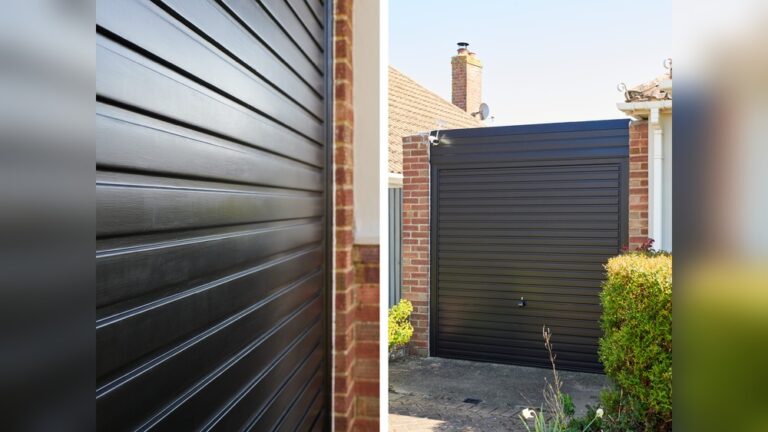
- Black: Bold, dramatic, but shows dust more
- Beige or taupe: Warm, blends with brick or stone
Match or contrast?
- Match your door to your home’s trim for a unified look.
- Use a contrasting color for a modern, eye-catching style.
Tip: Many paint brands offer small sample pots. Paint a test area before doing the whole door.
Safety Tips For Beginners
Painting a garage door is safe, but keep these points in mind:
- Wear gloves and a mask if sanding old paint.
- Work in a ventilated area to avoid paint fumes.
- Secure the door open so it doesn’t close while you paint.
- Keep children and pets away from the work area.
If your home was built before 1978, old paint may contain lead. In that case, check EPA guidance or hire a professional.
When To Call A Professional
Painting is a DIY project, but sometimes it’s better to hire a pro:
- If your garage door is rusted, dented, or warped
- If you see signs of lead paint (pre-1978 homes)
- If you want special finishes (faux wood, patterns)
A professional can also save time on larger or multi-door garages. For more on home paint safety, visit the EPA Lead Safety Page.
Frequently Asked Questions
How Long Does A Painted Garage Door Last?
With good prep and quality paint, a garage door’s finish can last 5 to 10 years. Sun and weather exposure can shorten or lengthen this time.
Can I Paint A Garage Door That Gets Direct Sun?
Yes, but paint in the shade or early in the morning. This prevents the paint from drying too fast and cracking.
Is It Better To Spray Or Roll Paint On A Garage Door?
For beginners, rolling and brushing is easier and less messy. Sprayers work faster but need practice and masking.
Do I Need To Remove Old Paint Before Painting?
Remove loose or peeling paint with a scraper or sandpaper. Smooth, well-stuck old paint can be sanded lightly and painted over.
What If My Garage Door Is Rusty?
Sand off rust, use a rust-inhibiting primer, and paint as normal. Treating rust before painting stops it from spreading.
A freshly painted garage door not only boosts your home’s look but also protects your investment. With the right tools, a little time, and these beginner-friendly steps, you can transform your garage door in a weekend. Remember, preparation and patience are key to professional-looking results.
Enjoy your home’s new, refreshed appearance!
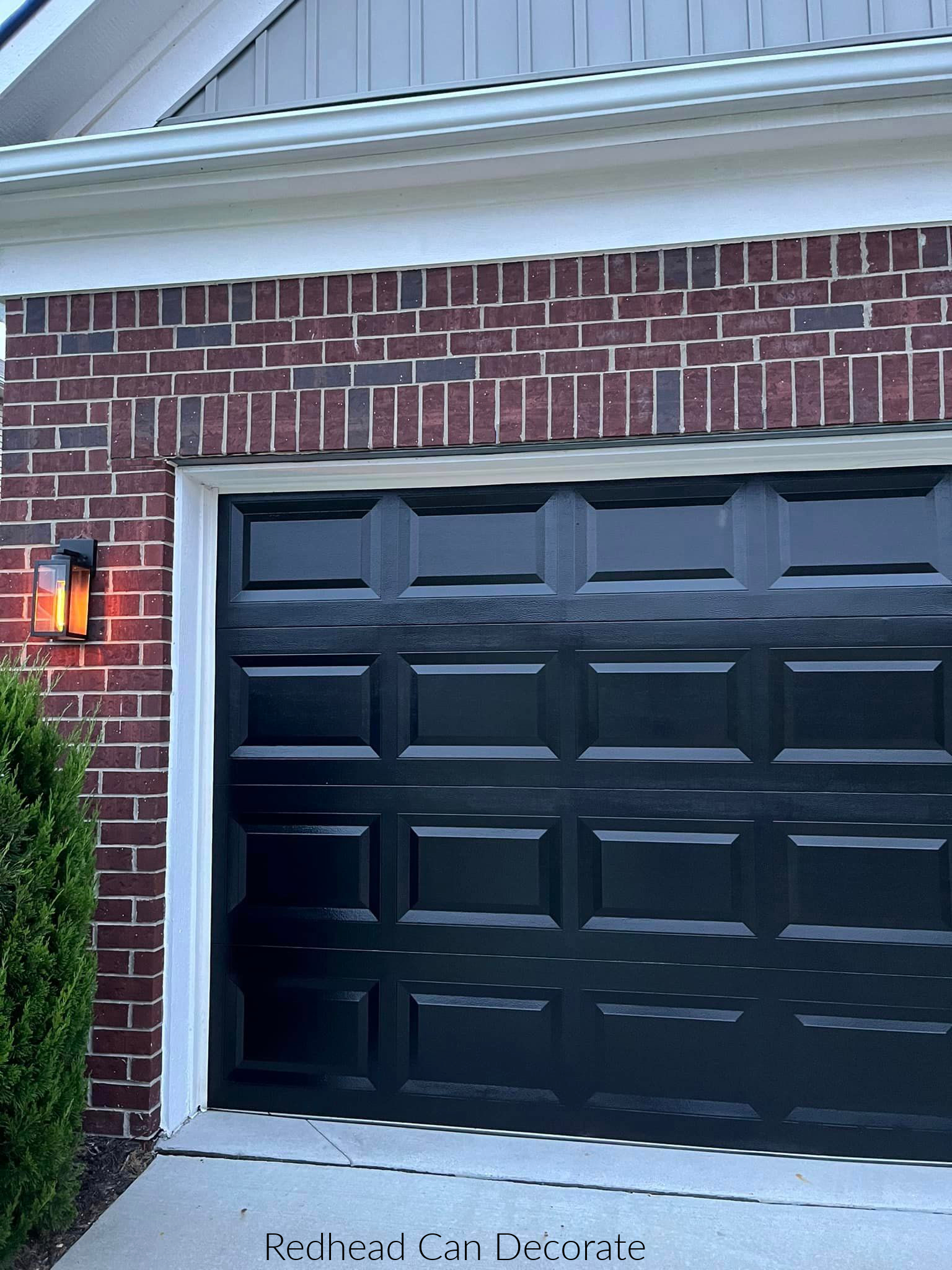
Credit: redheadcandecorate.com