
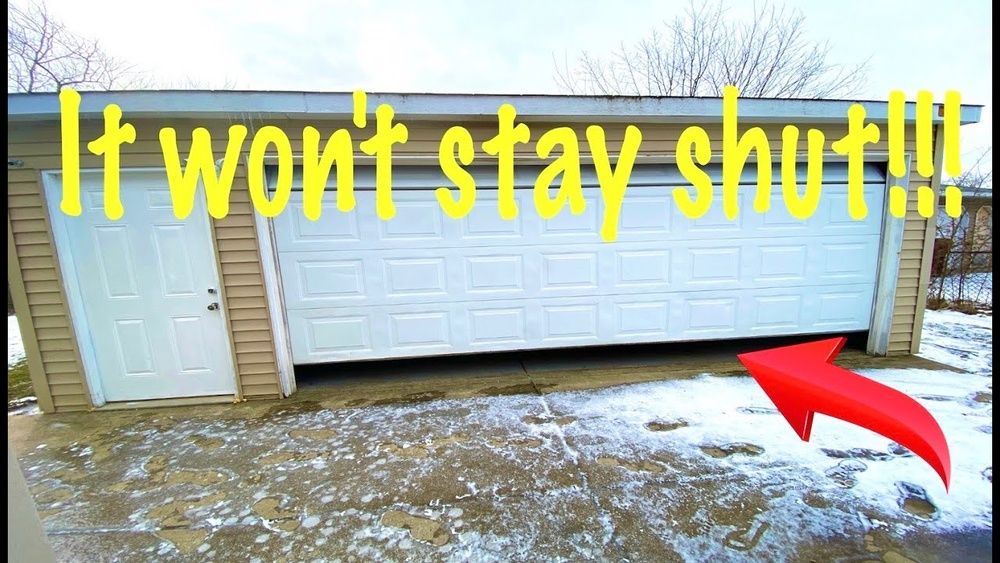
When your garage door almost closes then goes back up, it can be frustrating and confusing. Many homeowners face this problem, especially with automatic garage doors. You might notice the door moving smoothly at first, then stopping or reversing just before it hits the ground. This issue can be dangerous, as it leaves your garage open and your belongings exposed. Understanding why this happens and how to fix it is important for security and convenience. This guide will help you find the real cause, show you practical solutions, and help you avoid common mistakes.
Why Does A Garage Door Almost Close Then Goes Back Up?
When a garage door reverses before closing, it’s usually a safety feature. Modern doors have sensors and settings to protect people, pets, and property. If something is wrong, the door will stop and go back up. Here are the most common reasons:
- Misaligned safety sensors
- Obstructions on the floor or tracks
- Faulty limit settings
- Dirty or damaged tracks
- Broken or worn parts
Even beginners can diagnose and fix many of these issues with simple tools and a bit of patience.
Understanding Safety Sensors
Automatic garage doors have photo-eye sensors near the bottom of the tracks. These sensors send a beam across the door opening. If something blocks the beam, the door reverses to prevent accidents.
How Sensors Work
- Located about 4-6 inches above the ground
- Both sides must be aligned for the door to operate
- If the beam is broken, the door won’t close
Common Sensor Problems
- Dirty lenses: Dust or spider webs can block the sensor
- Misalignment: Bumping or vibration can move sensors out of place
- Loose wires: Connections can shake loose over time
Practical Example
Suppose your child leaves a toy in the path of the sensors. The door will start closing, then go back up when the sensors detect the toy.
Fixing Sensor Issues
- Clean the lenses with a soft cloth
- Adjust the sensors so they point directly at each other
- Check wires for damage or loose connections

Credit: www.reddit.com
Obstructions And Track Problems
Physical objects can stop the door from closing fully. Even small items can trigger the safety system.
Typical Obstructions
- Leaves, sticks, or debris
- Tools or storage bins near the tracks
- Ice or mud in colder climates
Track Damage
Bent or dirty tracks can cause rollers to stick. If the door can’t move smoothly, it may reverse.
Example Scenario
After a storm, leaves pile up on the garage floor. The door almost closes, but goes back up because the sensors detect the debris.
Simple Solutions
- Clear all items from the path of the door
- Inspect tracks for bends or dirt
- Use a vacuum or broom for cleaning
Limit Switch Settings
Garage doors have limit switches that tell the motor when to stop. If these settings are wrong, the door may think it hit the ground when it hasn’t, and reverse.
What Are Limit Switches?
- Electronic or mechanical controls inside the opener
- Set to match the height of your door
Problems With Limit Settings
- Too short: Door stops before touching the ground
- Too long: Door tries to go past the floor, triggering safety reversal
Adjusting Limit Switches
Most openers have adjustment screws or buttons. Check your manual for instructions. If you set the switch correctly, the door should close fully.
Example Data
In the US, the standard garage door height is 7 feet. If your limit switch is set for 6. 5 feet, the door will reverse before touching the ground.

Credit: www.youtube.com
Comparison: Sensor Issues Vs. Limit Settings
Let’s compare two common causes for the door reversing:
| Issue | Symptoms | Easy Fix |
|---|---|---|
| Sensor Problems | Door reverses with blinking lights | Clean/realign sensors |
| Limit Switch Problem | Door stops and reverses at same spot every time | Adjust limit switches |
Beginners often confuse these two, but the symptoms are a bit different.
Garage Door Opener Types And Their Impact
Different opener types may react differently to problems. Understanding your opener helps you troubleshoot better.
Opener Types
- Chain drive: Common and affordable
- Belt drive: Quieter, good for attached garages
- Screw drive: Fewer moving parts
Table: Opener Type Vs. Common Issues
| Opener Type | Sensor Issue Frequency | Limit Switch Problem Frequency |
|---|---|---|
| Chain Drive | High | Medium |
| Belt Drive | Medium | Medium |
| Screw Drive | Low | td>High
Most homes in the US use chain drive openers. They are more likely to have sensor issues due to vibration.
Broken Or Worn Parts
Garage doors use springs, rollers, and cables. If any part is worn or broken, the door may not move smoothly. The opener senses resistance and reverses.
Common Broken Parts
- Springs: Provide lifting force
- Rollers: Guide the door on tracks
- Cables: Help with balance
Signs Of Wear
- Loud noises during operation
- Door shakes or jerks
- Visible rust or damage
Example
If a roller is off its track, the door will move unevenly. The motor may reverse to prevent damage.
What To Do
- Check springs for gaps or breaks
- Inspect rollers for flat spots or rust
- Look at cables for fraying
Beginners often miss checking these parts because they’re less visible.
Diy Solutions And When To Call A Professional
Many garage door problems are easy to fix. Here are steps you can try yourself:
- Clean and realign sensors
- Remove obstructions from tracks and floor
- Adjust limit switches
- Lubricate tracks and rollers with silicone spray
- Check for visible damage
If your door still reverses, call a professional. Springs and cables can be dangerous to repair without training.
Table: Diy Vs. Professional Repair
| Problem | DIY Possible? | Professional Needed? |
|---|---|---|
| Sensor Cleaning | Yes | No |
| Limit Switch Adjustment | Yes | No |
| Spring Replacement | No | Yes |
| Roller Replacement | Sometimes | Yes |
Non-obvious Insights Beginners Miss
- Sunlight can interfere with sensors: If direct sunlight shines on the sensor, it may confuse the system. Try shading the sensor or changing its angle.
- Garage door opener age matters: Older openers may not have modern safety features. If your opener is over 15 years old, consider updating for better reliability.
Common Mistakes To Avoid
- Ignoring blinking lights: Many openers blink to signal sensor problems. Read your manual to understand what the signals mean.
- Forcing the door: Pushing or pulling a stuck door can damage parts. Always check for causes before using force.
- Skipping lubrication: Dry tracks and rollers can cause resistance and reversal. Lubricate every six months.
Preventing Future Problems
Simple habits can keep your garage door working well:
- Keep sensors and tracks clean
- Don’t store items near the door’s path
- Test the door every month by placing a block under it; if it reverses, the sensors work
- Schedule professional maintenance once a year
Example: A Real Homeowner Story
Anna, from Ohio, noticed her garage door reversing every time she tried to close it. She cleaned the sensors and removed a small stone from the track. The problem stopped. She now checks her door weekly and hasn’t had issues since.
When Should You Replace Your Garage Door Opener?
If your opener is old or keeps having problems, replacement might be smarter than repair. New models have better safety and reliability.
- Opener older than 15 years
- Frequent sensor or limit switch problems
- No safety sensors
Replacing an opener costs $250–$600, including installation. It can improve security and reduce hassle.
For more details on garage door safety standards, check this resource: HomeServe Garage Door Safety Guide.
Frequently Asked Questions
Why Does My Garage Door Reverse At The Same Spot Every Time?
This usually means a limit switch problem. The opener thinks the door has closed fully before it actually touches the ground. Adjust the limit switch so the door closes all the way.
What Should I Do If My Garage Door Sensors Are Blinking?
Blinking sensors mean something is blocking the beam or the sensors are misaligned. Clean the lenses, remove any obstructions, and realign the sensors.
Is It Safe To Repair Garage Door Springs Myself?
No. Garage door springs are under high tension and can cause injury. Only trained professionals should repair or replace springs.
Can Weather Affect My Garage Door Closing?
Yes. Cold weather, ice, or snow can block tracks or sensors. Clean the area regularly and check sensors after storms.
How Often Should I Maintain My Garage Door?
Check your garage door every month. Clean sensors, lubricate tracks, and test safety features. Schedule professional maintenance once a year.
Taking care of your garage door helps avoid sudden problems and keeps your home secure. If your door almost closes then goes back up, check sensors, tracks, and settings first. Simple steps can solve most issues, but don’t hesitate to call a pro for complex repairs.
With regular checks, you’ll keep your garage door working smoothly for years.

Credit: infinitygarage-doors.com