
Every day, millions of people open and close their garage doors without much thought. But few realize how dangerous these heavy, powerful machines can be. Garage doors are common in homes and businesses, yet they cause thousands of injuries every year. Understanding garage door injury statistics is important for keeping families, workers, and children safe.
Many injuries are preventable with simple safety steps. But first, it’s important to know how often these accidents happen, who is most at risk, and what you can do to avoid them. This guide breaks down the most important data, common causes, and safety tips, all in clear, simple language.
How Common Are Garage Door Injuries?
Garage door injuries are more frequent than most people think. The U. S. Consumer Product Safety Commission (CPSC) tracks these incidents every year.
- Over 20,000 injuries related to garage doors are reported annually in the United States.
- Children under 15 account for about one in four cases.
- Most injuries happen at home, not in commercial buildings.
The actual number may be even higher. Many minor injuries go unreported, especially if people treat them at home.
Here is a summary of common garage door injuries by age group:
| Age Group | Estimated Annual Injuries | % of Total Injuries |
|---|---|---|
| Children (0-14) | 5,000 | 25% |
| Teens & Adults (15-64) | 12,000 | 60% |
| Seniors (65+) | 3,000 | 15% |
This data shows that children and seniors are most vulnerable.
Types Of Garage Door Injuries
The way garage door injuries happen can differ, but some types are more common than others.
- Crushing Injuries: The door closes on a person, hand, or foot.
- Pinch Injuries: Fingers or hands get caught between panels or moving parts.
- Lacerations: Sharp edges or broken glass cause cuts.
- Sprains and Strains: Lifting heavy doors or moving parts incorrectly.
- Head Injuries: Doors falling off tracks or malfunctioning.
- Amputations: Severe cases where fingers or hands are lost, often with older doors.
A study by the National Electronic Injury Surveillance System (NEISS) found that:
- Pinch injuries and lacerations account for over 60% of cases.
- Crushing injuries are responsible for most hospitalizations.
- Amputation is rare but happens mostly with manual garage doors.
Where And When Do Most Accidents Occur?
Most garage door accidents happen at home. This is partly because people use their garage doors every day, often without checking for problems.
- Peak accident times: Morning (7–10 AM) and evening (4–7 PM), when people leave or return home.
- Location: Injuries often occur inside the garage or just outside while entering.
- Weather: Cold weather can make springs brittle, increasing the risk of failure.
Here is a breakdown of common accident locations:
| Location | % of Total Injuries |
|---|---|
| Home Garage | 80% |
| Commercial Garage | 15% |
| Parking Garage | 5% |
Home garages are clearly the most common place for injuries.
Main Causes Of Garage Door Injuries
Most injuries happen for simple reasons. Understanding these causes can help you avoid them.
- Lack of Safety Sensors: Modern doors have sensors that stop the door if something is in the way. Old doors may not have these.
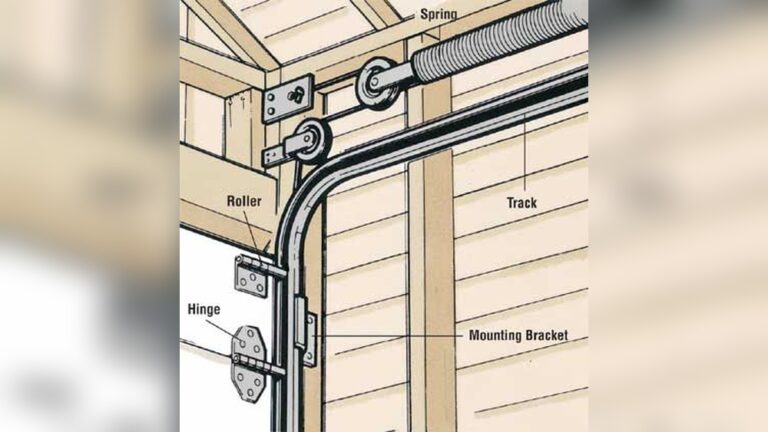
- Broken Springs or Cables: These parts hold the door’s weight. If they snap, the door can fall quickly.
- Manual Operation: Lifting or lowering heavy doors by hand increases risk, especially for kids and seniors.
- Poor Maintenance: Rust, dirt, and worn parts can cause sudden failures.
- Playing Around Doors: Children sometimes ride on garage doors or play near them, leading to accidents.
- DIY Repairs: Trying to fix springs or cables without proper tools is very dangerous.
Real-world Example
A common accident involves children racing under a closing door. If the safety sensor is blocked or not working, the door may not stop, causing injuries.
Who Is Most At Risk?
Not everyone faces the same risk. Some groups are more likely to get hurt.
- Young children: Often do not understand the danger. Fingers and hands are small and fit in gaps.
- Elderly people: May have slower reactions and less strength.
- DIY homeowners: Fixing or adjusting garage doors without training is risky.
- Pet owners: Pets can trigger sensors but still get caught.
Key Insight: Injuries are more common in homes with older, manual garage doors and no regular maintenance.
How Garage Door Injuries Affect People
The consequences of a garage door injury can be serious. Some people recover quickly, but others face long-term problems.
- Minor injuries: Cuts, bruises, and sprains often heal with basic care.
- Serious injuries: Broken bones, head injuries, or amputations may require surgery and months of recovery.
- Emotional impact: Children and parents can develop fear or anxiety around garage doors.
A study of emergency room visits found that 10% of injuries required hospitalization. Medical bills for serious accidents can be high, and time off work is common.
Cost Of Garage Door Injuries
Garage door injuries don’t just hurt people—they can also be expensive.
- Medical bills: Stitches, x-rays, and hospital stays add up quickly.
- Lost work: Adults may miss days or weeks of work.
- Home repairs: Fixing or replacing a broken door can cost hundreds or thousands of dollars.
For example, the average cost to treat a crushed finger is about $2,500. Surgery or physical therapy can raise costs even more.
Here is a cost estimate for common garage door injuries:
| Injury Type | Average Treatment Cost |
|---|---|
| Pinched Finger | $1,200 |
| Crushed Hand | $2,500 |
| Amputation | $10,000+ |
| Head Injury | $3,000 |
Homeowners insurance may cover some costs, but not all, especially if the door was not maintained.
How To Prevent Garage Door Injuries
Most garage door injuries can be prevented with smart habits and simple checks.
Install Modern Safety Features
- Auto-reverse sensors: Stop the door if something is in the way.
- Pinch-resistant panels: Newer doors are designed to avoid finger traps.
- Manual release handle: Lets you open the door safely if power fails.
Regular Maintenance
- Test the auto-reverse feature every month.
- Look for frayed cables or rusty springs.
- Lubricate moving parts two times a year.
- Hire a professional to check and service the door once a year.
Teach Children Safety Rules
- Never play under or near a moving garage door.
- Do not touch or hang on the door.
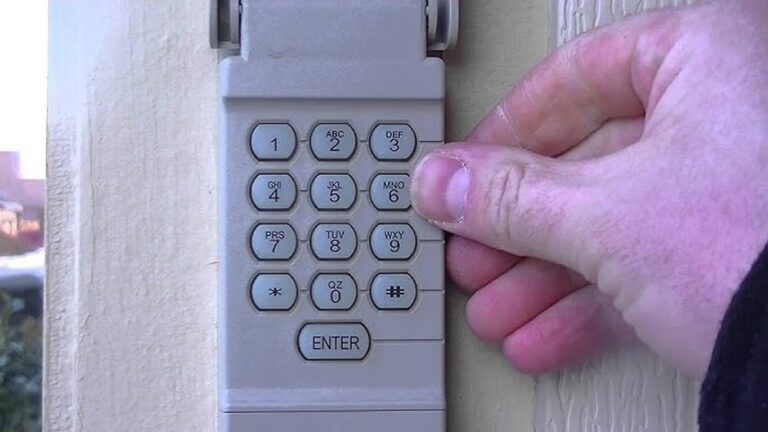
- Keep remote controls out of children’s reach.
Safe Operation
- Always watch the door until it fully closes or opens.
- Do not try to race under a moving door.
- Keep fingers away from door joints and tracks.
Leave Repairs To Professionals
- Garage door springs and cables are under high tension.
- DIY repairs can cause severe injuries.
- Call a trained technician for any issues.
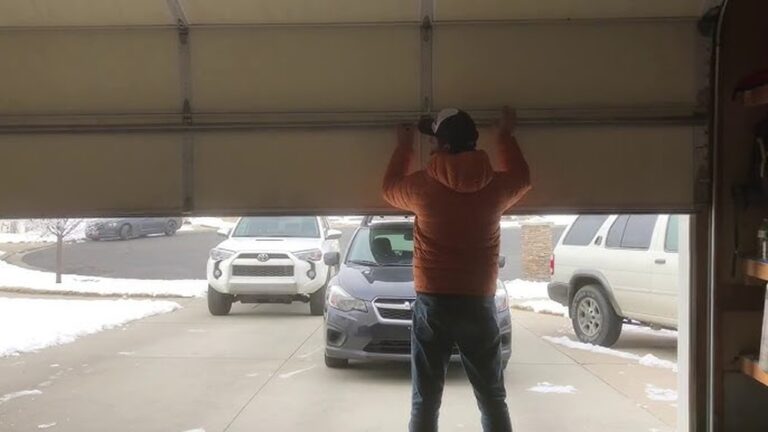
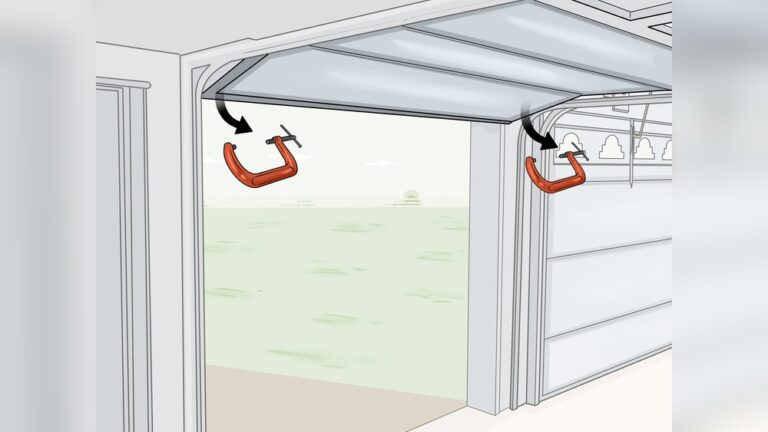
Non-obvious tip: Check the door balance. Unbalanced doors are hard to open and can fall suddenly. To test, disconnect the opener and lift the door halfway. It should stay in place. If not, call a pro.
Credit: www.dynamicgaragedoor.com
Why Do Injuries Still Happen?
Even With Safety Features, People Still Get Hurt. Why?
- Old garage doors: Many homes still have doors made before 1993, when auto-reverse became standard.
- Ignored maintenance: Busy schedules mean people forget to check their doors.
- False sense of security: Homeowners think their door is safe if it looks fine.
Key Insight: A garage door can look fine but still be dangerous. Internal parts wear out over time.
Garage Door Injury Trends Over Time
The good news: serious injuries have gone down in the past 30 years. This is thanks to better technology and public awareness.
- Before 1993: More than 50,000 injuries a year, with higher rates of amputation.
- After 1993: Auto-reverse sensors became required by law in the U.S.
- Today: About 20,000 injuries a year, but still too many.
However, the number of minor injuries (like pinched fingers) remains steady. This shows the need for better education and regular maintenance.

Credit: www.commonwealthgaragedoors.com
Garage Door Safety Standards
In the U.S., there are strict rules for garage door safety:
- UL 325: Requires auto-reverse sensors on all new openers.
- ASTM F2200: Sets standards for the design and installation of doors.
Buying a door that meets these standards reduces your risk. Always look for UL 325 on the label.
For more details on safety standards, visit the CPSC official website.
Common Myths About Garage Door Safety
Many people have beliefs about garage doors that are not true.
- Myth: “Only old doors are dangerous.”
*Fact:* New doors can be risky if installed wrong or not maintained.
- Myth: “Children know not to play with the door.”
*Fact:* Accidents often happen when adults are distracted.
- Myth: “Garage doors are light.”
*Fact:* Most doors weigh 150–400 pounds.
Understanding the facts can help prevent accidents.

Credit: a-1doorco.com
Frequently Asked Questions
What Is The Most Common Garage Door Injury?
The most common injury is a pinched finger. This happens when fingers get caught between the door panels as the door moves. Children are especially at risk because their fingers fit easily into gaps.
How Can I Test If My Garage Door’s Safety Sensor Works?
Place a solid object, like a cardboard box, under the open door. Press the close button. The door should reverse when it touches the object or before making contact. If it does not, the sensor may be broken and needs repair.
Are Older Garage Doors More Dangerous?
Yes, older doors are much more dangerous if they lack modern safety features like auto-reverse sensors and pinch-resistant panels. Upgrading to a newer model reduces the risk of injury.
Can Garage Door Injuries Be Fatal?
While fatal injuries are rare, they do happen. Most deaths are from doors falling on small children or from severe head injuries. Regular maintenance and safety features greatly reduce this risk.
What Should I Do If Someone Is Injured By A Garage Door?
- For minor cuts or bruises, clean the area and apply a bandage.
- For serious injuries (broken bones, head trauma, amputation), call 911 immediately.
- Do not try to move someone with a severe injury until help arrives.
Garage door safety is not just about avoiding pain—it’s about protecting your family and your investment. Simple steps like regular checks, teaching children, and calling professionals for repairs make a big difference. Most accidents can be prevented with a little knowledge and care.
Stay alert, stay safe, and your garage door will serve you well for years to come.