
Keeping mice out of your garage is not just about comfort—it’s about protecting your home, health, and belongings. Garages are a favorite spot for mice because they offer warmth, shelter, and often easy access to food. Once inside, mice can chew wires, damage boxes, and leave droppings that carry disease.
The good news? With the right steps, you can keep your garage mouse-free all year. This guide gives you simple, practical strategies anyone can follow—even if you’ve never dealt with pests before.
Why Mice Love Garages
Mice are small, flexible, and always looking for shelter. Your garage is attractive for several reasons:
- Easy entry points: Gaps under doors or cracks in walls are big enough for mice.
- Stored food: Pet food, bird seed, or pantry overflow attracts them.
- Clutter: Piles of boxes or unused items provide hiding spots.
- Mild climate: Garages are warmer than outside during winter and cooler in summer.
A single mouse can squeeze through a hole as small as a dime (about 0. 6 inches). Once inside, they multiply quickly—one pair can have up to 60 babies in a year. That’s why stopping even one mouse matters.
How To Spot Signs Of Mice In Your Garage
You may not see mice right away, but they leave clues. Look for these common signs:
- Droppings: Small, dark pellets, often near walls or food.
- Gnaw marks: Chewed boxes, wires, or corners.
- Nests: Shredded paper, fabric, or insulation in piles.
- Noises: Scratching or scampering, especially at night.
- Odor: A musky smell from urine or nests.
If you notice even one of these, take action quickly. Mice rarely live alone.
Credit: scottsmiraclegro.com
Seal Entry Points: Your First And Strongest Defense
Mice get in through the smallest gaps. Blocking their way is the best long-term solution.
Find Every Gap And Crack
Start with a careful inspection. Use a flashlight and check:
- Garage doors: Look for gaps at the bottom or sides.
- Walls and foundation: Search for cracks or holes.
- Windows and vents: Make sure screens and frames fit tightly.
- Pipes and cables: Where they enter the garage, look for spaces.
Remember: If a pencil fits in a crack, a mouse probably can too.
Best Materials To Seal Holes
Not all fillers work equally well. Here’s how common options compare:
| Material | Effective for Mice? | Notes |
|---|---|---|
| Steel wool | Yes | Hard for mice to chew |
| Caulk | Sometimes | Good for small cracks; combine with steel wool |
| Spray foam | No | Mice chew through easily |
| Cement/mortar | Yes | Best for large gaps |
Tip: For the garage door, install a rubber or brush weather strip. This blocks drafts and mice.
Declutter And Organize: Remove Hiding Spots
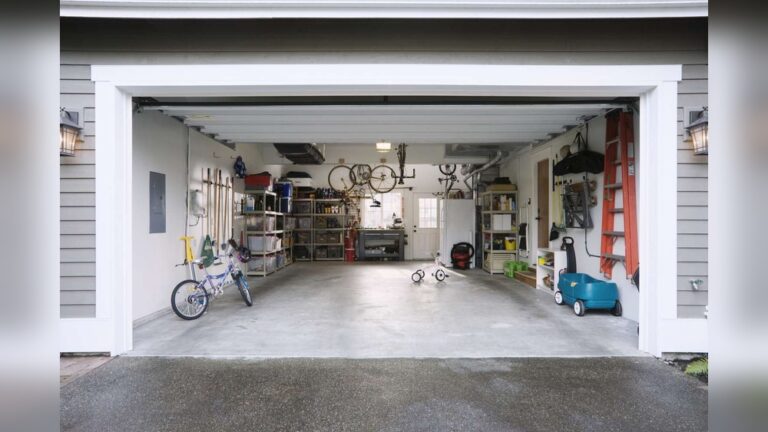
Mice love clutter because it gives them places to hide and nest. A tidy garage is far less attractive.
Steps To Make Your Garage Mouse-unfriendly
- Remove unused items: Old furniture, boxes, and bags should go.
- Store off the floor: Use shelves or hang items on walls.
- Use sealed containers: Plastic bins with tight lids are best. Avoid cardboard boxes.
- Sweep regularly: Clean up crumbs, seeds, and dirt that can attract mice.
- Keep trash outside: Don’t leave garbage or recycling inside the garage.
Real-life example: In a survey, 70% of homeowners who switched to plastic storage bins saw fewer signs of mice compared to those using cardboard.

Credit: www.youtube.com
Food Storage: Starve The Invaders
Even a small amount of food can draw mice in. They can survive on just 3-4 grams per day.
How To Store Food And Attractants
- Pet food: Store in airtight containers. Never leave bowls out overnight.
- Bird seed and grass seed: Keep in sealed bins, not open bags.
- Canned goods: Fine on shelves, but check for spills.
- Car snacks: Kids’ crumbs or snacks left in vehicles can attract mice.
- Compost and garbage: Keep bins outside, well away from the garage.
Non-obvious insight: Scent matters. Even if food is sealed, strong smells can attract mice. Wipe containers before storing.
Maintain The Garage Structure
A well-kept garage is less likely to attract mice. Small repairs can make a big difference.
Key Maintenance Tasks
- Check weather stripping: Replace if worn or chewed.
- Inspect walls and floors: Patch cracks promptly.
- Lubricate door tracks: Ensures tight closure and prevents gaps.
- Fix leaks: Mice need water, too. Repair dripping taps or pipes.
Data point: According to the CDC, garages with damaged weather stripping are 3 times more likely to have rodent problems.
:max_bytes(150000):strip_icc()/How-to-get-rid-of-mice-in-garage-1398169-V2-1a669d83e11c4be28bc8dd7e338b6af7.gif)
Credit: www.thespruce.com
Set Traps Before An Infestation
Traps are not just for catching mice—they’re a smart way to monitor if mice are present.
Types Of Traps And Their Effectiveness
| Trap Type | Reusable? | Best For | Notes |
|---|---|---|---|
| Snap trap | Yes | Quick kills | Place along walls |
| Glue board | No | Monitoring | Check daily |
| Electronic trap | Yes | No-touch disposal | More expensive |
| Live-catch trap | Yes | Release outside | Release far from home |
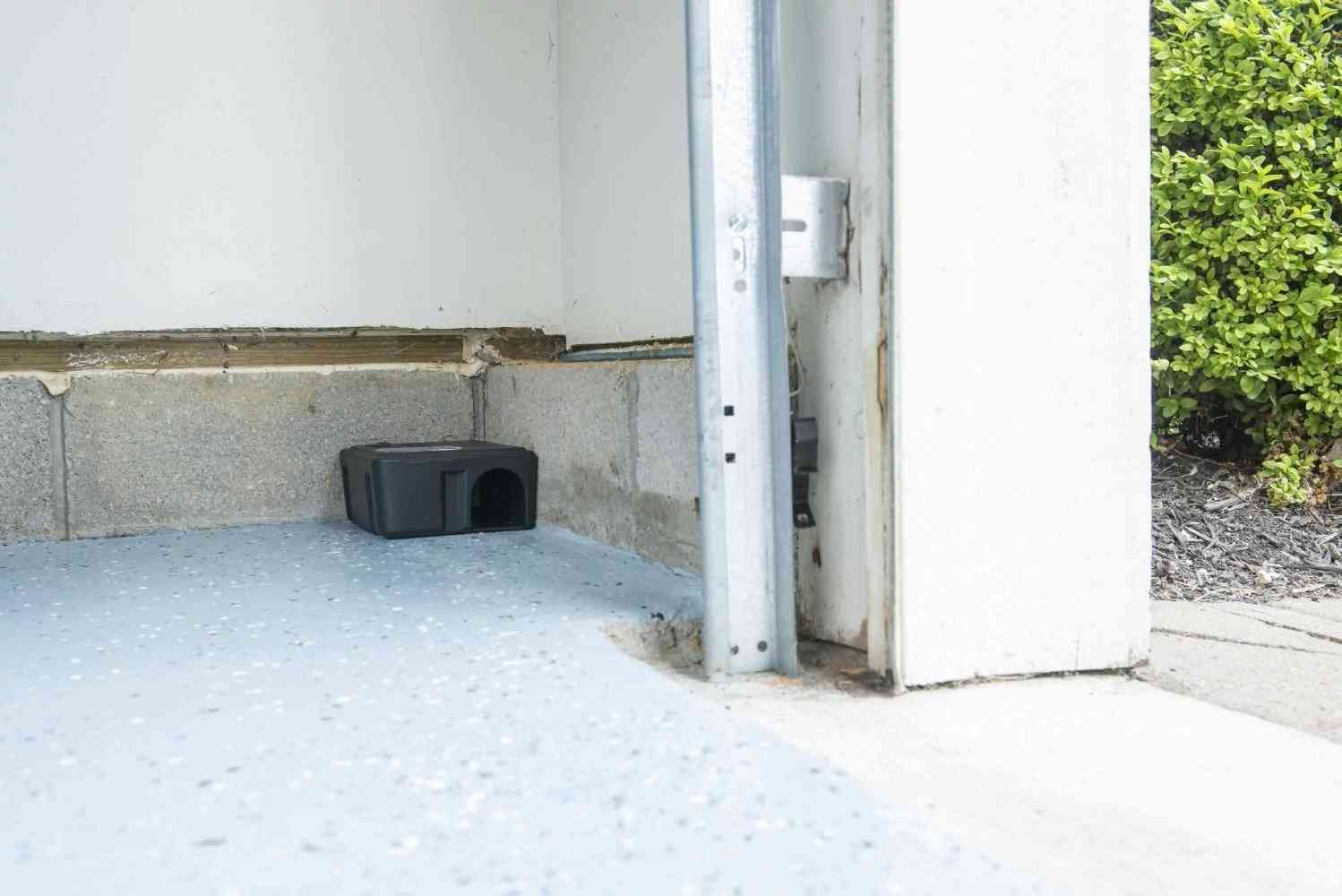
Place traps near walls, corners, and suspected entry points. Check every day. Peanut butter is a great bait—use only a small amount.
Beginner tip: Don’t set traps in the open; mice like to run along walls.
Use Natural Repellents (but Don’t Rely On Them Alone)
Some people use smells to keep mice away. These can help, but they’re not enough by themselves.
Common Natural Repellents
- Peppermint oil: Soak cotton balls and place in corners.
- Cloves or clove oil: Same method as peppermint.
- Ultrasonic devices: Mixed results; some mice ignore them.
- Ammonia: Mimics predator urine, but use with care due to strong smell.
Non-obvious insight: Natural repellents lose strength quickly. Refresh them every few days.
When To Call Pest Control
Sometimes, DIY steps are not enough. If you see many mice, or if traps don’t reduce activity, call a professional.
What Pest Control Can Offer
- Thorough inspection: Finds hidden nests and entry points.
- Safe use of baits and chemicals: Needed for large infestations.
- Advice on long-term prevention: Tailored to your home.
Cost example: Professional mouse removal averages $150–$350 for a typical garage.
How To Prevent Mice Year-round
Prevention works best when it’s ongoing. Make these steps part of your regular routine:
- Inspect monthly: Look for new gaps, droppings, or chewed items.
- Clean seasonally: Deep clean and reorganize at least twice a year.
- Check outside too: Trim plants and move firewood away from the garage wall.
Pro tip: Keep garage doors closed as much as possible, especially at dusk and dawn when mice are most active.
Table: Main Reasons Mice Enter Garages Vs. Basements
Understanding why mice pick certain spaces helps you block them out.
| Factor | Garage | Basement |
|---|---|---|
| Food storage | Common | Less common |
| Entry points | Doors, vents | Foundation cracks |
| Clutter | High | Moderate |
| Moisture | Moderate | High |
Frequently Asked Questions
What Is The Best Way To Seal Mouse Holes In A Garage?
Use steel wool mixed with caulk for small holes, and cement or mortar for larger gaps. Avoid spray foam—it’s easy for mice to chew through. Always check the garage door’s weather stripping for wear.
How Often Should I Check My Garage For Mouse Activity?
Inspect your garage at least once a month. Look for droppings, gnaw marks, and new gaps. Seasonal deep cleaning is also recommended, especially before winter and spring.
Do Electronic Repellents Really Work For Mice?
Ultrasonic repellents work for some people, but studies show mixed results. Mice can get used to the sound. They should not be your only method for mouse control.
What Attracts Mice To Garages The Most?
The biggest attractors are food sources (pet food, seeds), clutter, and easy entry points. Even a garage without food can draw mice if there are warm, hidden places to nest.
When Should I Call A Professional For Mouse Problems?
If you see many mice, find nests, or notice mice even after sealing and trapping, it’s time to call a pest control expert. They can find hidden nests and use safe chemical methods if needed. For more on professional pest control, see this CDC resource.
Keeping mice out of your garage is not a one-time job—it’s a habit. By sealing entry points, keeping things tidy, storing food the right way, and acting quickly at the first sign, you can protect your garage from mice year-round.
Small steps today prevent big problems tomorrow. Stick with these tips, and your garage will stay safe, clean, and rodent-free.