
If your garage door opener suddenly stops working, it’s more than just an inconvenience. A disconnected opener means you’ll need to lift the heavy door by hand, which can be frustrating and even dangerous. Whether you lost power, pulled the emergency release by mistake, or just finished some maintenance, knowing how to reconnect garage door opener is an essential skill for any homeowner. The good news is, most openers are designed for easy reconnection, even if you’re new to DIY tasks.
This guide explains each step in clear, simple language. You’ll learn how to reconnect your opener safely, what tools you might need, and how to avoid common mistakes. You’ll also find answers to top questions and practical tips for smooth operation.
Let’s get your garage door opener back in action—quickly and safely.
Why Garage Door Openers Disconnect
Understanding why your garage door opener disconnects can help you fix the problem faster.
- Power Outages: If electricity fails, you might pull the emergency cord to open the door manually.
- Manual Release: Sometimes, you need to disconnect the door for repairs or safety checks.
- Mechanical Issues: Jammed tracks or broken springs can cause the opener to disengage automatically for safety.
- Accidental Pulls: The emergency release handle can be triggered by mistake, especially if you’re moving items near the door.
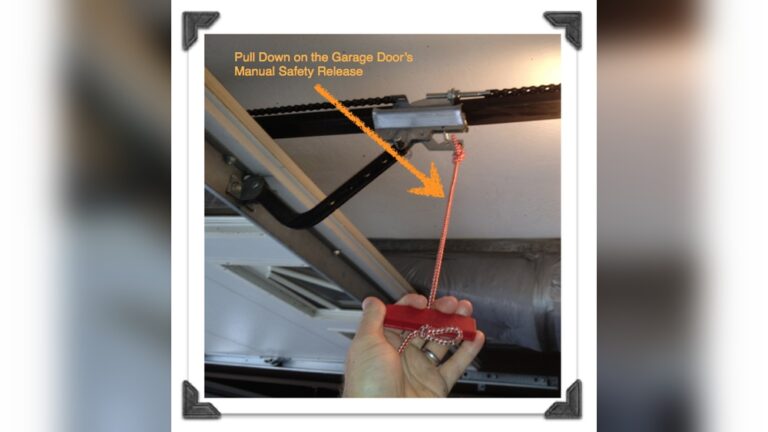
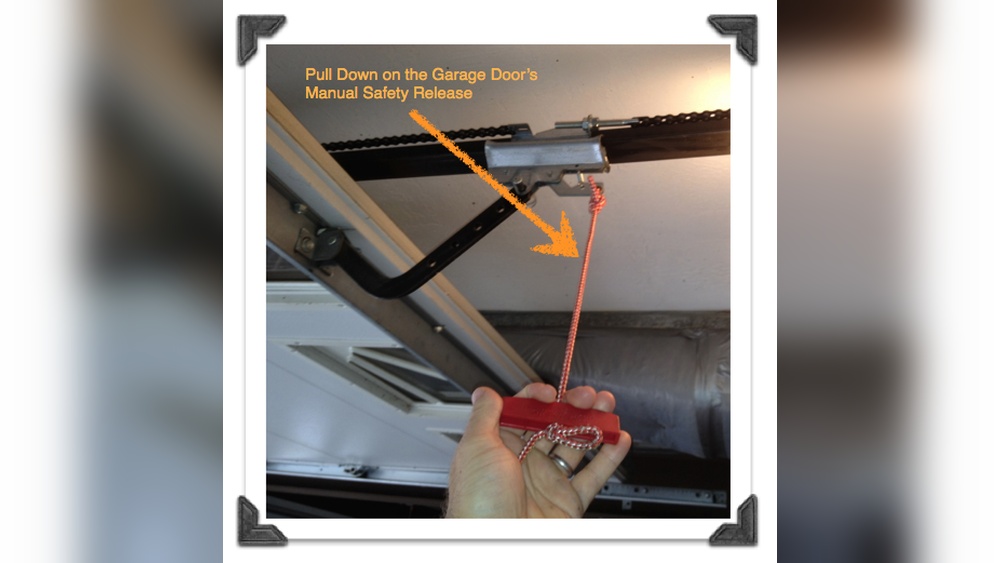
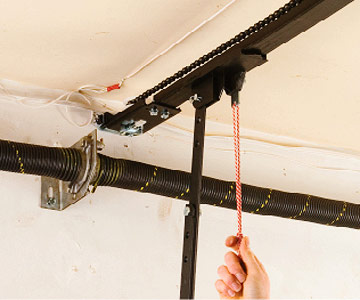
Most garage doors use a trolley system with an emergency release cord. This red cord hangs from the opener rail and disconnects the door from the motor. Once the opener is disconnected, it won’t open or close the door until you reconnect it.
Safety First: Preparing To Reconnect
Before you start, remember that garage doors are heavy and have moving parts. Taking safety steps is very important:
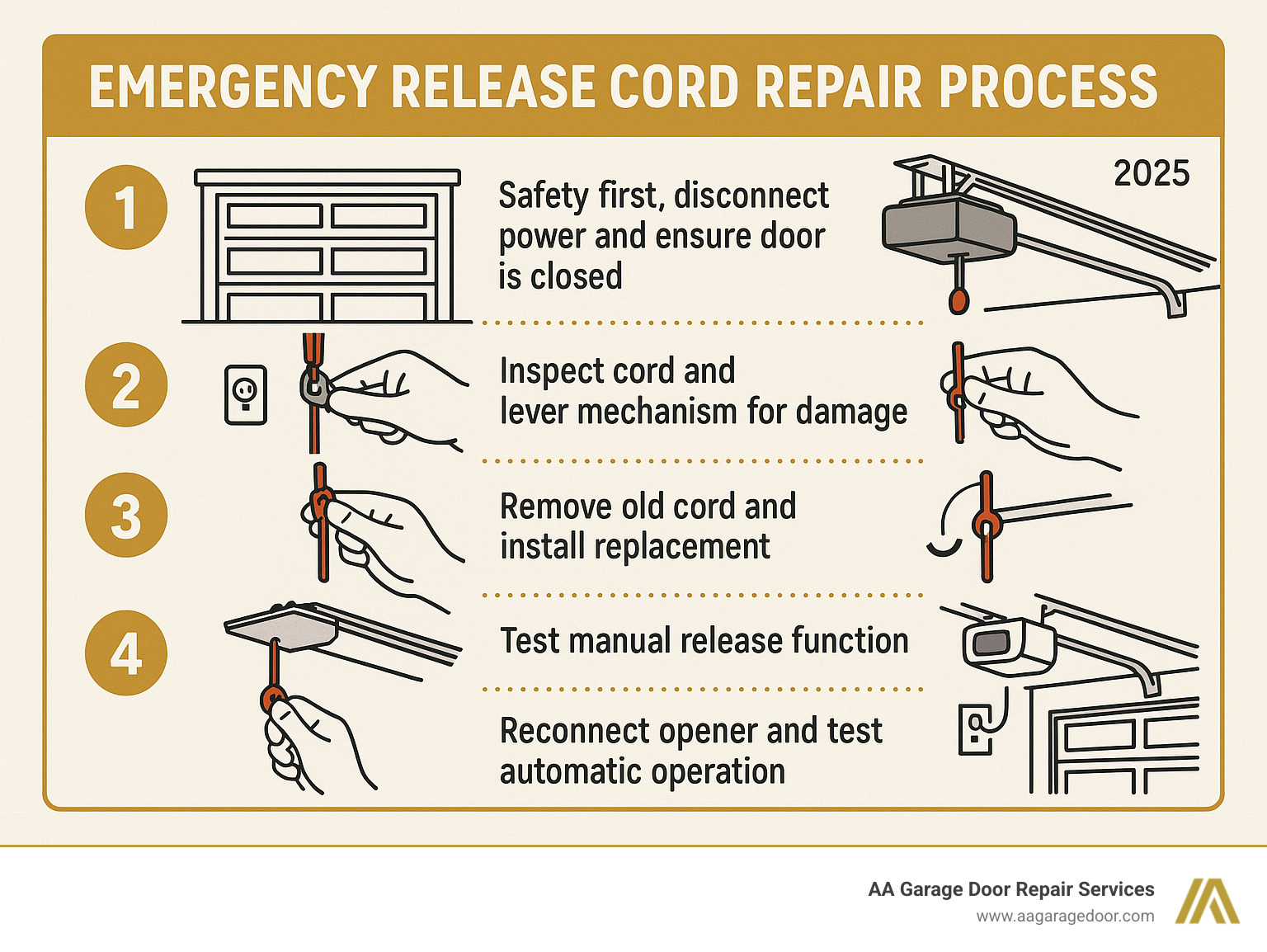
- Unplug the Opener: Turn off power to the garage door opener at the outlet or circuit breaker.
- Clear the Area: Make sure nothing is blocking the door’s path.
- Check the Door Balance: Lift the door halfway by hand. It should stay in place. If it falls or rises, the springs may be unsafe. Call a professional if you notice this.
- Wear Gloves: This protects your hands from sharp edges or pinched fingers.
Never try to fix broken springs or cables yourself. These parts are under high tension and can cause injury.
Credit: www.aagaragedoor.com
Tools And Materials You Might Need
Most garage door opener reconnections need only basic tools. Still, having these items nearby can make the process easier:
- Step Ladder: To reach the opener rail and emergency release cord
- Flashlight: If your garage is dimly lit
- Screwdriver: Useful if you need to open the opener’s cover
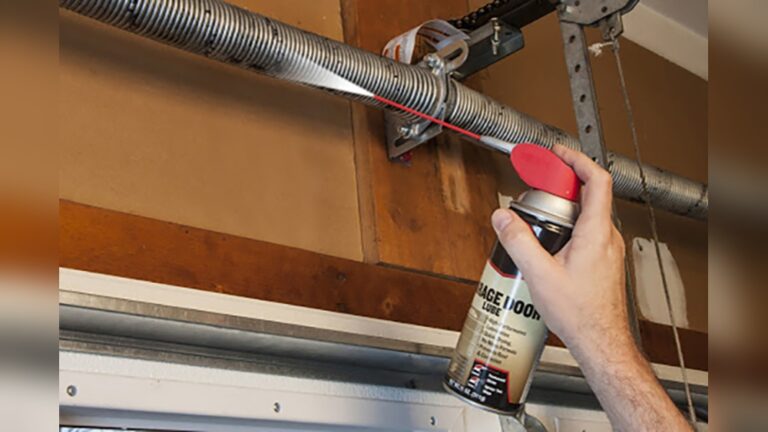
- Lubricant: Silicone spray for noisy rollers or tracks
In most cases, you won’t need tools, but being prepared speeds up the job.
How To Identify Your Garage Door Opener Type
Not all garage door openers are the same. Knowing your type helps you follow the right steps:
| Opener Type | Main Feature | Common Brands |
|---|---|---|
| Chain Drive | Uses a metal chain | Chamberlain, LiftMaster |
| Belt Drive | Uses a rubber belt (quieter) | Genie, Craftsman |
| Screw Drive | Uses a threaded rod | Genie |
| Direct Drive | Motor moves along the rail | Sommer |
Most openers use a trolley and emergency release cord. The reconnection steps are similar for all types, but check your manual if you’re unsure.
Step-by-step Guide: How To Reconnect Garage Door Opener
1. Make Sure The Door Is Fully Closed
- If the door is open, lower it by hand. This makes reconnection easier and safer.
- If the door feels too heavy or won’t stay down, stop and call a professional.
2. Locate The Emergency Release Cord
- Find the red cord hanging from the opener rail. This cord controls the trolley mechanism.
- The cord usually has a red handle for easy grip.
3. Check The Trolley Position
- The trolley is the part that connects the opener arm to the door.
- It should be near the front of the garage when the door is closed.
- If the trolley is stuck in the middle, gently move the door until the trolley clicks into place at the closed end.
4. Reconnect The Trolley To The Opener Carriage
There are two common ways to reconnect:
Automatic Reconnection (most Modern Openers)
- Plug the opener back in.
- Press the wall button or remote control to run the opener.
- The trolley will move along the rail and automatically reconnect to the opener carriage with a loud click.
- You may hear a snap as the parts lock together.
Manual Reconnection (older Or Some Models)
- Pull the emergency release cord down and toward the door, not just straight down.
- Move the door gently until you hear a click or see the trolley re-engage with the carriage.
- Test by pressing the opener. If it works, you’re done.
5. Test The Door Operation
- Press the wall control or remote.
- Watch the door as it opens and closes. It should move smoothly and stop at the right points.
- Listen for grinding noises or jerky movement. If you notice problems, stop and check for obstructions.
6. Lubricate Moving Parts (optional)
- Spray silicone lubricant on the rollers, hinges, and tracks.
- Avoid using grease on the rail unless your manual recommends it.
Common Problems And Quick Fixes
Even after reconnecting, you might run into issues. Here are the most frequent problems and solutions:
- Door Won’t Move: Check if the opener is plugged in and the circuit breaker is on.
- Remote Not Working: Replace the batteries in your remote and try again.
- Trolley Won’t Reconnect: Make sure the door is fully closed and the trolley is aligned.
- Strange Noises: Lubricate moving parts and check for loose hardware.
- Door Reverses or Stops: Adjust the opener’s travel and force settings (see your manual).
If problems continue, consult your opener’s manual or contact a professional.

Credit: www.youtube.com
Why Automatic Reconnection Fails (and What To Do)
Sometimes, the automatic system doesn’t work as expected. Here’s why:
| Issue | Possible Cause | Quick Solution |
|---|---|---|
| Trolley doesn’t move | Jammed track or broken part | Check track, clear debris |
| Trolley clicks but won’t lock | Misaligned trolley or carriage | Manually align and try again |
| Opener hums, but door stays still | Disengaged motor or bad wiring | Check wiring, call a pro if unsure |
If you’re not comfortable troubleshooting, it’s best to ask for help. Forcing the door can make things worse.
Keeping Your Garage Door Opener Connected
Regular care keeps your opener working smoothly:
- Test the Door Monthly: Open and close the door with the remote and manually. It should move easily both ways.
- Inspect the Emergency Release: Make sure the cord moves freely and isn’t tangled.
- Check for Obstructions: Clear away dirt, leaves, and tools from the tracks and door path.
- Schedule Professional Maintenance: Once a year, have a technician inspect springs, cables, and opener settings.
A well-maintained opener is less likely to disconnect by accident.
Credit: www.garagedoorssandiego.net
Example: Fixing A Disconnected Chamberlain Opener
Let’s say you have a Chamberlain chain drive opener and you accidentally pulled the emergency release cord. The door now moves freely, but the opener doesn’t work. Here’s what to do:
- Make sure the door is closed.
- Plug in the opener and press the wall button.
- The trolley moves along the rail and reconnects with a click.
- Test the door. It should now open and close automatically.
If the trolley doesn’t reconnect, pull the release cord toward the door and gently move the door until you hear it click. Try the opener again. If you still have trouble, check the owner’s manual or visit the official Chamberlain support page.
Key Safety Tips Most People Miss
- Never Stand Under a Moving Door: The door can fall quickly if something goes wrong.
- Don’t Force the Door: If it’s stuck, stop. Forcing can bend the tracks or break the opener.
- Keep Fingers Clear: The joints and rollers can pinch fingers easily.
- Teach Family Members: Make sure everyone knows how to safely use the emergency release.
When To Call A Professional
Some problems are not safe to handle yourself:
- Broken Springs or Cables: These are under high tension and require special tools.
- Repeated Disconnections: Could mean a bigger problem with the opener or door balance.
- Strange Noises: Grinding, banging, or squealing might signal a mechanical issue.
If you’re unsure, it’s safer to ask an expert. A professional can inspect your system, adjust the opener, and make any repairs needed.
Frequently Asked Questions
How Do I Know If My Garage Door Opener Is Properly Reconnected?
Test the door with the wall button or remote. If the door opens and closes smoothly, your opener is reconnected. Listen for a clear click when the trolley and carriage engage. If the door still moves freely by hand, repeat the reconnection steps.
Is It Safe To Reconnect The Garage Door Opener Myself?
Yes, for most cases, it’s safe if you follow the steps carefully and the springs and cables are in good condition. Always unplug the opener first and avoid forcing any parts. If you notice broken or loose hardware, contact a professional.
Why Does My Garage Door Opener Keep Disconnecting?
Frequent disconnections can be caused by:
- Weak or broken springs
- Faulty emergency release mechanism
- Obstructions in the track
- Electrical issues
Regular maintenance and inspection help prevent these problems.
What Should I Do If The Opener Reconnects But The Door Won’t Move?
Check that the opener is plugged in and powered. Make sure the trolley is locked to the carriage. Replace remote batteries if needed. If the problem continues, inspect for broken parts or call a technician for help.
Can I Reconnect My Opener After A Power Outage?
Yes, just follow the steps in this guide. Most modern openers will automatically reconnect when power returns. If not, use the manual method and test the door. If you have trouble, check your opener’s manual for special instructions.
Getting your garage door opener working again doesn’t have to be stressful. By following these steps and tips, you’ll restore smooth, safe operation and avoid future problems. Regular checks and quick action keep your opener reliable for years to come.