
Replacing Garage Door: A Beginner’s Complete Guide
A garage door is more than just a cover for your car. It’s a big part of your home’s look, safety, and energy use. If your garage door is old, noisy, or broken, it can cause problems every day. For many homeowners, replacing a garage door seems hard, expensive, and confusing.
But with the right steps and knowledge, you can make the process simple and stress-free.
This article will help you understand when and why to replace your garage door, how to choose the right one, what the installation involves, and how much it usually costs. You’ll also see common mistakes, get smart tips, and find answers to the most asked questions.
If you’re a first-time homeowner or just want to refresh your garage, this guide will give you everything you need to get started.
When Should You Replace Your Garage Door?
Not sure if you need a new garage door? Look for these clear signs:
- Frequent breakdowns: If your door often gets stuck or won’t open/close, it’s a warning.
- Loud noises: Squeaking, grinding, or banging sounds usually mean old parts or poor balance.
- Visible damage: Cracks, rust, or large dents weaken the door and lower your home’s value.
- Poor insulation: If you feel cold or hot air inside the garage, your door isn’t energy-efficient.
- Outdated look: An old, faded door can make your home look less attractive.
Example: If your door needs repairs more than once a year, replacing it is usually cheaper in the long run.
Types Of Garage Doors
Garage doors come in many styles and materials. Each has its own pros and cons. Here’s a simple comparison:
| Type | Main Material | Pros | Cons |
|---|---|---|---|
| Sectional | Steel/Aluminum | Durable, modern look | May dent easily |
| Roll-Up | Aluminum | Saves space, simple | Costlier, less style options |
| Side-Hinged | Wood/Steel | Classic, easy manual use | Needs more space to open |
| Slide-to-Side | Steel/Aluminum | Quiet, good for low ceilings | Less common, pricier install |
| Tilt-Up | Wood/Steel | Low cost, simple design | Heavy, needs clear space |
Tip: Sectional doors are the most popular in the US due to their durability and easy repair.
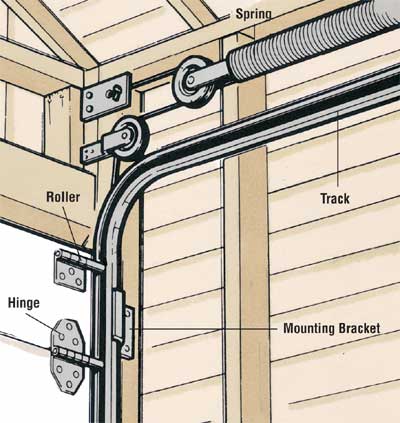
Credit: home.howstuffworks.com
Choosing The Right Garage Door
Picking a garage door is not just about looks. You should consider:
- Material strength: Steel lasts long, wood looks classic, aluminum is light.
- Insulation value: Check the R-value (higher is better for warmth and cooling).
- Security features: Modern doors have strong locks and smart controls.
- Maintenance needs: Steel and aluminum need less care than wood.
- Style and color: Match your home’s design for higher curb appeal.
Comparing Main Materials
Here’s a simple material comparison to help you choose:
| Material | Durability | Maintenance | Cost | Insulation |
|---|---|---|---|---|
| Steel | High | Low | $$ | Good |
| Wood | Medium | High | $$$ | Average |
| Aluminum | Medium | Low | $$ | Poor to Good |
| Fiberglass | Medium | Low | $$ | Good |
Non-obvious insight: Some wood-look steel doors give you the beauty of wood with the strength of steel.
Cost Of Replacing A Garage Door
The price of a new garage door depends on size, material, style, and extra features. Here’s what most US homeowners pay:
- Basic steel door: $600–$1,500 (including install)
- Insulated door: $800–$2,500
- Custom wood door: $1,500–$5,000+
- Smart door opener: Add $200–$700
Labor: Professional installation usually costs $200–$500.
Example: A standard 16-foot steel door with insulation and opener usually totals $1,200–$2,000.
Cost Breakdown
- Door price: 60–80% of total cost
- Installation: 15–25%
- Disposal of old door: 5–10%
Practical tip: Get at least three quotes from local installers for the best deal. Check that the quote includes removal of your old door.

Credit: garageworkstn.com
Diy Vs. Professional Installation
Should you install the garage door yourself or hire a pro? Here’s a quick comparison.
Diy Installation
- Pros:
- Save on labor costs
- Good for handy homeowners
- Cons:
- Takes 4–8 hours
- Heavy lifting and complex parts
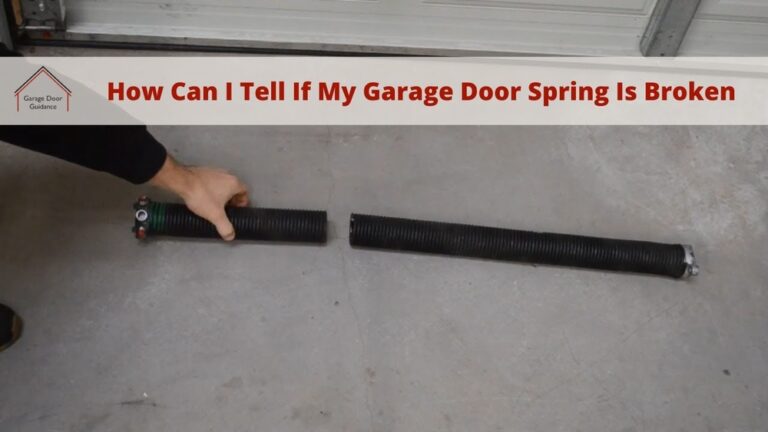
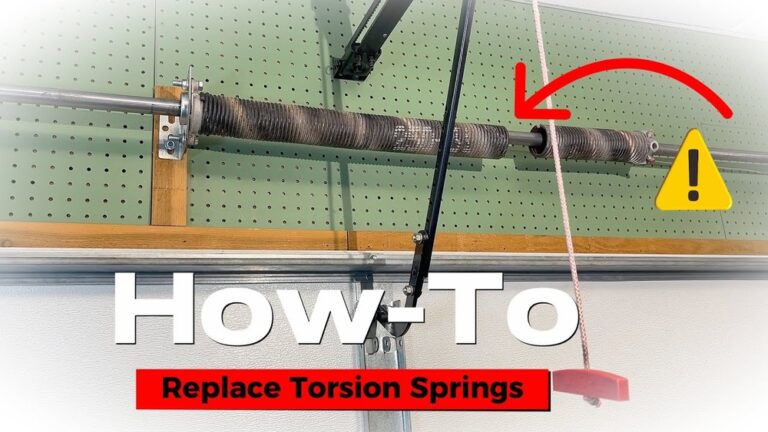
- Risk of injury (springs under high tension)
- May void warranty
Professional Installation
- Pros:
- Fast and safe (2–4 hours)
- Warranty stays valid
- Correct setup and balance
- Cons:
- Extra cost
Non-obvious insight: Most DIYers struggle with garage door spring tension. A small mistake can cause serious injury or damage. If you’re not experienced, always hire a pro.
Step-by-step: How To Replace A Garage Door
If you want to understand the process, here’s what happens during a standard replacement:
- Measure the opening
- Measure width, height, and side room.
- Remove the old door
- Unhook springs, disconnect opener, and carefully take down panels.
- Prepare the frame
- Check for rot, cracks, or damage.
- Install new tracks and hardware
- Align tracks, secure brackets, and check level.
- Assemble and hang new panels
- Start from the bottom, attach hinges as you go.
- Connect springs and cables
- Tension springs correctly (very important for safety).
- Attach opener and test
- Run the door up and down, check for smooth movement.
- Seal and finish
- Add weatherstripping for insulation.
Common beginner mistake: Forgetting to check the opener’s compatibility with the new door. Always confirm before installing.
Energy Efficiency And Insulation
A new garage door can cut your energy bills, especially if your garage is attached to your home.
- Insulated doors keep garages warmer in winter and cooler in summer.
- Look for R-value of 10 or higher for best results.
- Weatherstripping stops drafts and pests.
Example: Upgrading from a non-insulated to an insulated door can save 10–20% on garage heating and cooling costs per year.
Improving Security
Modern garage doors come with strong safety features:
- Steel panels resist forced entry better than thin wood or old aluminum.
- Automatic locks engage every time you close the door.
- Smart openers let you control and monitor your door from a phone.
Tip: Some doors offer rolling code technology, which changes the code every time you use the remote. This prevents code theft.
Garage Door Styles And Curb Appeal
Your garage door is often the first thing people see from the street. A new door can boost your home’s value and look.
Popular styles include:
- Traditional raised panel: Simple, classic, fits most homes.
- Carriage house: Old-world charm, often with windows and decorative hardware.
- Modern flush: Sleek, smooth panels, good for contemporary homes.
Practical tip: Use online design tools to visualize how different doors look on your house before you buy.
Disposal And Recycling Of Old Garage Doors
Don’t forget about your old door. Many installers will remove and dispose of it for a small fee. If you want to do it yourself:
- Steel and aluminum doors can be recycled at metal centers.
- Wood doors can sometimes be reused for projects or donated.
- Remove all hardware (handles, hinges, springs) before recycling.
Non-obvious insight: Some local recycling centers may pay you for scrap metal from your old door.
Maintenance After Replacement
A new garage door needs regular care to last long and work well.
- Lubricate rollers, hinges, and springs every 6 months.
- Clean panels with gentle soap and water.
- Check balance: Disconnect opener, lift door halfway. It should stay in place. If not, call a pro.
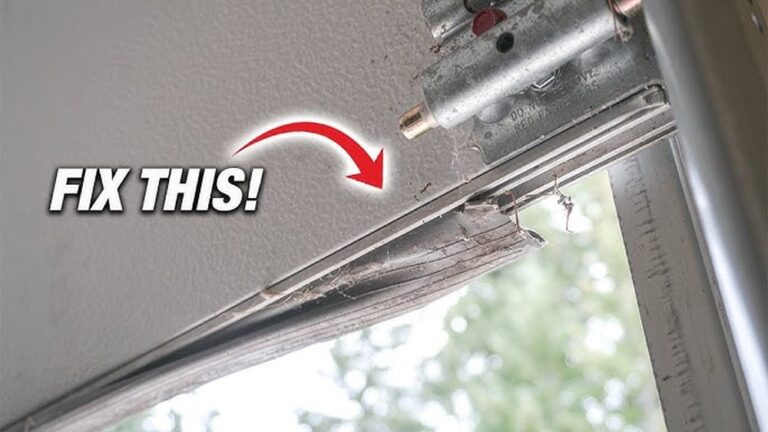
- Inspect weatherstripping once a year and replace if cracked.
Tip: Set a reminder on your phone to do garage door maintenance every spring and fall.
Common Mistakes To Avoid
Beginners often make these errors:
- Ignoring insulation needs: Saving a little money now can cost more in energy later.
- Choosing the wrong opener: Not all openers work with all doors.
- Skipping professional install: Saving on labor can lead to unsafe setup.
- Not checking local rules: Some neighborhoods have style restrictions.
- Overlooking warranty terms: DIY installs may void your warranty.
Practical tip: Always read the manual and warranty before buying or installing.
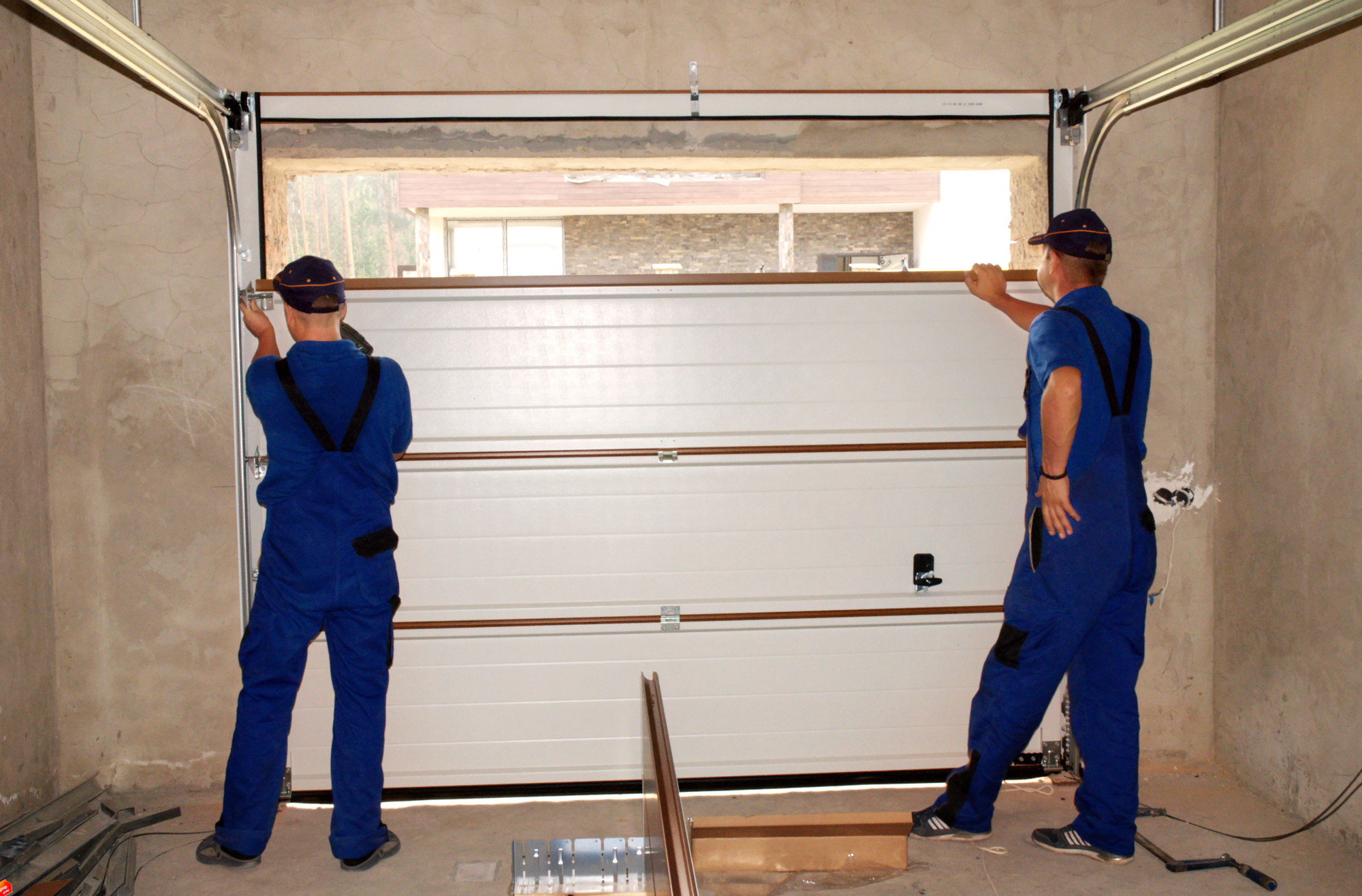
Credit: schaeferdoor.com
Environmental Impact
If you want to go green, choose doors with:
- Recycled steel or aluminum content.
- Low-VOC finishes (less chemical smell and pollution).
- Good insulation to lower heating/cooling needs.
Example: Many modern doors are 70% recycled steel, making them both strong and eco-friendly.
How To Choose An Installer
Picking the right installer is as important as the door itself.
- Check reviews on Google, Yelp, or the Better Business Bureau.
- Ask for proof of insurance and licensing.
- Get a detailed quote in writing.
- Ask about warranty on labor, not just the door.
Tip: Local installers often know city codes and have faster response times for service.
For more details on garage doors and their history, visit Wikipedia.
Frequently Asked Questions
How Long Does A Garage Door Replacement Take?
Most professional installers finish in 2–4 hours. DIY can take 4–8 hours or more, depending on your skill and tools.
Can I Reuse My Old Garage Door Opener?
Sometimes yes, but only if it’s compatible with your new door’s weight and style. Always check the manual or ask your installer.
How Long Does A New Garage Door Last?
With good care, a steel or aluminum garage door lasts 15–30 years. Wood doors may need more maintenance and last 10–20 years.
Will A New Garage Door Increase My Home’s Value?
Yes. According to Remodeling Magazine, replacing your garage door can return up to 102% of its cost when you sell your home.
What Safety Features Should I Look For?
Modern doors should have auto-reverse sensors, strong locks, pinch protection, and smart opener options for best safety.
Replacing a garage door is a smart upgrade for both comfort and value. With the right planning, you’ll enjoy a safer, quieter, and better-looking home for years to come.