
A garage door is one of the largest moving parts in any home. When it works smoothly, you barely notice it. But if your garage door suddenly refuses to open, there’s a good chance the garage door spring is broken. Many homeowners face this problem but feel lost about what to do. This article explains garage door spring repair in simple, clear steps. You’ll learn how the system works, common causes of failure, repair options, costs, and safety tips. If you’re new to home repair, don’t worry. Everything is explained with real examples and practical advice.
How Garage Door Springs Work
Garage doors are heavy—most weigh 120 to 400 pounds. The springs are key parts that make lifting them easy. Without springs, you’d need much more force to open the door.
There are two main types of garage door springs:
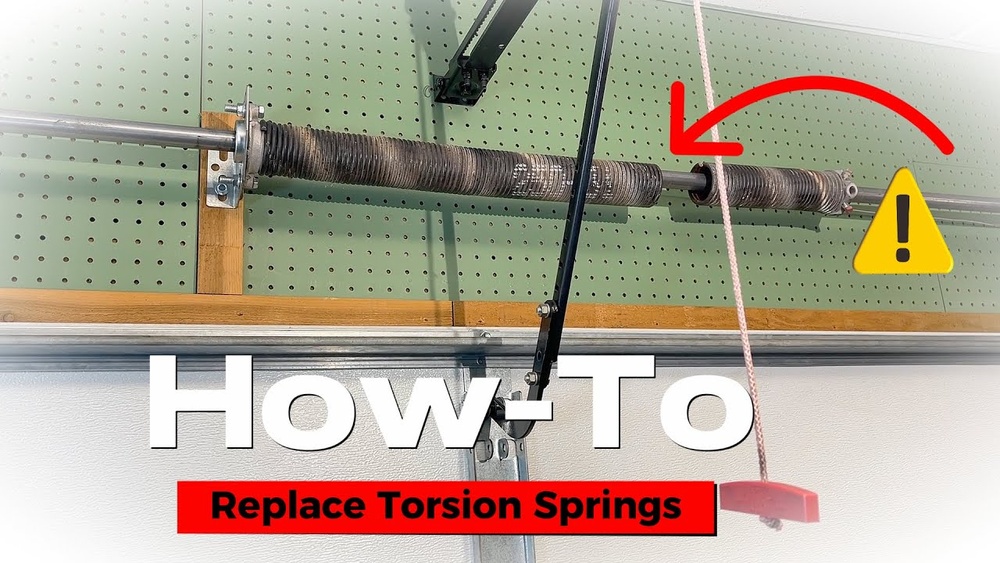
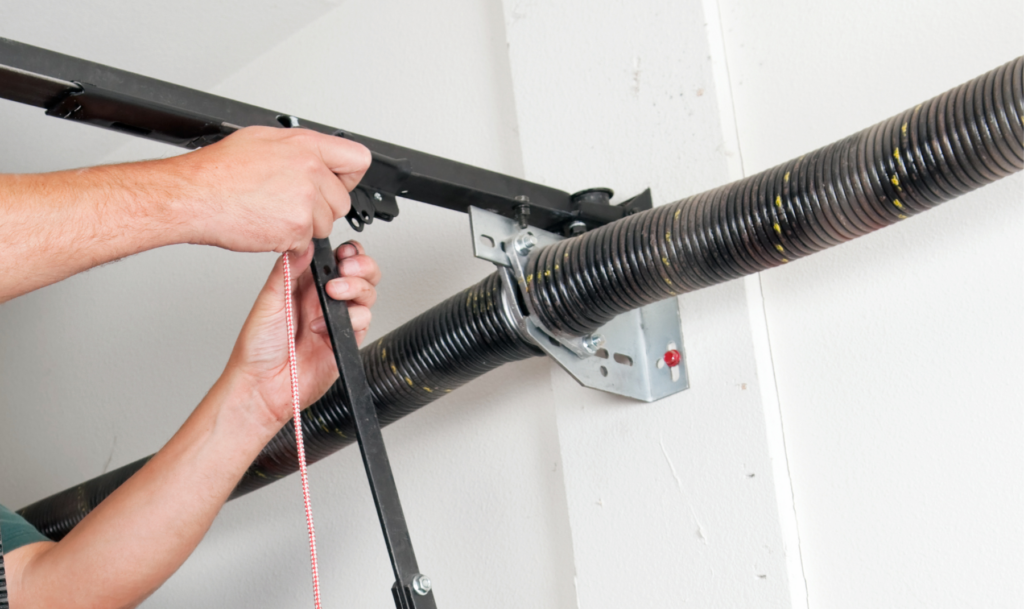
- Torsion springs: Usually mounted above the door. They twist to store energy and unwind to lift the door.
- Extension springs: Located on both sides, parallel to the door tracks. They stretch and contract when the door moves.
Here’s a quick comparison of the two:
| Feature | Torsion Springs | Extension Springs |
|---|---|---|
| Location | Above door opening | Alongside door tracks |
| Durability | 15,000 – 20,000 cycles | 5,000 – 10,000 cycles |
| Safety | Safer if broken | Can snap violently |
| Cost | Higher | Lower |
Cycles mean the number of open/close actions before the spring may break. One cycle is up and down once.
Why Springs Break
Springs have a limited life. Most break because of:
- Metal fatigue from repeated use
- Rust or corrosion making the metal weak
- Poor maintenance (lack of oiling)
- Extreme temperatures (cold or heat)
A spring that lasts 10,000 cycles will survive about 7-10 years for an average family. If you use your garage door as the main entrance, it may break sooner.
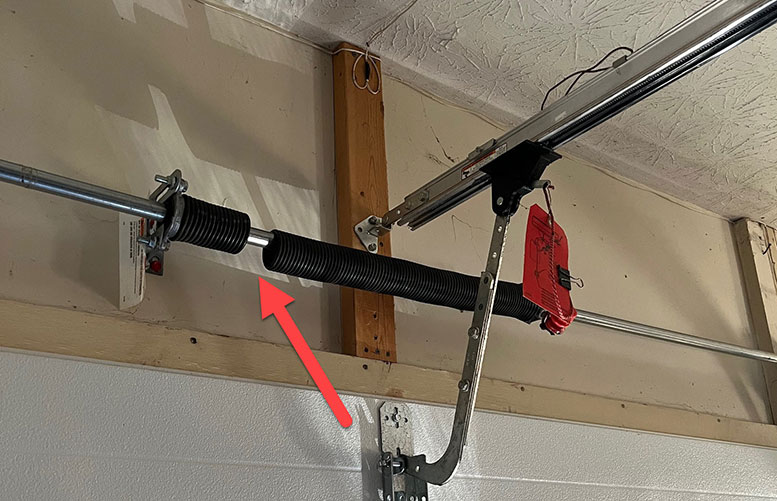
Signs Your Garage Door Spring Is Broken
It’s not always obvious when a spring fails, but these clues help:
- Loud bang from the garage (spring snapping)
- Door won’t open or is very heavy to lift
- Cables look loose or hanging
- Door opens a few inches then stops
- Crooked door (one side higher than the other)
Trying to use the opener with a broken spring can damage the motor or bend door panels. If you notice these signs, stop operating the door.
Credit: mooreoverheaddoor.com
Is Garage Door Spring Repair Safe For Diy?
Many homeowners ask: “Can I fix the spring myself?” The answer is: It’s risky, especially for beginners. Garage door springs are under a lot of tension. If handled wrong, they can snap and cause serious injury.
Torsion springs are more dangerous than extension springs. They can whip around if released suddenly. That’s why most experts recommend hiring a professional unless you have the right tools and experience.
But if you’re curious, here are some facts:
- Every year, thousands of people are injured by DIY garage door repairs.
- Common injuries: Hand lacerations, broken fingers, eye injuries.
- Average ER visit from garage door accidents costs $700–$1,200.
Non-obvious insight: Some insurance policies may not cover injuries from DIY repairs. Always check your coverage before starting.
Step-by-step: What Happens During A Professional Garage Door Spring Repair
If you call a pro, here’s what to expect:
- Inspection: The technician checks what type of spring you have and the overall door condition.
- Securing the door: Clamps or locking pliers are used so the door doesn’t move during work.
- Removing the old spring: Carefully unwinding torsion springs with special bars (never screwdrivers).
- Installing the new spring: Matching the right size and tension for your door’s weight.
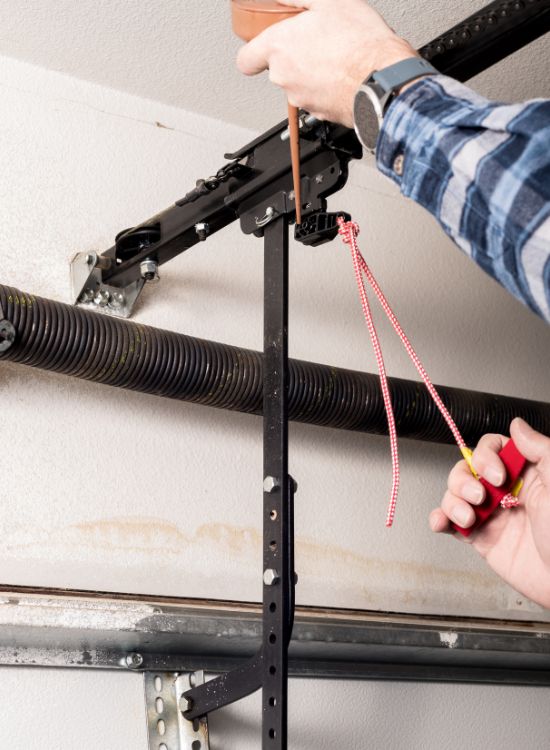
- Lubricating: Applying special oil to make the system run smoothly.
- Testing: Opening and closing the door several times to check balance and function.
Here’s a simple example:
> Your 16-foot double garage door has a broken torsion spring. The technician removes the old spring, measures the door, and installs a new spring rated for 180-pound doors. The whole job takes about 60–90 minutes.
Credit: www.habprogaragedoors.com
Costs Of Garage Door Spring Repair
Prices vary depending on spring type, location, and labor rates. Here’s a typical cost breakdown in the US:
| Spring Type | Parts Only | Parts + Labor |
|---|---|---|
| Single Torsion Spring | $40–$100 | $150–$300 |
| Double Torsion Springs | $60–$180 | $200–$400 |
| Extension Springs | $20–$50 each | $120–$250 |
- Travel fees and emergency calls can add $50–$100.
- Replacing both springs at once is often cheaper per spring and ensures balanced operation.
Tip: Get quotes from at least two companies. Check their reviews and insurance status.
How To Choose The Right Garage Door Springs
If you buy springs yourself, you need the exact size and type. Springs that are too strong or weak can damage the door or opener. Here’s what to check:
- Length (unwound)
- Inside diameter
- Wire thickness
- Wind direction (left- or right-wound for torsion springs)
Most springs have a color code or label. If not, measure carefully or take the old spring to a supplier.
Here’s a quick reference guide:
| Door Weight | Spring Type | Suggested Cycles |
|---|---|---|
| Up to 150 lbs | Single Torsion | 10,000+ |
| 150–250 lbs | Double Torsion | 15,000–20,000 |
| Up to 100 lbs | Extension | 5,000–10,000 |
Non-obvious insight: Springs rated for more cycles (20,000+) cost more upfront but last twice as long. This is a smart buy for busy households.
Maintenance Tips To Extend Spring Life
You can’t stop all wear and tear, but good habits help springs last longer:
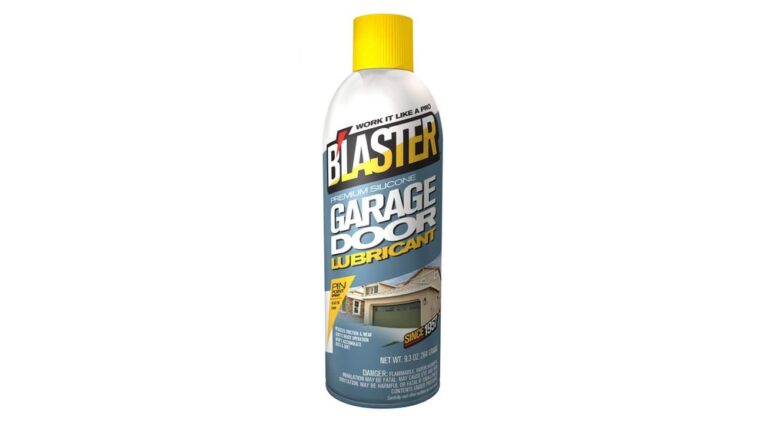
- Lubricate springs every 3–6 months with garage door spray oil.
- Clean off rust with a dry cloth; avoid water.
- Check door balance every 6 months: Disconnect opener, lift door halfway, and see if it stays put. If it falls or shoots up, springs are unbalanced.
- Inspect cables and pulleys for fraying or wear.
- Schedule annual service with a pro if you use the door often.
Most people ignore their garage door until it breaks. A few minutes of care each year can save hundreds in repair bills.
Common Mistakes To Avoid
- Trying to lift a heavy door alone: You can strain your back or cause more damage.
- Using the opener with a broken spring: This can burn out the motor.
- Mixing old and new springs: Always replace both if your door uses two. Old springs can fail soon after.
- Guessing spring size: Wrong size leads to more repairs.
- Skipping safety cables: For extension springs, always use safety cables. They catch the spring if it snaps.
When To Replace Vs. Repair
Most springs are not “repaired”—they are replaced. You should replace springs if:
- They’re broken or have visible gaps.
- There’s rust or warping.
- The door is very unbalanced.
Sometimes, the problem is not the spring but a loose cable or a faulty opener. A good technician will check the whole system and suggest the right fix.
How To Find A Reliable Garage Door Repair Professional
Choosing a trustworthy repair company is important. Here’s what to look for:
- License and insurance: Protects you from accidents.
- Clear estimates: No hidden fees.
- Good reviews: Check Google or Yelp ratings.
- Warranty: At least 1 year on parts and labor.
Ask for details about the springs they’ll use (brand, cycle rating, warranty). Quality springs from well-known brands last longer and are worth the extra cost.
For more information on garage door safety and standards, see the HomeAdvisor Garage Door Safety Guide.
Credit: rainierdoor.com
Frequently Asked Questions
How Do I Know If My Garage Door Spring Is Broken?
If you hear a loud snap, the door feels extremely heavy, or will not open more than a few inches, your spring is likely broken. Check for a visible gap in the spring or loose cables.
Can I Replace A Garage Door Spring By Myself?
It’s not recommended for beginners. Garage door springs are under high tension and can cause injury if handled incorrectly. Only attempt DIY if you have proper tools and understand the risks.
How Long Do Garage Door Springs Last?
Most springs last between 7 and 12 years, or about 10,000 cycles. High-cycle springs (20,000 cycles) can last up to 20 years with good maintenance.
Should Both Garage Door Springs Be Replaced At The Same Time?
Yes. If one spring breaks, the other is usually close to the end of its life. Replacing both ensures balanced lifting and prevents a second repair soon after.
What Is The Cost Difference Between Torsion And Extension Springs?
Torsion springs are more expensive but last longer and are safer. Extension springs are cheaper but may need earlier replacement. Expect to pay $150–$400 for torsion spring replacement, and $120–$250 for extension springs (parts and labor).
A working garage door makes life easy and secure. When springs break, it’s frustrating—but understanding the problem helps you get the right fix safely. Remember: safety comes first. If you’re unsure, call a pro. Regular maintenance, good spring choice, and quick action when you spot trouble will keep your garage door running smoothly for years.