
When your garage door won’t close, it can be stressful and inconvenient. Maybe you’re late for work, or it’s starting to rain. The good news is that most garage door problems are simple to fix—even for beginners. This guide will walk you through the most common reasons your garage door won’t close, how to troubleshoot, and what to do next. If you’re looking for clear, easy-to-follow help, you’re in the right place.
Common Reasons Your Garage Door Won’t Close
Many homeowners experience this issue at least once. Let’s break down the main reasons a garage door refuses to close and what they mean.
1. Obstructed Sensors
Garage doors use safety sensors (called photo eyes) to stop if something is in the way. If something blocks these, the door won’t close.
2. Dirty Or Misaligned Sensors
Even if nothing is in the way, dirt or a small bump can knock sensors out of position.
3. Remote Control Problems
Dead batteries, interference, or distance can all make your remote fail.
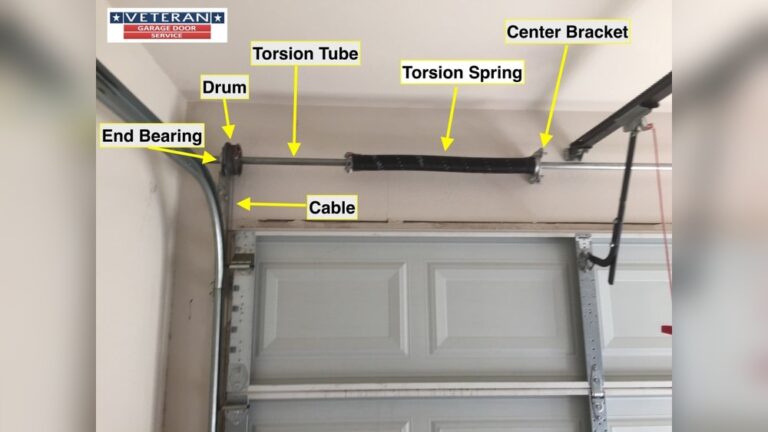
4. Broken Springs Or Cables
These are critical parts. If they snap, the door may not move at all.
5. Track Issues
Bent or blocked tracks can make the door stick partway.
6. Manual Lock Engaged
Some doors have a manual lock that stops the door from closing.
7. Limit Settings Need Adjustment
Garage door openers have settings that tell them how far to travel. If these are off, the door might stop early or reverse.
8. Obstructions In The Path
A forgotten tool, a bike tire, or even snow can block the door’s path.
How Garage Door Sensors Work
Understanding how the safety sensors work helps you fix many problems yourself.
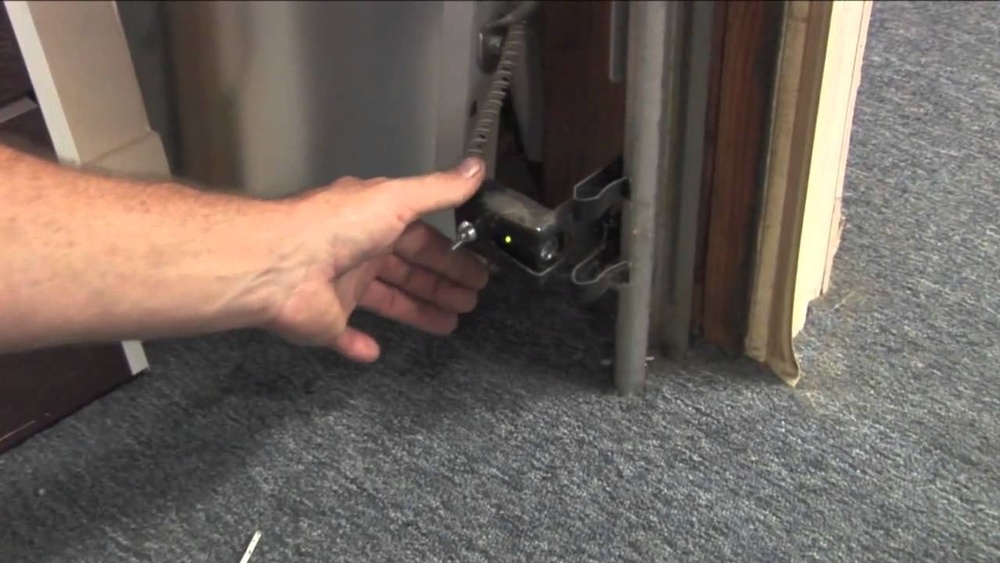
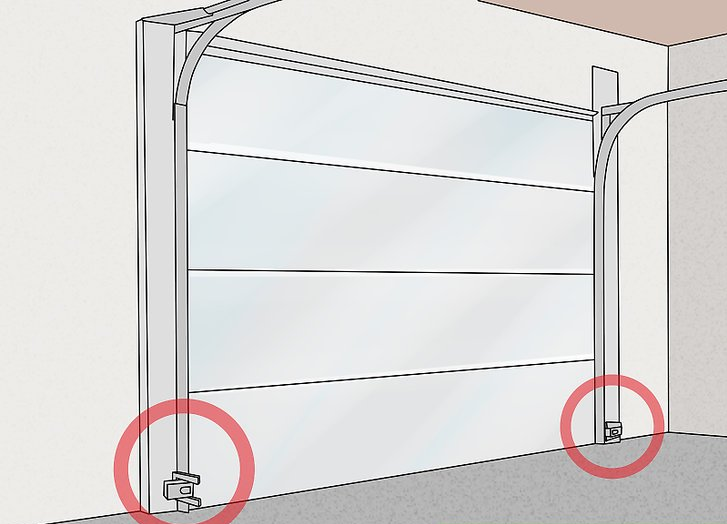
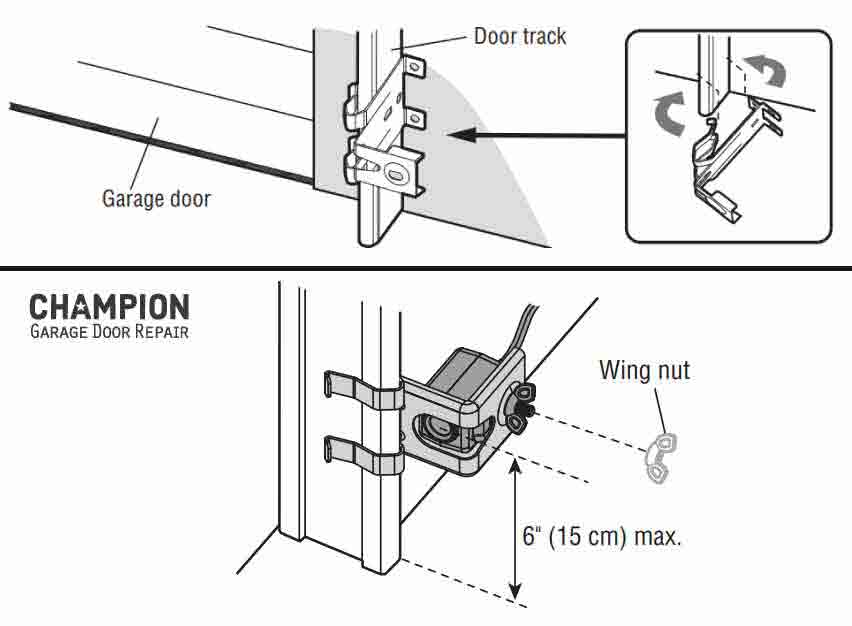
- Photo eyes are two small boxes, one on each side of the door, about 4–6 inches off the ground.
- They send an invisible beam between them. If anything breaks the beam, the door will not close.
- If the sensors are dirty, out of alignment, or have wiring issues, the opener thinks something is in the way—even if it’s not.
Pro Tip: The small lights on each sensor should be solid. If one is flashing or off, there’s a problem.

Credit: www.youtube.com
Step-by-step Troubleshooting
Let’s look at what you can do, step by step, to find and fix the problem.
1. Check For Obstructions
- Move anything near the door out of the way.
- Don’t forget to check for small objects or debris near the tracks.
2. Inspect The Sensors
- Look for dirt, spider webs, or water on the sensor lenses.
- Wipe them gently with a soft, dry cloth.
- Make sure both sensors face each other directly. If one is out of line, gently adjust it.
3. Look At The Sensor Lights
- Both should show steady lights. If one is blinking or off:
- Check the wires for damage.
- Try moving the sensor slightly until the light stays steady.
4. Test The Door With The Wall Button
- If the remote won’t close the door, try the wall button inside your garage.
- If the door closes with the wall button but not the remote, the problem is likely with the remote or its batteries.
5. Replace Remote Batteries
- Remove the battery cover and switch the old battery for a new one.
- If you have a second remote, test it to see if it works.
6. Check The Tracks
- Look for bends, dents, or anything stuck in the tracks.
- Gently clear any debris and straighten minor bends with pliers (if you feel comfortable).
7. Test The Manual Lock
- Some doors have a slide lock on the inside. Make sure it’s open and not blocking the door.
8. Adjust The Limit Settings
Garage door openers have limit screws or dials. These tell the opener how far up and down to move.
- If your door closes partway, then reverses, the settings may be off.
- Check your opener’s manual for instructions. Usually, you’ll see two screws marked “up” and “down.”
- Adjust in small turns, testing after each adjustment.
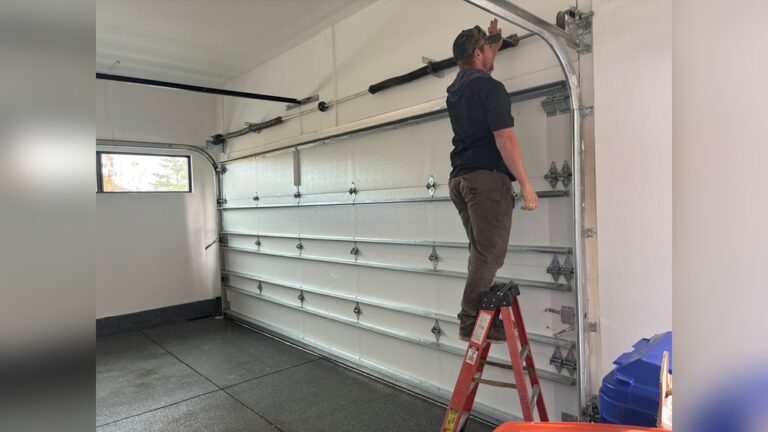
9. Inspect Springs And Cables
- Look for broken or loose springs and cables.
- Don’t try to fix these yourself—call a professional. Springs are under high tension and can be dangerous.
10. Unplug And Reset The Opener
- Unplug the garage door opener for 30 seconds, then plug it back in.
- This can reset the system and clear minor faults.
Quick Reference: Common Fixes And Results
Here’s a handy comparison of problems, quick fixes, and when to call for help:
| Problem | DIY Fix | Call a Pro |
|---|---|---|
| Obstructed sensors | Remove objects, clean lenses | No |
| Misaligned sensors | Realign sensors | No |
| Broken springs/cables | None (too dangerous) | Yes |
| Remote not working | Replace batteries, reprogram | No |
| Track issues | Remove debris, minor straightening | If badly bent |
| Limit setting problem | Adjust limits | If unsure how |
Understanding Garage Door Opener Lights
Most garage door openers use flashing lights to show errors. Here’s what some common patterns mean:
| Light Pattern | Possible Issue |
|---|---|
| Flashing quickly | Sensor blocked or misaligned |
| Steady light | Normal operation |
| No light | Power or wiring problem |
Example:
If your opener’s light flashes 10 times when you try to close the door, it often means a sensor is blocked or misaligned.
Advanced Causes And Less Obvious Issues
Sometimes, the problem is harder to spot. Here are two insights many beginners miss:
1. Sunlight Interference
Direct sunlight on a sensor can “blind” it. If your door won’t close only at certain times of day, try shading the sensor with a small piece of cardboard.
2. Wiring Issues
Wires running to the sensors or wall switch can become loose or chewed by pests. Gently check the wires for damage or loose connections.
Credit: overheaddoor7riversregion.com
When To Call A Professional
While many problems are simple, some need expert help. Call a garage door pro if:
- You see a broken spring or loose cable.
- The opener makes noise but the door doesn’t move.
- You’ve tried the steps above and nothing works.
Safety Tip: Never try to replace springs or cables yourself. These parts can cause serious injury if handled wrong.
Preventing Future Problems
A little maintenance goes a long way. Here’s what you can do:
- Clean the sensors every few months.
- Keep the tracks clear of debris.
- Test the door’s balance twice a year by disconnecting the opener and lifting the door by hand (it should stay up on its own at about 3 feet off the ground).
- Replace remote batteries once a year.
Did you know? According to the International Door Association, regular maintenance can reduce garage door breakdowns by up to 70%.
Practical Example: Fixing A Door That Won’t Close
Let’s say you press your remote and the door starts to close, but then reverses and opens again. Here’s how you’d troubleshoot:
- Check for objects in the door’s path.
- Look at the sensors—one is blinking.
- Wipe the sensors clean and realign them until both lights are steady.
- The door now closes smoothly.
This step-by-step approach works for most common problems and saves you time and money.
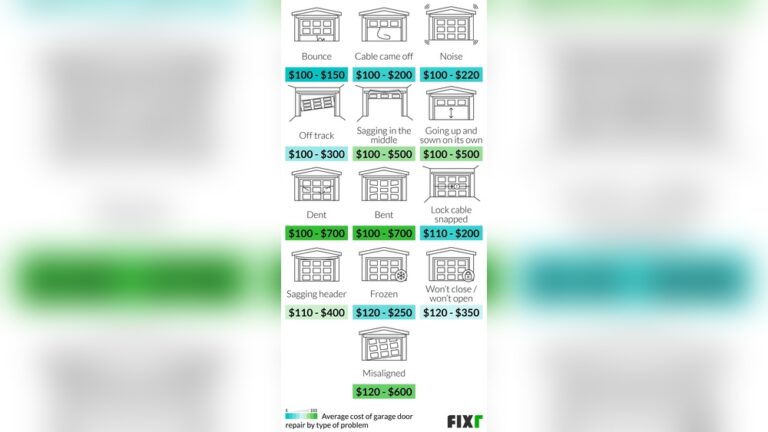
Cost Comparison: Diy Fixes Vs Professional Repairs
Wondering how much you can save by fixing simple problems yourself? Here’s an estimate:
| Issue | DIY Cost | Pro Service Cost |
|---|---|---|
| Cleaning sensors | $0 | $75–$125 |
| Aligning sensors | $0 | $75–$150 |
| Replacing remote battery | $2–$5 | $50–$100 |
| Replacing springs/cables | Not safe for DIY | $150–$350 |
| Track cleaning/adjustment | $0 | $100–$200 |
Tip: For simple fixes, most homeowners can save $75–$150 per problem.
Credit: garagedoorchamp.com
How To Avoid Common Mistakes
Beginners often make these errors:
- Forcing the door shut (can damage the system)
- Ignoring blinking sensor lights
- Using the remote repeatedly (can burn out the opener)
Always look for the root cause. Don’t just try to force the door closed.
Trusted Resources For More Help
If you want more technical details or need your opener’s manual, check the HomeAdvisor Garage Door Troubleshooting Guide. It’s a reliable source for in-depth information.
Frequently Asked Questions
Why Does My Garage Door Start To Close, Then Reverse?
This usually means something is blocking the safety sensors or they are misaligned. Check for objects in the path and make sure both sensors have a steady light.
Can Weather Affect My Garage Door Sensors?
Yes. Rain, snow, or direct sunlight can cause sensors to stop working. Keep them clean and, if needed, shade them from sunlight.
What Should I Do If My Garage Door Only Closes When I Hold The Wall Button?
This often means the safety sensors are not seeing each other. Clean and realign them until both lights are steady.
How Do I Reset My Garage Door Opener?
Unplug the opener for 30 seconds, then plug it back in. Some models also have a reset button—check your manual.
Is It Safe To Fix A Broken Spring Myself?
No. Garage door springs are under high tension and can cause serious injury. Always call a professional for spring or cable repairs.
A garage door that won’t close is frustrating but often simple to fix. By checking sensors, clearing tracks, and replacing remote batteries, you can solve most problems in minutes. For anything involving springs or cables, play it safe—call a pro.
With these tips, you can get your garage door working smoothly and avoid future headaches.