
A cold garage can make winter projects tough and even damage your car, tools, or stored items. For many homeowners, heating the garage is a smart step. But a common question comes up: What size garage heater do I need? Choosing the right heater size is not guesswork. If your heater is too small, it can’t keep up. If it’s too large, you waste energy and money. The right size means comfort, safety, and efficiency.
This guide explains how to calculate the perfect garage heater size for your space. You’ll find beginner-friendly steps, simple math, and real examples. By the end, you’ll be ready to pick a heater that fits your garage and climate.
Why Garage Heater Size Matters
The size of your garage heater directly affects its performance. An undersized heater will struggle, leading to cold spots and higher energy bills. An oversized unit heats quickly but cycles on and off, which wears out parts and wastes electricity.
The right heater size means:
- Even warmth in all corners
- Lower energy costs
- Longer heater life
- Safer operation
Some people think bigger is always better. That’s a mistake. Sizing your garage heater properly is key to comfort and efficiency.
Key Factors That Affect Heater Size
Before you can use a garage heater size calculator, you need to know what factors matter most. Here are the essentials:
- Garage Size: The larger the garage, the more heat you need. Measure length, width, and height.
- Insulation: Well-insulated garages lose less heat. Poorly insulated spaces need more heating power.
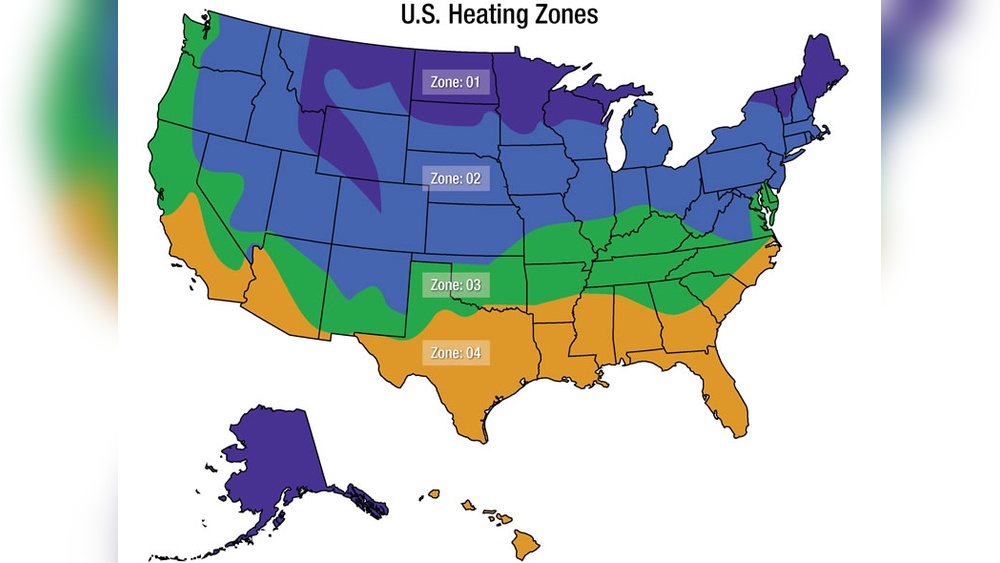
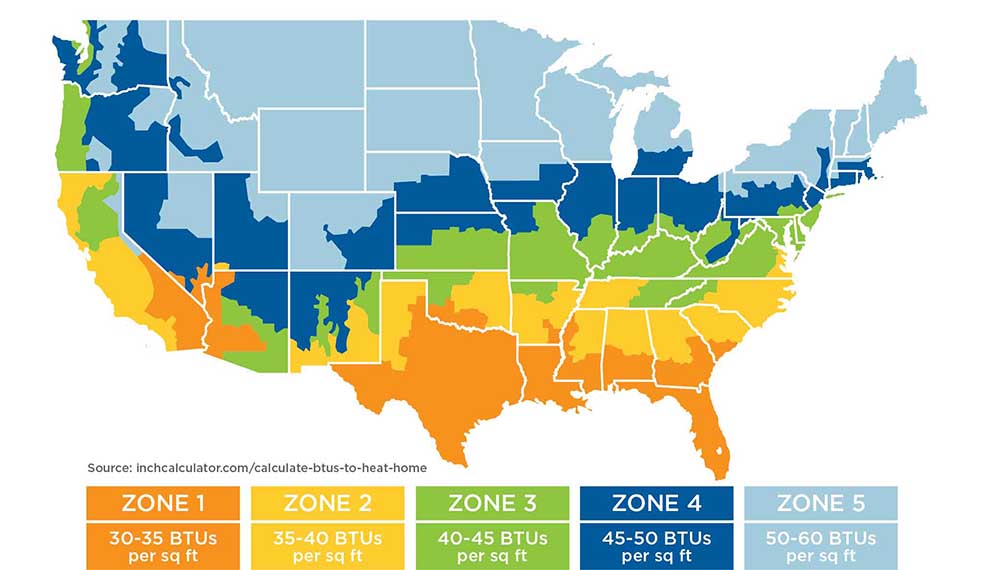
- Climate Zone: Colder regions require bigger heaters.
- Desired Temperature Rise: How warm do you want your garage to be compared to the outside?
- Garage Use: Workshops need more heat than simple storage.
- Door and Window Quality: Old, drafty doors/windows lose heat fast.
Missing any of these can lead to the wrong heater size.

Credit: thefurnaceoutlet.com
How To Measure Your Garage
Start with accurate measurements. You’ll use these for all heater size calculations.
- Length: Measure the longest wall.
- Width: Measure the wall at a right angle to the length.
- Height: Measure from floor to ceiling.
Example: A typical 2-car garage might be 24 feet long, 20 feet wide, and 9 feet high.
Calculate garage volume:
Length × Width × Height = Total Cubic Feet
For our example:
24 ft × 20 ft × 9 ft = 4,320 cubic feet
What Is Btu And Why Does It Matter?
BTU stands for British Thermal Unit. It measures how much heat a heater can produce. The higher the BTU rating, the more powerful the heater.
For garage heaters, BTU/hour tells you how much heat is released every hour. This is the key number you’ll calculate.
The Simple Garage Heater Size Formula
You don’t need to be an engineer. Here’s a beginner-friendly formula:
BTU/hr = Garage Volume × Temperature Rise × Insulation Factor
Let’s break it down:
- Garage Volume: Measured in cubic feet.
- Temperature Rise: The difference between desired garage temperature and the coldest outdoor temperature.
- Insulation Factor: A number that adjusts for your garage’s insulation.
Insulation Factor Guide
- Poor insulation: 1.5
- Average insulation: 1.2
- Good insulation: 1.0
Step-by-step: Using A Garage Heater Size Calculator
Here’s how to use the formula for your space:
1. Measure Your Garage
Suppose your garage is 22 ft long, 18 ft wide, and 8 ft high.
- 22 × 18 × 8 = 3,168 cubic feet
2. Decide On Temperature Rise
If the coldest outside temperature is 20°F and you want the garage at 55°F, the rise is:
- 55°F − 20°F = 35°F
3. Check Insulation
Let’s say your garage has average insulation, so use 1. 2.
4. Plug Into The Formula
BTU/hr = 3,168 × 35 × 1.2 = 133,056
But this number is much higher than most heaters. Why? Because the formula above is an over-simplification. Most calculators use a factor of 0.133 to adjust for efficiency and average heat loss.
So, the improved formula is:
BTU/hr = Garage Volume × Temperature Rise × 0.133 × Insulation Factor
Now, let’s do the math:
- 3,168 × 35 × 0.133 × 1.2 = 17,738 BTU/hr
For most 2-car garages, you’ll need a heater in the 15,000–25,000 BTU/hr range.
Practical Data: Btu Requirements By Garage Size
See how BTU needs change with garage size and insulation. These values assume a 35°F temperature rise.
| Garage Size (ft) | Volume (cu ft) | Good Insulation (BTU/hr) | Poor Insulation (BTU/hr) |
|---|---|---|---|
| 12x20x8 (1-car) | 1,920 | 8,960 | 13,440 |
| 20x20x8 (2-car) | 3,200 | 14,933 | 22,400 |
| 24x24x9 (3-car) | 5,184 | 24,174 | 36,288 |
*BTUs are estimates using 0. 133 for average climates. *
Electric Vs Gas Garage Heaters: Sizing Differences
Electric heaters are measured in watts. To convert BTU/hr to watts, use this formula:
1 watt = 3.41 BTU/hr
Example:
A 10,000 Btu/hr Heater = 2,932 Watts
Gas heaters are always rated in BTU/hr.
Here’s a quick comparison for common garage sizes:
| Garage Size | BTU/hr Needed | Watts Needed |
|---|---|---|
| 1-car | 9,000–13,000 | 2,600–3,800 |
| 2-car | 15,000–22,000 | 4,400–6,450 |
| 3-car | 24,000–36,000 | 7,000–10,500 |
Real-world Example Calculation
Let’s say you have a 2-car garage in Chicago:
- Size: 20x22x9 ft = 3,960 cu ft
- Coldest temp: 10°F
- Desired temp: 50°F
- Temperature rise: 40°F
- Insulation: Average (1.2)
Step 1: Multiply volume by temp rise
3,960 × 40 = 158,400
Step 2: Multiply by 0.133
158,400 × 0.133 = 21,067
Step 3: Multiply by insulation factor
21,067 × 1.2 = 25,280 Btu/hr
You need a heater rated for 25,000–30,000 BTU/hr.
How Insulation Changes Your Needs
Many beginners forget insulation is as important as heater size. Poor insulation can double your heating needs.
- Good insulation: Lower energy use, smaller heater
- Bad insulation: Higher bills, larger heater, uneven warmth
If your garage is uninsulated, consider adding basic insulation before buying a bigger heater. This small upgrade can save hundreds each year.
Credit: www.fondation-enovos.lu
Common Mistakes When Sizing Garage Heaters
- Ignoring ceiling height: Taller garages need more heat.
- Forgetting drafty doors/windows: Gaps lose heat fast.
- Not adjusting for climate: Warmer areas need less heating power.
- Confusing BTU with watts: Always convert for electric heaters.
- Skipping insulation check: This can lead to buying a unit too large or too small.
Choosing The Right Heater Type
There are several garage heater types. Each has pros and cons.
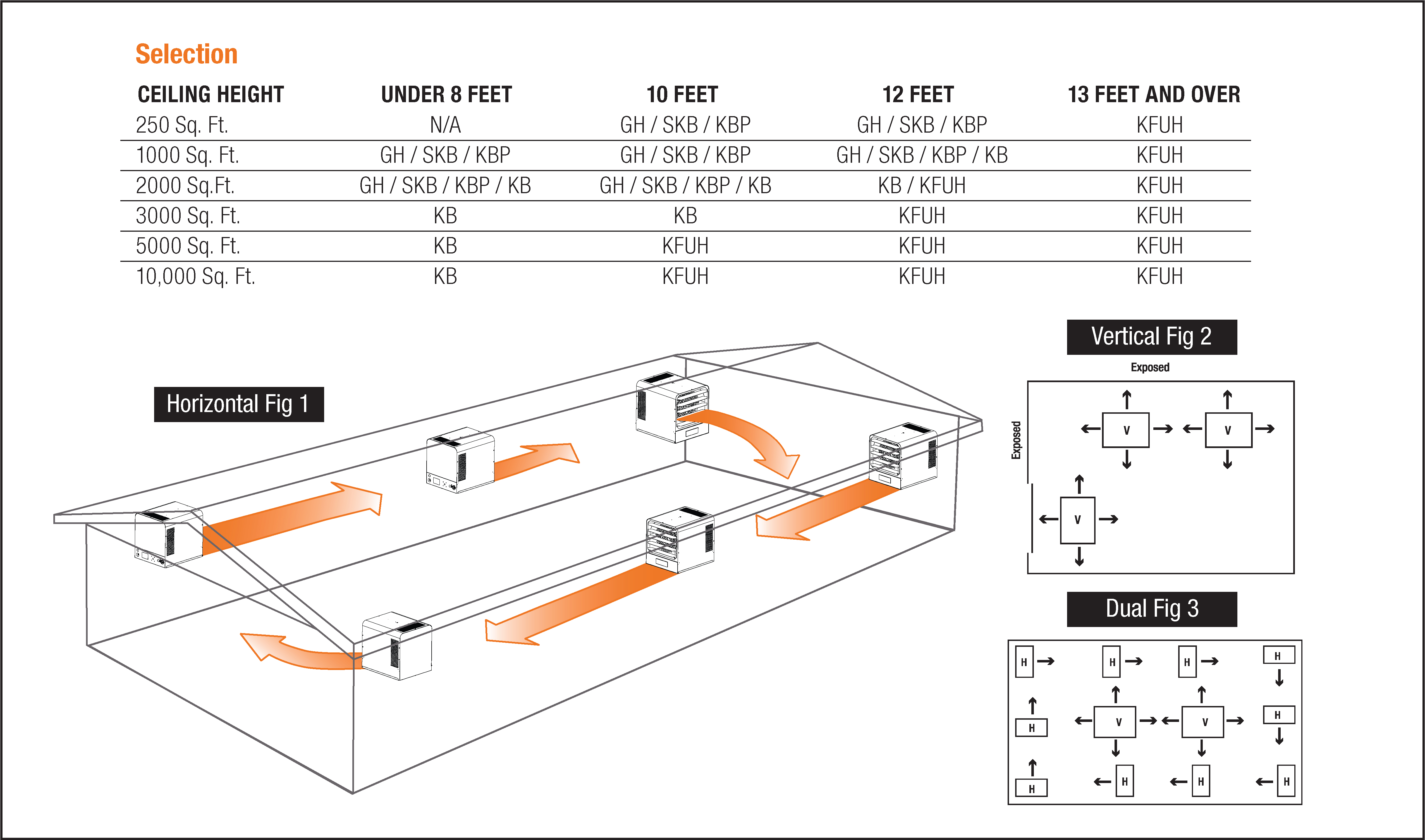
- Forced air heaters: Heat air quickly, good for occasional use
- Infrared/radiant heaters: Heat objects and people, best for workshops
- Electric heaters: Easy to install, good for small/medium garages
- Natural gas/propane: Powerful, better for large/uninsulated garages
Pick a type that matches your garage size and how you use the space.
Credit: www.kommonschool.com
Garage Heater Size Calculator Tools
Manual math works, but online calculators make things faster. Input your garage’s details and get an instant BTU recommendation.
Popular calculator features:
- Custom temperature targets
- Insulation level options
- Climate zone adjustments
For a reliable online calculator, visit the Calculator.net BTU Calculator.
Advanced Tips For Accurate Sizing
- Round up, not down: If your BTU need is between sizes, choose the next size up.
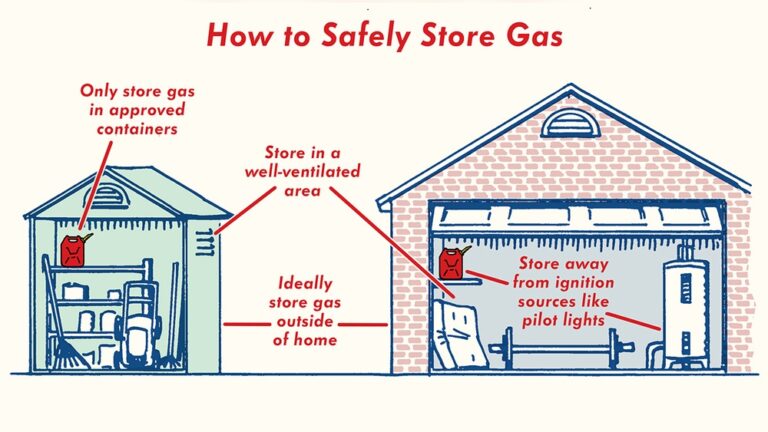
- Consider garage contents: If you store liquids, paint, or tools, keep the temp above freezing.
- Add a buffer for attached garages: Add 10% BTUs for attached garages with living space above.
- Use a programmable thermostat: This keeps the temperature steady and saves money.
- Seal gaps and weatherstrip: Do this before sizing your heater to avoid oversizing.
Quick Reference: Sizing At A Glance
For most garages, these quick estimates work well:
- 1-car garage: 9,000–13,000 BTU/hr
- 2-car garage: 15,000–22,000 BTU/hr
- 3-car garage: 24,000–36,000 BTU/hr
If your garage is very tall, poorly insulated, or in a cold climate, increase the BTU rating by 25–50%.
Frequently Asked Questions
How Do I Know If My Garage Heater Is Too Small?
If your heater runs constantly but never reaches your target temperature, it’s likely too small. Cold spots or uneven warmth are other signs.
Can I Use A Space Heater In My Garage?
Small electric space heaters can work for tiny garages or spot heating. For full garages or cold climates, a dedicated garage heater is safer and more effective.
How Much Does It Cost To Run A Garage Heater?
Costs depend on heater size, fuel type, insulation, and climate. On average, a 15,000 BTU electric heater costs about $0. 50–$1. 00 per hour at standard US electricity rates.
Should I Insulate My Garage Before Buying A Heater?
Yes. Adding insulation can let you use a smaller, cheaper heater and save on bills. Insulation is often the best investment.
Where Should I Install My Garage Heater?
Install the heater away from flammable items and ensure good airflow. Forced air heaters work best on one wall, while radiant heaters should aim at work areas.
A warm garage starts with the right heater size. Take time to measure, calculate, and consider your climate and insulation. The effort pays off in comfort, safety, and lower energy bills. Whether you use a manual formula or an online calculator, always size for your real needs, not just garage square footage.
With the right heater, your garage can be a comfortable, productive space all winter long.