
A noisy garage door is more than just an annoyance. That strange squeak, grind, or bang can wake up your family, bother your neighbors, and even signal a deeper problem with your garage door system. Many homeowners ignore garage door noise because it seems harmless, but understanding and fixing the noise early can save you money and stress down the road.
Learning why your garage door is noisy is easier than you think. Most causes are simple and can be fixed at home with basic tools and a little knowledge. In this article, you’ll discover the main reasons garage doors get loud, how to solve them step-by-step, and when to call a professional.
You’ll also find real examples, practical tips, and easy-to-follow tables to make your repair journey smooth.
Why Is My Garage Door Noisy?
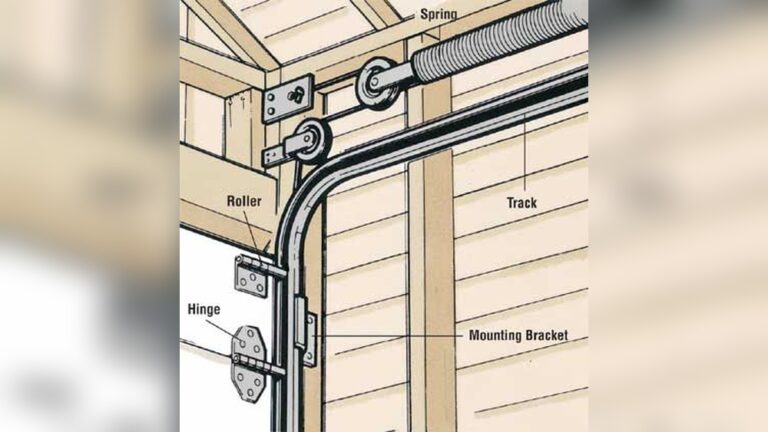
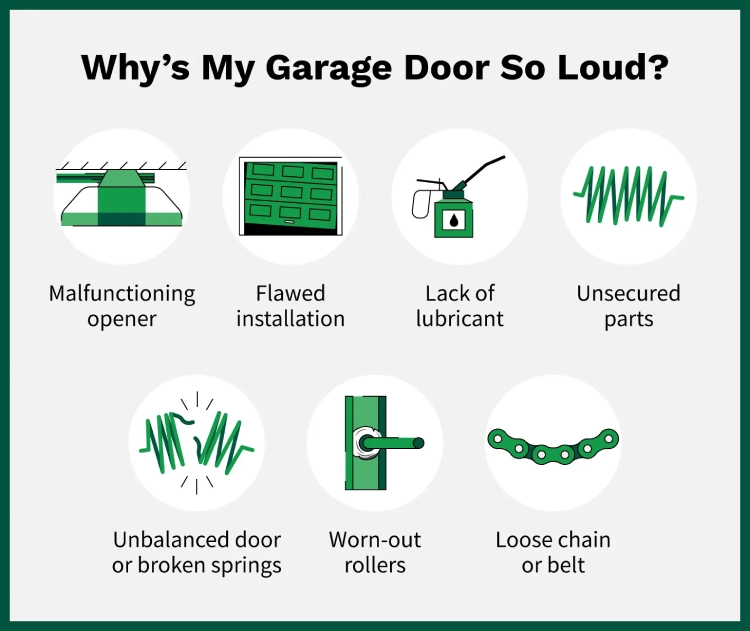
Garage doors are made of many moving parts. If just one part isn’t working right, you’ll hear it. Here are the most common reasons for a noisy garage door:
- Worn rollers: Old or metal rollers often squeak or grind as they move.
- Loose hardware: Bolts, nuts, or hinges that aren’t tight can rattle or bang.
- Lack of lubrication: Dry parts cause friction, leading to screeching noises.
- Misaligned tracks: If the door isn’t sliding straight, you’ll hear scraping sounds.
- Old opener: Chain-driven openers are noisier than belt-driven models.
- Damaged springs: Broken or weak springs can snap or creak loudly.
Each sound gives a clue about what’s wrong. For example, a high-pitched squeal usually means rollers or hinges need lubrication, while a loud bang might mean a spring problem.
Types Of Garage Door Noise And What They Mean
Different noises point to different problems. Here’s a quick guide:
| Noise Type | Common Cause | Example Sound |
|---|---|---|
| Squeaking | Lack of lubrication | Shoe squeak |
| Grinding | Worn rollers or opener gear | Metal rubbing |
| Banging | Loose hardware or spring | Hammer hit |
| Rattling | Loose bolts or tracks | Shaking metal |
| Popping | Springs or panel stress | Popcorn popping |
Insight: Many beginners mistake a loud opener for door problems. If the noise is coming from the motor, you may need to upgrade to a quieter model.
Credit: www.ancooverheaddoor.com
Simple Steps To Reduce Garage Door Noise
Fixing a noisy garage door is possible for most homeowners. Follow these beginner-friendly steps:
1. Tighten All Hardware
Garage doors move up and down many times a week. Over time, bolts and nuts can loosen.
- Use a socket wrench to check and tighten all bolts, screws, and hinges.
- Focus on the tracks, brackets, and opener mounts.
Tip: Do not overtighten. Just make sure everything is snug.
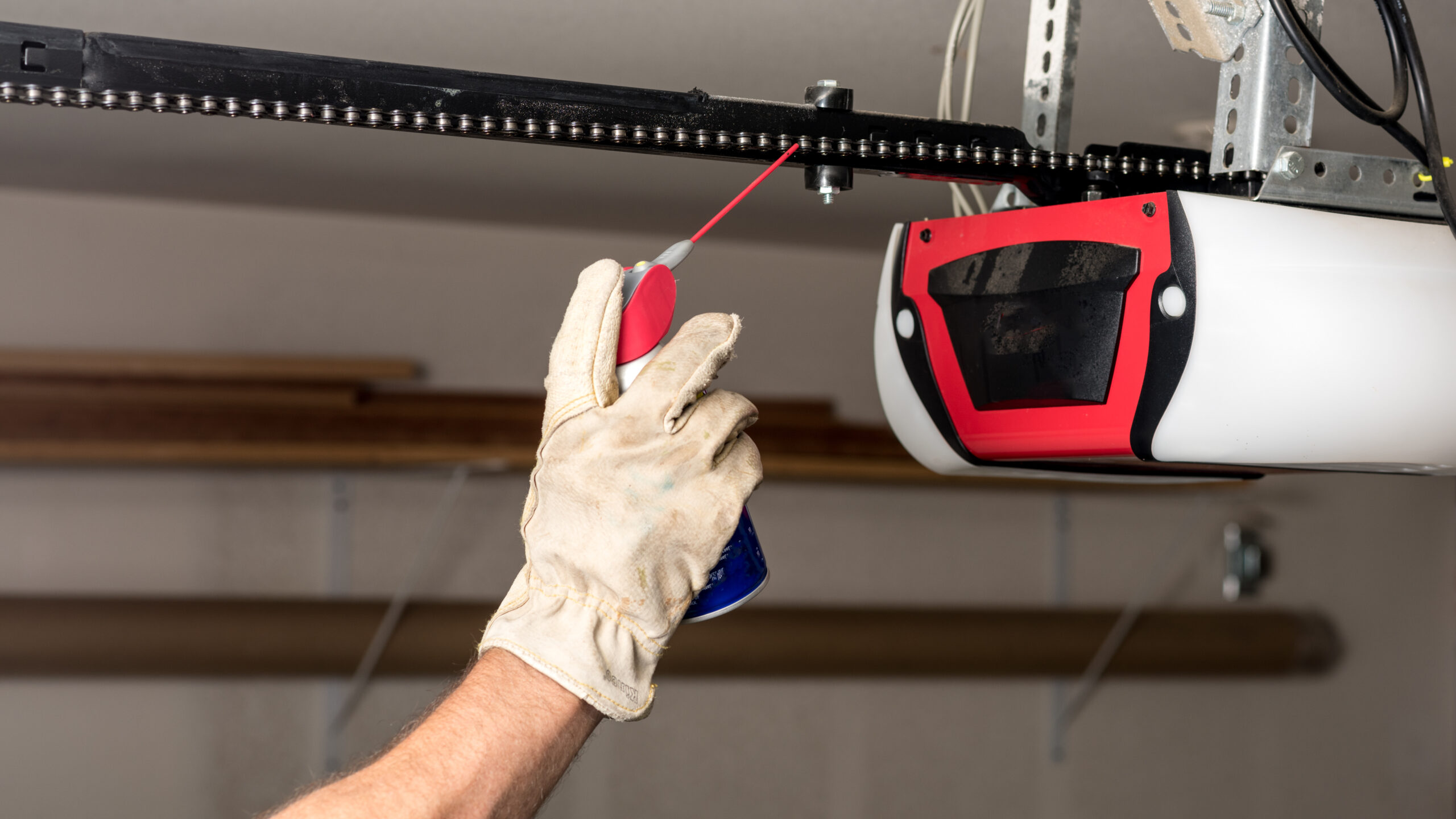
2. Lubricate Moving Parts
Friction is a top cause of squeaks and screeches.
- Use a silicone-based spray or white lithium grease, not WD-40.
- Lubricate:
- Rollers (especially where they meet the track)
- Hinges
- Springs
- Bearing plates
- Top of the opener rail
Example: Spray lubricant on each part, then open and close the door a few times to spread it.
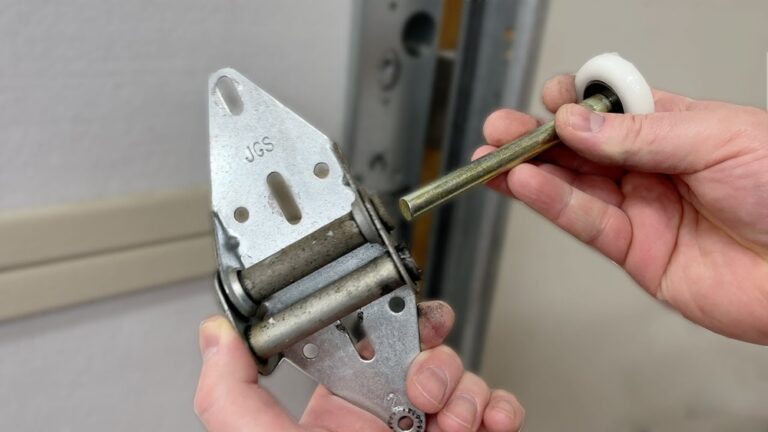
3. Replace Worn Rollers
Metal rollers are noisy and can wear out. Nylon rollers are much quieter.
- Check rollers for cracks, flat spots, or wobbly movement.
- Replace with nylon rollers for a quieter ride.
Data: Nylon rollers can reduce garage door noise by up to 75% compared to old metal rollers.
4. Check And Align Tracks
Misaligned tracks can cause scraping or grinding.
- Look for gaps between rollers and tracks.
- Use a rubber mallet to gently tap tracks into alignment if needed.
- Make sure tracks are parallel and firmly attached.
Beginner’s mistake: Ignoring track alignment can lead to bigger problems and even door derailment.
5. Inspect And Upgrade The Opener
Some openers are just loud by design. Chain drives are the noisiest.
- Listen near the opener unit. Is the noise loudest here?
- Consider upgrading to a belt drive or direct drive opener for less noise.
- New openers often include vibration isolation pads.
Data: Belt drive openers are, on average, 30% quieter than chain-driven models.
6. Add Anti-vibration Pads
Vibration can transfer from the opener into your garage’s ceiling and walls.
- Install rubber pads between the opener and ceiling mounts.
- This simple fix can lower overall noise.
7. Inspect Springs And Hinges
Old springs can get rusty and noisy. Broken springs are dangerous.
- Look for gaps or rust on springs.
- Listen for creaking or popping.
- Do not try to replace torsion springs yourself—call a pro.
Tip: Hinges should move freely. Lubricate if stiff or squeaky.
When To Call A Professional
Some garage door problems are not safe for DIY repairs. You should contact a garage door technician if:
- The door is hard to open or doesn’t open at all.
- You see a broken spring or cable.
- The opener struggles or skips.
- You’re not comfortable working with heavy parts.
Professionals have the right tools and know-how to safely fix dangerous issues.

Credit: www.youtube.com
Comparing Quiet Garage Door Solutions
It helps to compare the most effective solutions for reducing noise:
| Solution | Noise Reduction | Difficulty | Cost Range |
|---|---|---|---|
| Lubrication | Moderate | Easy | $5–$15 |
| Tightening hardware | Low to moderate | Easy | Free |
| Replacing rollers | High | Medium | $30–$60 |
| Upgrading opener | Very high | Medium | $200–$400 |
| Anti-vibration pads | Low to moderate | Easy | $10–$20 |
Insight: Lubrication and roller replacement offer the best value for most homeowners.
How To Prevent Future Garage Door Noise
Once you fix your garage door, you’ll want to keep it quiet. Here’s how:
- Lubricate every 3-6 months.
- Check for loose hardware monthly.
- Clean tracks with a damp cloth—don’t use harsh chemicals.
- Inspect rollers and hinges twice a year for wear.
- Schedule a professional tune-up yearly, especially if your door is older.
Example: Mark your calendar at the start of each season to remind yourself to inspect and lubricate.
Common Mistakes Beginners Make
Learning from others’ mistakes can save you time and money:
- Using WD-40 instead of garage door lubricant. WD-40 is a cleaner, not a proper lubricant for moving metal parts.
- Ignoring small noises. Minor issues can become expensive repairs if left unchecked.
- Over-tightening hardware. This can strip bolts or damage the door’s structure.
- Trying to fix torsion springs without training. This is extremely dangerous.
- Forgetting the opener. Sometimes, the noise is from the motor, not the door.
Tip: If unsure, watch a few video guides or read your garage door’s manual.
Real-life Example: Quieting A Noisy Garage Door
Let’s look at a simple case. Sarah’s garage door started squeaking every time she opened it. She checked and found:
- The rollers were metal and rusty.
- Hardware was a little loose.
- Tracks were dirty.
She took these steps:
- Tightened all nuts and bolts.
- Cleaned the tracks with a damp cloth.
- Sprayed all moving parts with silicone lubricant.
- Replaced old metal rollers with nylon ones.
Result: The door was almost silent. Sarah spent less than $50 and finished everything in an afternoon.
Lesson: Most noisy garage doors can be fixed quickly with the right approach.
Credit: www.precisiondoor.net
Cost Comparison: Diy Vs. Professional Repair
How much will you spend fixing a noisy garage door? Here’s a simple cost comparison:
| Repair Type | DIY Cost | Professional Cost |
|---|---|---|
| Lubrication | $5–$15 | $50–$80 |
| Roller replacement | $30–$60 | $100–$200 |
| Opener upgrade | $200–$400 | $350–$700 |
| Spring repair | Not recommended | $100–$250 |
Tip: DIY is cost-effective for simple fixes, but some jobs (like springs) are best left to professionals.
Frequently Asked Questions
Why Is My Garage Door Making A Loud Banging Noise?
A loud bang often means a broken spring or loose hardware. If you hear a sudden, sharp noise, check your springs immediately. If a spring is broken, call a professional. Do not try to fix springs yourself.
Can I Use Wd-40 To Lubricate My Garage Door?
No, WD-40 is a cleaner, not a lubricant for garage doors. Use a silicone-based or white lithium grease spray designed for garage doors. This protects the parts and keeps them quiet.
How Often Should I Maintain My Garage Door To Prevent Noise?
Lubricate moving parts every 3–6 months, check for loose hardware monthly, and schedule a professional inspection once a year. Regular maintenance is the best way to avoid new noises.
What Type Of Garage Door Opener Is The Quietest?
Belt drive and direct drive openers are the quietest. Chain drive openers are much noisier. If your opener is old and loud, upgrading to a belt drive model can make a big difference.
Is A Noisy Garage Door Dangerous?
Sometimes, yes. Noise can mean a mechanical problem like a broken spring or loose part. These issues can make your door unsafe. If your door is hard to open, closes unevenly, or makes a loud bang, stop using it and call a pro.
A noisy garage door is not something you have to live with. With a little time and effort, most problems can be solved at home. If you keep up with regular maintenance, your garage door can stay quiet and safe for years. For more tips on home repair, visit the Family Handyman site.
Solving garage door noise is about listening, inspecting, and acting early. A quiet garage door means a happier, safer home for you and your family.