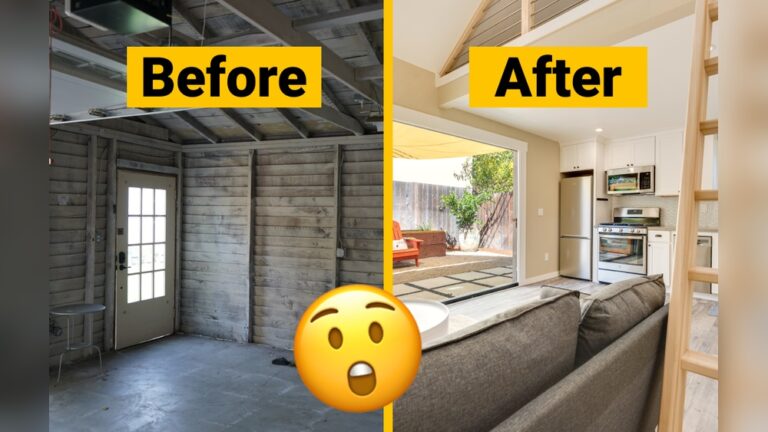

Converting your garage can be a smart way to create extra living space in your home. Many homeowners think about garage conversion cost when planning this project. Knowing the real costs, what affects them, and how to budget for your conversion helps you avoid surprises and make good decisions. This guide explains garage conversion costs in simple terms, shares real data, and highlights beginner mistakes. If you’re new to home renovations, you’ll find clear answers and practical tips here.
What Is A Garage Conversion?
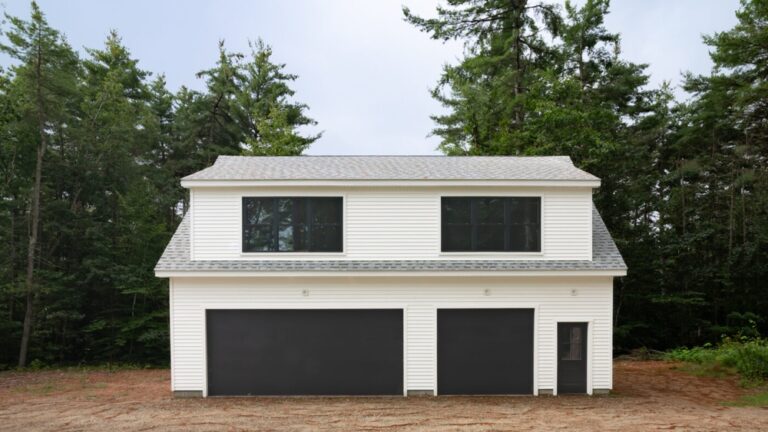
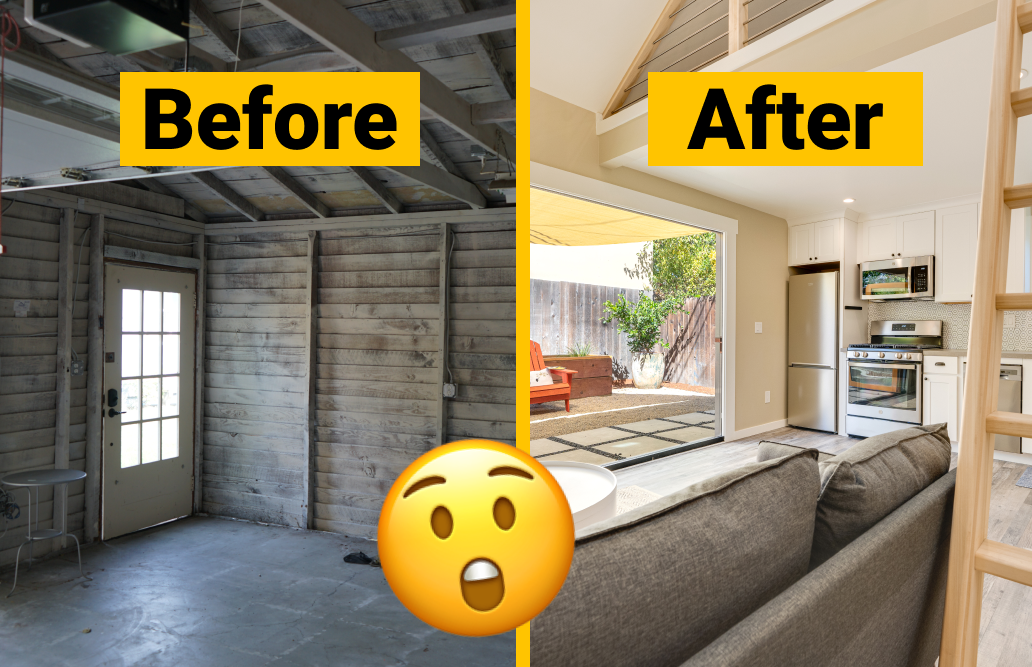
A garage conversion turns your garage into a usable room. It can become a bedroom, office, playroom, gym, or even a small apartment. Instead of building new space, you use what you already have. This usually costs less than adding a new extension.
- Common garage conversion types:
- Single-car garage to bedroom or office
- Double garage to living room or guest suite
- Partial conversion (keep some storage, add a laundry or mudroom)
- Most conversions keep the basic structure and add insulation, walls, flooring, and windows.
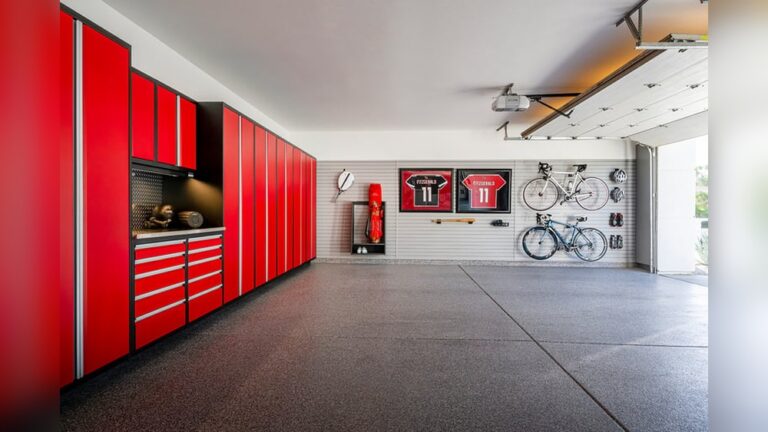
You don’t always need to finish the whole garage. Some homeowners convert just a portion and keep some storage. For example, you could build a small home office in the back and use the front for bikes or tools. This flexible approach can lower costs and keep storage options.
One thing beginners often miss is ceiling height. Many garages have lower ceilings than the main house. If you want the new room to feel like the rest of your home, consider whether you need to raise the ceiling or change the floor level.
These changes can add to your budget, but they’re important for comfort and future resale value.
How Much Does A Garage Conversion Cost?
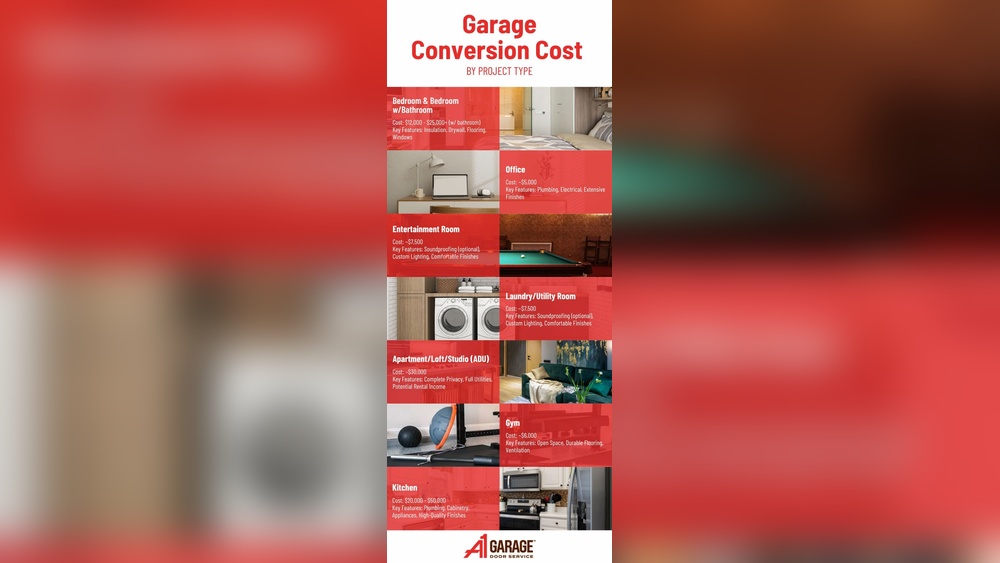
The cost depends on several factors. In the US, the average garage conversion cost ranges from $7,500 to $30,000. For a full, high-end conversion, you might pay up to $60,000. The price varies based on size, finishes, and complexity.
Here’s a simple breakdown:
| Type of Conversion | Typical Cost Range | Example Use |
|---|---|---|
| Basic Conversion | $7,500–$15,000 | Home office, playroom |
| Mid-range Conversion | $15,000–$30,000 | Bedroom, living room |
| Luxury Conversion | $30,000–$60,000 | Guest suite, apartment |
- Single-car garage (about 240 sq. Ft.): $7,500–$18,000 for basic finishes.
- Double-car garage (about 400–480 sq. Ft.): $20,000–$40,000 for full conversion.
These price ranges include standard work, such as insulation, drywall, electrical, and basic windows or doors. If you want custom features—like built-in cabinets, a skylight, or soundproofing—expect to pay more. Some cities have higher labor costs, which can push your project toward the upper end of these ranges.
A helpful tip for budgeting: Get a few quotes from local contractors. Prices can vary a lot, even for the same work. Sometimes, small, local builders offer better rates than large renovation companies. Also, ask contractors to list costs clearly, so you can see where your money goes.
Credit: maxablespace.com
What Factors Affect Garage Conversion Cost?
Several things decide the final price. Understanding these helps you estimate your budget.
- Size of Garage: Bigger spaces cost more to finish.
- Quality of Materials: Better flooring, windows, and fixtures raise costs.
- Type of Room: Kitchens and bathrooms cost more due to plumbing.
- Permits and Inspections: Fees vary by location.
- Labor Costs: Rates change by region and contractor experience.
- Structural Changes: Moving walls, raising ceilings, or adding windows increases price.
- Heating and Cooling: Upgrading HVAC or adding insulation is extra.
- Electrical and Plumbing: New lines or fixtures are costly.
Here’s a comparison of major cost drivers:
| Factor | Estimated Cost Impact | Notes |
|---|---|---|
| Adding Bathroom | +$8,000–$15,000 | Plumbing and fixtures required |
| Kitchenette | +$10,000–$20,000 | Appliances, plumbing, cabinets |
| Insulation Upgrade | +$1,000–$3,000 | Needed for comfort |
| Window Installation | +$1,500–$5,000 | Varies by size and number |
| HVAC Extension | +$2,000–$5,000 | Connect to main system or add unit |
A detail beginners often overlook is the condition of the existing garage. If your garage is old, you might need to fix cracks, replace the roof, or address water leaks. These repairs can add thousands to your budget and are easy to miss if you only focus on the new finishes.
Another hidden cost is accessibility. If you want the new room to be usable for someone with limited mobility, you may need wider doors or a ramp. These changes are easier to add during the conversion, rather than after it’s finished.
Step-by-step Cost Breakdown
Understanding each part of the conversion helps you plan your spending. Here’s what most projects include:
- Planning and Design:
- Architectural plans: $500–$2,000
- Permit fees: $300–$1,500
- Structural engineer (if needed): $800–$2,500
- Demolition and Prep:
- Removing garage doors: $300–$1,200
- Cleaning and clearing: $250–$600
- Building and Finishing:
- Framing and drywall: $1,500–$4,000
- Insulation: $1,000–$3,000
- Electrical work: $1,200–$3,500
- Plumbing (if adding water): $2,000–$7,000
- Flooring: $1,000–$5,000
- Windows/doors: $1,500–$6,000
- Painting: $800–$2,000
- Special Features:
- Bathroom: $8,000–$15,000
- Kitchenette: $10,000–$20,000
- Built-in storage: $1,000–$3,000
- Final Touches:
- Lighting fixtures: $300–$1,500
- Heating/cooling: $2,000–$5,000
Some conversions need foundation leveling or extra waterproofing, especially if the garage floor sits lower than the main house. This step, which can cost $1,000–$3,000, prevents moisture problems later. Also, don’t forget basic safety items—like smoke detectors or carbon monoxide alarms—if you use the room for sleeping.
These are small costs but very important for safety and meeting building codes.
Credit: www.emeraldhomeimprovements.co.uk
Example: Garage Conversion For A Home Office
Let’s look at a real-world example for a single-car garage (about 240 sq. ft.):
- Plans and permits: $1,000
- Remove garage door, prep: $700
- Framing, drywall, insulation: $3,500
- Electrical and lighting: $2,000
- Flooring: $1,800
- Window installation: $2,000
- Painting and finish: $1,200
Total: $12,200
This does not include plumbing or HVAC upgrades. If you add a bathroom or connect to heating/cooling, the cost rises.
For a more comfortable office, some people add soundproofing, which costs $800–$2,000 extra. This is especially useful if you work from home and need quiet. Another idea is adding built-in shelves for storage, which costs about $1,000–$2,000 but makes the space more functional.
If you want to keep costs down, use simple finishes—like laminate flooring instead of hardwood, or standard paint instead of custom colors. These small choices can help you stay within your budget without losing quality.
Cost Comparison: Garage Conversion Vs. Home Extension
Many homeowners wonder if converting a garage is cheaper than building a new room. Here’s a direct comparison:
| Project Type | Average Cost per Sq. Ft. | Total Cost (400 sq. ft.) |
|---|---|---|
| Garage Conversion | $50–$100 | $20,000–$40,000 |
| Home Extension | $150–$300 | $60,000–$120,000 |
A garage conversion is usually 60–70% cheaper than a new extension. You save money because the foundation, walls, and roof already exist.
Another difference is the timeline. Garage conversions often finish in 2–6 weeks, while extensions can take several months. This means less disruption to your daily life. Also, you usually need fewer inspections for a conversion, which can speed up the process.
If you live in an area with strict zoning or limited space, adding a new extension may not be allowed. In that case, converting your garage might be your best option for more living space.
Hidden Costs Beginners Should Know
Many first-time renovators miss some costs. These often surprise homeowners.
- Permit fees: Always check your local rules before starting.
- Upgrading utilities: Old garages may need new wiring or plumbing.
- Structural repairs: Water damage or poor foundation can raise costs.
- Parking loss: You may lose protected parking; this can affect home value.
- Resale value: Some buyers prefer garages. Check local market demand.
- Insurance changes: New living space can affect your policy.
Another hidden cost is pest control. Sometimes, garages have gaps where insects or rodents can enter. Sealing these during your renovation costs a little more up front but saves headaches later. Also, if you belong to a homeowners’ association (HOA), check if there are extra fees or rules for changing your garage.
How To Save Money On Garage Conversion
Smart planning can help you control costs.
- Choose basic finishes if you’re on a tight budget.
- Keep the layout simple; avoid moving walls or adding plumbing.
- Do some work yourself (painting, cleaning) if possible.
- Get several quotes from local contractors.
- Use recycled or low-cost materials for flooring and fixtures.
- Skip luxury extras unless you really need them.
One often-missed savings tip: Buy materials during sales or use surplus stores. Many cities have stores selling leftover tiles, doors, or cabinets at a discount. Also, consider keeping the garage door in place and adding a wall behind it—this can save money and keep the home’s exterior look.
Is A Garage Conversion Worth It?
Garage conversions add value, but it depends on your goals.
- Extra living space: Great for growing families or remote workers.
- Rental income: Convert to a studio apartment for extra money.
- Home value boost: In many areas, conversions increase resale value.
- Cost-effective: Usually much cheaper than extensions.
But, if you need parking or storage, losing your garage may not be ideal. Always think about your long-term needs.
It’s also wise to talk to a local real estate agent before converting. In some neighborhoods, buyers prefer homes with garages, while in others, extra living space is more valuable. Getting advice helps you make the best decision for your area.
Planning Your Garage Conversion: Beginner Tips
If you’re new to renovations, follow these tips:
- Always check local building codes and permit requirements first.
- Set a clear budget and add 10–20% for unexpected costs.
- Decide on the room type before starting (bedroom, office, gym, etc. ).
- Use simple layouts for easier and cheaper conversions.
- Make sure your garage is dry and free of mold or damage.
- Talk to neighbors if your conversion will affect property lines or parking.
Another smart tip: Take “before” photos and keep all receipts. This helps with permits, insurance, and future resale. If you sell your home, buyers and inspectors may want to see proof that the work was done properly and with the right permits.
Common Mistakes To Avoid
Many beginners make the same errors. Avoid these:
- Not checking local zoning rules and permits.
- Underestimating costs for plumbing and electrical upgrades.
- Ignoring moisture or foundation issues in the garage.
- Choosing expensive finishes without a clear budget.
- Forgetting about heating and cooling needs.
- Not planning for storage if you lose garage space.
Some people also forget about natural light. Garages often have few or small windows. Adding a window or skylight makes the room brighter and more comfortable, but it’s best to plan for this early to avoid extra costs later.
Garage Conversion Cost Faqs

Credit: adara.co.uk
Frequently Asked Questions
How Much Does A Garage Conversion Cost In 2024?
In 2024, a typical garage conversion in the US costs $7,500–$30,000 for basic to mid-range projects. Luxury conversions or those adding kitchens/bathrooms can reach $60,000 or more. Prices depend on size, materials, and complexity.
Do I Need A Permit For A Garage Conversion?
Yes, most areas require building permits for garage conversions. Permit costs range from $300–$1,500. Always check your local government website for rules before starting.
Will A Garage Conversion Increase My Home Value?
Usually, yes. Garage conversions often add value, especially if you gain extra living space. In some cities, converted garages can raise home prices by 10–20%. But, in areas where parking is limited, you may lose value. Always check your local market.
Can I Do A Garage Conversion Myself?
Some tasks like painting or cleaning can be DIY. But, electrical, plumbing, and structural work should be done by professionals. Beginners often make mistakes with permits, wiring, or insulation. Hiring experts avoids costly errors.
What Is The Most Expensive Part Of A Garage Conversion?
Adding a bathroom or kitchenette is usually the most expensive part. Plumbing, fixtures, and appliances raise costs. Structural changes, like adding windows or moving walls, also increase the budget.
Converting your garage can be a good investment if you plan well and understand the real costs. Check local rules, set a clear budget, and choose the right room type for your needs. Avoid common beginner mistakes and use smart strategies to save money. For more detailed renovation data, visit HGTV’s Garage Conversion Guide. With careful planning, your garage conversion can add comfort, value, and space to your home.