
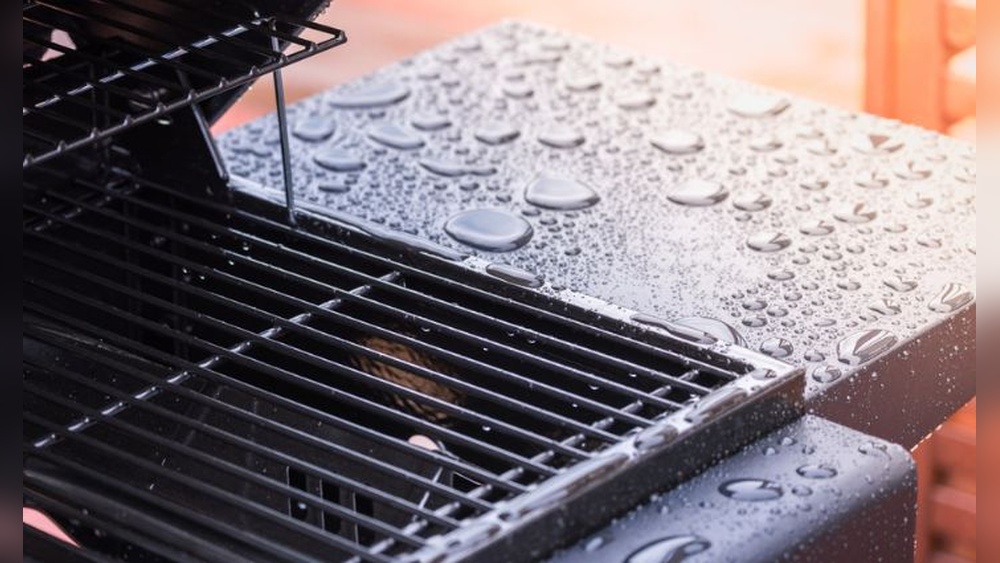
Grilling is a popular way to cook food, especially during summer. Many people love the taste of grilled meat, vegetables, and even fruits. But what if the weather is bad, or you do not have a yard? Some beginners wonder: Can you grill in the garage? This question is important because it connects with safety, convenience, and cooking quality. Let’s explore every aspect, using simple English and clear examples, so you can make smart choices.
Understanding Garage Grilling
Some people think grilling in the garage is a clever solution. You can stay dry during rain, avoid cold wind, or keep your grill safe from theft. But is it really safe or legal? Let’s look at why this question matters.
- Safety risks: Grills use fire, gas, or electricity. These bring dangers in enclosed spaces.
- Air quality: Burning charcoal or gas creates smoke and carbon monoxide.
- Home damage: Heat and smoke can stain walls, ceilings, and garage items.
- Legal rules: Local laws may ban indoor grilling due to fire risk.
Most beginners miss that garages are not designed for cooking. They lack ventilation, and items stored inside (like cars, paints, or tools) can be flammable. Even with the door open, risks stay high.
Types Of Grills And Garage Suitability
Not all grills are equal. Some produce more smoke or heat. To understand the risks, compare the main types:
| Grill Type | Fuel Source | Smoke Production | Garage Suitability |
|---|---|---|---|
| Charcoal | Charcoal briquettes | High | Not suitable |
| Gas (Propane/Natural Gas) | Gas cylinder or pipeline | Moderate | Not suitable |
| Electric | Electricity | Low | Possible (with caution) |
Charcoal grills are the most dangerous indoors. They produce lots of smoke and carbon monoxide, a deadly gas you cannot see or smell. Gas grills also produce carbon monoxide but less smoke. Electric grills are safer because they do not create smoke or dangerous gas, but they still pose fire risks.

Credit: foodisbettersmoked.com
Key Safety Risks Of Garage Grilling
Before you try grilling in the garage, understand these risks:
- Carbon monoxide poisoning: Gas and charcoal grills release this invisible, odorless gas. It can build up quickly in enclosed spaces.
- Fire hazard: Garages often have flammable items like gasoline, oil, cardboard, or paint.
- Property damage: Smoke stains, melted siding, and heat damage are common.
- Legal consequences: Insurance may not cover fire if you grill indoors against rules.
A real-life example: In 2018, a family in Ohio grilled inside their garage to avoid cold weather. The grill tipped over, causing a fire that destroyed their garage and car. No one was hurt, but the damage cost $15,000 and their insurance did not pay for it.
Ventilation And Air Quality Concerns
Proper ventilation is critical when grilling. Garages are not designed for airflow. Even with the door open, smoke and gas can stay trapped. Here’s why:
- Carbon monoxide can linger for hours.
- Smoke can spread to the house through connecting doors.
- Heat can damage garage contents.
According to the Centers for Disease Control and Prevention (CDC), over 400 people die each year in the US from accidental carbon monoxide poisoning, often from indoor grilling or heating.
Legal And Insurance Issues
Many local fire codes and homeowner associations ban grilling in garages. If you ignore these rules:
- Fire department fines can be high.
- Home insurance may refuse to cover fire or smoke damage.
- You may risk losing your home if a fire spreads.
Check your local laws before considering garage grilling. Most cities post rules online or at fire stations. For example, Chicago Fire Department bans all grilling in garages due to fire and health risks.
Alternatives To Garage Grilling
If you want to grill but cannot go outside, consider safer options:
- Electric grills: These produce less smoke and no carbon monoxide. Some are made for indoor use.
- Oven broiling: Use your kitchen oven’s broil setting for similar flavor.
- Grill pans: Heavy metal pans with ridges can create grill marks and flavor on a stovetop.
- Outdoor shelters: Use a pop-up tent or canopy designed for grilling. Make sure it is fire-resistant.
| Alternative | Safety Level | Flavor Quality | Smoke Production |
|---|---|---|---|
| Electric Grill | High | Medium | Low |
| Oven Broiling | High | Medium | Low |
| Grill Pan | High | Medium | Low |
| Outdoor Canopy | Medium | High | Medium |
Credit: thegaragepubandgrill.com
Practical Tips For Safe Indoor Cooking
If you must cook inside due to weather or space, follow these practical tips:
- Use only appliances marked “indoor safe.”
- Keep fire extinguishers nearby.
- Never leave cooking unattended.
- Open windows and use fans to increase air flow.
- Keep combustible items away from heat.
Beginners often forget that even small appliances can start fires. Always read the manual before using any grill or broiler indoors.
Common Beginner Mistakes
Many new grillers make mistakes in the garage. Avoid these:
- Thinking an open garage door gives enough ventilation.
- Using charcoal or gas grills inside, even “just once.”
- Ignoring local rules or insurance policies.
- Storing flammable items near the grill.
- Not checking for gas leaks in propane grills.
You may also miss that smoke can set off fire alarms or irritate neighbors, even if you do not see it.
Real Data: Fire And Carbon Monoxide Stats
Understanding the risks means looking at real numbers:
- The National Fire Protection Association (NFPA) reports that grills cause over 10,600 home fires each year in the US.
- Charcoal and gas grills are responsible for 64% of home grill fires.
- Most accidents happen because grills are used in enclosed spaces or too close to flammable items.
| Year | Total Home Grill Fires | Garage/Indoor Fires | Deaths | Injuries |
|---|---|---|---|---|
| 2018 | 10,600 | 1,200 | 10 | 110 |
| 2019 | 10,400 | 1,150 | 8 | 95 |
| 2020 | 10,900 | 1,210 | 12 | 125 |
Most beginners miss how quickly fire can spread in a garage. One small spark can ignite gasoline, paint, or even car upholstery.
Expert Opinions And Research
Fire safety experts strongly warn against garage grilling. According to a study by the NFPA, grilling indoors increases fire risk by five times compared to outdoor use. Experts recommend:
- Only use grills outdoors, at least 10 feet from any structure.
- Never use charcoal or gas grills in any enclosed space.
- Electric grills may be used indoors, but only if labeled “indoor safe.”
For more details, see this NFPA fire safety guide.
When Is Garage Grilling Acceptable?
Some people ask if there are any safe ways to grill in the garage. Here’s what matters:
- Only use electric grills with “indoor safe” labels.
- Keep the area clear of flammable items.
- Ensure there is enough ventilation (windows, fans).
- Use carbon monoxide alarms for extra safety.
Even then, grilling in the garage is not recommended unless you have a fully converted, ventilated cooking space (like a professional kitchen). Most home garages do not have this level of safety.
What If You Have No Outdoor Space?
Apartment dwellers or people with small homes may have no yard or balcony. You can still enjoy grilled flavor by:
- Using a grill pan on the stove.
- Using an indoor electric grill.
- Oven broiling with a broiler pan.
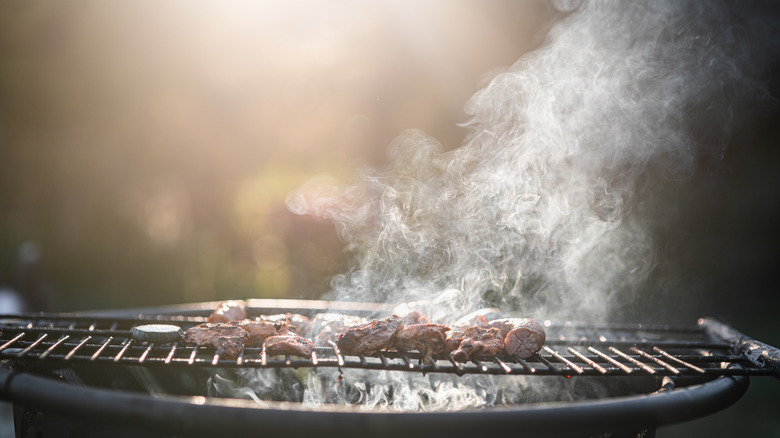
These options are safer, easier, and often taste just as good. You can add liquid smoke or smoked spices to mimic outdoor flavor.
Credit: www.foodrepublic.com
Frequently Asked Questions
Is It Safe To Use A Charcoal Grill In The Garage?
No, using a charcoal grill in the garage is extremely dangerous. Charcoal produces carbon monoxide, which can kill people in enclosed spaces. Even with the door open, the gas can build up quickly.
Can I Use A Gas Grill If I Leave The Garage Door Open?
Leaving the door open does not make it safe. Gas grills still create carbon monoxide and heat, which can damage your home or cause fire. Flammable items in the garage increase the risk.
Are Electric Grills Safe For Garage Use?
Electric grills are safer than charcoal or gas. If the grill is marked “indoor safe,” you can use it in a garage with good ventilation. Always keep flammable items away and never leave it unattended.
What Is The Biggest Risk Of Garage Grilling?
The biggest risk is carbon monoxide poisoning and fire. Both can happen quickly, and often beginners do not notice the danger until it is too late.
How Can I Grill Safely If I Don’t Have Outdoor Space?
Use an indoor electric grill, a grill pan, or the oven’s broil setting. These methods let you enjoy grilled flavor without the risks. Always check for “indoor safe” labels and follow safety instructions.
Grilling is fun, but safety should always come first. The risks of garage grilling are serious—carbon monoxide, fire, legal trouble, and property damage. Choose safer alternatives, like indoor electric grills or oven broiling. Always check local laws and follow expert advice.
If you want to grill, do it outside, away from your garage and home. This way, you’ll protect your family, your property, and your peace of mind.