
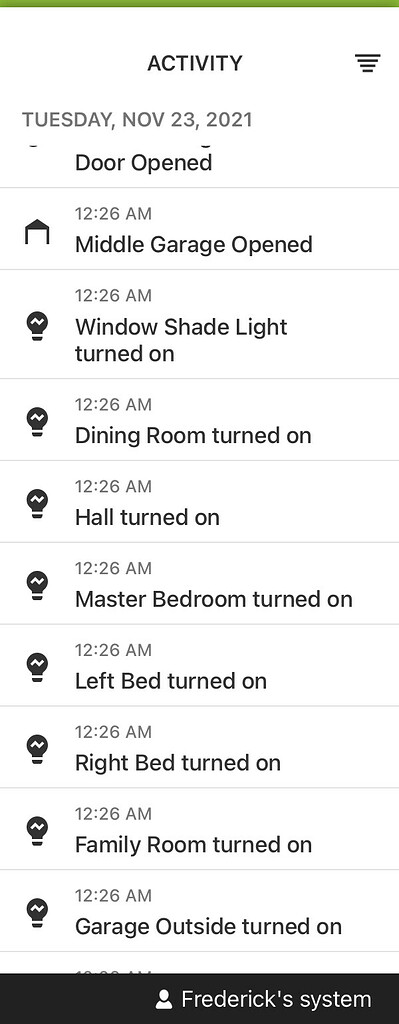
If your garage door opens by itself in the middle of the night, it can be both scary and confusing. You might worry about safety, theft, or even think your house is haunted. But don’t panic—this problem is surprisingly common and usually has a logical explanation. Understanding why it happens can help you fix it quickly and sleep better at night.
This article explains the most common causes, how to troubleshoot, and how to prevent your garage door from opening on its own. Every section uses simple, clear language to help you solve the problem, even if you have no technical background.
Why Garage Doors Open By Themselves
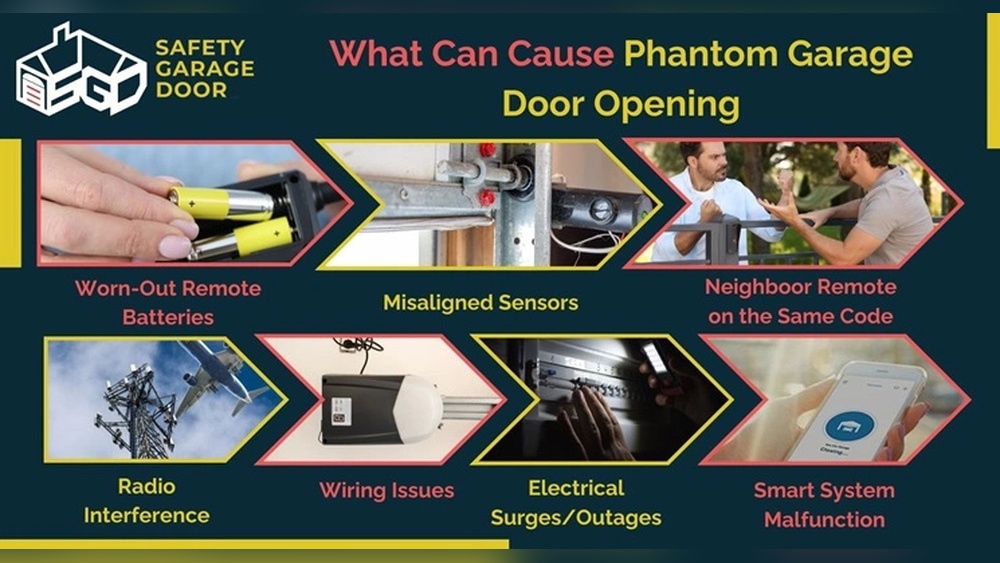
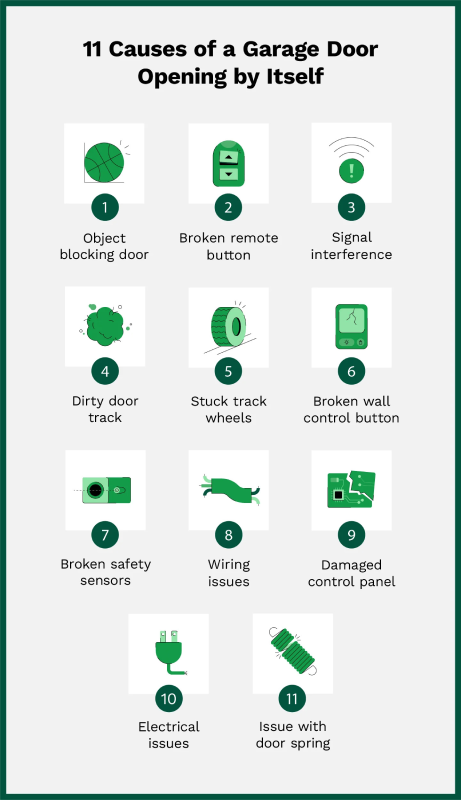
A garage door that opens by itself is not just annoying—it can be a security risk. Most often, the cause is not supernatural or mysterious but something technical or environmental. Here are the main reasons:
- Remote control interference
- Wiring problems
- Faulty sensors
- Neighbor’s remote using same frequency
- Stuck or damaged wall button
- Power surges or electrical glitches
- Software or logic board issues
Let’s look at each cause in detail.
Common Causes Explained
1. Remote Control Interference
Garage doors use radio signals. If a neighbor’s remote or another device uses the same frequency, your door may respond to their commands.
- Example: Someone down the street opens their garage, and your door opens too.
- Data: Older garage door openers (before 1993) are more likely to have this problem. Modern openers use rolling codes to prevent it.
2. Wiring Problems
Frayed or loose wires can send false signals to your opener. This can happen after years of use or due to pests chewing on wires.
- Tip: Check the wires running from your wall button to the opener.
- Practical sign: If the door opens or closes randomly when you jiggle the wires, you likely have a wiring issue.
3. Faulty Sensors
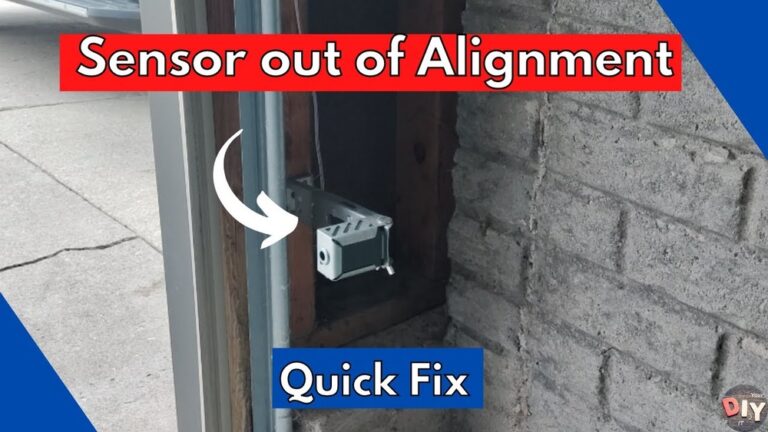
Safety sensors at the bottom of the door tell the opener if something is blocking the way. If these sensors are dirty, misaligned, or damaged, they can cause the door to open or refuse to close.
- Example: A spider web or dust on the sensor lens can send a false signal.
- Insight: Sensors are required by law in openers made after 1993.
4. Neighbor’s Remote Or Similar Frequency
If your neighbor’s garage door opener uses the same fixed code or frequency, their remote may accidentally open your door.
- Data: This is rare with new openers but common with units made before 1996.
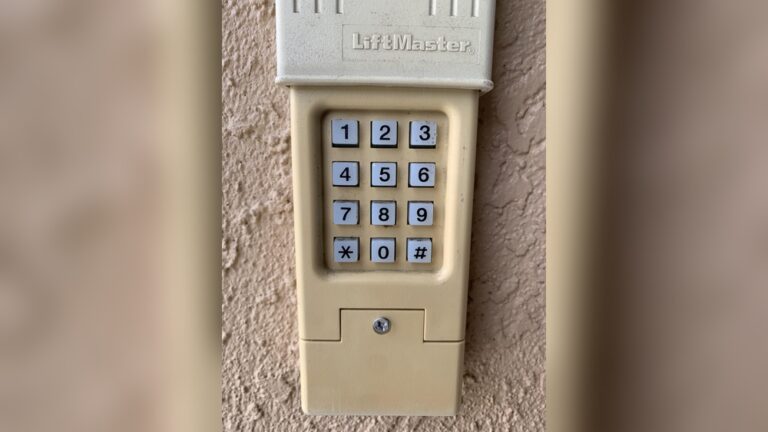
5. Stuck Or Damaged Wall Button
A wall-mounted button that is stuck or shorted out can send a continuous “open” signal to the opener.
- Sign: If the button feels loose or doesn’t “click,” it may be the problem.
6. Power Surges Or Electrical Glitches
Lightning strikes, power outages, or surges can temporarily confuse the opener’s logic board, causing the door to open.
- Practical insight: This is more likely if you live in an area with unstable power.
7. Software Or Logic Board Issues
Garage door openers have a small computer inside called a logic board. If this board malfunctions, the opener might behave unpredictably.
- Symptom: The door opens or closes at odd times, even with remotes and wall buttons disconnected.
- Cost: Logic board replacement can cost $80–$200, depending on the model.

Credit: www.youtube.com
How To Diagnose The Problem
Finding the cause may take a little detective work. Here’s a practical step-by-step approach:
- Check All Remotes
- Remove batteries from each remote. If the problem stops, a remote is stuck or faulty.
- Inspect the Wall Button
- Unplug the wall button. If the door stops opening by itself, the button or its wiring is the issue.
- Look for Sensor Problems
- Make sure the sensors are clean and aligned. Try closing the door and see if it reopens immediately.
- Ask Your Neighbors
- Find out if anyone nearby has a garage opener of the same brand or age.
- Test During Power Surges
- Notice if the problem happens during storms or after power outages.
- Disconnect the Opener
- Unplug the opener for a few days. If the door stays closed, the opener is at fault.
Visual Comparison Of Causes
Here is a comparison of the most common causes and their likelihood based on opener age:
| Cause | Openers Before 1993 | Openers After 1993 |
|---|---|---|
| Remote Interference | High | Low |
| Wiring Problems | Medium | Medium |
| Sensor Issues | N/A | High |
| Logic Board Failure | Medium | Medium |
Non-obvious insight: If you have an opener made after 1993, sensor problems are much more likely than remote interference.
Credit: support.suretyhome.com
How To Fix A Garage Door That Opens By Itself
Check And Replace Remote Batteries
Weak batteries can send incomplete signals, confusing the opener.
- Remove all remotes from service one by one to see if the problem stops.
- Replace old batteries with new, high-quality ones.
Reprogram Or Change Codes
If your opener is older, consider changing the remote code. Modern openers use rolling codes, which change every time you use them, making interference less likely.
- Check your opener’s manual for instructions.
- For very old units, consider upgrading to a newer model for better security.
Inspect And Repair Wiring
Look for visible damage or exposed wires between the wall button and the opener.
- If you see a problem, turn off power before touching wires.
- Replace damaged wires or call a professional if unsure.
Clean And Realign Sensors
Use a soft cloth to clean each sensor lens. Make sure both sensors face each other directly.
- Sensors should have a small light—if one is off or blinking, realign until both are steady.
Replace Or Repair Wall Button
If the wall button is the problem:
- Remove the faceplate and check for stuck or corroded contacts.
- Replace the button if it does not work smoothly.
Protect Against Power Surges
Install a surge protector between your opener and the power outlet. This can prevent electrical glitches during storms.
- Surge protectors cost between $15–$50 and are easy to install.
Replace The Logic Board
If all else fails, the logic board may need replacement.
- Check your warranty. Some manufacturers cover this for several years.
- Replacing the board is cheaper than a new opener but may require a professional.
How Much Does It Cost To Fix?
Here is a cost comparison for common fixes:
| Repair | DIY Cost | Professional Cost |
|---|---|---|
| Remote Battery Replacement | $5–$10 | $20–$40 |
| Wiring Repair | $10–$30 | $80–$150 |
| Sensor Cleaning/Replacement | $0–$40 | $75–$125 |
| Logic Board Replacement | $80–$200 | $150–$350 |
Tip: Most sensor and battery fixes can be done yourself and cost very little. Logic board or wiring repairs often need a technician.
Credit: www.precisiondoor.net
How To Prevent It From Happening Again
Prevention is better than cure. Here’s how to stop your garage door from opening by itself in the future:
- Upgrade to a modern opener with rolling code technology.
- Change remote codes if you have an older system.
- Regularly clean sensors and check alignment.
- Inspect wiring every few months, especially after storms or rodent activity.
- Install surge protection for your garage opener.
- Don’t leave remotes in cars parked outside, as thieves can use “code grabbers” to copy signals.
- Lock the garage door manually when on vacation.
Extra insight: Many people forget that remotes have a “lock” feature (sometimes called “vacation mode”). Use it if you’ll be away for more than a day.
When To Call A Professional
Some problems are easy to fix, but others require an expert. Call a professional if:
- The opener is still under warranty.
- You see sparking, burning smells, or melted wires.
- You cannot identify the cause after trying basic steps.
- You are uncomfortable working with electricity.
A good technician can diagnose and fix most garage door issues in under an hour.
Real-world Example
Case study: John, a homeowner in Dallas, noticed his garage door opened at 3 a.m. for two nights in a row. He checked his remotes (no issue) and cleaned the sensors (no change). Finally, he unplugged the wall button and the problem stopped. A technician found a mouse-chewed wire sending random signals. Fixing the wire solved the issue for under $100.
Lesson: Small wiring faults are a very common cause, especially in older homes.
Modern Technology Solutions
Today, many garage door openers offer smart features:
- Wi-Fi-enabled openers send alerts to your phone if the door opens.
- Some systems allow you to lock out remote access at night.
- Smart sensors can detect tampering or forced entry.
These features add security and peace of mind, especially if you travel often.
For more information on how garage door openers work and safety standards, see this Wikipedia article.
Frequently Asked Questions
Why Does My Garage Door Open By Itself Only At Night?
Power surges, temperature changes, or nearby device interference can be more common at night. Also, you’re more likely to notice the issue when things are quiet.
Can My Garage Door Opener Be Hacked?
Older openers with fixed codes are vulnerable to hacking. Modern systems with rolling codes are much safer. Always change default codes if possible.
Should I Disconnect My Garage Door Opener For Safety?
If you can’t solve the problem quickly, unplugging the opener at night is a safe short-term solution. For long-term safety, fix the root cause.
How Do I Know If My Sensors Are The Problem?
If the door closes and then reopens immediately, or the sensor lights are blinking, the sensors may be dirty, misaligned, or faulty.
Is It Expensive To Fix A Garage Door That Opens By Itself?
Most repairs are low-cost if you do them yourself. Professional help can cost more, but most problems are fixed in one visit.
A garage door that opens by itself can be frustrating, but it’s rarely a mystery. By understanding the causes, using a systematic approach, and applying the tips above, you can fix the problem and keep your home secure. If you’re unsure or uncomfortable with any step, don’t hesitate to call a professional for peace of mind.