
Finding the best garage door opener can make your daily routine smoother and your home more secure. Many people think all garage door openers are the same, but there are important differences. Some openers are quiet and fast; others have smart features or special safety designs. Choosing the right one means understanding your garage, your budget, and what features matter most to you.
This guide explains the main types of garage door openers, what to look for, and reviews top models for 2024. If you’re a first-time buyer, you’ll learn what actually matters—and what you can skip. Let’s get started and help you find the perfect garage door opener for your home.
Types Of Garage Door Openers
There are several main types of garage door openers. Each type has unique pros and cons. Here’s what you need to know:
Chain Drive
- How it works: Uses a metal chain to lift and lower the door.
- Best for: Heavy doors and cold climates.
- Pros: Affordable, reliable.
- Cons: Noisy, can shake a bit.
Example: If your garage is not attached to your home, the noise may not bother you.
Belt Drive
- How it works: Uses a rubber or fiberglass belt instead of a chain.
- Best for: Attached garages or where quiet is important.
- Pros: Very quiet, smooth operation.
- Cons: Slightly more expensive than chain drive.
Screw Drive
- How it works: Uses a threaded steel rod to move the door.
- Best for: Moderate climates, average-weight doors.
- Pros: Fewer moving parts, less maintenance.
- Cons: Can be noisy, not ideal for very cold or hot areas.
Direct Drive
- How it works: Motor itself moves along a rail to lift the door.
- Best for: Quiet operation, long-term reliability.
- Pros: Very quiet, long-lasting.
- Cons: More expensive, less common.
Jackshaft
- How it works: Mounts on the wall beside the door, turns the torsion bar.
- Best for: High ceilings or garages with limited headroom.
- Pros: Saves ceiling space, quiet.
- Cons: Expensive, needs a torsion spring system.
Key Features To Consider
Not all garage door openers are the same. Here’s what really matters when you choose one:
- Horsepower (HP):
- 1/2 HP: Good for single or double doors made of lightweight material.
- 3/4 HP: Needed for heavier, insulated, or wooden doors.
- 1 HP+: Best for oversized or commercial doors.
- Noise Level:
- Belt and direct drives are quieter.
- Chain drives are louder but cheaper.
- Smart Features:
- Wi-Fi and smartphone app control.
- Integration with Amazon Alexa or Google Assistant.
- Real-time alerts for open/close activity.
- Backup Battery:
- Opens the door during a power outage.
- Especially important if you live in areas with frequent blackouts.
- Safety and Security:
- Rolling code technology to prevent hacking.
- Automatic reversal if something is detected under the door.
- Lighting:
- Built-in LED lights for better visibility.
- Some models offer motion-activated lights.
- Warranty:
- Longer warranties often signal better build quality.
Practical tip: Do not buy an opener with more horsepower than you need—it wastes energy and money.
Credit: www.bobvila.com
Top 5 Best Garage Door Openers In 2024
Let’s review the leading models. These choices are based on expert reviews, user ratings, and real-world performance.
1. Chamberlain B970
- Type: Belt drive
- Horsepower: 1.25 HP (ultra-strong)
- Smart features: Wi-Fi, MyQ app, Amazon Key support
- Noise: Very quiet
- Backup battery: Yes
- Warranty: Lifetime motor, 5 years parts
Why it stands out: The Chamberlain B970 combines strength, quiet operation, and smart features. It’s perfect for attached garages and families wanting app control. The backup battery is a lifesaver during storms.
2. Genie Silentmax 1200
- Type: Belt drive
- Horsepower: 3/4 HP
- Smart features: Aladdin Connect (Wi-Fi)
- Noise: Extremely quiet
- Backup battery: Optional
- Warranty: Lifetime motor, 5 years parts
Why it stands out: The Genie SilentMax 1200 is known for its whisper-quiet motor. It’s ideal for homes with bedrooms above the garage. The optional Wi-Fi module makes it future-proof.
3. Liftmaster 8500 Elite Series
- Type: Jackshaft
- Horsepower: 3/4 HP
- Smart features: MyQ app, Wi-Fi, Amazon Key
- Noise: Very quiet, vibration-free
- Backup battery: Yes
- Warranty: Lifetime motor, 5 years parts
Why it stands out: This model mounts on the wall, freeing up ceiling space. It’s best for garages with unusual layouts or high ceilings. Smart integration adds convenience and security.
4. Craftsman Chain Drive ½ Hp
- Type: Chain drive
- Horsepower: 1/2 HP
- Smart features: Basic, no Wi-Fi
- Noise: Moderate
- Backup battery: No
- Warranty: 6 years motor
Why it stands out: For buyers on a budget, this Craftsman model is reliable and simple. It’s a good choice for detached garages or homes that don’t need smart features.
5. Sommer Direct Drive 1042v001
- Type: Direct drive
- Horsepower: 3/4 HP
- Smart features: Can add module
- Noise: Ultra-quiet, minimal vibration
- Backup battery: No
- Warranty: Lifetime motor
Why it stands out: With only one moving part, it’s one of the quietest and most durable options. Great for people who want long-term reliability and low maintenance.
Comparing Top Models
To make things clearer, here’s a side-by-side comparison of the top 5 openers:
| Model | Type | Horsepower | Smart Features | Backup Battery | Noise Level |
|---|---|---|---|---|---|
| Chamberlain B970 | Belt | 1.25 HP | Yes (Wi-Fi, app) | Yes | Very Quiet |
| Genie SilentMax 1200 | Belt | 3/4 HP | Optional Wi-Fi | Optional | Extremely Quiet |
| LiftMaster 8500 | Jackshaft | 3/4 HP | Yes (Wi-Fi, app) | Yes | Very Quiet |
| Craftsman Chain Drive | Chain | 1/2 HP | No | No | Moderate |
| Sommer Direct Drive | Direct | 3/4 HP | Optional | No | Ultra-Quiet |
Credit: www.businessinsider.com
How To Choose The Best Garage Door Opener For Your Needs
Beginner buyers often feel overwhelmed by technical terms. Here’s a practical way to pick the right model:
- Know your garage door: Is it single or double? Heavy (wood/insulated) or light (aluminum)?
- Noise matters: If your garage is under a bedroom, choose a belt or direct drive.
- Smart features: Consider if you want to control your garage from your phone.
- Budget: Chain drives are cheaper, but can be loud.
- Installation: Some models are DIY-friendly, others may need a professional.
Example: If you have a lightweight, single aluminum door and live alone, a simple chain drive may work. But if you have kids, pets, and want security, consider a smart belt drive.
Installation: Diy Or Professional?
Installing a garage door opener is possible for handy homeowners, but there are risks. Here’s how to decide:
Diy Installation
- Pros:
- Saves money (install fees can be $100–$300).
- Good for standard doors and simple setups.
- Cons:
- Mistakes can damage your door or opener.
- Lifting heavy parts is hard for one person.
- Connecting smart features can be tricky.
Tip: Always read the manual and watch a video for your specific model.
Professional Installation
- Pros:
- Correct setup, less chance of errors.
- Installer handles wiring, alignment, and safety checks.
- Warranty may require professional install.
- Cons:
- Higher cost.
- You may need to schedule in advance.
Some openers come with easy-install kits. If you aren’t confident with tools or electricity, hire a pro.
Common Buyer Mistakes To Avoid
New buyers often make these mistakes:
- Ignoring noise levels: A noisy opener under a bedroom can disrupt sleep.
- Overbuying horsepower: Most homes do not need more than 3/4 HP.
- Skipping safety sensors: Always choose an opener with auto-reverse sensors.
- Forgetting about power outages: If blackouts are common, get a backup battery.
- Not checking compatibility: Some openers don’t fit all doors or garage layouts.
Non-obvious insight: If your garage ceiling is low, a jackshaft model can solve space issues better than a standard opener.
Maintenance Tips For Long-lasting Performance
Even the best garage door opener needs care. Follow these tips to keep it running smoothly:
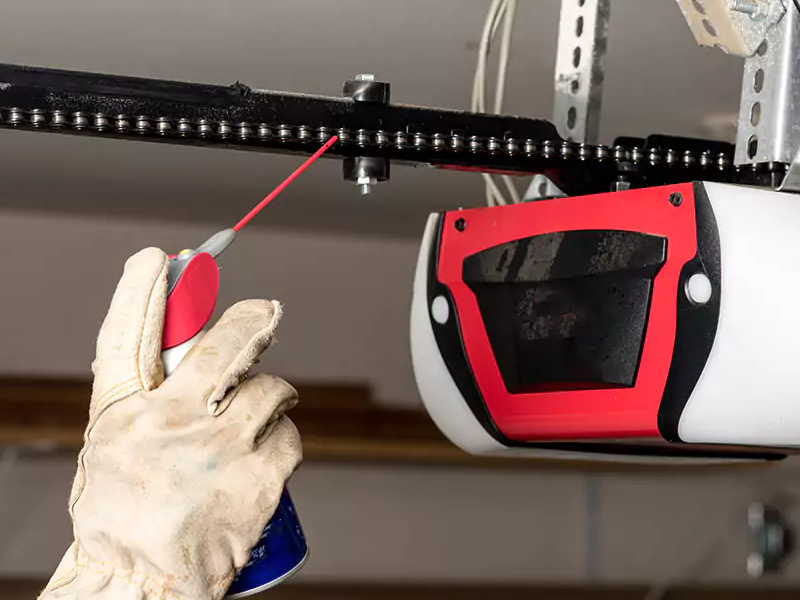
- Lubricate moving parts every 6 months (chain, hinges, rollers).
- Check safety sensors to make sure the door reverses if blocked.
- Test the auto-reverse feature monthly using a 2×4 board.
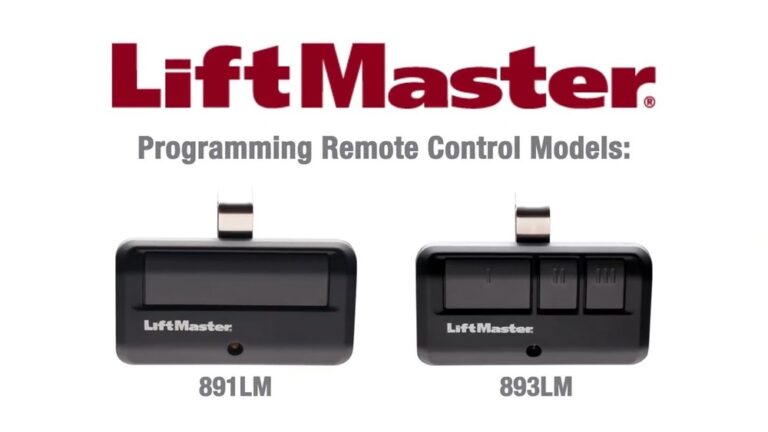
- Replace remote batteries yearly.
- Listen for new noises—they can signal a problem.
Example: If your door suddenly moves slower or makes a grinding sound, check for loose bolts or dry rollers.
Real-world Data: Average Lifespan And Reliability
Many buyers ask, “How long will my garage door opener last?” Here’s what the data shows:
- Average lifespan: 10–15 years (with regular maintenance)
- Common failures: Worn gears, dead remotes, or sensor issues
- Most reliable types: Direct and belt drive models last longer due to fewer moving parts
If your opener is over 10 years old or lacks safety sensors, consider replacing it for better security and convenience.
Smart Home Integration: Is It Worth It?
Modern garage door openers can connect to your home’s Wi-Fi and smart systems. But is it right for you?
Benefits:
- Open or close your door from anywhere using your phone.
- Get alerts if you forget to close the door.
- Share digital keys with friends or family.
- Integrate with Amazon Key for secure package delivery.
Drawbacks:
- Requires a stable Wi-Fi connection.
- Slightly higher cost.
Non-obvious insight: Smart openers can help you track when your kids come home, adding peace of mind.
For more on smart home trends, check the CNET Smart Home Guide.
Price Guide: What Should You Pay?
Garage door opener prices vary. Here’s a rough idea for 2024:
| Type | Price Range | Best for |
|---|---|---|
| Chain Drive | $120 – $220 | Budget buyers, detached garages |
| Belt Drive | $180 – $350 | Quiet operation, attached garages |
| Screw Drive | $150 – $250 | Low maintenance |
| Direct Drive | $250 – $400 | Durability, ultra-quiet |
| Jackshaft | $300 – $500 | Special layouts, high ceilings |
Remember: Installation and smart modules may add $100–$200 to your total cost.
Frequently Asked Questions
What Size Garage Door Opener Do I Need?
For most single and double garage doors, 1/2 HP is enough. If you have a heavy, insulated, or wooden door, consider 3/4 HP or higher. Oversized doors (like RV garages) may need 1 HP or more.
How Long Does A Garage Door Opener Last?
With regular maintenance, a quality opener lasts 10–15 years. Belt and direct drive models often last longer because they have fewer moving parts.
Can I Install A Garage Door Opener Myself?
Yes, many openers are DIY-friendly if you are comfortable with tools and following instructions. However, complex models or garages with special layouts may need professional installation.
Are Smart Garage Door Openers Secure?
Modern smart openers use rolling codes and encrypted signals. These features protect against hacking. Always keep your app updated and use a strong home Wi-Fi password.
What Should I Do If My Garage Door Opener Stops Working?
First, check the remote batteries, safety sensors, and power supply. If the opener still does not work, consult the manual or call a professional. Do not try to fix internal wiring or springs yourself.
Finding the best garage door opener does not need to be complicated. Focus on the features that matter most for your home, consider your budget, and don’t forget about safety. With the right choice, you’ll enjoy years of convenience and peace of mind.
Credit: www.precisiondoor.net