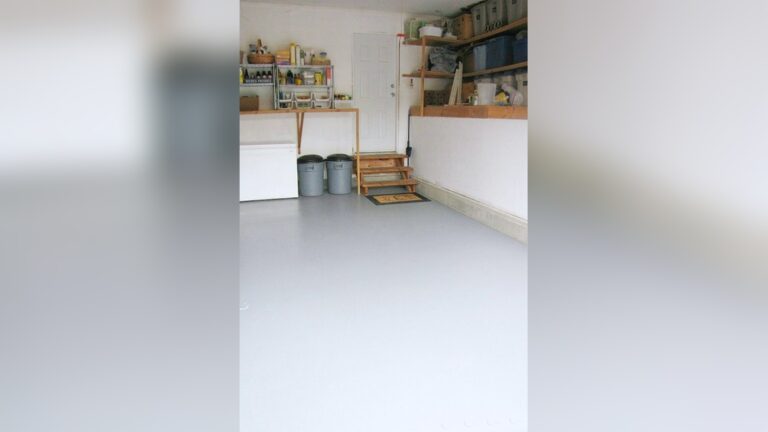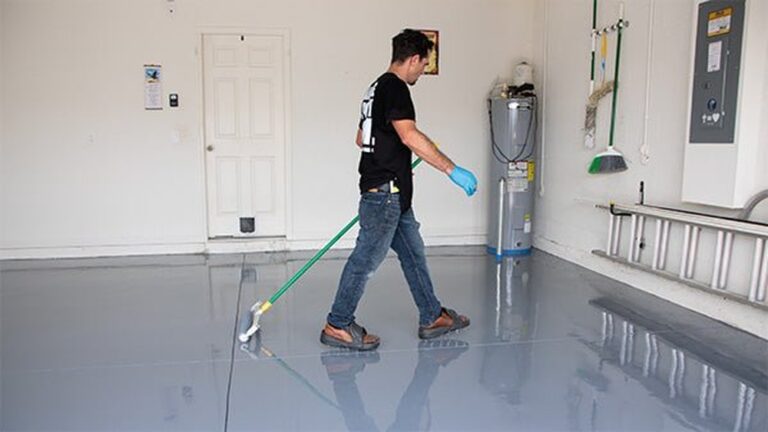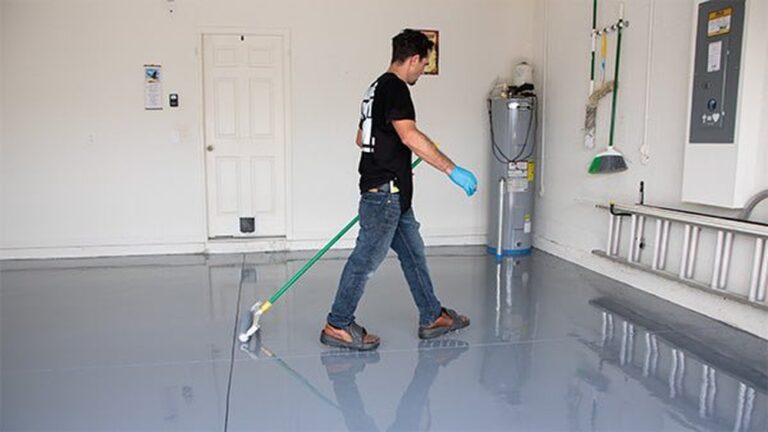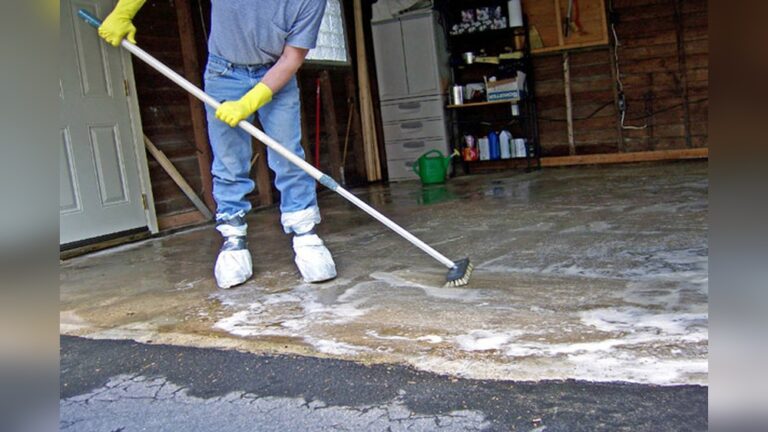

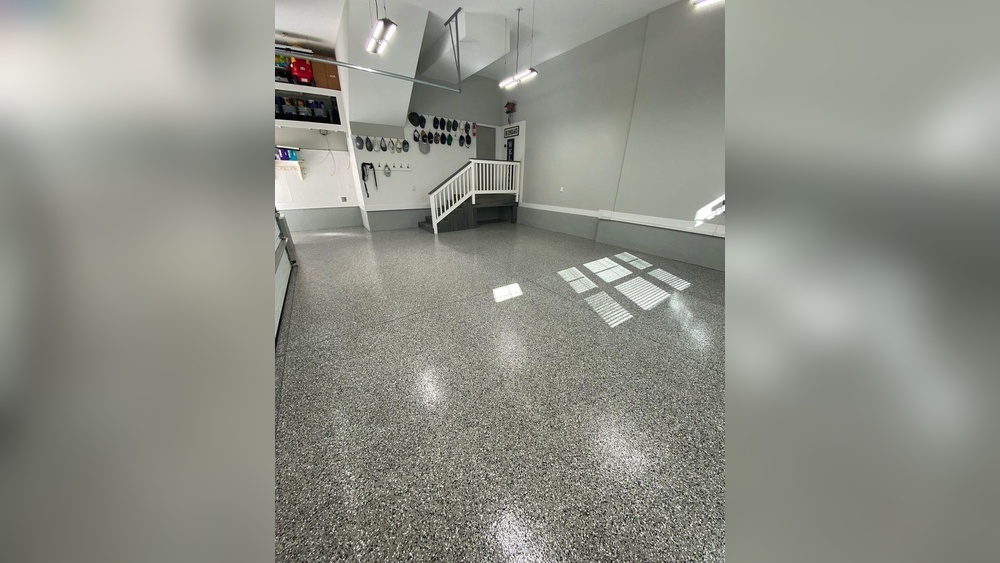
Epoxy flooring is a popular way to upgrade a 2 car garage. It creates a durable, shiny surface that resists stains, oil, and chemicals. But before starting, most homeowners want to know: *How much does it cost to epoxy a 2 car garage?* The answer depends on many factors, including size, materials, labor, and extra features. This article explains everything in plain English, so even beginners can feel confident. You’ll see real examples, practical tips, and clear comparisons to help you decide.
What Is Epoxy Flooring?
Epoxy flooring is a coating made from resin and hardener. When mixed, they form a strong plastic layer that sticks to concrete. This surface is smooth, easy to clean, and lasts years.
- Resistant to oil, grease, and chemicals
- Easy to sweep and mop
- Protects concrete from cracks and wear
- Looks shiny and modern
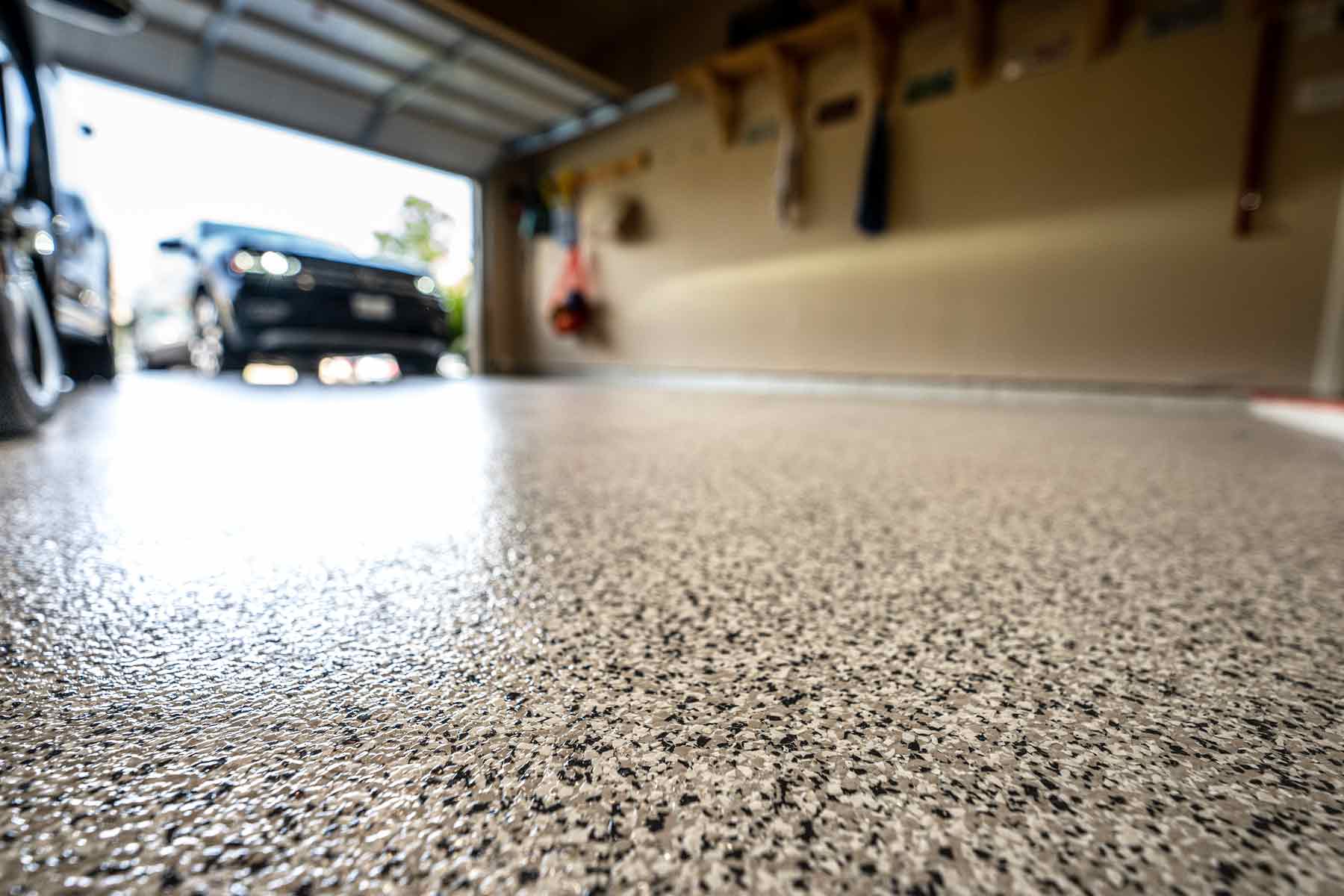
Many garages use epoxy because it’s practical and affordable compared to tile or polished concrete. It also hides small imperfections in the concrete and can help brighten up a dark garage because the shiny finish reflects light well. This is a benefit many homeowners don’t expect.
Another plus is that epoxy flooring reduces dust from concrete, making your garage cleaner.
Garage Size And Cost Basics
The size of your garage is the main factor. Most 2 car garages in the US are about 400–500 square feet.
- Small 2 car: 20×20 feet (400 sq ft)
- Large 2 car: 22×22 feet (484 sq ft)
Epoxy prices are usually given per square foot. The more area, the higher the total cost. If your garage has odd shapes or built-in cabinets, measure carefully. Don’t forget to include extra space if you want to epoxy a small storage area or steps inside the garage. Sometimes, homeowners only epoxy the main parking area, which lowers the cost, but full coverage looks more professional.
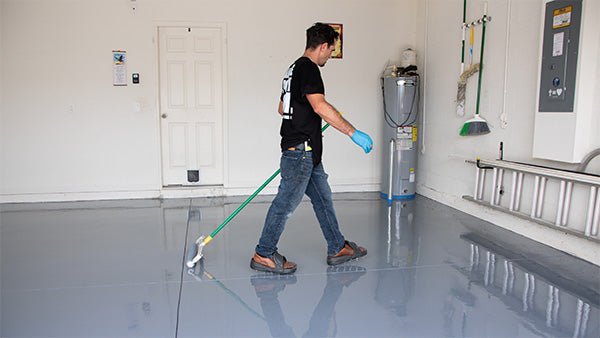
Credit: xtremepolishingsystems.com
Average Cost Range For A 2 Car Garage
For a typical 2 car garage, the cost to epoxy ranges from $1,200 to $3,000. This includes materials and labor. Why such a wide range? Because prices depend on:
- DIY vs professional install
- Type of epoxy
- Prep work needed
- Any extra design options
Here’s a quick summary of common price points:
| Type | Cost per sq ft | Total for 2 Car Garage |
|---|---|---|
| DIY Basic Epoxy Kit | $2–$3 | $800–$1,500 |
| Professional Basic Epoxy | $4–$7 | $1,600–$3,500 |
| High-End Decorative Epoxy | $8–$12 | $3,200–$6,000 |
Some contractors may offer package deals that include basic prep and color chips for a set price. Always ask what’s included before you agree.
Diy Vs Professional Installation
Diy Epoxy Kits
Doing it yourself can save money. Most epoxy kits from stores cover about 200–250 sq ft per box. You’ll need two kits for a 2 car garage.
- Kits cost $100–$300 each
- Extra for tools, cleaning supplies, and safety gear ($100–$200)
- Total DIY cost: $800–$1,500
But DIY epoxy has challenges:
- Surface prep is hard
- Mistakes can cause peeling
- Kits may not last as long as pro products
Some homeowners try DIY because they want to personalize their garage. However, many underestimate the amount of labor. You must scrub, patch, and sometimes grind the floor before applying epoxy. If you skip these steps, the coating may not bond well.
Also, DIY kits often have fewer color choices and limited durability.
Professional Installation
Hiring a pro costs more but gives better results:
- Labor costs: $2–$5 per sq ft
- Pros use commercial-grade epoxy
- Warranty often included
Most homeowners pay $1,600–$3,000 for pro install. If you want decorative flakes or colors, the price goes up. Professionals can handle tough prep work, including repairing major cracks or leveling uneven floors. They also apply thicker coats and often use special equipment like diamond grinders. If you want your floor to last over ten years, professional installation is usually the best choice.
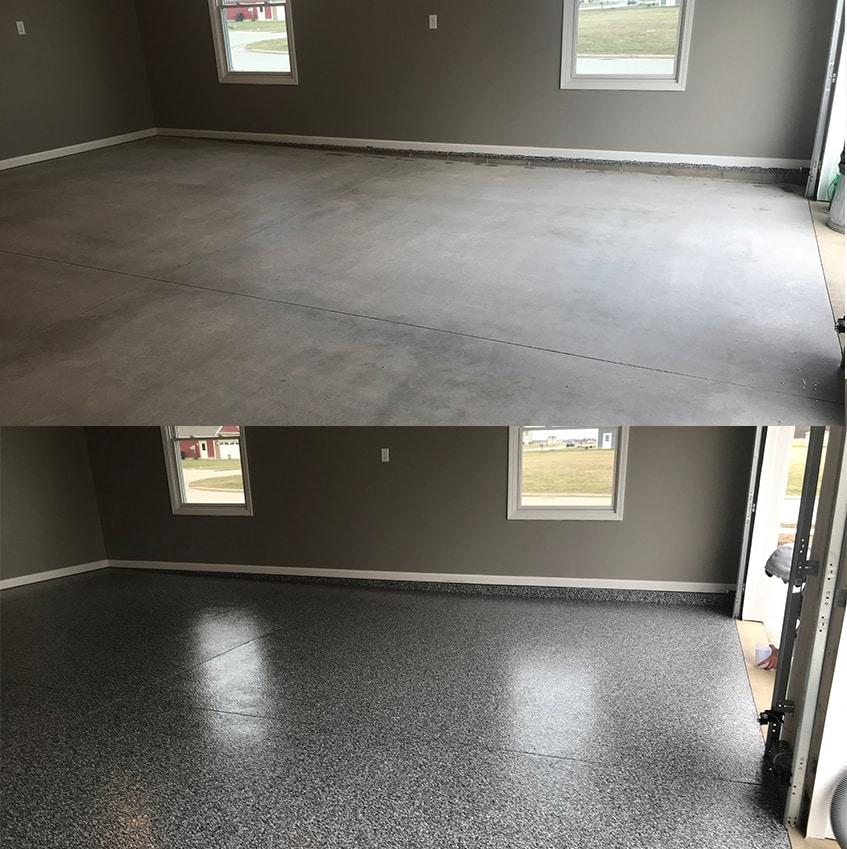
Credit: www.utahgaragefloorcoatings.com
Cost Factors Explained
Several things affect how much you pay. Here are the main ones:
Garage Condition
- New concrete: Cheaper. Less cleaning and repair.
- Old concrete: May need patching, grinding, or acid washing.
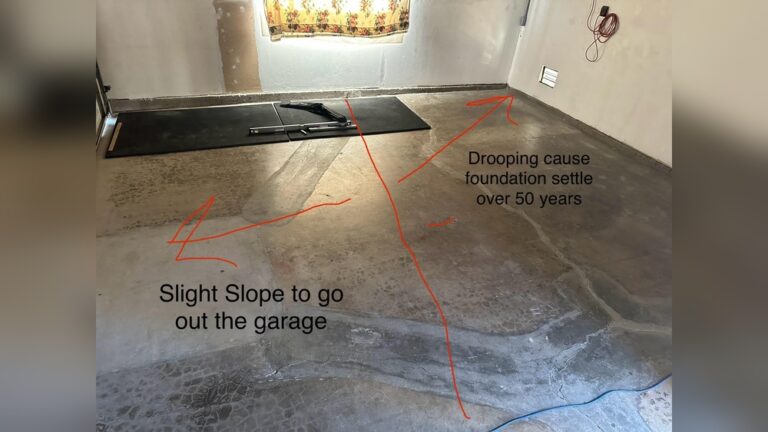
If the floor has cracks or oil stains, pros charge extra for prep work ($200–$600). Some garages have moisture problems, which require special sealers. If your garage floods or has water seeping in, you must fix this before applying epoxy, or the coating may not last.
Type Of Epoxy
Three main types:
- Water-based epoxy: Cheapest, less durable ($3–$5 per sq ft)
- Solvent-based epoxy: More durable, costs more ($5–$7 per sq ft)
- 100% solids epoxy: Strongest, thickest, most expensive ($8–$12 per sq ft)
Water-based epoxy is easier to apply but may need more frequent touch-ups. Solvent-based options resist stains better, but they have strong odors. 100% solids epoxy is thick and tough, great for garages that see heavy use (like car projects or workshops).
Design Options
- Color chips/flakes: $1–$2 extra per sq ft
- Metallic finishes: Adds $2–$5 per sq ft
- Patterns/logos: Custom work can double the price
Designs can make your garage unique. For example, metallic finishes create a shiny, swirling look, while color chips hide dirt and add grip. If you want a sports logo or custom pattern, expect to pay more for skilled labor.
Additional Features
Some garages need extra steps:
- Moisture barrier: $0.50–$1 per sq ft
- Anti-slip coating: $1–$2 per sq ft
- UV-resistant top coat: $1–$3 per sq ft
These options improve safety and appearance but raise the budget. Anti-slip coatings are important if your garage gets wet from rain or snow. UV-resistant top coats help the color stay bright and prevent yellowing if sunlight shines into your garage.
Real Example: Epoxy Cost Breakdown
Imagine you have a 22×22 feet garage (484 sq ft) with old concrete. You want a basic epoxy with color chips, done by a pro.
- Surface prep (grinding, cleaning): $500
- Basic epoxy: $5 x 484 = $2,420
- Color chips: $1 x 484 = $484
- Total: $3,404
If you skip color chips and prep yourself, you could save over $900. Also, if your garage is in good shape, you might pay less for prep. Ask contractors to break down costs so you understand what you’re paying for.
Comparing Epoxy To Other Flooring
Epoxy is cheaper than tile, but more expensive than paint. Here’s a quick comparison:
| Floor Type | Cost per sq ft | Durability | Appearance |
|---|---|---|---|
| Epoxy | $4–$12 | High | Shiny, many colors |
| Concrete Paint | $1–$3 | Low | Matte, limited colors |
| Tile | $8–$15 | High | Varied, stylish |
| Polished Concrete | $6–$12 | Medium | Smooth, gray |
Epoxy is a good balance for most homeowners: affordable, durable, and attractive. Tile can handle heavy loads, but installation is slow and expensive. Polished concrete looks modern but can be slippery and cold. Paint is cheap, but wears out quickly. Epoxy gives you style and strength for a fair price.
Common Mistakes That Raise Costs
Beginners often miss these points:
- Not cleaning concrete well: Causes peeling, extra repair costs
- Using cheap kits: Shorter lifespan, may need redoing in a few years
- Ignoring moisture: Leads to bubbling, must add a moisture barrier
- Overbuying materials: Measure your garage carefully before buying
- Skipping warranty: No coverage if something goes wrong
Careful prep and research save money in the long run. Another mistake is not following the curing time. If you drive or walk on epoxy too soon, it can ruin the finish. Always check instructions and ask your installer for advice.
How To Save Money On Epoxy Flooring
If you want to keep costs low, try these tips:
- Do surface prep yourself: Cleaning, patching, and acid washing can be done with basic tools.
- Choose basic epoxy: Skip fancy colors and flakes.
- Shop around: Get quotes from at least 3 contractors.
- Buy materials in bulk: Some stores offer discounts.
- Schedule off-season: Contractors may charge less in winter.
Also, ask about group discounts if neighbors want epoxy too. Another way to save is to check for manufacturer rebates or coupons online. If you’re handy, consider renting tools like grinders instead of buying them.
Epoxy Flooring Lifespan And Maintenance
Epoxy floors last 5–10 years with normal use. High-end products can last even longer.
- Sweep regularly to remove sand and grit
- Mop with mild soap and water
- Avoid harsh chemicals
If you see chips or cracks, patch them early. Epoxy can be recoated without full removal. If you have a workshop or park heavy vehicles, you may need thicker coats or more frequent touch-ups. A quick maintenance routine can keep your floor looking new and shiny.
Is Epoxy Worth The Cost?
Epoxy costs more up front than paint, but it pays off over time:
- Low maintenance
- Long lifespan
- Better resale value
Many realtors say homes with epoxy garage floors sell faster. For most homeowners, the investment is worth it. The finished floor creates a better first impression and shows you care for your property. Plus, you spend less time cleaning and worrying about stains or cracks.
Non-obvious Insights For Beginners
- Humidity matters: Epoxy needs dry conditions to cure. If your garage is humid, wait for a dry day or use a dehumidifier.
- Temperature affects curing: Epoxy cures best between 60–80°F. If it’s too cold or hot, the coating may not set properly.
- Thickness matters: Thicker coats last longer but cost more. Ask your contractor about recommended thickness.
A fourth tip: Sometimes, two thin coats are better than one thick coat. This helps prevent bubbles and gives a more even finish.
Practical Tips Before You Start
- Measure your garage twice to avoid buying too much or too little epoxy.
- Check if your city needs a permit for garage flooring upgrades.
- Get references from contractors.
- Look for reviews online about durability and service.
If you’re unsure, visit a local garage with epoxy flooring and ask about their experience. Some stores have sample boards you can touch and see. Don’t forget to plan for drying time—most garages cannot be used for at least 24–48 hours after epoxy is applied.
Frequently Asked Questions
How Long Does Epoxy Flooring Take To Install?
Most 2 car garages take 2–3 days. This includes cleaning, prepping, and curing. Some jobs need extra time if the concrete is damaged. If you add designs or special coatings, expect an extra day.
Can I Epoxy My Garage Floor Myself?
Yes, but it’s tricky. You need to clean well, mix chemicals safely, and apply evenly. Many beginners make mistakes that cause peeling or bubbles. Watching online tutorials and reading instructions helps, but practice and patience are key.
Is Epoxy Slippery When Wet?
Epoxy can be slippery, especially if it’s smooth. Adding anti-slip coatings or color flakes helps. Always ask your installer about safety options. If your garage gets wet often, consider extra grip for safety.
Does Epoxy Flooring Smell Bad?
Epoxy can smell during installation. Water-based products have less odor. Make sure your garage is ventilated. The smell disappears after curing. If you are sensitive to smells, ask about low-odor options.
How Do I Clean Epoxy Garage Floors?
Use a soft broom and mop. Avoid acid or abrasive cleaners. For oil stains, use mild soap and water. Epoxy is easy to maintain and resists most stains. For tough spots, gentle scrubbing with a nylon brush works well.
For more technical details and safety tips, check out Family Handyman.
Epoxy flooring transforms your garage into a clean, stylish space. Whether you go DIY or hire a pro, knowing the real costs helps you plan better and avoid surprises. With careful prep and smart choices, your 2 car garage epoxy upgrade can stay within budget and last for years.
Credit: crowncoatings.ca