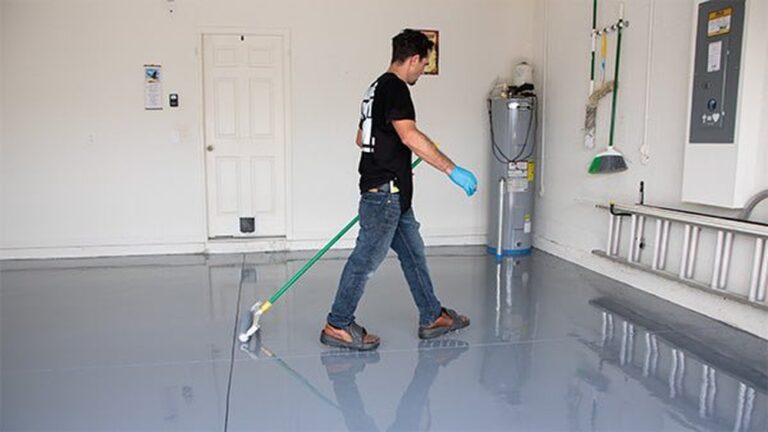

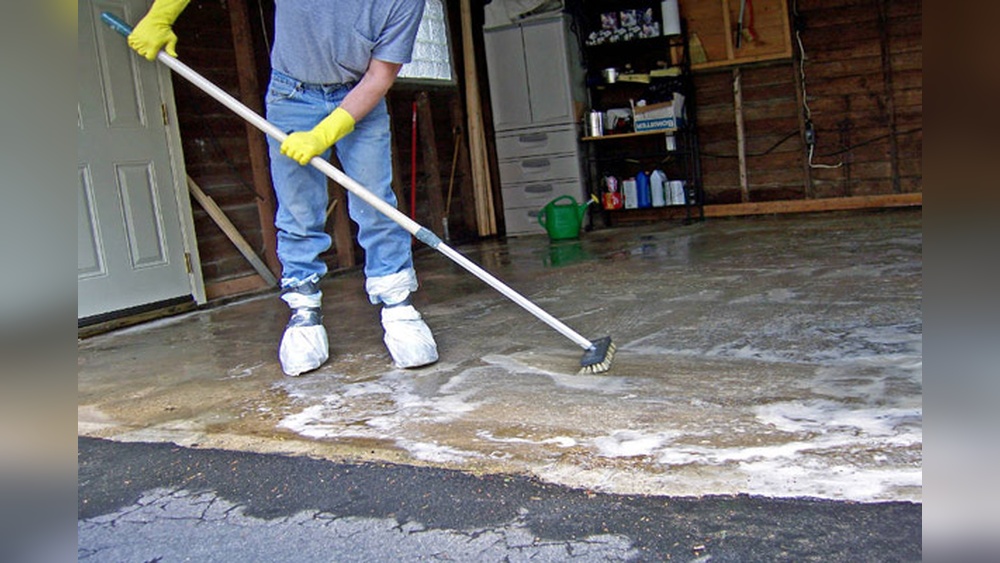
Cleaning garage floors is a simple task that makes your space safer, brighter, and more organized. Many homeowners skip this job, thinking it is hard or time-consuming. But a clean garage floor can help stop dust, mold, and stains from spreading.
Whether your floor is concrete, epoxy, or tile, you can keep it looking fresh with the right steps and tools. This guide explains how to clean garage floors for beginners, including easy routines, tips for tough stains, and common mistakes to avoid.
Why Clean Garage Floors?
Dirty garage floors can cause problems you might not notice at first. Dust and dirt build up over time. Oil and chemical spills make the floor slippery and can damage the surface. Mold grows in damp areas, leading to health risks and bad smells.
Cleaning your garage floor prevents these issues and helps your garage feel like part of your home.
Some data shows that clean garage floors can reduce airborne dust by up to 40%. This is important for people with allergies or breathing problems. Also, regular cleaning makes it easier to spot cracks or leaks early, saving money on repairs.
Tools And Supplies You Need
Before you start, gather the right tools. Using the correct supplies makes the job faster and safer.
- Broom or dust mop
- Wet/dry vacuum (optional, but useful)
- Bucket
- Scrub brush (with stiff bristles)
- Mop
- Cleaning solution (mild soap, degreaser, or floor cleaner)
- Water hose or pressure washer (for deeper cleaning)
- Rags or towels
- Rubber gloves
For tough stains, you may need:
- Concrete cleaner
- Oil stain remover
- Rust remover
- Epoxy-safe cleaner (for coated floors)
Most cleaning supplies cost less than $30 and last for several uses.
Preparing Your Garage Floor
Preparation is key. Spend a few minutes getting your garage ready before you start cleaning.
- Remove items: Take out cars, bikes, boxes, and anything else sitting on the floor.
- Sweep thoroughly: Use a broom or dust mop to clear loose dirt, leaves, and debris.
- Check for stains: Spot any oil, paint, or rust marks. Decide if you need special cleaners for these areas.
- Close doors and windows: If you use chemicals, keep the space ventilated but avoid blowing dust back in.
Some beginners forget to remove clutter before cleaning. This can lead to missed spots and wasted effort.
Basic Cleaning Steps For Garage Floors
Most garage floors are concrete, which is strong but easy to stain. Follow these steps for regular cleaning.
- Dry sweep: Use a broom or vacuum to pick up dust, sand, and small stones.
- Mix cleaning solution: In a bucket, blend water and mild soap or floor cleaner. Avoid harsh chemicals unless you have tough stains.
- Scrub the floor: Dip a brush into the solution and scrub the surface. Focus on dirty spots and corners.
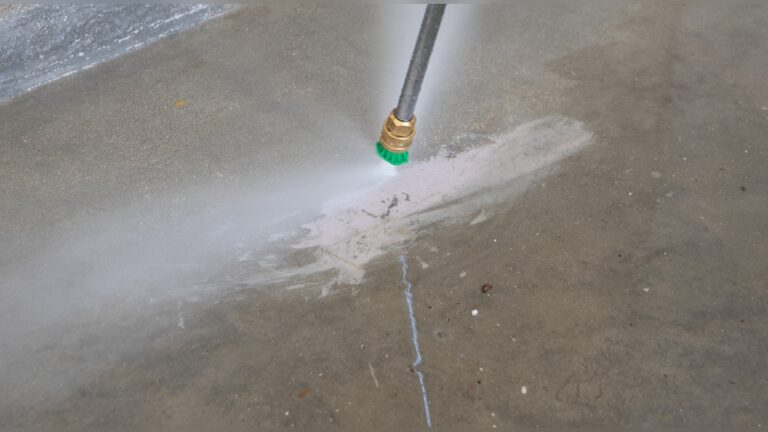
- Mop or rinse: Use a mop for light cleaning. For deeper cleaning, rinse with a hose or pressure washer. Start from the back and move toward the garage door.
- Dry the floor: Use towels or let air dry. Avoid walking on wet floors to prevent slips.
This routine takes 30–45 minutes for a standard two-car garage.

Credit: xtremepolishingsystems.com
Removing Tough Stains
Stains are common in garages. Oil, paint, rust, and tire marks need special attention. Here are solutions for each type:
Oil And Grease Stains
- Sprinkle cat litter or absorbent powder on fresh spills. Let sit for a few hours, then sweep up.
- Apply a degreaser and scrub with a stiff brush.
- Rinse thoroughly. Repeat if needed.
Paint Stains
- Use a paint remover suitable for concrete.
- Scrape gently. Do not use metal tools that scratch the floor.
- Wash with soap and water.
Rust Stains
- Pour lemon juice or vinegar on the stain.
- Let sit for 10–15 minutes.
- Scrub with a brush and rinse.
Tire Marks
- Mix baking soda and water to make a paste.
- Rub on the mark, let sit, then scrub and rinse.
Many beginners only use water for stains, but special cleaners are often needed for best results.
Deep Cleaning Vs. Regular Maintenance
You do not need to deep clean every week. Regular maintenance keeps floors in good shape, while deep cleaning removes stubborn dirt.
| Cleaning Type | Frequency | Effort Level | Tools Needed |
|---|---|---|---|
| Regular Maintenance | Weekly or Monthly | Low | Broom, Mop |
| Deep Cleaning | Every 3–6 Months | Medium/High | Pressure Washer, Special Cleaners |
Deep cleaning is important after winter, when salt and mud build up, or after large spills.
Cleaning Different Garage Floor Types
Not all garage floors are the same. Concrete is most common, but you may have epoxy, tile, or sealed floors.
Concrete Floors
- Easy to clean
- Use standard soap and water
- Avoid acidic cleaners
Epoxy Floors
- Use epoxy-safe cleaners
- Do not use abrasive brushes
- Mop gently
Tile Floors
- Clean grout lines with a brush
- Use tile cleaner for shine
Sealed Floors
- Use mild cleaners only
- Avoid strong chemicals that break the seal
Beginners often use the same cleaner for all floor types, which can damage coatings or tiles.
Safety Tips For Cleaning Garage Floors
Cleaning can be safe if you follow a few simple rules:
- Wear rubber gloves to protect your hands.
- Keep the garage ventilated if using chemicals.
- Do not mix cleaning products.
- Test new cleaners on a small area first.
- Store supplies out of reach of children and pets.
If you have allergies, wear a mask to avoid breathing in dust.
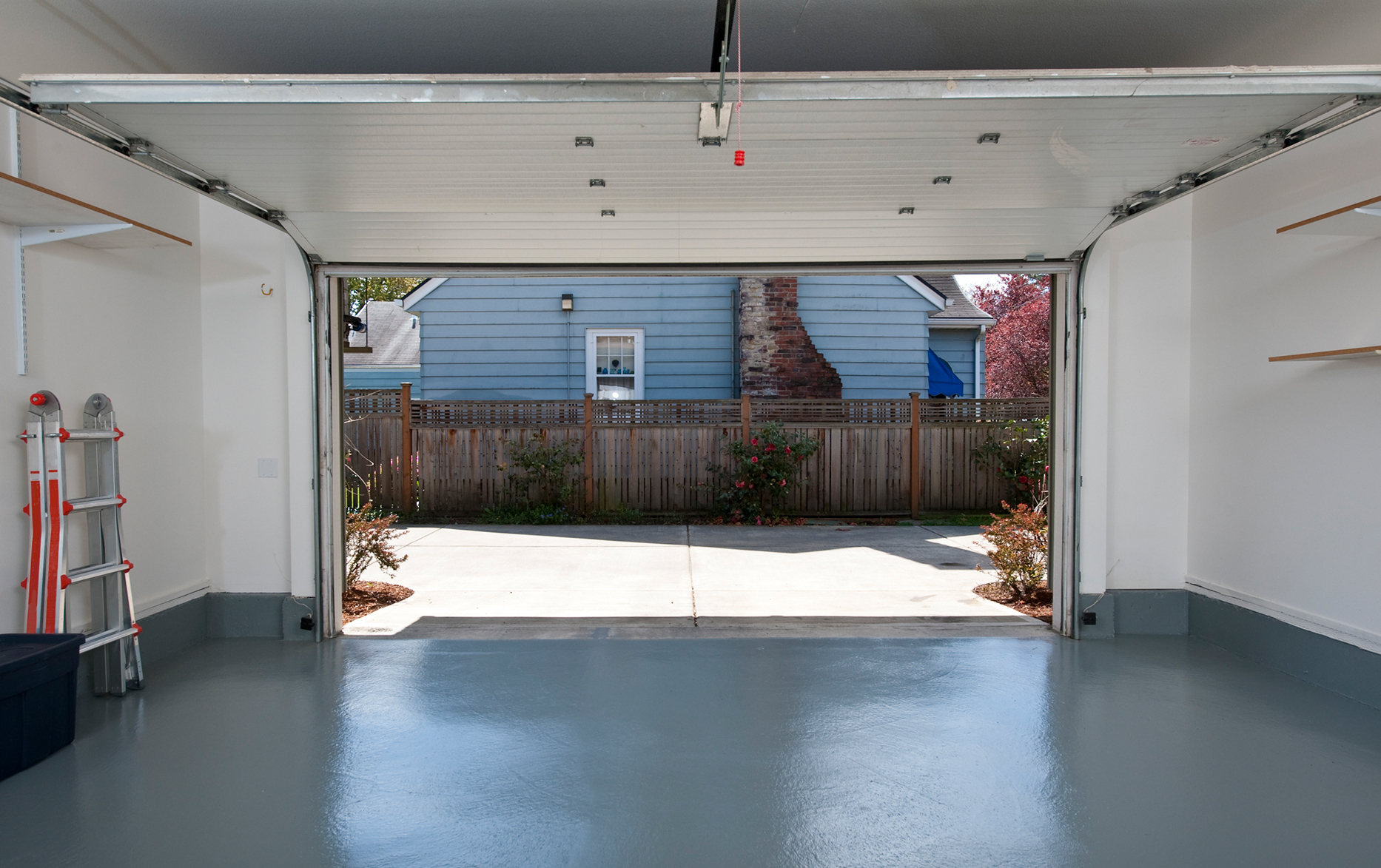
Credit: simplegreen.com
How To Prevent Stains And Dirt
A clean floor stays clean longer if you take simple steps to prevent dirt and stains.
- Use door mats at entrances.
- Place drip pans under cars.
- Clean up spills quickly.
- Sweep once a week.
- Seal concrete every 1–2 years for extra protection.
Sealing the floor costs around $100 for a standard garage, but helps repel oil and water.
Common Mistakes Beginners Make
Learning from mistakes can save you time and money. Here are some errors to avoid:
- Using too much water, causing puddles and mold.
- Mixing bleach and ammonia, which makes dangerous fumes.
- Scrubbing with metal brushes, which scratch coatings.
- Skipping stain treatment, so marks set permanently.
- Not drying the floor, leading to slippery surfaces.
Many new cleaners forget to spot test products. This can cause discoloration or damage.
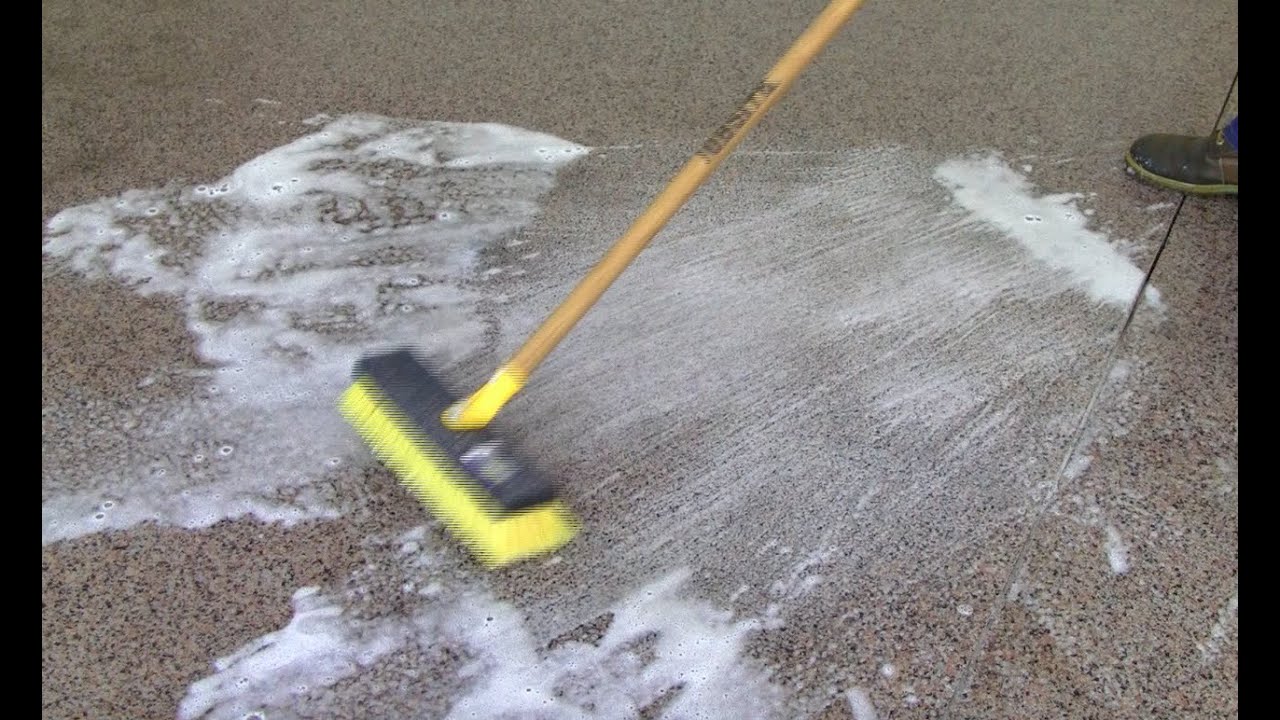
Credit: www.youtube.com
Practical Example: Cleaning A Two-car Garage
Let’s look at a real-life example. Maria, a new homeowner, cleaned her two-car garage floor in one hour.
- She removed bikes and tools.
- Swept with a large broom.
- Used a bucket of water and mild soap to scrub.
- Spotted oil stains and used a degreaser.
- Rinsed with a hose, pushing water toward the driveway.
- Dried with old towels.
Maria saw less dust in the house after cleaning. Her garage smelled fresher and looked brighter.
Comparing Cleaning Methods
Some people use manual cleaning, while others use machines. Here’s a quick comparison:
| Method | Cost | Time Needed | Best For |
|---|---|---|---|
| Manual (Broom/Mop) | $20–$40 | 45–60 minutes | Small garages, light dirt |
| Pressure Washer | $100–$250 (rent/buy) | 30–40 minutes | Large garages, heavy stains |
| Wet/Dry Vacuum | $60–$150 | 30–50 minutes | Dust, dry debris |
Manual cleaning is best for regular upkeep. Machines work well for deep cleaning or big messes.
Eco-friendly Cleaning Tips
You can clean garage floors without harming the environment.
- Use biodegradable soap.
- Reuse old towels and rags.
- Avoid washing chemicals into storm drains.
- Sweep instead of using water when possible.
Eco-friendly cleaners are available at most stores and cost about the same as regular products.
When To Call A Professional
Most cleaning jobs are simple. But some stains, like large oil spills or mold, may need expert help.
- Professionals use high-powered tools and special chemicals.
- Cost is about $100–$300 for a standard garage.
- They can also seal or repair floors.
If you see deep cracks or strong odors, it’s smart to ask for help. For more details on professional cleaning, check out this Angi guide.
Frequently Asked Questions
How Often Should I Clean My Garage Floor?
For most homes, sweep or mop once a month. Deep clean every 3–6 months, or after spills.
What Is The Best Cleaner For Concrete Garage Floors?
A mild soap and water work for regular dirt. For oil stains, use a degreaser designed for concrete.
Can I Use A Pressure Washer On All Garage Floor Types?
Pressure washers are safe for concrete, but avoid them on epoxy or tile floors unless the manufacturer says it’s okay.
How Do I Remove Mold From My Garage Floor?
Mix vinegar and water, spray on the mold, and scrub. Make sure the area dries completely to stop mold from returning.
Is It Necessary To Seal A Garage Floor?
Sealing is optional but helps protect against stains and makes cleaning easier. Seal concrete every 1–2 years for best results.
Cleaning your garage floor is easy with the right steps and tools. You can keep your space safe, bright, and organized while avoiding common mistakes. Regular care stops stains and dirt from building up, and choosing the best method for your floor type makes cleaning faster and more effective.
Whether you clean by hand or use machines, a clean garage floor improves your home and makes every project easier.