
Storing propane tanks at home is common, but there is confusion about where to keep them—especially in the garage. Many people want a safe and convenient solution. Propane is used for grills, heaters, and even backup generators, so proper storage matters for safety and peace of mind.
If you’re wondering, “Can you store a propane tank in a garage? ” this guide will answer your questions with simple explanations, real data, and practical advice.
Why Propane Storage Needs Care
Propane is a flammable gas stored under pressure. While it is safe when used correctly, incorrect storage can lead to leaks, fires, or even explosions. Propane tanks are built with safety valves, but they are not foolproof if conditions are wrong.
- Propane is heavier than air, so leaks can settle at ground level.
- The gas is odorized so you can smell leaks (rotten egg smell).
- Tanks can burst if exposed to very high temperatures or direct flames.
Awareness of these facts helps you understand why storage rules are strict.
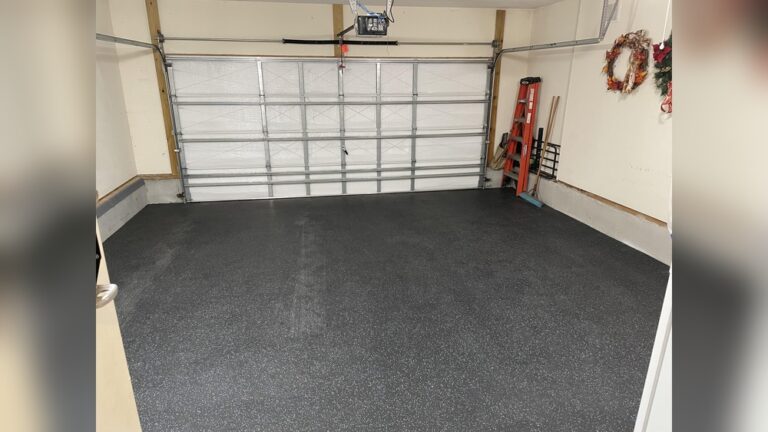
Can You Store A Propane Tank In The Garage?
The short answer: Storing a propane tank in a garage is not recommended, especially if the garage is attached to your house or is not well ventilated.
Here’s why:
- Ventilation: Garages often lack proper airflow. If a tank leaks, propane collects near the floor, creating a fire risk.
- Heat: Garages can get very hot, especially in summer. High temperatures increase pressure inside the tank.
- Electrical appliances: Many garages have freezers, water heaters, or other devices. A spark from these can ignite leaked propane.
- Building codes: Some local fire codes ban propane storage in enclosed spaces.
What If It’s A Detached Garage?
A detached garage with good ventilation is a bit safer, but still not ideal. Even here, a leak could cause a fire or explosion if there’s an ignition source.
Best practice: Keep propane tanks outdoors in a shaded, dry, and well-ventilated spot, away from doors, windows, and any potential flames.

Credit: www.youtube.com
Key Safety Data And Standards
Understanding the numbers can help you make better decisions. Here’s a look at common propane tank sizes and their storage risks.
| Tank Size | Common Uses | Storage Risk in Garage |
|---|---|---|
| 20 lb (BBQ size) | Grills, small heaters | High—leak risk, heat exposure |
| 30 lb | RV, campers | High—larger leak potential |
| 100 lb | Backup heat, larger appliances | Very high—dangerous indoors |
A 20 lb propane tank can explode if the pressure relief valve fails and the tank heats up above 120°F (49°C). In poorly ventilated garages, summer temperatures can approach this level.
What Makes A Garage Unsafe For Propane Tanks?
Many beginners think a garage is safe because it’s indoors, but this is not true. Here are the key risks:
- Poor ventilation: Propane leaks are hard to detect until it’s too late.
- Temperature spikes: Metal garages can get much hotter than outside air.
- Ignition sources: Power tools, cars, and appliances often spark.
- Proximity to living space: In attached garages, a fire can quickly reach the home.
These risks are often underestimated by homeowners.
Real Examples Of Garage Incidents
Many home fires start because propane tanks were stored incorrectly.
- In 2020, a house fire in Illinois was traced to a leaking tank in an attached garage. The homeowner stored the tank next to a water heater.
- The National Fire Protection Association (NFPA) reports that hundreds of fires each year are linked to improper propane storage.
One non-obvious insight: Insurance claims for fires caused by propane leaks are often denied if tanks were stored against code.
Where Should You Store A Propane Tank?
For maximum safety, follow these guidelines:
- Outdoors only: Store tanks outside your house and garage.
- Away from doors/windows: Keep at least 10 feet away.
- Upright position: Always store tanks standing up.
- Shaded area: Keep out of direct sunlight to avoid overheating.
- On a firm surface: Place on concrete or gravel, not soil or wood.
- Away from ignition sources: No grills, cars, or electrical outlets nearby.
Some people use a special outdoor storage box or cage for extra protection.
Comparing Storage Options
Here’s how different locations compare for propane tank safety:
| Location | Safety Level | Pros | Cons |
|---|---|---|---|
| Attached Garage | Low | Convenient access | High fire risk, not code compliant |
| Detached Garage | Medium | Some separation from house | Poor ventilation, still risky |
| Outdoor Shed (vented) | High | Weather protection, good airflow | Must be purpose-built, not airtight |
| Open Outdoors | Highest | Best ventilation, safest | Exposure to weather |
For most homeowners, open outdoor storage is the safest and easiest choice.
How To Store Propane Tanks Outdoors
Storing tanks outside is simple but must be done correctly.
- Choose a flat, solid surface: Concrete pads are best.
- Keep upright: Never lay tanks on their side.
- Protect from weather: Use a ventilated cover, never wrap in plastic.
- Keep clear of objects: Don’t lean bikes, tools, or debris on the tank.
- Check regularly: Inspect for rust, leaks, or damage.
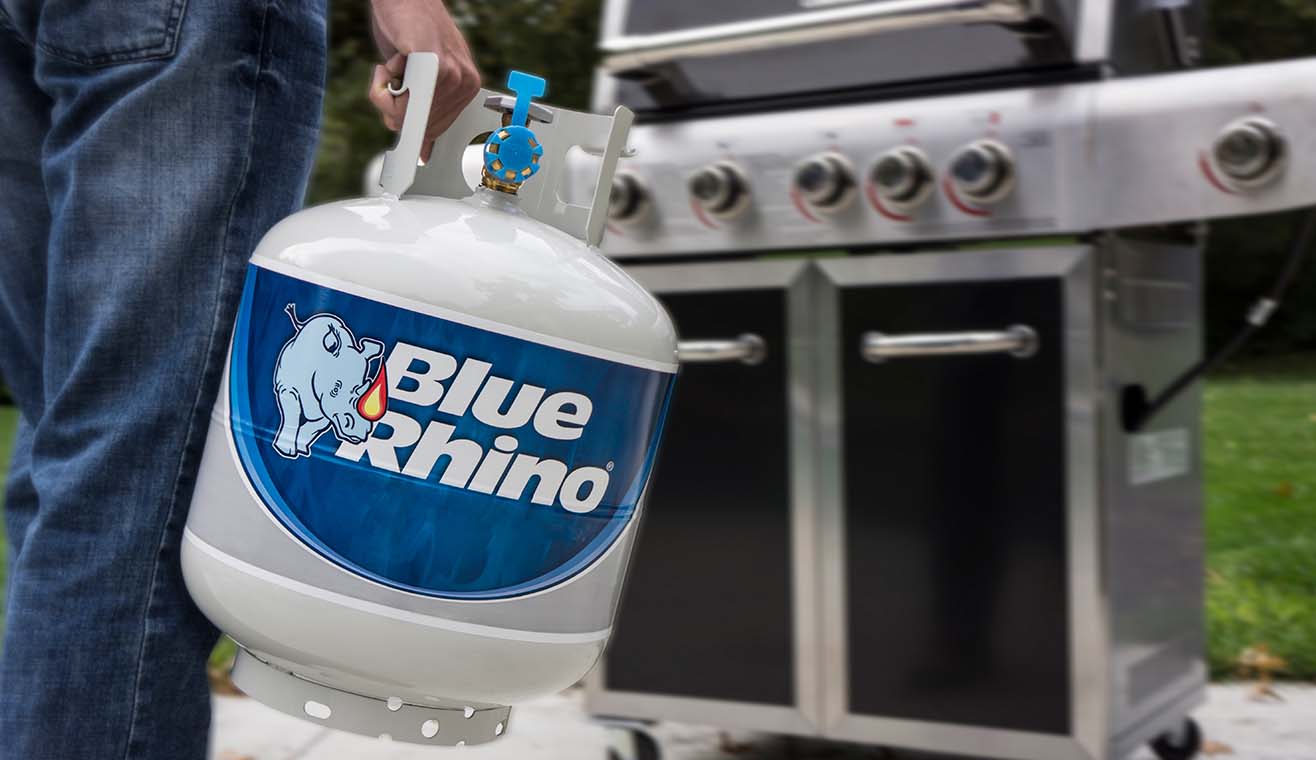
A practical tip: Use a milk crate to keep the tank off the ground and upright.
Credit: www.ferrellgas.com
What About Small Green Propane Canisters?
Small propane canisters (like those used for camping stoves) are also risky if stored in a garage.
- They can leak or burst if punctured.
- They build pressure quickly in the heat.
- Always store outdoors, away from direct sun.
Do not throw them in regular trash. Many cities have special drop-off spots for empty canisters.
Signs Of A Propane Leak
Safety means knowing the warning signs of a leak:
- Strong rotten egg smell (added by manufacturers)
- Hissing sound near the valve or hose
- Frost or ice on the outside of the tank
- Dying grass or plants near the tank
If you notice any of these, turn off the valve and move away from the tank. Call your propane supplier or fire department.
What To Do If You Must Store Temporarily In A Garage
Sometimes, temporary storage in a garage is unavoidable (e.g., severe storms, theft risk). If you must store a tank in your garage for a short time:
- Store near the garage door for quick removal.
- Make sure the valve is tightly closed.
- Keep away from water heaters, freezers, and power tools.
- Store upright, in a ventilated area.
- Do not store more than one tank.
- Remove as soon as possible.
This is a last resort, not a safe long-term solution.
Legal And Insurance Issues
Many local fire codes and insurance policies ban indoor storage of propane tanks.
- The NFPA 58 code states portable propane tanks should not be stored indoors.
- Insurance companies may deny claims if tanks are stored inside and cause damage.
Always check your local rules. For more details, see the National Fire Protection Association’s guide.

Credit: www.wikihow.com
Common Mistakes With Propane Tank Storage
Beginners often make these errors:
- Storing tanks on their side (can cause leaks)
- Leaving tanks in direct sun (overheating risk)
- Storing near open windows or vents (gas can enter home)
- Keeping old, rusty tanks (weaker, more likely to leak)
- Not checking for leaks after refilling
Simple fixes go a long way in keeping you and your home safe.
What To Do With Empty Propane Tanks
Never throw empty tanks in household trash. Here’s what to do:
- Take to a local recycling center or hazardous waste facility.
- Some hardware stores offer tank exchange programs.
- Always transport tanks upright, with the valve closed.
Even “empty” tanks can contain flammable gas.
How Long Can You Store A Propane Tank?
A common question is how long a tank lasts in storage.
- Shelf life: Propane itself does not go bad.
- Tank lifespan: Most tanks last 12 years from the manufacture date in the US. After that, tanks must be recertified or replaced.
- Store in dry, shaded areas to prevent rust.
Check the date stamped on the tank collar to know if it’s still safe to use.
Comparing Propane With Other Fuel Storage
How does propane compare to other common fuels for home use?
| Fuel Type | Storage Indoors | Storage Outdoors | Common Risks |
|---|---|---|---|
| Propane | No | Yes | Leak, fire, explosion |
| Gasoline | No | Yes (small amounts) | Vapor, fire, toxic fumes |
| Diesel | Limited | Yes | Fire, environmental hazard |
| Natural Gas (pipelines) | Not stored | Not stored | Leaks, carbon monoxide |
As you can see, propane and gasoline should both be stored outdoors for safety.
Key Takeaways For Beginners
- Do not store propane tanks in a garage unless you have no other choice and only for a short time.
- The safest place is outdoors, upright, and in a ventilated area.
- Know your local rules and fire codes.
- Always check tanks for leaks and damage before use.
- Dispose of empty tanks correctly.
These steps help prevent accidents and keep your home safe.
Frequently Asked Questions
Can I Store A Propane Tank In My Garage During Winter?
Storing a propane tank in your garage during winter is still not advised. Cold temperatures are less risky than heat, but garages can still trap gas if there’s a leak. Always store tanks outside, even in winter. Propane does not freeze at normal outdoor temperatures.
How Do I Know If My Propane Tank Is Leaking?
You’ll notice a strong rotten egg smell, hear a hissing sound, or see frost on the tank. If you suspect a leak, move away from the tank and call your propane supplier or fire department for help.
Is It Safe To Store A Propane Tank In A Shed?
A shed is safer than a garage if it is well-ventilated and located away from your house. Do not store in airtight or windowless sheds. Make sure there are vents near the floor.
What Should I Do If I Find An Old Propane Tank In My Garage?
Do not use old tanks. Take them to a recycling center or hazardous waste site. Check the tank’s manufacturing date—if it’s over 12 years old, it should be replaced or recertified.
Can I Store A Propane Tank Under My Grill Cover?
No, do not store propane tanks under grill covers or in any enclosed space. Always disconnect and store tanks outside, standing upright, and away from the grill when not in use.
Keeping propane tanks out of your garage and following safety tips will help protect your home, family, and property. With the right storage, propane is a safe and reliable energy source for your needs.