
Renting a garage every month can solve many problems. You get a safe place for your car, extra storage, or even a small workspace. But many people wonder, how much does it cost to rent a garage per month? Prices are not the same everywhere. They change based on location, size, and other features. If you want to rent a garage, you need clear, simple answers. This guide breaks down the costs, what affects them, and how to get the best deal.
What Is A Garage Rental?
A garage rental means you pay money each month to use a garage that someone else owns. People rent garages for:
- Parking a car or motorcycle
- Storing boxes and belongings
- Small projects or hobbies
Some garages are part of a house. Others are separate buildings or in large parking complexes. When you rent, you do not own the garage. You just get the right to use it during the rental period.
Average Monthly Garage Rental Prices
Prices for renting a garage can be very different from city to city. Here is a look at the average monthly costs in the United States:
| City/Area | Average Price (per month) |
|---|---|
| New York City | $300–$600 |
| Los Angeles | $200–$400 |
| Chicago | $150–$300 |
| Houston | $100–$200 |
| Suburban/Rural Areas | $50–$150 |
Urban garages cost more because space is limited. In small towns, you can often find cheaper options.
What Affects Garage Rental Prices?
Several things decide how much you pay for a garage rental:
1. Location
Garages in busy cities cost more than those in small towns.
2. Size Of Garage
A single-car garage is cheaper than a two- or three-car garage.
3. Features And Amenities
Garages with electricity, security cameras, or climate control are usually more expensive.
4. Length Of Rental
Some owners give discounts for long-term rentals (6 months or more).
5. Condition Of Garage
New, clean garages may cost more than older, less maintained ones.
Example: Single Vs. Double Garage
| Garage Type | Urban Price (per month) | Suburban Price (per month) |
|---|---|---|
| Single-car | $200–$350 | $75–$120 |
| Double-car | $350–$600 | $120–$200 |
Insight: Many beginners only look at size and forget about extra costs like electricity or security.
Types Of Garage Rentals
You can choose from different kinds of garages:
- Attached Garage: Part of a house. Easy access but less privacy.
- Detached Garage: Separate building. More privacy, often more space.
- Parking Garage: Part of a large complex. Good for city parking.
- Storage Garage: Used mainly for items, not vehicles.
Example: Renting a spot in a city parking garage may cost $300/month, but a detached garage in the suburbs might cost $100/month.
Hidden And Extra Costs
The monthly price is not always the full cost. Watch for these possible extra fees:
- Security deposit: One-time payment, usually equal to one month’s rent.
- Key or remote deposit: Small charge for access devices.
- Utilities: Extra fee if you use electricity or water.
- Insurance: Sometimes, you need insurance for stored items or your vehicle.
Non-obvious Insight: Some landlords ask for renter’s insurance before you move in. This can add $10–$20/month.
Where To Find Garage Rentals
Finding a garage to rent is easier than ever:
- Online platforms: Websites like Craigslist, Spacer, Neighbor, or Facebook Marketplace.
- Local newspapers: Some owners still advertise in print.
- Real estate agents: They may know about available garages.
- Community boards: Grocery stores and community centers sometimes have postings.
Tip: Always visit the garage in person before you sign any agreement. Photos can be misleading.
How To Compare Garage Rentals
When you find two or more garages, compare them based on key factors. Here’s how to make a smart choice:
| Feature | Garage A | Garage B |
|---|---|---|
| Price | $120/month | $150/month |
| Location | Near home | Farther away |
| Size | Single-car | Double-car |
| Security | No cameras | 24/7 cameras |
| Access | Key only | Remote entry |
Pick the garage that matches your most important needs and budget.
How To Lower Your Garage Rental Cost
You can save money on garage rentals by following a few tips:
- Rent in less busy areas: Garages outside city centers are often cheaper.
- Share with someone: Split costs with a neighbor or friend if you do not need the whole space.
- Look for long-term deals: Some owners give discounts for 6- or 12-month agreements.
- Negotiate: Ask if the landlord will reduce the price, especially for older garages.
- Avoid fancy features: Only pay for what you need—skip extras like climate control if not required.
Not-so-obvious tip: If you only need the garage at night, some landlords will offer a discount for limited hours.
What To Check Before Signing A Garage Rental
Renting a garage is a legal agreement. Always check:
- Written contract: Never rely on a handshake deal.
- Access times: Some garages have limited hours.
- Security features: Are there cameras or alarms?
- Allowed uses: Some owners do not allow storage of certain items or business use.
- Maintenance: Who is responsible for repairs?
- End of lease rules: How much notice is needed to leave?
Check the garage in person. Look for water leaks, broken doors, and pests. These problems can cost you time and money.
Common Mistakes When Renting A Garage
Beginners often make these errors:
- Not reading the contract: Always know what you agree to.
- Ignoring hidden costs: Ask about all possible fees up front.
- Skipping inspection: Visit before paying.
- Wrong size: Choose the right size for your needs.
- Poor location: Cheap garages far from home may waste time and gas.
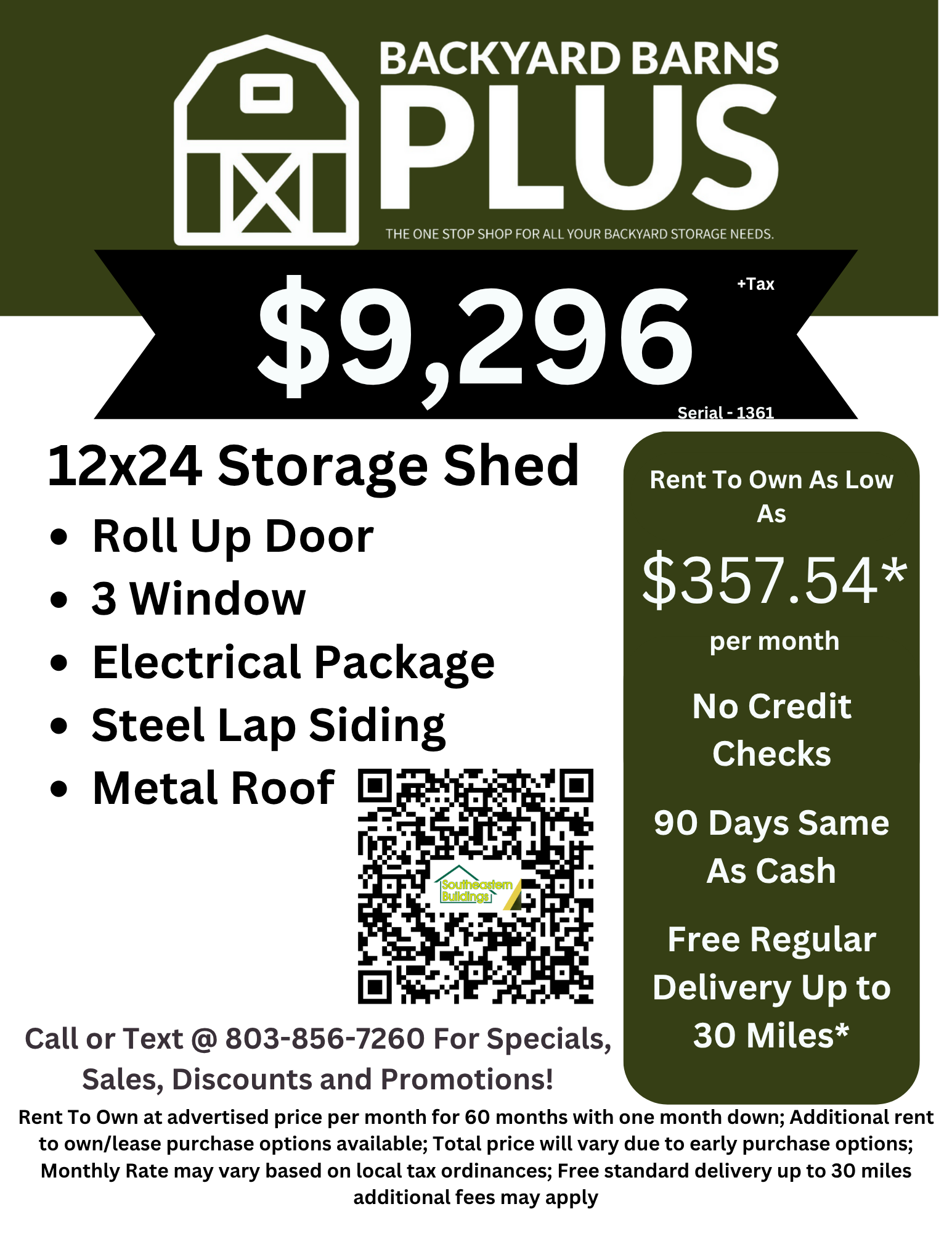
Credit: www.backyardbarnsplus.com
Real-life Example: Renting A Garage In The City Vs. Suburbs
Let’s say you live in San Francisco. You find two options:
- Downtown garage: $350/month, secure, but only available 8 am to 8 pm.
- Suburban garage (15 miles away): $120/month, 24/7 access, less secure.
If you use your car daily and want full access, the suburban garage may be better, even if it’s farther. But if you need high security and don’t need late-night access, downtown may be worth the extra money.
Insight for beginners: Location vs. access hours often matters more than the price alone.
Short-term Vs. Long-term Garage Rentals
- Short-term (month-to-month): Good for temporary needs. Costs more per month, but flexible.
- Long-term (6–12 months): Lower monthly rate, but you are locked in for a longer time.
Think about your plans. If you might move soon, a short-term contract is safer.

Credit: www.reinventingparking.org
Should You Rent A Garage Or Use Self-storage?
Sometimes, Self-storage Units Compete With Garages. What’s The Difference?
- Garage: Best for vehicles, projects, and quick access.
- Self-storage: Better for boxes, furniture, and things you do not need often.
Tip: Self-storage units can be cheaper per square foot but usually do not allow vehicle parking.
Is Renting A Garage Worth The Money?
Renting a garage is worth it if:
- You have no safe parking at home.
- You need extra space for items you use often.
- You want to protect your car from bad weather or theft.
It is not worth it if:
- You rarely use your car or stored items.
- The rental cost is close to your car’s value.
- You have other safe, free parking options.
Hidden insight: Some people rent out their garages for extra income. If you own a garage and do not use it, you could become a landlord yourself.
How To Get The Best Deal
Here are steps to find a great garage rental at a fair price:
- Start early: Prices rise in winter and summer, when demand is high.
- Compare options: Use at least three sources (online, local, agents).
- Check reviews: See what past renters say.
- Ask questions: Do not be afraid to negotiate.
For more on garage rental trends and prices, you can check resources like the Spacer Blog.
Frequently Asked Questions
How Much Does It Cost To Rent A Garage For A Car?
The average cost in the US is $100 to $350 per month for a single-car garage. Big cities cost more, small towns less. Prices change based on location and features.
Can I Store Items Other Than My Car In A Rented Garage?
Yes, most garages allow storage of boxes, bikes, and tools. Always check the rental agreement. Some items (like chemicals or flammable things) may not be allowed.
Is It Better To Rent A Garage Or A Self-storage Unit?
Garages are better for vehicles and quick access. Self-storage is better for long-term storage of belongings. Choose based on what you need most.
Do I Need Insurance For A Rented Garage?
Many landlords require renter’s insurance. This protects your car or items from theft or damage. It costs about $10–$20 per month extra.
How Do I Find A Garage To Rent Near Me?
Look online at sites like Craigslist, Spacer, or Neighbor. Check local newspapers, community boards, or ask real estate agents for help. Always visit before signing.
Renting a garage can make life easier and safer. Take your time, compare options, and ask questions. This way, you get the best value for your money and avoid common mistakes.
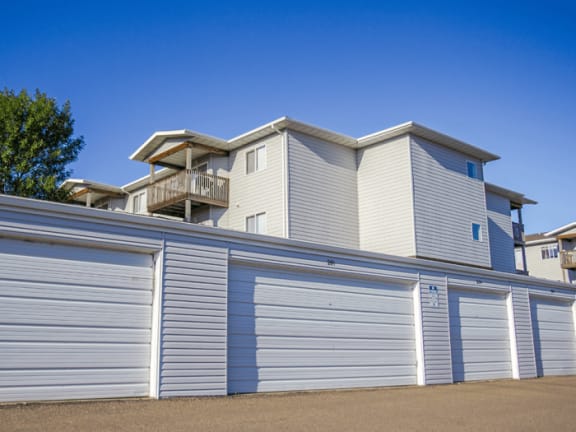
Credit: www.southpointeminot.com