
Storing Spray Paint In The Garage
Spray paint is a handy tool for many DIY projects, repairs, and crafts. However, keeping spray paint in the garage isn’t as simple as putting cans on a shelf. Spray paint is a chemical product that can be dangerous if not stored correctly. Many people do not realize that improper storage can lead to safety risks, ruined paint, or even health hazards. This guide will help you store spray paint in your garage safely and efficiently, using clear explanations and practical examples.
Why Proper Spray Paint Storage Matters
Spray paint contains flammable solvents and gases under pressure. When stored in the wrong conditions, these cans can leak, explode, or lose their effectiveness. Proper storage:
- Protects your home from fire risks.
- Keeps the paint usable for longer.
- Prevents harmful fumes from escaping.
- Keeps children and pets safe.
For example, the National Fire Protection Association (NFPA) notes that aerosol cans are responsible for dozens of garage fires each year in the United States. Most of these incidents happen because the cans were left near heat sources or in direct sunlight.
Understanding Spray Paint Cans
Before you store spray paint, it’s helpful to know what’s inside the can:
- Pressurized gas: Helps spray the paint out.
- Solvents: Keeps the paint liquid and helps it dry quickly.
- Pigments: The color part of the paint.
Because of these contents, spray paint cans are sensitive to temperature changes and physical damage.
Common Problems With Poor Storage
- Cans can rust, leak, or explode.
- Paint may thicken or separate.
- Labels can fade, making it hard to identify colors.
If you’ve ever picked up an old can and it didn’t spray, chances are it was not stored properly.
Key Factors For Storing Spray Paint In The Garage
Storing spray paint is not only about safety—it’s also about keeping your paint in good condition. Here are the main things to consider:
1. Temperature Control
Spray paint cans should be stored in a place that stays between 60°F and 80°F (16°C to 27°C). If the garage gets too hot or cold, the paint and can may be damaged.
- Too hot: Cans can burst or leak.
- Too cold: Paint may become thick, making spraying difficult.
A study by Consumer Reports found that paint cans stored above 120°F (49°C) often fail within a year.
2. Humidity Levels
High humidity can cause cans to rust and labels to peel. Rusted cans may not seal well, letting air in and ruining the paint. Aim for a dry part of the garage, away from plumbing leaks or damp floors.
3. Light Exposure
Direct sunlight heats up cans fast. Store spray paint in a dark area or inside a cabinet. UV rays can also fade labels and weaken the can over time.
4. Ventilation
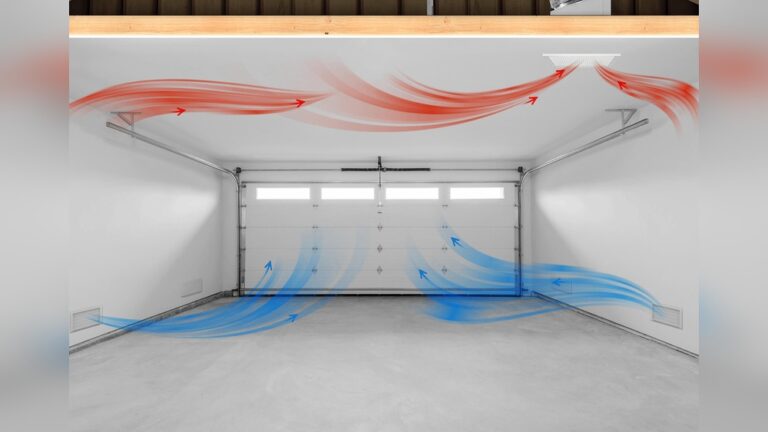
Good airflow prevents the build-up of fumes. Even closed cans can leak small amounts of vapor. Store paint in a part of the garage with proper ventilation, but away from open flames or sparks.
5. Accessibility And Organization
Keep spray paint:
- Off the floor (to avoid water damage)
- Out of reach of children and pets
- Easy to see and grab when needed
Safe Storage Locations In The Garage
Not all parts of the garage are equal. Here’s a comparison of common storage spots:
| Location | Safe for Spray Paint? | Why |
|---|---|---|
| High Shelves | Yes | Out of reach, away from water and heat |
| Near Garage Door | No | Temperature changes, sunlight |
| Floor | No | Risk of water, pets, and kids |
| Metal Cabinet | Yes | Fire-resistant, dark, organized |
| Next to Heater/Boiler | No | Dangerous heat exposure |
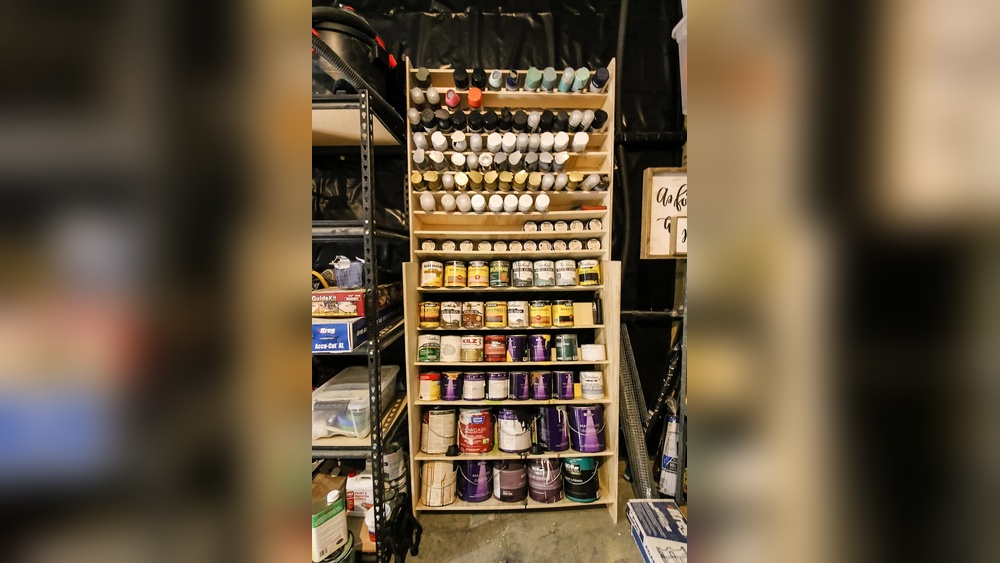
For best results, use a metal storage cabinet with a lock. This is especially important if you have children. Some people use old kitchen cabinets or shelves with doors, but metal is fire-resistant and keeps paint cooler.
How To Store Spray Paint Safely: Step-by-step
- Check the Cans
- Make sure each can is not dented, rusty, or leaking.
- Clean off dust or paint on the nozzle.
- Label and Sort
- Write the color and date of purchase on the can with a marker.
- Group similar colors together.
- Choose the Right Spot
- Pick a cool, dry, and dark place (like a locked metal cabinet).
- Avoid places near heat sources or direct sun.
- Organize the Cans
- Store cans upright to prevent leaks.
- Place older cans in front so you use them first.
- Add Spill Protection
- Use a plastic tray or old baking sheet under the cans.
- This catches leaks and makes cleaning easier.
- Check Regularly
- Once every few months, inspect the cans for damage.
- Discard any that are empty, rusty, or expired.
Example Storage Setup
- Metal cabinet in a corner, away from windows and heaters.
- Labels on each can: “Red – 06/2023.”
- Plastic tray under the cans.
- Small fan in the garage for ventilation (not blowing directly on the cabinet).
Mistakes To Avoid
Many beginners make storage mistakes that can lead to wasted paint or safety risks. Watch out for these common errors:
- Leaving cans in direct sunlight or near windows.
- Storing cans on the floor where water can reach them.
- Keeping spray paint near power tools or electrical outlets.
- Overfilling shelves, causing cans to fall and dent.
- Ignoring expiration dates (most spray paint lasts 2-3 years).

Credit: www.youtube.com
How Long Does Spray Paint Last In Storage?
Spray paint does not last forever. If kept in the right conditions:
- Unopened cans: Up to 3 years.
- Opened cans: About 1-2 years, if the nozzle is cleaned and sealed tightly.
Temperature swings can shorten this lifespan. If a can doesn’t spray well, or the paint comes out lumpy, it’s time to replace it.
Storing Spray Paint In Hot Or Cold Climates
If you live in a place with extreme temperatures, extra care is needed.
Hot Climates
- Garages can reach over 100°F (38°C) in summer.
- Cans may explode or leak if too hot.
- Solution: Use insulated cabinets or store paint inside your house in a utility closet.
Cold Climates
- Freezing makes paint thick and unusable.
- Cans can lose pressure and stop spraying.
- Solution: Bring paint indoors during the winter, or use a heated garage cabinet.
Here’s a comparison of how different temperatures affect spray paint:
| Temperature | What Happens to Paint | Risk Level |
|---|---|---|
| Below 32°F (0°C) | Paint thickens, spray weakens | Medium |
| 60-80°F (16-27°C) | Paint stays good | Low |
| Above 100°F (38°C) | Cans may burst, paint ruined | High |
Organizing Your Spray Paint Collection
A well-organized spray paint area saves you time and reduces waste. Here are some practical tips:
- Use clear bins or baskets for different colors or types (e.g., primers, metallics, clear coats).
- Hang a color chart inside your cabinet so you know what you have.
- Keep a small notebook or phone list of the paints you own and their purchase dates.
- Store only what you need—don’t keep old, empty, or dried-up cans.
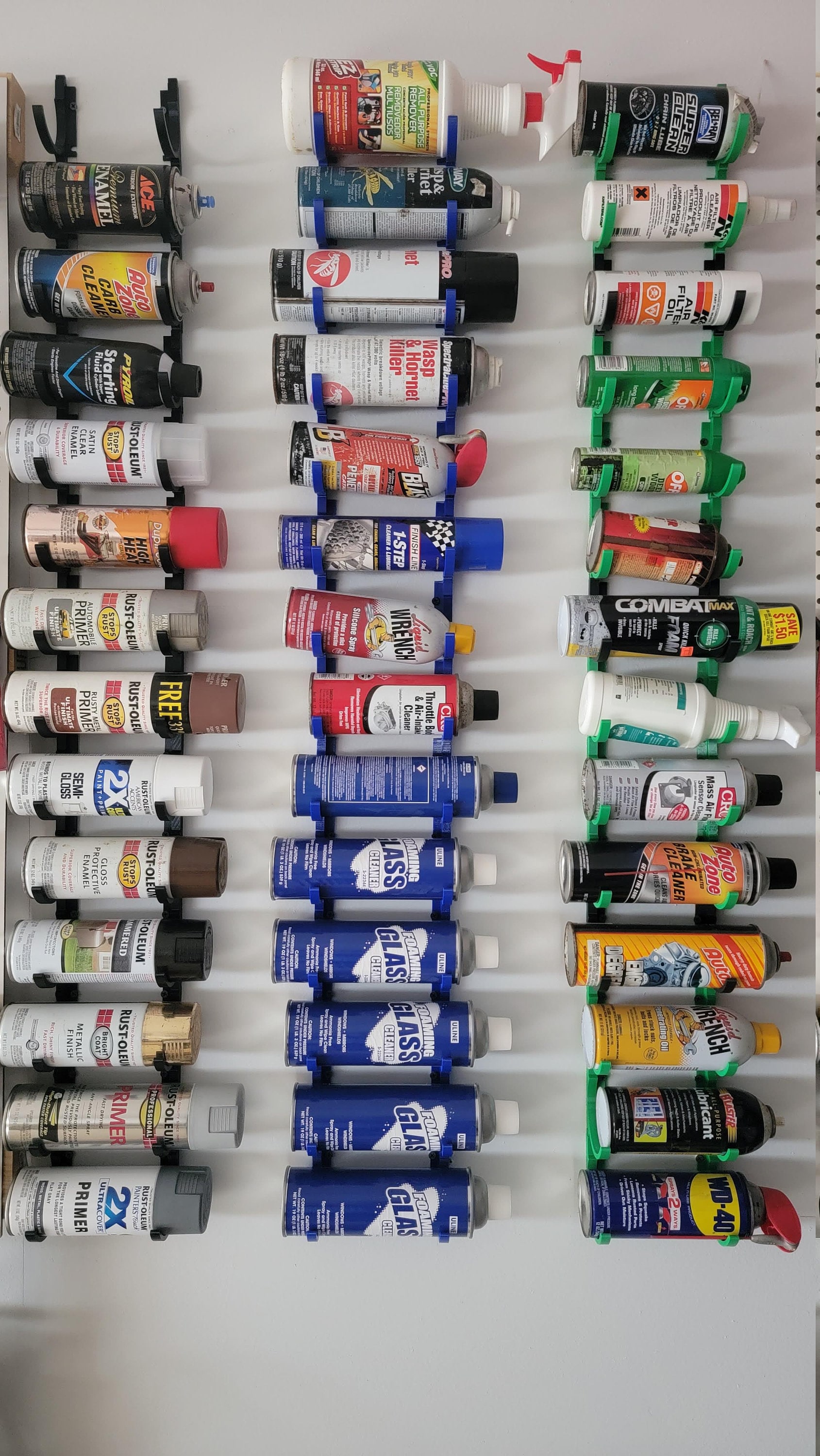
Some people use magnetic strips or wall-mounted racks to hold cans, but make sure they are stable and away from heat.
Safety Tips For Storing Spray Paint
Safety must always come first with spray paint. Remember:
- Always store cans upright.
- Never smoke or use open flames near paint storage.
- Keep a small fire extinguisher in your garage.
- Dispose of empty or old cans according to local hazardous waste rules. Never throw full or partly full cans in regular trash.
- Teach children that spray paint is not a toy.
According to the U.S. Environmental Protection Agency (EPA), improper disposal and storage of spray paint contribute to thousands of accidental poisonings every year. You can find more details on safe disposal at the EPA’s website.
Credit: www.etsy.com
What To Do If A Spray Paint Can Leaks Or Explodes
If you notice a leaking or damaged can:
- Put on gloves and a mask to avoid breathing fumes.
- Move the can outdoors, away from heat or flames.
- Place it in a bucket of sand or kitty litter to soak up the liquid.
- Contact your local waste disposal center for instructions.
If a can explodes (rare, but possible in hot garages):
- Evacuate the area.
- Ventilate the garage.
- Do not try to clean up until the fumes have cleared.
How To Tell If Spray Paint Has Gone Bad
Sometimes, even with good storage, spray paint can go bad. Watch for these signs:
- The can feels light (empty or leaking).
- The paint comes out in clumps or doesn’t spray smoothly.
- The color looks off or separates inside the can.
- There is a strong, unusual smell.
If any of these happen, dispose of the can safely.
Environmentally Friendly Storage And Disposal
Being responsible with spray paint also means caring for the environment:
- Don’t store more paint than you need.
- Recycle empty metal cans if your city allows it.
- Take unused or expired paint to a hazardous waste collection event.
- Avoid buying large multi-packs if you only need one or two colors.
Frequently Asked Questions
How Should I Store Spray Paint During The Winter?
Keep spray paint in a part of the garage that doesn’t freeze, or bring it inside your home (such as a utility closet). Freezing can ruin the paint and the can. If you must store it in a cold garage, use an insulated cabinet or storage box.
Can I Store Spray Paint In A Plastic Shed Outside?
No. Outdoor sheds often get too hot or cold. Plastic sheds offer little protection from extreme weather, which can cause cans to burst or paint to dry out. Always store spray paint in a temperature-controlled environment.
Is It Safe To Keep Spray Paint Near My Car Or Lawn Equipment?
It’s better to avoid storing spray paint near items with engines, heat, or gasoline. These can create sparks or heat, increasing the risk of fire. Choose a separate area, such as a locked cabinet, away from vehicles and tools.
How Do I Know If A Spray Paint Can Is Still Good To Use?
Test the can by shaking and spraying a short burst onto scrap cardboard. If the paint sprays evenly and the color looks right, it’s still good. If the can is clogged, rusty, or the paint is lumpy, it’s time to replace it.
What’s The Best Way To Dispose Of Old Spray Paint Cans?
Never throw full or partly full cans in regular trash. Take them to a local hazardous waste collection center. Many cities have special drop-off days for chemicals and paints. Check your city’s website for instructions.
Storing spray paint in your garage doesn’t have to be risky or complicated. With a few smart steps, you can keep your paint fresh, safe, and ready for your next project. Proper storage protects your home, your family, and the environment—while making your DIY life much easier.

Credit: www.youtube.com