
Garage Fires Statistics
Every year, garage fires cause serious damage to homes, property, and sometimes even lives. Many people think of the kitchen or living room as the most dangerous area in a house, but the garage actually holds many hidden risks. Understanding garage fire statistics can help homeowners stay safe and protect what matters most.
Why Garage Fires Are A Serious Concern
Garages are not just for cars. They are often used to store tools, flammable liquids, and other items that can catch fire easily. Because garages are connected to homes, a fire in the garage can quickly spread to living spaces, making the damage much worse.
Many people do not install smoke alarms or fire sprinklers in their garage. This gives fires more time to grow before anyone notices. Fast, hot fires in a garage can be deadly, especially at night when people are sleeping.
Key Garage Fire Statistics In The United States
Understanding the numbers behind garage fires shows why they are so dangerous:
- Average per year: Around 6,600 garage fires in homes are reported to fire departments each year in the U.S.
- Deaths and injuries: These fires cause about 30 deaths and 400 injuries each year.
- Property loss: Garage fires cause over $450 million in direct property damage every year.
- Peak times: Most garage fires happen between 12 p.m. and 6 p.m., but the deadliest fires often start at night.
- Fire spread: In nearly 25% of cases, the fire spreads from the garage into other parts of the house.
These numbers come from the National Fire Protection Association (NFPA) and other official sources.

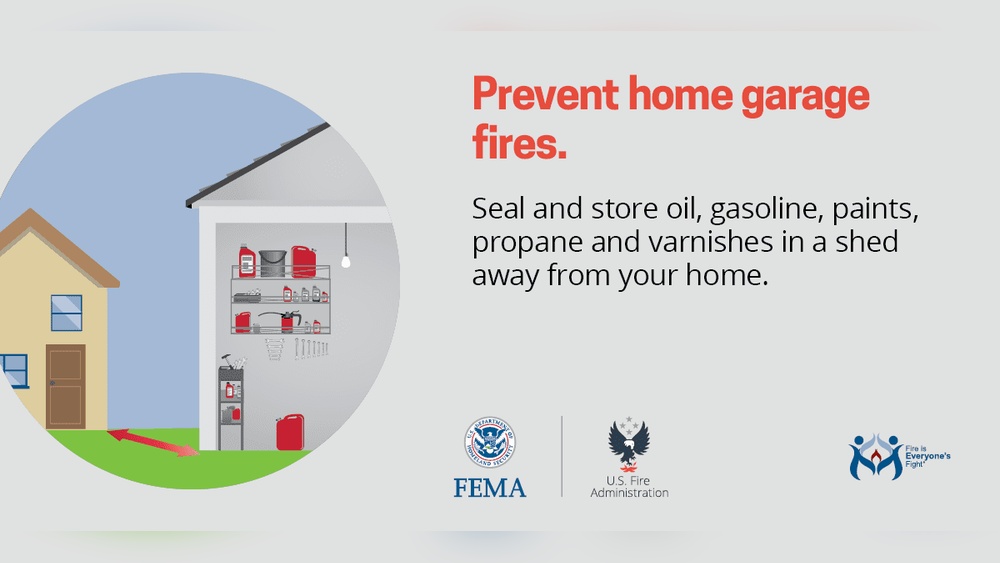
Credit: www.usfa.fema.gov
Common Causes Of Garage Fires
Garages have many items and situations that can lead to a fire. Here are the main causes:
- Electrical problems
- Faulty wiring, overloaded outlets, or old extension cords can spark fires.
- Power tools and chargers left plugged in are common sources.
- Heating equipment
- Space heaters, water heaters, or furnaces are often stored in garages.
- Placing flammable materials too close to these heaters is a big risk.
- Flammable liquids
- Gasoline, paint, oil, and cleaning fluids are often kept in garages.
- Small spills or vapor leaks can ignite from a tiny spark.
- Vehicle issues
- Cars and motorcycles can leak fluids or have hot engines that start fires.
- Battery chargers or jump starters can also malfunction.
- Careless storage
- Cardboard boxes, newspapers, and wood piles increase fire load.
- Clutter near ignition sources makes fires spread faster.
What Makes Garage Fires So Dangerous?
Many people ask why garage fires are often worse than fires in other parts of the home. There are a few reasons:
- Faster spread: Garages have lots of flammable items stored close together.
- Delayed detection: Garages often lack smoke alarms, so fires are noticed late.
- Easy access for fire: Open garage doors, vents, and attached walls help fire move quickly.
- Toxic smoke: Burning plastics, chemicals, and fuel create dangerous smoke.
In many cases, the fire can reach living spaces before the family knows there is a problem.

Credit: www.cbtulsa.com
Data Table: Main Causes Of Garage Fires
To better understand the risks, see the breakdown of top causes:
| Cause | Percentage of Garage Fires |
|---|---|
| Electrical Malfunction | 35% |
| Heating Equipment | 12% |
| Flammable Liquids | 10% |
| Vehicle-Related | 8% |
| Other/Unknown | 35% |
This table shows that electrical problems are the number one cause.
How Garage Fires Compare To Other Home Fires
Many people wonder if garage fires are really more dangerous than fires in kitchens or bedrooms. Let’s compare:
| Fire Location | Average Annual Fires | Average Property Loss | Injury Rate |
|---|---|---|---|
| Garage | 6,600 | $450 million | High |
| Kitchen | 173,000 | $1.1 billion | Very High |
| Bedroom | 24,000 | $300 million | Medium |
While kitchen fires are more common, garage fires cause more severe property loss compared to their frequency. The injury rate is also high, because people are often caught by surprise.
Real-life Example: A Garage Fire Story
In 2022, a family in Ohio lost their home to a garage fire that started from an old power tool left plugged in overnight. The fire spread quickly, fueled by gasoline cans and cardboard boxes. By the time the smoke reached the living room, the fire had already destroyed half the house.
Thankfully, everyone escaped, but the entire house was lost.
This example shows that a small mistake in the garage can lead to big losses.
Regional Differences In Garage Fire Statistics
Garage fire risks can vary depending on where you live:
- Colder states: More fires from heating equipment, especially in winter.
- Rural areas: Longer fire department response times mean bigger fires.
- Urban areas: Higher risk of fire spreading to other homes or buildings.
Understanding local risks helps in planning better fire safety.
Cost Of Garage Fire Damage
The financial impact of a garage fire can be life-changing. On average, a garage fire causes about $68,000 in property damage per incident. This includes:
- Repairing or rebuilding walls, roofs, and doors.
- Replacing cars, tools, and other stored items.
- Cleaning up toxic smoke and chemicals.
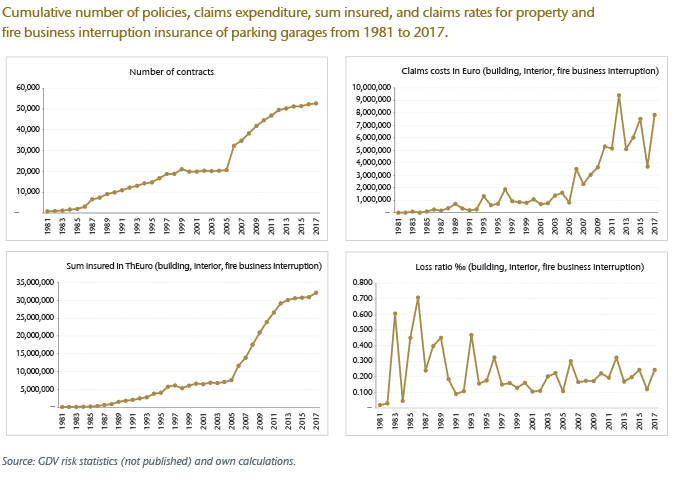
Many home insurance policies cover garage fires, but only if homeowners follow safety guidelines. Not all policies cover business equipment or expensive vehicles kept in the garage.
Prevention: How To Lower Your Risk
Garage fires are scary, but most can be prevented with simple steps:
- Install smoke alarms
- Place at least one smoke detector in the garage.
- Test batteries every month.
- Store flammable liquids safely
- Use sealed, approved containers.
- Keep away from heaters, tools, and vehicles.
- Avoid overloading outlets
- Unplug tools and chargers when not in use.
- Replace old extension cords.
- Keep the garage tidy
- Remove clutter and cardboard boxes.
- Store items at least three feet from appliances.
- Check wiring and equipment
- Inspect for frayed wires or old plugs.
- Repair or replace damaged equipment.
- Install a fire-rated door
- If your garage is attached to the house, use a solid, fire-rated door.
- Have a fire extinguisher
- Keep it in an easy-to-reach spot.
- Learn how to use it before an emergency.
Data Table: Simple Steps To Reduce Garage Fire Risk
Here’s a look at how some prevention actions can reduce risk:
| Prevention Step | Reduction in Fire Risk |
|---|---|
| Smoke Alarm Installation | Up to 50% |
| Safe Storage of Flammable Liquids | 30% |
| Regular Wiring Checks | 25% |
| Fire Extinguisher Ready | 20% |
Taking just a few steps can greatly reduce your risk of a garage fire.
Non-obvious Insights Beginners Should Know
Many homeowners miss two important facts about garage fires:
- Insurance claims can be denied if the fire was caused by illegal wiring or improper storage of chemicals. Always check your policy details.
- Some building codes require firewalls between the garage and house. Renovating your garage without following these codes can make fires much more dangerous.
These are often overlooked, but they make a big difference in safety and financial protection.
Credit: www.genre.com
The Role Of Fire Departments And Community Programs
Fire departments do more than just put out garage fires. They also:
- Offer free or low-cost smoke alarms and installation help.
- Educate the public with safety workshops.
- Inspect homes for common garage fire hazards.
Some cities have community programs that help older adults or people with disabilities improve garage safety. Taking part in these programs can reduce risk and sometimes lower insurance costs.
Trends: Are Garage Fires Increasing Or Decreasing?
The number of garage fires has stayed mostly steady over the last ten years. Better building codes and safety awareness have helped reduce some risks. However, more people are now using garages as workshops, storage for electric bikes, or home gyms—bringing new hazards.
Electric vehicle (EV) charging is a newer risk. Poorly installed EV chargers or overloaded circuits can start fires. Homeowners should always use licensed electricians for new installations.
Garage Fire Myths And Facts
Some common myths can lead to dangerous mistakes:
- “Garage fires are rare.”
Fact: Thousands happen every year, and many go unreported.
- “Only old garages are at risk.”
Fact: New and old garages can both have electrical or storage hazards.
- “If my garage catches fire, I’ll smell smoke.”
Fact: Many garage fires produce smoke that stays in the garage until it’s too late.
Knowing the facts helps you make better safety choices.
How To Respond If A Garage Fire Starts
If you notice smoke or fire in your garage:
- Get everyone out of the house immediately.
- Call 911 from a safe distance.
- Do not try to fight a large fire yourself.
- Never open the garage door—this can give fire more oxygen and make it worse.
Having a family escape plan and practicing it can save lives.
Frequently Asked Questions
What Should I Do If I Smell Burning In My Garage But See No Fire?
If you smell something burning, turn off all electrical items and unplug tools. Leave the garage and watch for smoke. Call the fire department if you are unsure. It’s safer to have professionals check for hidden hazards.
Is It Safe To Keep Gasoline Or Paint In My Garage?
It’s best to keep only small amounts in approved containers. Store them away from heaters, outlets, or vehicles. For larger amounts, consider a detached shed. Never store flammable liquids on shelves above eye level.
How Often Should I Check My Garage For Fire Hazards?
Check your garage at least once every three months. Look for frayed wires, old extension cords, and clutter. Test smoke alarms monthly and replace batteries at least once a year.
Will My Home Insurance Cover Damage From A Garage Fire?
Most standard policies cover garage fire damage, but only if you follow safety guidelines and building codes. If you use your garage for business, tell your insurer. Store receipts for expensive items in the garage in case you need to make a claim.
Can Electric Vehicles Increase Garage Fire Risks?
Yes, if charging equipment is not installed correctly or circuits are overloaded. Always use a professional electrician for EV charger installation. Do not use extension cords with high-power charging units.
Garage fires remain a hidden but serious threat to safety, property, and even lives. By understanding the statistics and acting on prevention tips, you can lower your risk. For more detailed safety guides, visit the National Fire Protection Association website. Taking action today can help keep your home and loved ones safe tomorrow.