
Cracks In Garage Floor
A garage floor is often the hardest working part of any home. It supports cars, heavy tools, bikes, and sometimes, even home gyms or laundry machines. Over time, many homeowners notice cracks in the garage floor. These cracks can be small hairlines or large gaps. If you’ve spotted cracks in your garage floor, you might wonder: Are they dangerous? Should you fix them? Or can you leave them alone?
Understanding why these cracks happen and what to do about them is important. Cracks can affect the look, safety, and even value of your home. This article explains the main causes, types, risks, and repair options for garage floor cracks.
Whether you’re a new homeowner or just want to keep your garage in good shape, you’ll find clear, step-by-step advice here.
Why Do Garage Floor Cracks Happen?
Garage floor cracks are common, but not all cracks are the same. Most cracks happen because of changes in the concrete or the ground below.
Main Causes Of Cracks
- Shrinkage: When concrete dries, it shrinks. This shrinking can cause small cracks, often seen a few months after the garage is built.
- Settlement: The ground under the garage may move or sink. This movement can lead to larger cracks or uneven floors.
- Temperature Changes: Hot and cold weather makes concrete expand and contract. Over time, this movement leads to cracks.
- Heavy Loads: Parking heavy vehicles or using heavy equipment can stress the floor, causing cracks.
- Moisture: Water under the floor can make the ground shift, leading to cracks from below.
Example
Imagine you park two cars in the garage every day. In summer, the hot tires heat the concrete, and in winter, the cold weather makes it contract. Over a few years, these cycles can create visible cracks.
Non-obvious Insight
Many beginners think cracks mean poor concrete. But even well-built garage floors can crack. The real cause is often hidden underground or in the weather, not just in the concrete mix.
Types Of Garage Floor Cracks
Not all cracks are the same. Some are just cosmetic, while others are a sign of bigger problems.
Common Crack Types
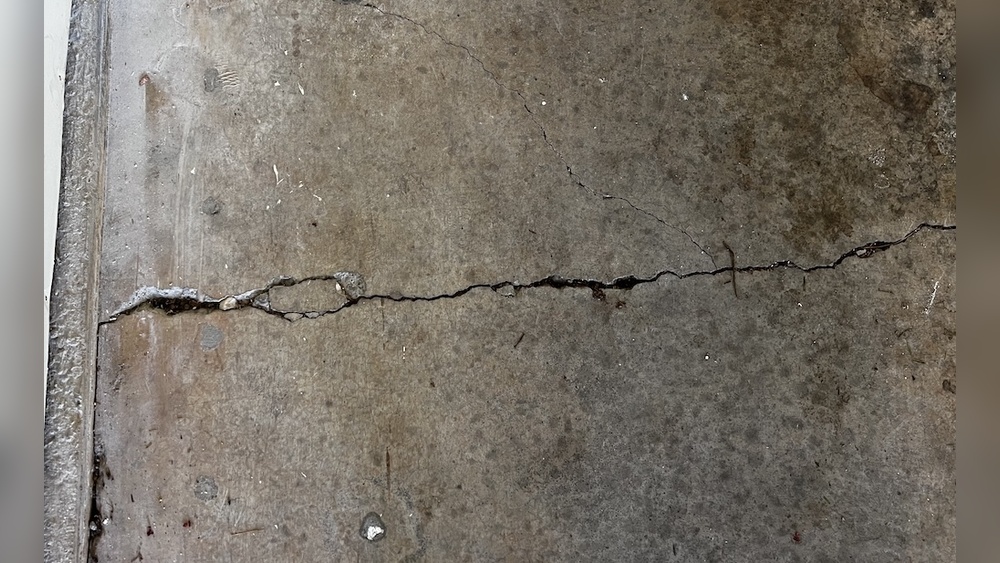
- Hairline Cracks: Very thin, usually less than 1/16 inch wide. Often from drying or small shifts.
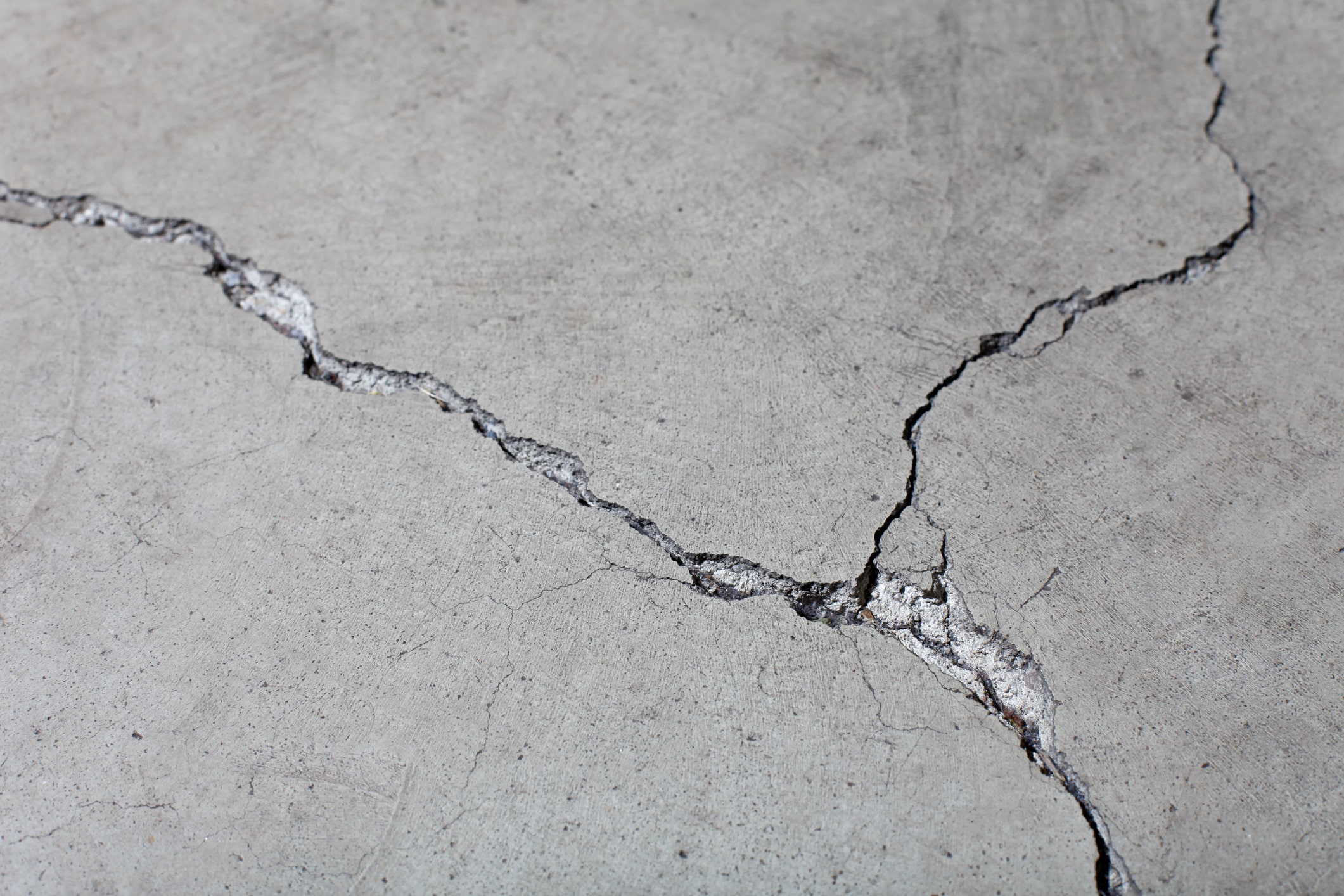
- Shrinkage Cracks: Run in random directions. Usually shallow and appear soon after pouring.
- Settlement Cracks: Wider, sometimes uneven, caused by the ground moving.
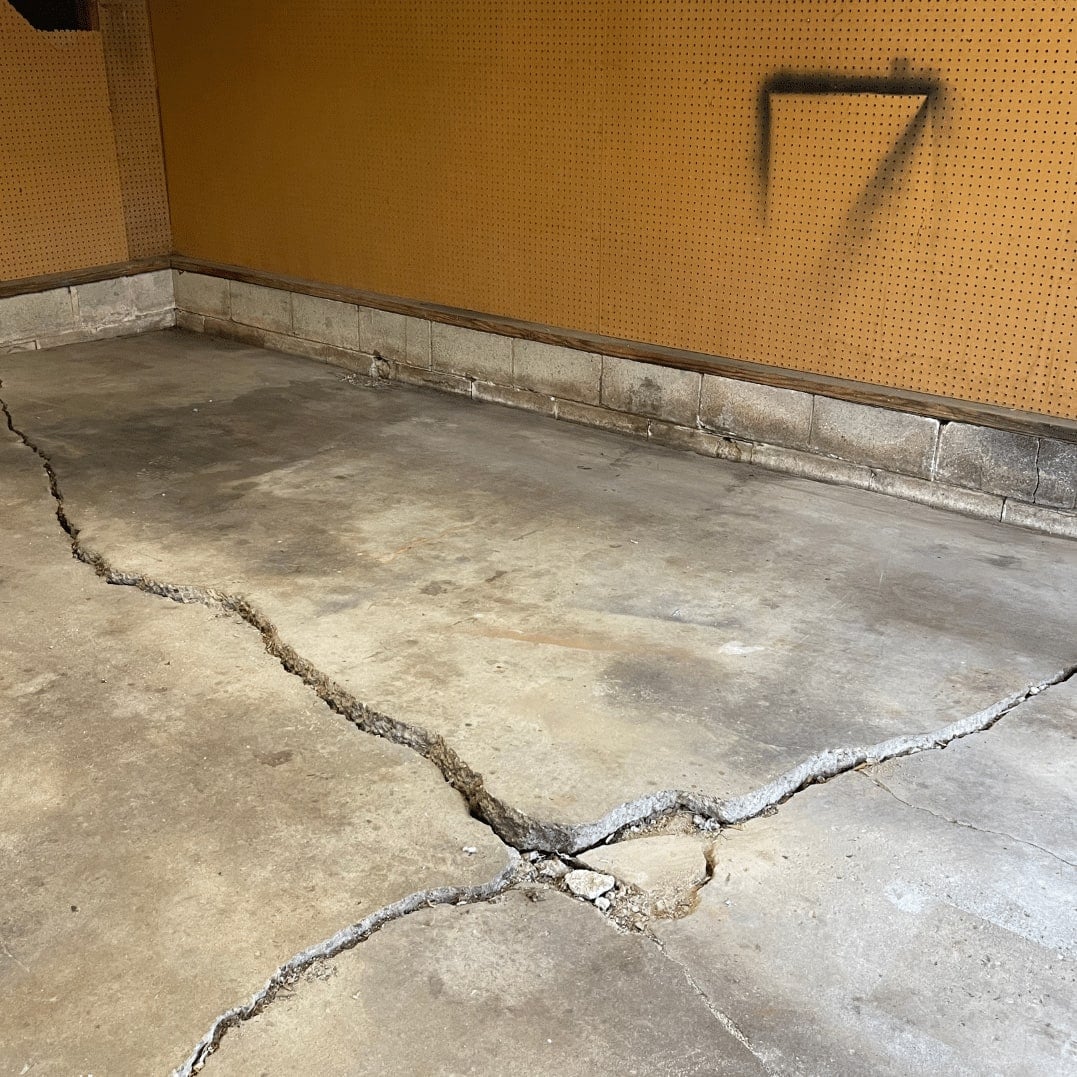
- Heaving Cracks: Parts of the floor lift up. Can be a sign of serious ground movement.
- Control Joint Cracks: Deliberate lines cut in the floor to control where cracks form.
Table: Types Of Cracks And What They Mean
| Crack Type | Width | Common Cause | Urgency |
|---|---|---|---|
| Hairline | < 1/16 inch | Shrinkage | Low |
| Shrinkage | < 1/8 inch | Drying | Low |
| Settlement | > 1/4 inch | Soil movement | Medium-High |
| Heaving | Varies | Expansive soil | High |
| Control Joint | Pre-cut lines | Planned cracking | Low |
Non-obvious Insight
Control joints are not a flaw. They are cut on purpose to “guide” where the concrete cracks, making them less noticeable and easier to repair.
Credit: www.garageexperts.com
Are Garage Floor Cracks Serious?
Some cracks are just cosmetic, while others point to bigger issues.
Signs A Crack Is Serious
- Wider than 1/4 inch: Large cracks can let water, dirt, or insects in.
- Uneven sides: If one side of the crack is higher, the ground may be shifting.
- Growing quickly: If cracks are getting longer or wider, get them checked.
- Water leaks: Water coming up through cracks is a sign of moisture problems.
Table: When To Worry About Cracks
| Crack Feature | Is It Serious? |
|---|---|
| Hairline, not growing | No |
| Wider than 1/4 inch | Yes |
| One side higher | Yes |
| Water coming through | Yes |
| Many small cracks | Maybe |
Example
If you see a crack you can fit a coin into, and one side is higher than the other, this needs attention. It could mean the soil is moving or washing away.
How To Fix Cracks In Your Garage Floor
Repairing cracks is possible for most homeowners, especially with the right materials and steps. For deep or large cracks, consider hiring a professional.
Step-by-step Repair For Small Cracks
1. Clean The Crack
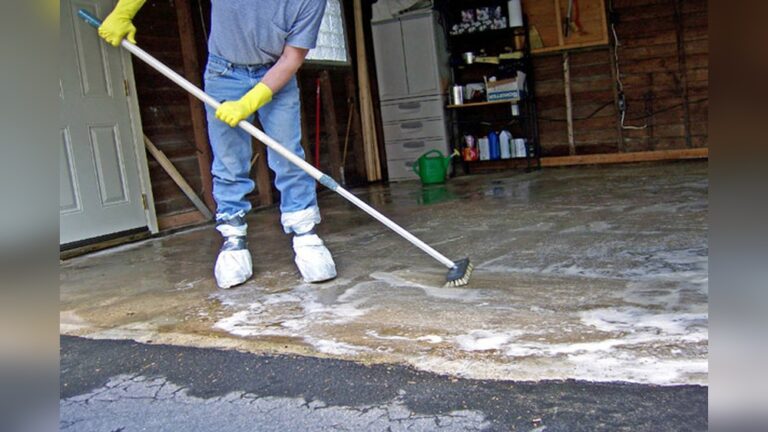
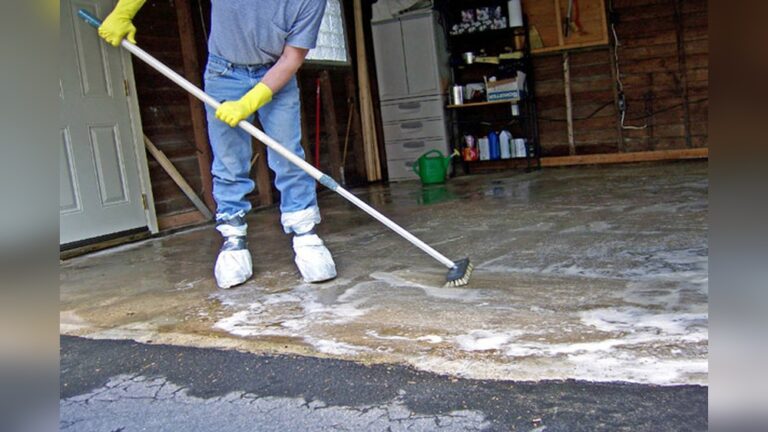
Use a stiff brush and vacuum to remove dust and debris.
2. Widen The Crack
Use a chisel to slightly widen and deepen the crack for better patch bonding.
3. Fill The Crack
Use a concrete crack filler or patching compound. Squeeze or trowel it in.
4. Smooth The Surface
Level the patch with a putty knife and let it dry as directed.
5. Seal The Surface
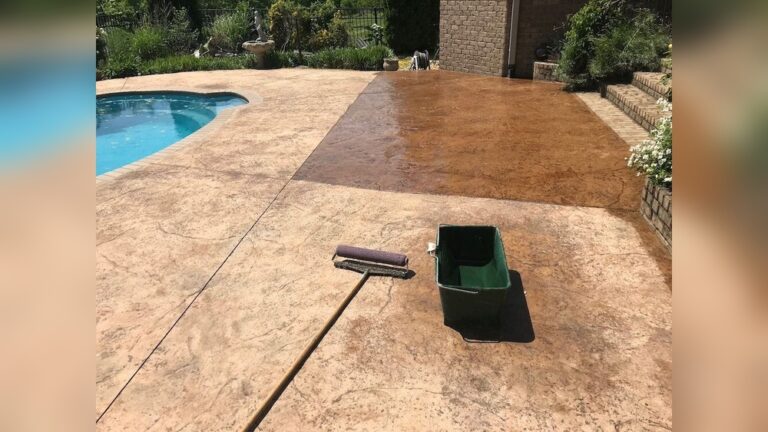
Apply a concrete sealer for extra protection.
Step-by-step Repair For Larger Cracks
1. Inspect For Movement
If the crack is wide or one side is higher, check for ongoing soil movement.
2. Remove Loose Material
Use a hammer and chisel to clear out loose concrete.
3. Add A Backer Rod
For very deep cracks, insert a foam backer rod so the filler sits on top.
4. Apply Epoxy Or Polyurethane Filler
These materials are flexible and strong for wide cracks.
5. Smooth And Seal
Finish the surface and let it cure fully.
Table: Repair Materials Comparison
| Material | Best For | Flexibility | DIY-Friendly |
|---|---|---|---|
| Concrete Patch | Small cracks | Low | Yes |
| Epoxy Filler | Medium cracks | Medium | Yes |
| Polyurethane Sealant | Large, moving cracks | High | Yes, but trickier |
| Professional Repair | Heaving/settlement | Very High | No |
Practical Tips
- For cracks wider than 1/2 inch, use flexible fillers.
- Do not just paint over cracks. The problem will return.
- If the floor keeps cracking, check for water drainage problems outside.
Credit: golevelup.com
Preventing Future Cracks
You can’t always stop cracks, but you can reduce their risk.
Good Practices
- Seal the Garage Floor: A good concrete sealer keeps water out.
- Fix Drainage Issues: Make sure water flows away from the garage.
- Control Heavy Loads: Don’t store heavy machines in one spot.
- Use Expansion Joints: These joints allow for movement without random cracks.
- Keep Gutters Clean: This reduces water soaking into the ground near your garage.
Example
A simple gutter repair can save your garage floor. If water pools near the garage, the soil can soften and shift, leading to cracks.
Non-obvious Insight
Many homeowners focus only on the floor. But fixing cracks outside (like in the driveway or walkways) can stop water from reaching the garage foundation.
When To Call A Professional
Some problems are bigger than a DIY fix.
- If cracks are wide and uneven, or water leaks through, call a concrete specialist.
- If the garage floor is sinking or heaving, professional help is needed.
- Foundation problems often show up as large cracks or doors that stick.
A professional can check for hidden problems, like soil erosion or underground water, and offer long-term solutions.

Credit: scotthomeinspection.com
Cost To Repair Garage Floor Cracks
Costs depend on the crack size and repair method.
- DIY repair kits: $10–$50 for small cracks.
- Epoxy or polyurethane fillers: $30–$100 for larger cracks.
- Professional repair: $300–$1,500, especially if the floor needs leveling.
- Full floor replacement: $2,000–$5,000+ for severe damage.
Always get multiple quotes for professional work. Sometimes, a small extra cost now can prevent a much bigger repair later.
How Cracks Affect Home Value
Small cracks usually don’t hurt your home’s value. But large, visible cracks can worry buyers.
- Cosmetic cracks: Easy to fix and not a deal-breaker.
- Structural cracks: May lower home value until repaired.
- Water leaks: Can cause mold or damage, which reduces value.
If you plan to sell, fix visible cracks and seal the floor. A clean, solid garage floor looks better to buyers and home inspectors.
Frequently Asked Questions
What Causes Cracks In My Garage Floor?
The main causes are shrinkage during drying, ground movement under the floor, temperature changes, and heavy loads. Even well-built garage floors can develop cracks over time.
Are Garage Floor Cracks Dangerous?
Most small cracks are not dangerous. However, wide or uneven cracks, or cracks with water coming through, can be signs of serious problems. These should be checked by a professional.
Can I Repair Garage Floor Cracks Myself?
Yes, many cracks can be repaired with DIY kits from hardware stores. Clean the crack, use a concrete filler, and seal the surface. For large or uneven cracks, professional help may be needed.
How Can I Prevent New Cracks From Forming?
Keep water away from your garage, use a concrete sealer, avoid storing heavy items in one spot, and make sure gutters and drains are working. Expansion joints can also help control where cracks form.
Should I Worry About Cracks Affecting My Home’s Value?
Small cracks usually don’t affect value. Large, visible, or leaking cracks can lower value or slow a home sale. Fixing cracks and sealing the floor can help your garage look its best.
For more on concrete cracks and repairs, check the resources at Concrete Network.
Keeping your garage floor in good condition takes some effort, but it’s worth it. Understanding the types of cracks and how to fix them helps you protect your home, avoid bigger problems, and keep your garage looking great for years.