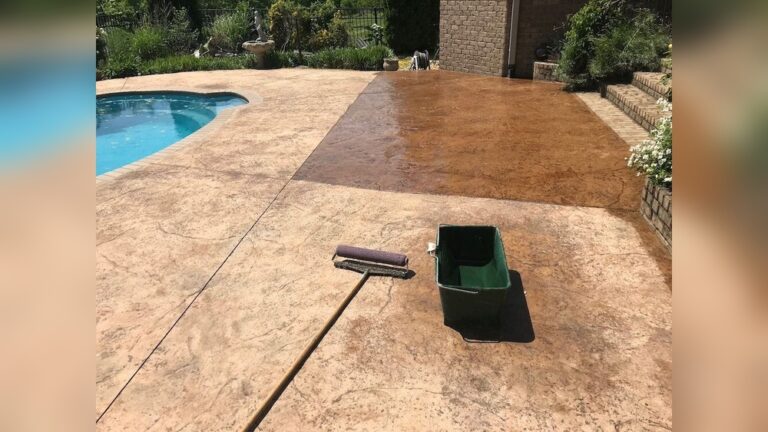

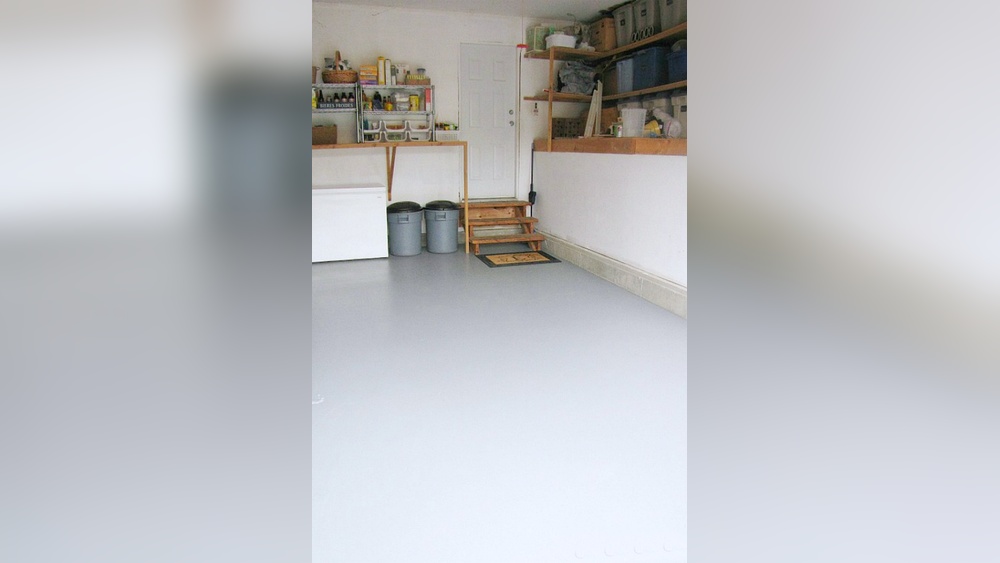
Painting your garage floor is one of the best ways to give your space a clean, professional look. It also makes your garage easier to clean and can help protect the concrete from stains, dust, and moisture. Many people think painting a garage floor is difficult, but with the right steps, anyone can do it—even beginners.
This guide will walk you through the process, offer practical tips, and highlight what most people miss when starting out.
Why Paint Your Garage Floor?
Painting a garage floor offers more than just a fresh look. Here are some important reasons:
- Protects concrete from oil, chemicals, and water damage.
- Reduces dust from bare concrete surfaces.
- Makes cleaning easier—sweeping and mopping become simple.
- Improves lighting by reflecting light off a brighter floor.
- Adds value to your home if you ever want to sell.
Many homeowners ignore the garage, but a painted floor can change how you feel about the entire space.
Choosing The Right Paint For Your Garage Floor
Not all paints are the same. For garage floors, you need a paint that’s durable and can handle cars, tools, and heavy foot traffic. There are two main types to consider:
| Type | Durability | Drying Time | Cost |
|---|---|---|---|
| Epoxy Paint | Very High | 1–2 days | $$$ |
| Concrete Floor Paint (Latex/Acrylic) | Medium | Few hours | $$ |
Epoxy paint is the top choice for most homeowners. It creates a hard, shiny surface that resists stains and is easy to clean. However, it takes more time and effort to apply. Latex or acrylic concrete paint is easier for beginners and dries quickly, but is less durable.
Tip: Epoxy is best for garages that see a lot of use or where cars are parked regularly. If your garage is used mostly for storage or as a workshop, concrete paint can be a good option.
What You’ll Need
Before you start, gather all necessary materials. Missing a tool can slow you down or lead to mistakes.
Essential items:
- Concrete cleaner or degreaser
- Stiff-bristle brush or broom
- Pressure washer (optional but very helpful)
- Painter’s tape
- Plastic sheeting
- Concrete patch or crack filler
- Paint roller with extension handle
- Paintbrush for edges
- Paint tray
- Epoxy or concrete floor paint
- Non-slip additive (optional but recommended)
- Safety gear: Gloves, goggles, mask
Pro Insight: Beginners often forget to check if they need a non-slip additive. Garage floors can get slippery, especially when wet. Adding a non-slip product to your paint can prevent falls.
Preparing The Garage Floor
Preparation is the most important step. If you skip or rush this part, even the best paint won’t last. Concrete is porous and holds dust, oil, and moisture, so you need a clean, dry surface.
Step 1: Clear The Space
- Remove all items from the garage—tools, boxes, cars, etc.
- Sweep thoroughly to remove dust and debris.
Step 2: Clean The Floor
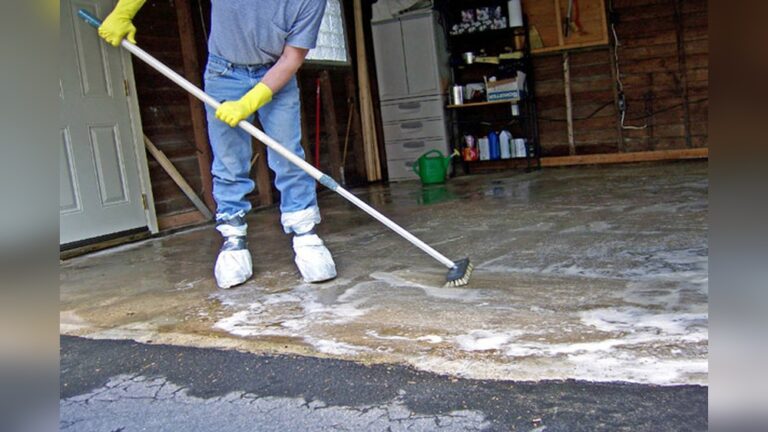
- Use a concrete cleaner or degreaser to remove oil stains. Oil stops paint from sticking.
- Scrub stains with a stiff brush.
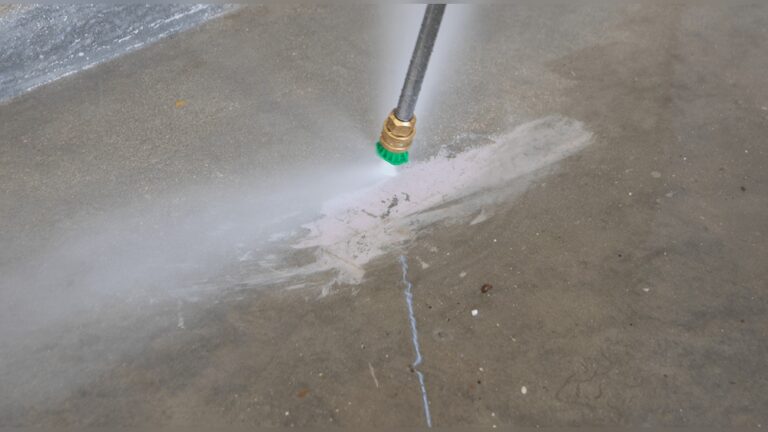
- For heavy dirt, a pressure washer works well.
- Rinse and let the floor dry completely.
Beginner Mistake: Many people don’t let the floor dry enough. Moisture trapped under the paint causes bubbles and peeling. Wait at least 24 hours after washing.
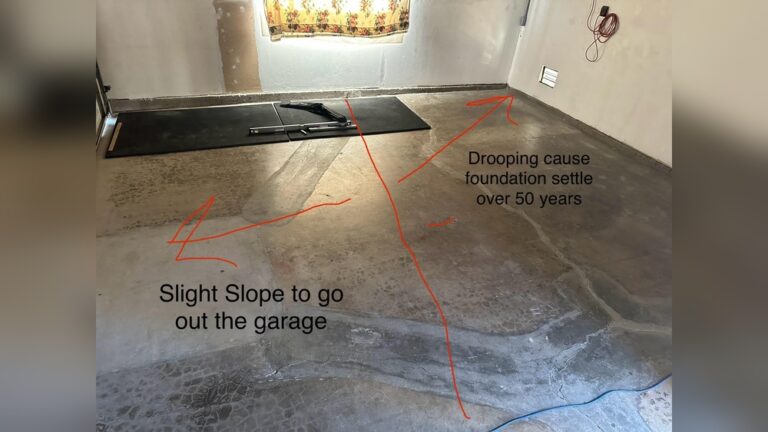
Step 3: Repair Cracks And Holes
- Fill cracks and holes with concrete patch. Follow the instructions on the package.
- Smooth patched areas and let them dry. This can take several hours.
Step 4: Etch The Surface (if Needed)
Some concrete is very smooth, especially if it’s new. Paint sticks better to rough surfaces. Use a concrete etcher if needed—follow the product directions carefully. Rinse and dry again.
Pro Tip: To test if etching is needed, pour a small cup of water on the floor. If it soaks in, you’re fine. If it beads up, you should etch.
Step 5: Protect The Walls
- Apply painter’s tape along the walls and any spots you don’t want painted.
- Use plastic sheeting to cover doors or steps.

Credit: www.youtube.com
Applying The Paint
Once the floor is clean and dry, you’re ready to paint. This is the fun part, but also where careful work pays off.
Step 1: Mix The Paint
- Stir the paint well. If you’re using epoxy, mix both parts as directed.
- If using a non-slip additive, mix it into the paint now.
Step 2: Cut In The Edges
- Use a paintbrush to paint a border (2–3 inches wide) around the walls and corners. This helps you get a clean edge.
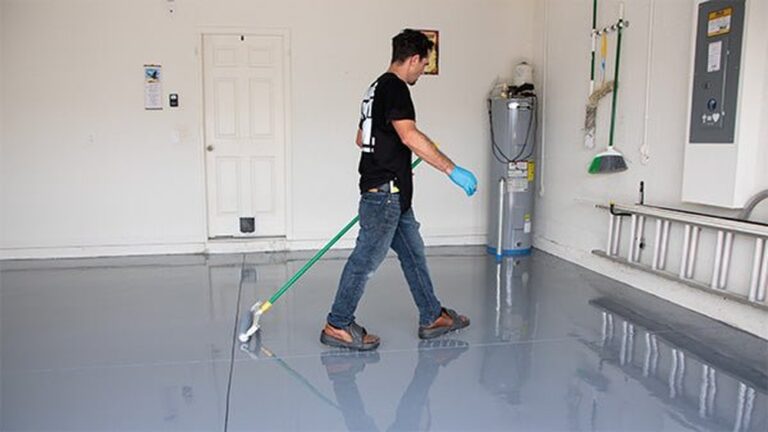
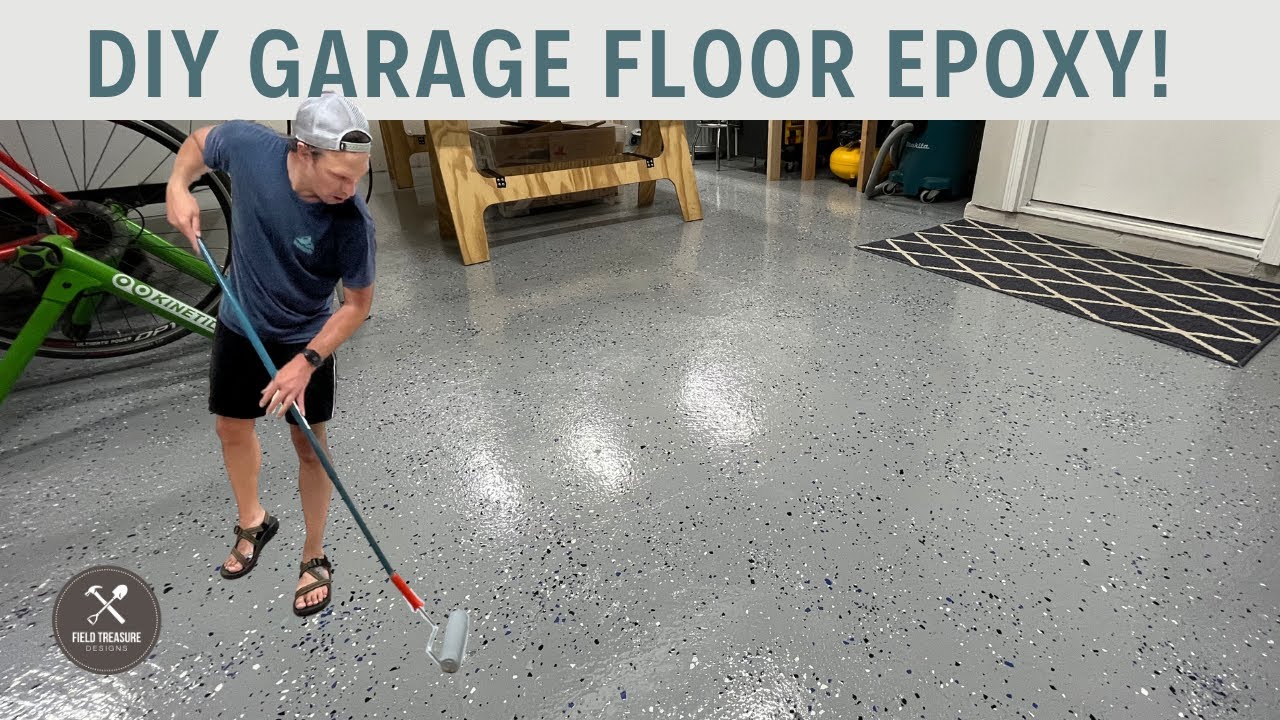
Step 3: Roll On The Paint
- Pour paint into a tray.
- Use a roller with an extension handle to cover large areas.
- Work in small sections, moving from the back of the garage toward the door so you don’t paint yourself into a corner.
Beginner Insight: Apply thin coats. Thick paint can bubble and take much longer to dry.
Step 4: Let It Dry
- Most paints need at least 24 hours to dry to the touch. Check the can for exact times.
- For the best result, wait 48–72 hours before walking on the floor or moving items back in.
- Wait at least 5–7 days before parking a car, especially with epoxy.
Common Error: Rushing this step can ruin your work. Footprints and tire marks are hard to fix once the paint has dried.
Step 5: Apply A Second Coat (if Needed)
- For best durability, apply a second coat after the first is dry.
- Let the final coat cure fully before heavy use.
How Much Paint Will You Need?
It’s easy to underestimate. Most garage floors are about 400–600 square feet (for two cars).
| Garage Size | Area (sq ft) | Paint Needed (1 coat) | Paint Needed (2 coats) |
|---|---|---|---|
| Single Car | 200–300 | 1–1.5 gallons | 2–3 gallons |
| Double Car | 400–600 | 2–3 gallons | 4–6 gallons |
Always check the paint can for coverage information. Coverage can change depending on concrete texture and how much is absorbed.
Tips For A Long-lasting Finish
A painted garage floor can last for years if you care for it properly. Here are some tips to keep it looking great:
- Clean spills right away. Oil and chemicals can damage even tough paint if left too long.
- Sweep regularly. Dirt and sand act like sandpaper and will wear away paint.
- Avoid dragging heavy items. Lift heavy boxes and tools instead of sliding them.
- Use mats under car tires. Especially in winter, as road salt can damage paint.
- Recoat when needed. If you see worn spots, touch up before they get worse.
Hidden Insight: Many beginners don’t realize that UV light can fade garage floor paint over time—especially if your garage door is often open. Choose a paint with UV protection or keep the door closed during bright sunlight.
Common Mistakes And How To Avoid Them
Painting a garage floor is simple, but some mistakes can ruin the project. Watch out for these:
- Skipping cleaning: Paint won’t stick to dirty or oily concrete.
- Not repairing cracks: Paint settles into cracks and looks bad.
- Painting on a damp floor: Causes bubbling and peeling later.
- Too thick coats: Slower drying and more likely to peel.
- Not allowing enough drying time: Leads to marks and damage.
Pro Example: One homeowner rushed and parked their car after just two days. The hot tires lifted the paint right off. Waiting the full seven days would have prevented this.
Credit: www.youtube.com
Cost Breakdown
Painting your garage floor is more affordable than many think. Here’s a quick look:
| Item | Average Cost |
|---|---|
| Epoxy Paint Kit | $50–$150 |
| Concrete Cleaner | $10–$20 |
| Crack Filler | $10–$30 |
| Rollers/Brushes/Tape | $20–$40 |
| Non-slip Additive | $10–$20 |
Total cost for a two-car garage usually falls between $100 and $250, depending on the products you choose and whether you need extra tools.
Safety Considerations
Paints and cleaners can be hazardous. Take these precautions:
- Wear gloves and goggles to protect your skin and eyes.
- Ventilate the garage well. Open windows and doors, and use fans if needed.
- Mask with a respirator if using strong chemicals or epoxy with solvents.
- Keep kids and pets away until the floor is completely dry.
Bonus Insight: Many beginners forget that freshly painted floors can be slippery. Always check the label for slip resistance or add a non-slip additive.
Is Painting Your Garage Floor Worth It?
For most homeowners, the answer is yes. A painted garage floor:
- Looks cleaner and brighter
- Is easier to maintain
- Protects your concrete investment
It’s a project you can finish in a weekend, and the results last for years. If you want more details or inspiration, check out Family Handyman for expert advice.
Frequently Asked Questions
How Long Does It Take To Paint A Garage Floor?
Most people can finish the project in two to three days. One day for cleaning and repairs, one day for painting, and extra time for drying. If you use epoxy, allow up to seven days before parking your car.
Can I Paint Over Old Paint Or Sealant?
You can, but you need to remove any loose or peeling areas first. Sand glossy surfaces and clean well. If the old paint is in good shape, new paint will stick better.
How Do I Make My Painted Floor Less Slippery?
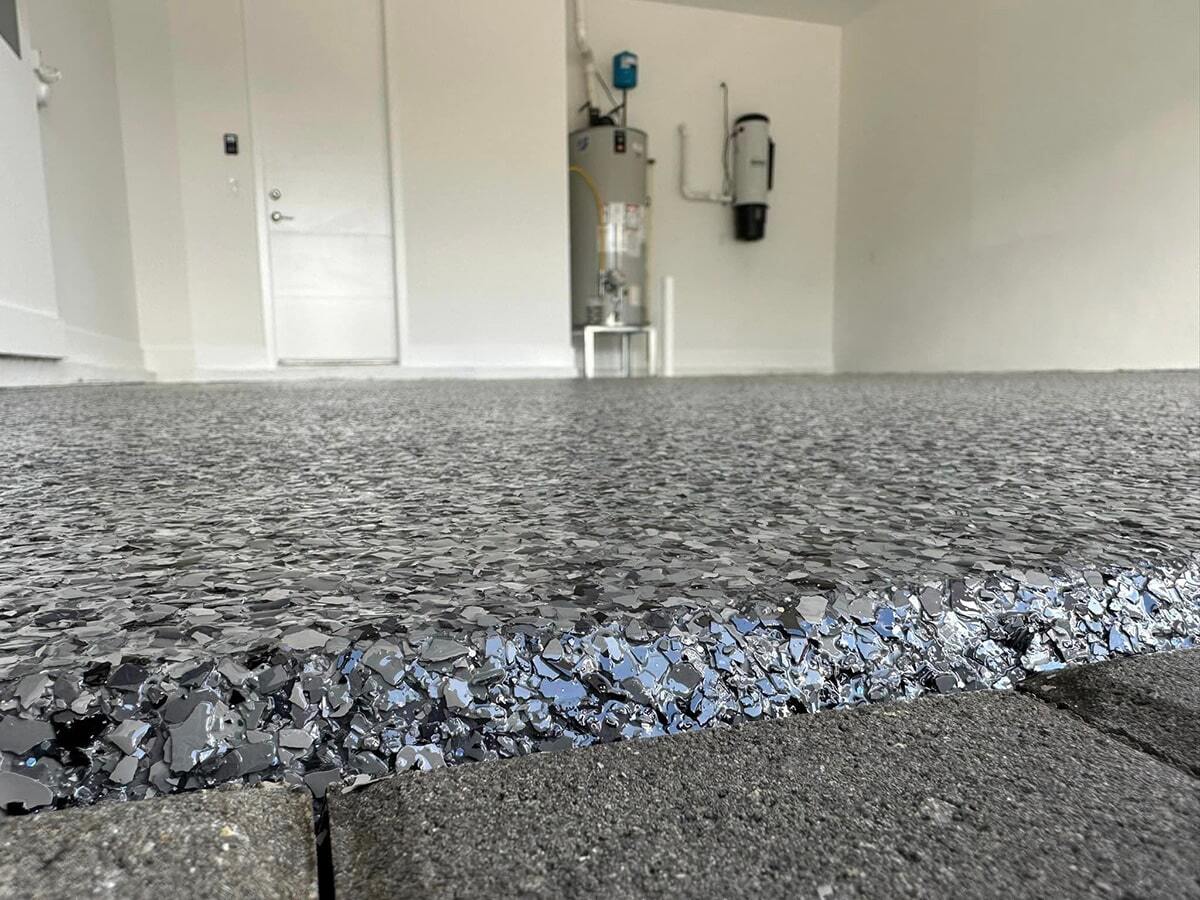
Add a non-slip additive to your paint. You can also sprinkle sand or special flakes onto wet paint, then seal with a clear coat.
How Long Will A Painted Garage Floor Last?
Epoxy floors can last 3–5 years or more with proper care. Concrete paint may need touch-ups after 1–2 years, especially in high-traffic spots.
Is Painting A Garage Floor A Good Diy Project For Beginners?
Yes! With careful preparation and patience, beginners can get great results. Just remember to follow each step and don’t rush the drying time.
Painting your garage floor is a simple way to transform your space and protect your investment. With the right tools, materials, and a bit of time, you’ll enjoy a cleaner, brighter, and more attractive garage for years to come.
Credit: xtremepolishingsystems.com