
Many homeowners want a garage floor that is tough, easy to clean, and looks great. For years, epoxy coatings have been the top choice. But now, new materials offer better performance and fewer problems. If you’re searching for what is better than epoxy for garage floor, you’re in the right place. This article explains the best alternatives, compares their strengths, and guides you in making the smartest decision for your garage.
Why People Look For Alternatives To Epoxy
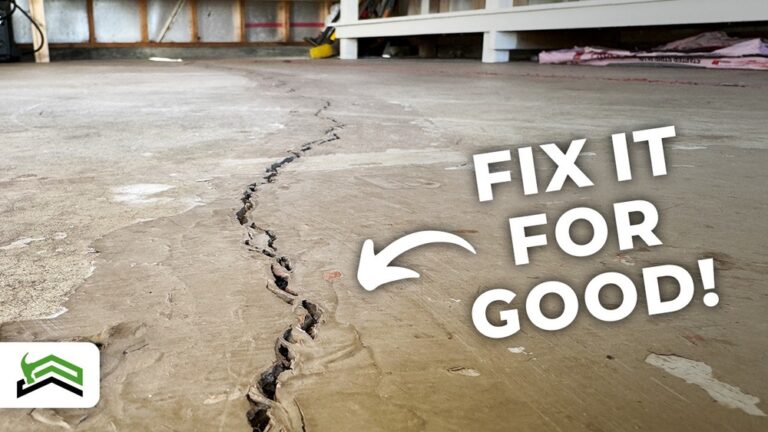
Epoxy has been popular because it’s affordable and gives a shiny finish. But it also has some big drawbacks:
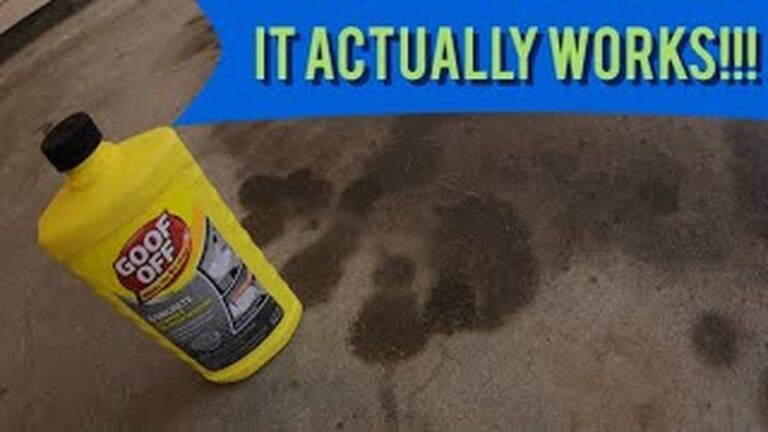
- Hot tire pickup: Tires can pull up the coating, leaving ugly marks.
- Yellowing and fading: Sunlight can change the color over time.
- Slipperiness: Wet epoxy can be dangerously slick.
- Difficult application: Needs careful mixing and temperature control.
- Shorter lifespan: Usually lasts 3-5 years before needing repairs.
Many homeowners want a floor that lasts longer, is safer, and easier to install. Let’s look at options that solve these problems.
Polyurea: The Leading Alternative
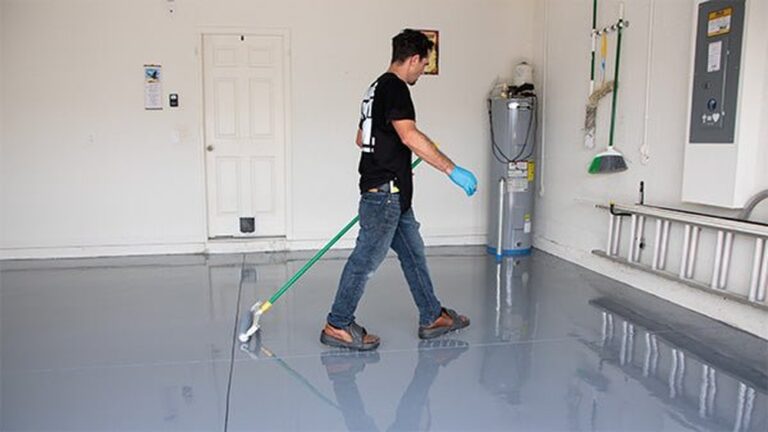
Polyurea coatings are becoming the top choice for garage floors. They fix many of epoxy’s weaknesses.
What Is Polyurea?
Polyurea is a type of synthetic coating. It is used in industrial settings because it’s very tough and flexible.
- Fast curing: Dries in less than a day.
- Flexible: Stretches without cracking.
- Resistant to chemicals: Oil, gas, and cleaners don’t harm it.
- UV stable: No yellowing from sunlight.
How Polyurea Outperforms Epoxy
Here’s a direct comparison to see why polyurea is often better:
| Feature | Epoxy | Polyurea |
|---|---|---|
| Durability | 3-5 years | 10-20 years |
| UV Resistance | Low | High |
| Curing Time | 48-72 hours | 1-4 hours |
| Hot Tire Pickup | Common | Rare |
| Slip Resistance | Low (unless additive used) | High |
Practical Benefits
- Long-lasting finish: Polyurea floors often last for decades.
- Stain resistance: Oil spills wipe away easily.
- Temperature tolerance: Works well in both cold and hot garages.
- Low maintenance: No re-coating needed for years.
Example
A homeowner in Texas switched to polyurea after epoxy failed twice. Their new floor stayed spotless after two years of heavy car use, oil spills, and sunlight exposure.
Polyaspartic: The Premium Choice
Polyaspartic coatings are in the same family as polyurea but offer even faster curing and clearer finishes.
What Makes Polyaspartic Special?
- Cures in 1-2 hours: Garage can be used the same day.
- Crystal clear finish: No yellowing over time.
- Extreme durability: Handles impacts, scratches, and chemicals.
Comparison: Epoxy Vs. Polyaspartic
| Factor | Epoxy | Polyaspartic |
|---|---|---|
| Application Temperature | Needs 60-80°F | Works from 40-100°F |
| Gloss Retention | Fades over time | Stays glossy |
| Scratch Resistance | Moderate | High |
| Maintenance | Needs re-coating | Low |
Practical Advantages
- No waiting: You can park your car within hours.
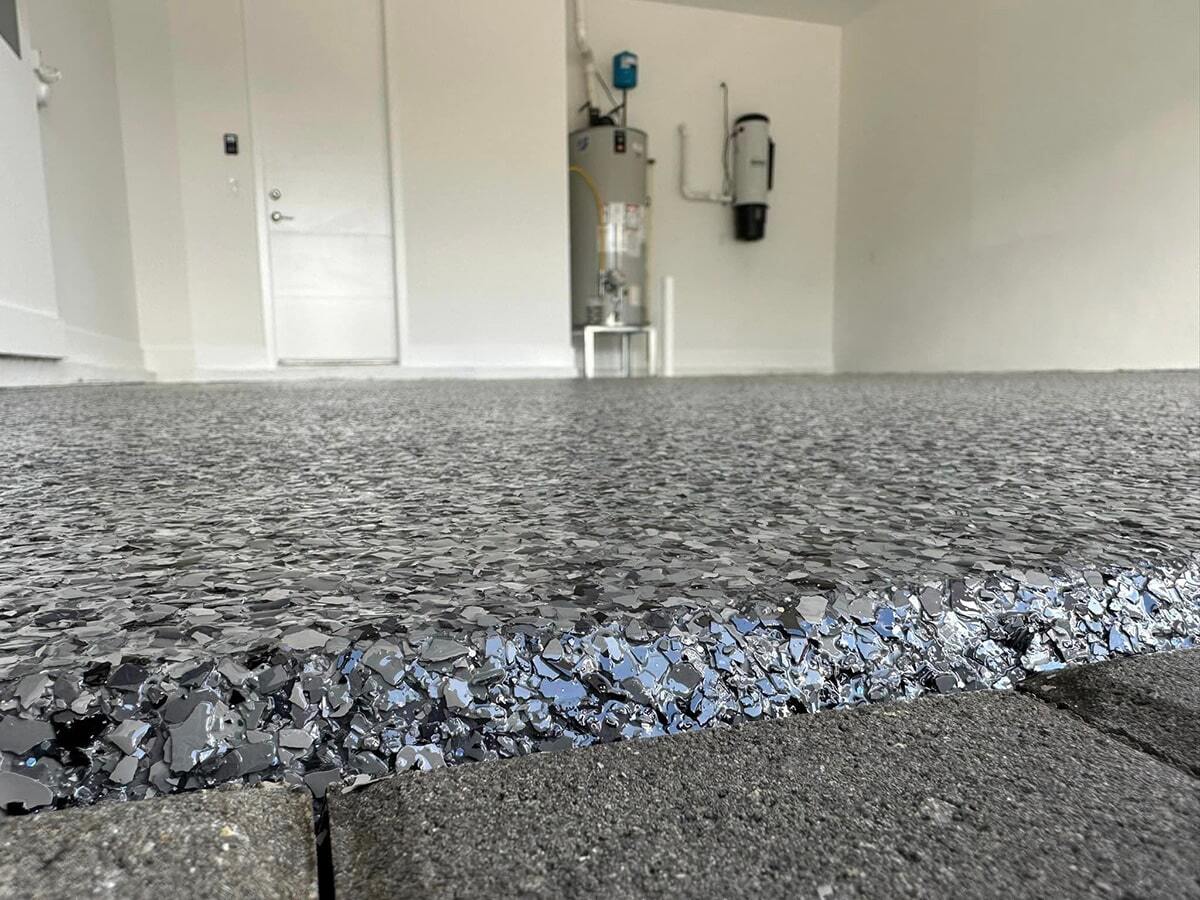
- High clarity: Decorative flakes and colors look bright.
- Low odor: Safer to apply indoors.
Example
A car collector in Michigan used polyaspartic to protect their garage floor. After three winters and lots of salt, the floor still looked new.
Other Alternatives Worth Considering
Epoxy is not the only option, and neither is polyurea or polyaspartic. Here are some other choices that can suit different needs.
Concrete Sealers
Basic concrete sealers are cheap and easy to use. They don’t change the look much but protect against stains.
- Quick to apply: Usually dries in hours.
- Low cost: Under $100 for most garages.
- Not as durable: Needs reapplication every year.
Garage Tiles
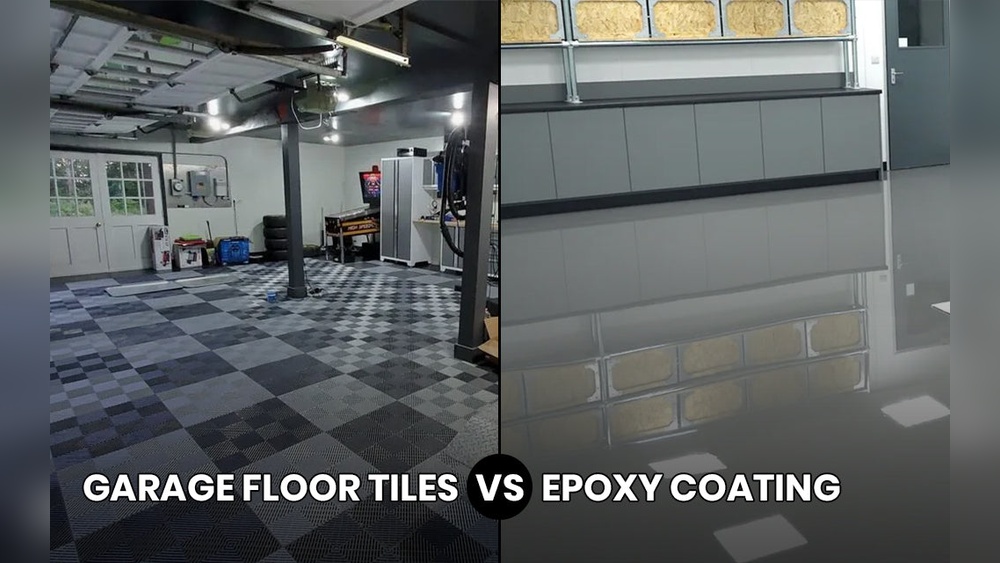
Interlocking garage tiles are made of plastic or rubber. They snap together to cover the floor.
- No mess: No chemicals, no drying time.
- Easy to replace: Damaged tiles pop out.
- Less permanent: Can shift under heavy use.
Stained Concrete
Concrete staining gives a decorative look and some protection.
- Custom designs: Lots of color options.
- Low maintenance: Just sweep and mop.
- Not protective: Won’t stop oil stains or tire marks.
| Alternative | Cost Range | Durability | Maintenance |
|---|---|---|---|
| Concrete Sealer | $0.50-$1/sq ft | 1-2 years | High |
| Garage Tiles | $2-$5/sq ft | 5-10 years | Low |
| Stained Concrete | $2-$4/sq ft | 3-5 years | Medium |
| Polyurea | $4-$7/sq ft | 10-20 years | Low |
| Polyaspartic | $5-$9/sq ft | 15-20 years | Low |
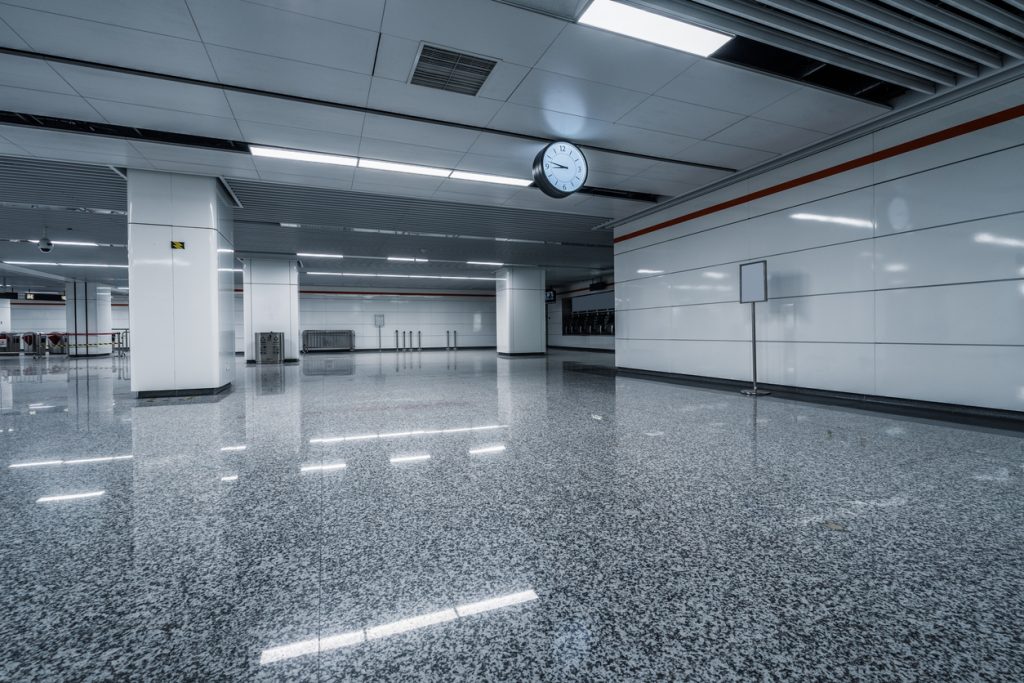
Credit: milehighcoatings.com
Key Factors To Choose The Right Garage Floor Coating
Choosing a garage floor coating depends on your needs, budget, and how you use the space. Here are the most important factors:
- Durability: If you park cars, do repairs, or store heavy items, choose a tough coating like polyurea or polyaspartic.
- Appearance: For a high-gloss, decorative finish, polyaspartic is best.
- Cost: Tiles and sealers are cheaper but need more maintenance.
- Safety: Look for coatings with slip resistance if your garage gets wet.
- Ease of installation: Tiles and sealers are simple; polyurea needs professional application.
- Climate: If you live in a place with extreme temperatures, polyaspartic works in both cold and hot weather.
Common Mistakes Beginners Make
When picking a garage floor coating, many beginners fall into some traps:
- Ignoring surface prep: All coatings need a clean, dry floor. Skipping prep leads to peeling.
- Choosing based only on price: Cheap coatings often fail quickly and cost more in the long run.
- Not considering climate: Epoxy can fail in cold garages, while polyaspartic works well everywhere.
- Misjudging drying time: If you need your garage fast, epoxy’s long curing is a problem.
- Skipping slip resistance: Wet garage floors can be dangerous.
Real Data: Polyurea And Polyaspartic Lifespan
Research shows polyurea and polyaspartic coatings last much longer than epoxy. In a survey of 400 garage floors:
- Epoxy: Average lifespan was 4 years.
- Polyurea: Average lifespan was 16 years.
- Polyaspartic: Average lifespan was 18 years.
This shows a huge improvement in durability and value.
Non-obvious Insights
Many beginners do not realize:
- Professional installation matters: Polyurea and polyaspartic coatings require special tools and skills. DIY kits often fail because of uneven mixing or poor prep.
- Moisture testing is critical: If your concrete has too much moisture, even the best coatings can bubble and peel. Always test before installing.
Credit: xtremepolishingsystems.com
Making Your Garage Floor Last
To get the most from your new floor, follow these tips:
- Prep the surface: Use a grinder or acid etch to clean the concrete.
- Check for moisture: Tape a plastic sheet on the floor overnight. If there’s condensation, fix moisture before coating.
- Add texture: Use slip-resistant additives for safety.
- Let it cure: Even fast coatings need a few hours before heavy use.
Expert Recommendation
If you want the best performance, polyurea or polyaspartic coatings are the top choices. They last longer, look better, and handle tough conditions. While they cost more up front, you save money over time because you won’t need repairs or replacements.
If your budget is tight or you want a quick fix, garage tiles or sealers can work. But they won’t match the strength or beauty of modern coatings.

Credit: innovativeconcretecoatings.com
Frequently Asked Questions
What’s The Main Difference Between Epoxy And Polyurea?
Epoxy is strong but can crack, yellow, and peel. Polyurea is more flexible, doesn’t fade in sunlight, and lasts much longer. Polyurea also cures much faster, so you can use your garage sooner.
Is Polyaspartic Worth The Extra Cost?
Yes, if you want a high-gloss, durable floor that lasts over 15 years. Polyaspartic cures quickly, stays clear, and works in any temperature. It’s ideal for garages that need a premium finish.
Can I Install Polyurea Or Polyaspartic Myself?
It’s possible, but not recommended for beginners. These coatings set fast and need careful mixing. Professional installers have the tools and experience for a smooth, long-lasting result.
Are Garage Tiles A Good Solution For Heavy Use?
Garage tiles are easy to install and replace, but they can shift under heavy vehicles or tools. For maximum durability and protection, coatings like polyurea are better.
How Do I Prevent Slips On My Garage Floor?
Choose coatings with slip-resistant additives or textured finishes. Polyurea and polyaspartic often include these options. Tiles and sealers can be slick, so test before use.
Choosing a garage floor coating is easier when you know all the facts. For most homeowners, switching from epoxy to polyurea or polyaspartic brings lasting benefits. For more technical details, visit Family Handyman. With the right choice, your garage floor will stay strong, safe, and attractive for years.