
Polyurea Vs Epoxy: A Beginner’s Guide to Choosing the Best Floor Coating
When you need a strong, long-lasting floor, the two most popular choices are polyurea and epoxy. Both materials are used in garages, warehouses, factories, and even homes. But which one should you pick? The answer depends on your needs, budget, and how you plan to use your space.
This article explains polyurea vs epoxy in simple words. You’ll learn the differences, pros, cons, and real-life examples. This way, you can make the best decision for your floor, whether it’s for a garage, commercial space, or workshop.
What Are Polyurea And Epoxy?
Before comparing, let’s understand what each material is and how it works.
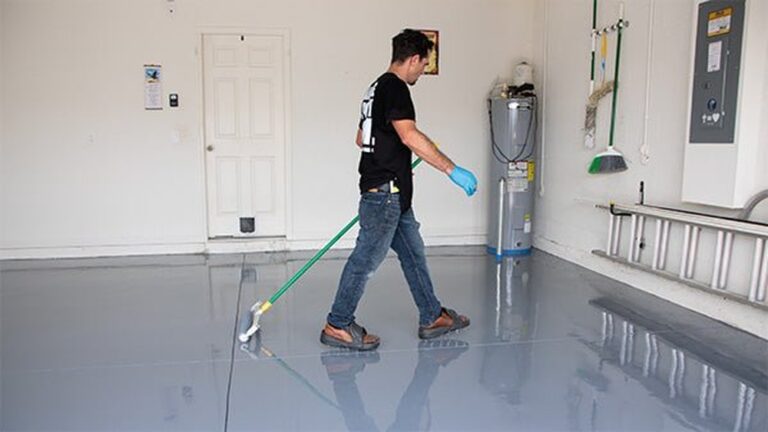
Epoxy is a type of resin. When you mix two parts—resin and hardener—they react and create a strong, shiny surface. Epoxy floors are popular because they look good and resist chemicals, stains, and water.
Polyurea is a newer technology. It’s a type of elastomer (rubber-like material) that cures very fast. When sprayed or rolled on a surface, it forms a flexible but hard coating. Polyurea floors are known for their speed, strength, and flexibility.
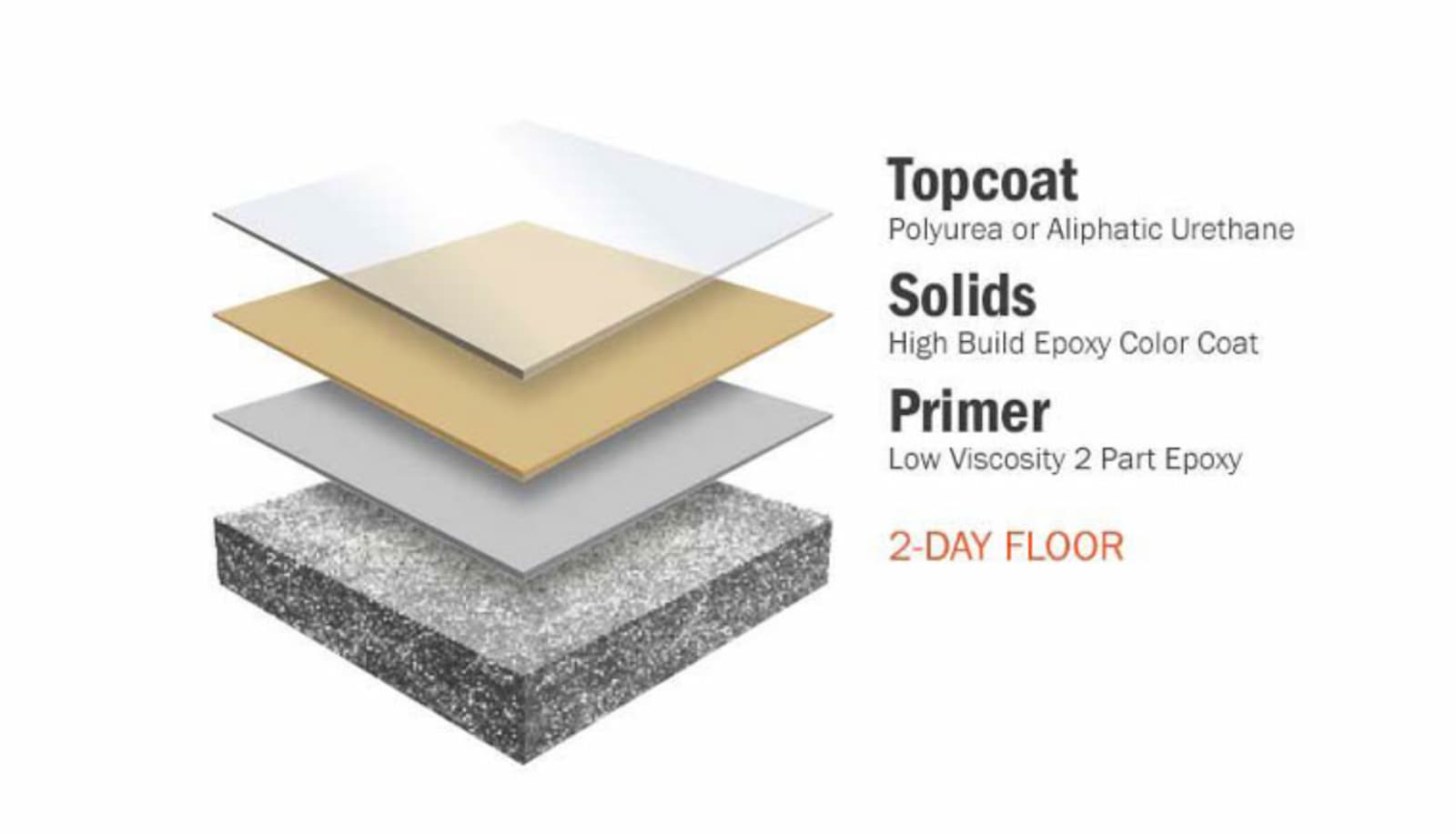
How Each Material Is Applied
Epoxy
- Surface must be clean and dry.
- Mix resin and hardener.
- Pour and spread onto the floor.
- Wait 12–48 hours for it to cure (harden).
Best for: People who can wait for the floor to be ready and want a smooth finish.
Polyurea
- Surface cleaning is also needed.
- Mix and apply quickly (it sets in seconds to minutes).
- Usually sprayed or rolled.
Best for: Fast projects where you need the floor back in use quickly.
Credit: floortechconcretecoatings.com
Key Differences At A Glance
Here’s a quick side-by-side look at the main points.
| Feature | Epoxy | Polyurea |
|---|---|---|
| Curing Time | 12–48 hours | Minutes to 2 hours |
| Flexibility | Rigid | Flexible |
| UV Resistance | Poor (yellows in sunlight) | Excellent |
| Cost | Lower | Higher |
| Thickness | Thicker (10–30 mils typical) | Thinner (4–8 mils typical) |
Durability And Longevity
Epoxy is tough but can crack if the concrete moves or if the temperature changes a lot. It’s strong against impacts, but sharp drops can chip it. Epoxy floors last 5–10 years in homes with normal use.
Polyurea is even more durable. It flexes with the floor, so it rarely cracks. Polyurea resists chemicals, scratches, and UV light. These floors often last 15+ years with proper care.
Non-obvious insight: Polyurea’s flexibility is a big advantage in areas with freeze-thaw cycles. If your region sees big temperature swings, polyurea usually holds up better.
Chemical And Stain Resistance
Both epoxy and polyurea resist oil, gasoline, and common chemicals. However, polyurea is less likely to stain or peel if you spill something and wait a few hours to clean it up.
Example: In a commercial garage, polyurea floors can handle battery acid spills better than epoxy. Epoxy may discolor if you don’t clean up quickly.
Uv Resistance And Color Stability
Epoxy floors look great indoors, but they have a weakness—sunlight. Over time, UV rays can turn epoxy yellow or faded, especially in spaces with windows or open garage doors.
Polyurea is highly UV stable. It keeps its color and gloss, even in full sun.
Tip: If you want a floor for a sunroom, outdoor patio, or garage with lots of daylight, polyurea is the better choice.
Installation Time And Downtime
One of the biggest reasons people choose polyurea is speed.
- Epoxy: Needs at least 1–2 days to cure before you can walk or drive on it.
- Polyurea: Cures in minutes. You can walk on it in a few hours, and park your car the next day.
Non-obvious insight: If you run a business and can’t afford to close for long, polyurea means less downtime and less lost income.
Surface Preparation And Bonding
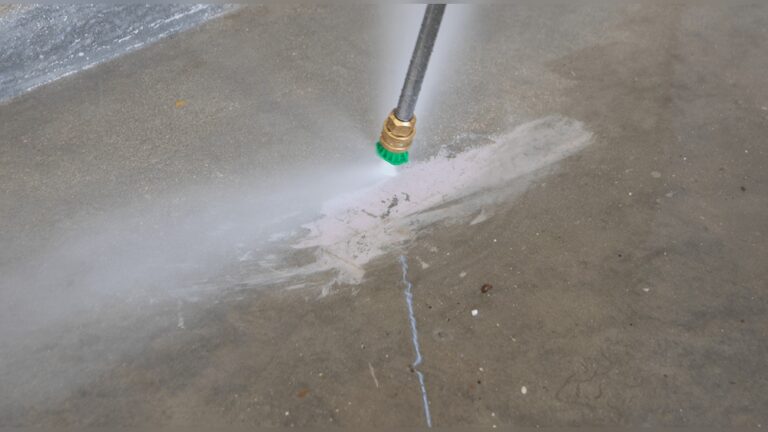
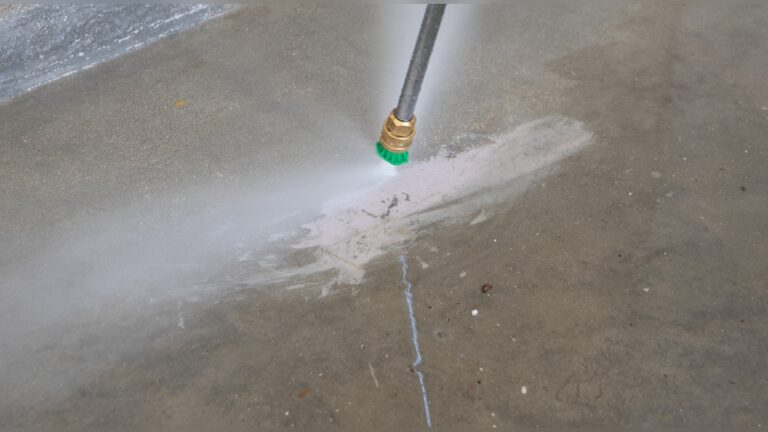
Both systems need clean, dry concrete. The installer will often grind or shot-blast the surface for best results.
- Epoxy bonds well to rough concrete.
- Polyurea forms a very strong bond and can even bridge small cracks due to its flexibility.
Common mistake: Skipping surface prep leads to peeling and failure, no matter which material you pick.
Where Each Is Used
Epoxy
- Home garages
- Basements
- Commercial kitchens
- Warehouses
Epoxy is popular for places where appearance matters and UV light is limited.
Polyurea
- Auto shops
- Outdoor patios
- Commercial garages
- Pool decks
Polyurea shines in tough, high-traffic, or sunny areas.
Cost Comparison
Most People Want To Know: Which Costs More?
- Epoxy: $3–$7 per square foot for materials and labor.
- Polyurea: $6–$12 per square foot.
Why the difference? Polyurea uses newer chemicals and needs special tools. Labor is also more skilled.
Tip: The higher price of polyurea often pays off in longer life and lower maintenance.
Maintenance And Repair
Both coatings are easy to clean. Use a mop, mild soap, and water. Avoid harsh acids.
- Epoxy: Scratches can be touched up, but big chips may need a full re-coat.
- Polyurea: Minor scratches are less visible. Repairs blend better due to flexibility.
Practical example: In a busy warehouse, polyurea handles rolling carts, forklifts, and dropped tools with fewer visible marks.
Safety And Slip Resistance
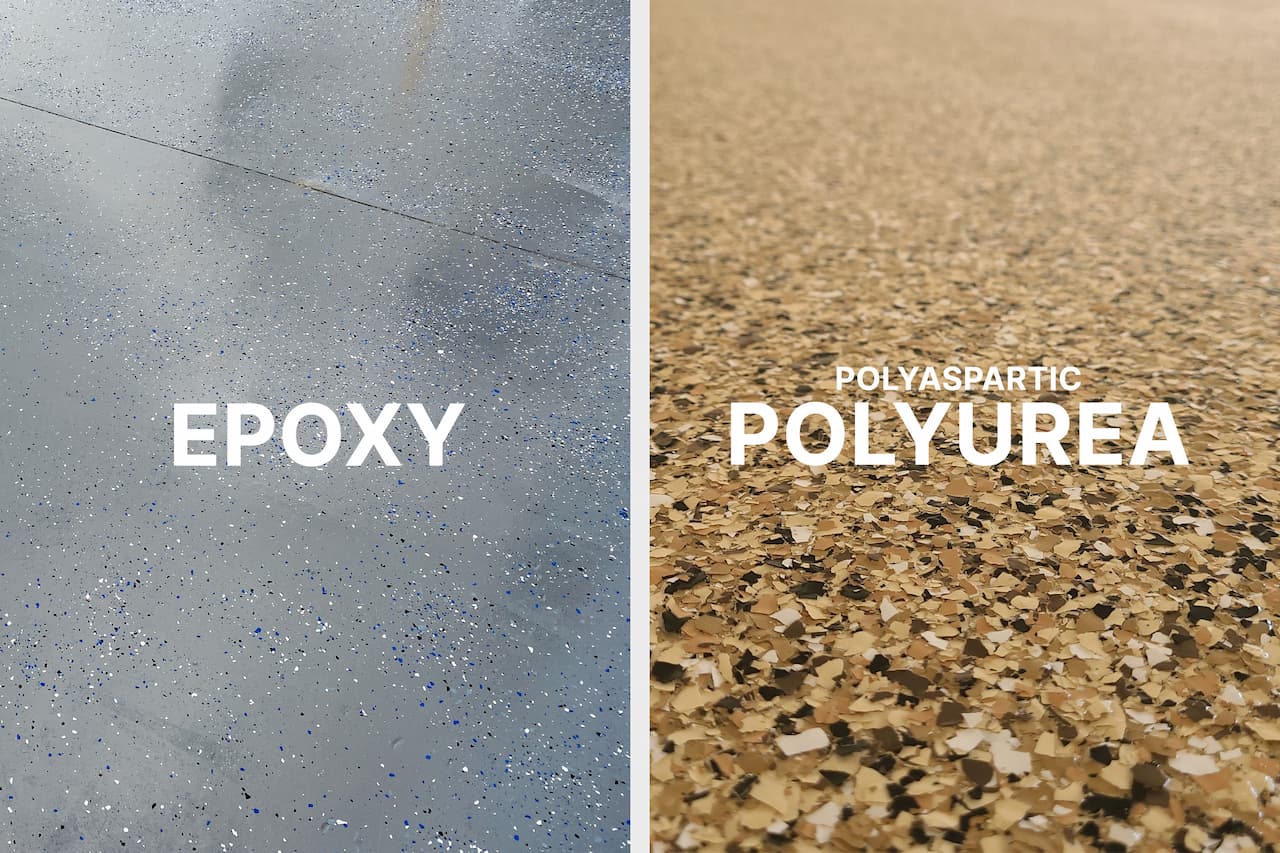
Both floor types can be slippery when wet, but you can add anti-slip additives (like sand or flakes).
- Epoxy: Mix in anti-slip grit for kitchens or wet areas.
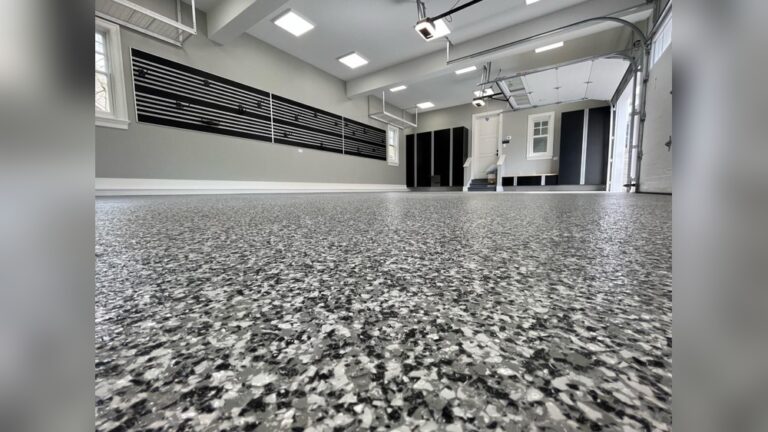
- Polyurea: Flake systems are common and provide texture.
Non-obvious insight: Polyurea’s fast cure means anti-slip flakes or textures set in quickly and evenly, reducing installation errors.
Credit: floortechconcretecoatings.com
Environmental Impact
Epoxy can release more VOCs (volatile organic compounds) during installation. Modern formulas are improving, but there may still be a strong odor.
Polyurea is often low-VOC and cures quickly, so there’s less smell and less waiting time for safe use.
If indoor air quality matters, polyurea is usually the safer option.
Real-world Examples
Garage Floor
A homeowner in Texas wants a new garage floor. They want it done fast and need it to resist hot tire marks.
- Epoxy: Takes 2–3 days, may yellow over time.
- Polyurea: Installed in one day, resists tire marks and UV rays.
Commercial Kitchen
A restaurant owner needs a clean, safe floor that meets health codes.
- Epoxy: Provides a seamless, easy-to-clean surface.
- Polyurea: Adds extra chemical resistance but costs more.
Outdoor Patio
A family wants a patio coating that won’t fade in the sun.
- Epoxy: Fades or yellows.
- Polyurea: Stays bright and glossy for years.
Which Should You Choose?
Your best choice depends on these factors:
- Budget: Epoxy is more affordable upfront.
- Time: Polyurea is fast.
- Sunlight exposure: Choose polyurea for outdoor or bright areas.
- Durability: Polyurea wins for flexibility and long life.
- DIY vs Pro: Epoxy kits are easier for DIY. Polyurea often requires a pro.
Consider how long you want the floor to last and how much downtime you can accept.
Common Mistakes To Avoid
- Skipping surface prep—leads to peeling.
- Using epoxy in direct sunlight—causes yellowing.
- Not adding anti-slip material—floor may be slippery.
- Overestimating DIY skills—polyurea requires special tools.
Knowing these pitfalls can save you time, money, and frustration.
Comparison Table: Polyurea Vs Epoxy For Different Needs
Here’s a quick reference for common situations.
| Need | Best Choice | Why |
|---|---|---|
| Quick install | Polyurea | Cures in hours |
| Low cost | Epoxy | Cheaper materials |
| UV exposure | Polyurea | No yellowing |
| DIY project | Epoxy | Easy kits available |
| Heavy machinery | Polyurea | More flexible |
Polyurea Vs Epoxy: At A Glance
Let’s look at a quick summary.
| Factor | Epoxy | Polyurea |
|---|---|---|
| Installation | Slower, more steps | Faster, skilled labor |
| Longevity | 5–10 years (average) | 15+ years (average) |
| Maintenance | Simple, but chips possible | Very low, hides wear better |
| Appearance | Glossy, many colors | Glossy, holds color in sun |

Credit: apappainting.com
Frequently Asked Questions
What Is The Main Difference Between Polyurea And Epoxy?
Polyurea cures much faster and is more flexible. Epoxy takes longer to dry and is more rigid. Polyurea also resists UV rays better, so it doesn’t yellow in sunlight.
Which Is Better For A Garage Floor?
If you want a floor that lasts longer and resists sunlight, polyurea is better. If cost is your main concern and your garage is mostly shaded, epoxy is a solid option.
Can I Install Epoxy Or Polyurea Myself?
Epoxy kits are available for DIYers. You need careful prep and patience. Polyurea usually needs a professional installer due to its fast cure and special equipment.
Does Polyurea Smell Less Than Epoxy?
Yes. Polyurea often has lower VOCs and less odor. This means it’s safer for indoor air quality and quicker to re-enter after installation.
Where Can I Learn More About These Coatings?
For more technical details, you can visit the Wikipedia page on Polyurea.
Choosing between polyurea vs epoxy does not have a one-size-fits-all answer. Think about your space, budget, and how you’ll use the floor. With this guide, you’re ready to pick the right solution for your needs and avoid costly mistakes.