
Garage Curtains: A Beginner’s Guide To A Flexible Garage Space
Many people see the garage as just a place to park cars or store boxes. But with garage curtains, you can quickly turn your garage into a gym, workshop, playroom, or even a party area. These simple but effective dividers are becoming more popular for homeowners who want more use from their space—without expensive remodeling.
If you’re new to the idea, this guide explains garage curtains in clear, practical language. You’ll learn what they are, how they work, and how to choose the right type for your needs. You’ll also get tips for installation and care, plus answers to common questions.
What Are Garage Curtains?
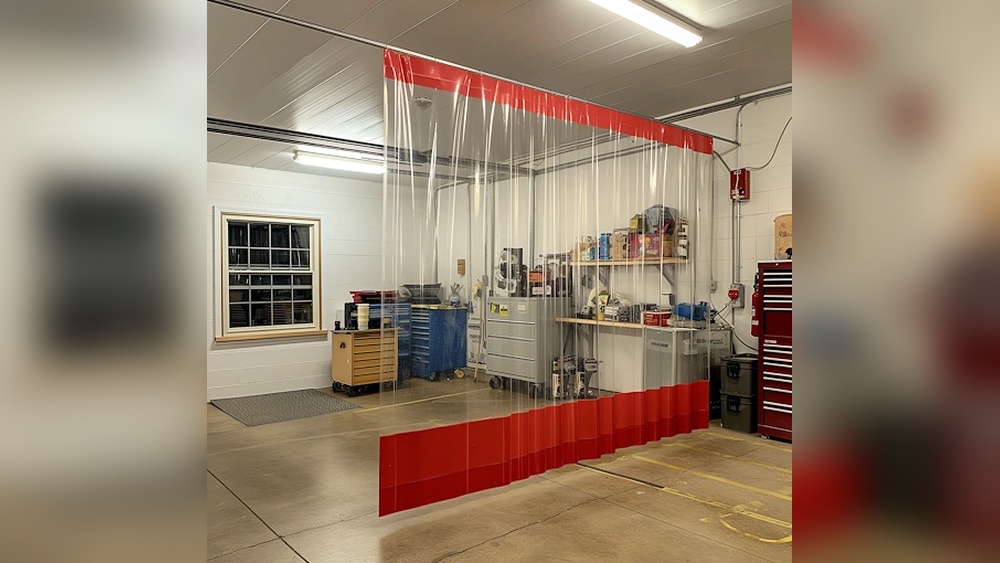
Garage curtains are flexible, movable barriers made from heavy-duty fabrics or plastics. They hang from a rail or track and can be pulled open or closed as needed. Unlike permanent walls, curtains let you change your garage layout in seconds.
Key benefits of garage curtains:
- Fast and easy to open or close
- Create separate zones for different activities
- Block dust, noise, or temperature changes
- Add privacy for workouts, hobbies, or meetings
Some people also call them divider curtains or industrial curtains. Most are waterproof, strong, and easy to clean.
Popular Uses For Garage Curtains
Garage curtains are useful in many situations. Here are some of the most common ways people use them:
1. Workshop Divider
Separate your workbench and tools from your car or storage area. This keeps dust and noise away from the rest of the garage.
2. Home Gym
Create a private exercise space. Curtains help keep out cold air and give you privacy from neighbors.
3. Kids’ Play Zone
Set up a safe, fun area for children to play—while keeping tools and vehicles out of reach.
4. Pet Area
Block off a section for dogs or cats, especially if you need a clean area for grooming or recovery.
5. Car Detailing Or Painting
Use curtains to contain spray, water, or chemicals. This protects your other items from damage.
6. Event Or Party Space
Turn your garage into a party room by hiding clutter and creating a cozy atmosphere.
7. Laundry Or Mudroom
Keep laundry machines or muddy shoes out of sight from the main garage area.
Each use has different needs. Some people even combine two or more uses with moveable curtains.

Credit: www.thirdstallwoodworking.com
Types Of Garage Curtains
There are several types of garage curtains, each with its own strengths. Here’s a quick comparison:
| Type | Main Material | Best For | Waterproof | Cost Range |
|---|---|---|---|---|
| Vinyl Curtains | PVC or Polyethylene | Dust, Water, General Use | Yes | $80–$400 |
| Canvas Curtains | Cotton Duck Canvas | Noise, Privacy | Usually No | $100–$350 |
| Insulated Curtains | Multi-layer, often with foam | Temperature Control | Yes | $200–$600 |
| Clear Plastic Curtains | Clear PVC | Light, Visibility | Yes | $70–$250 |
Vinyl Curtains
Vinyl curtains are the most common. They’re strong, waterproof, and easy to clean. They’re best for basic separation, dust control, and blocking water.
Canvas Curtains
Canvas curtains block sound and add privacy. They’re heavier but often not waterproof. Good for home gyms or music rooms.
Insulated Curtains
These have layers for keeping heat or cold out. They’re ideal for garages you want to use in winter or summer.
Clear Plastic Curtains
These let in light but keep out dust, spray, or pets. Many auto shops use them so workers can see across the garage.
Key Features To Consider
Choosing the right garage curtain depends on your goals. Here’s what matters most:
- Size and Fit
Measure your garage carefully. Curtains come in many sizes, but custom sizes cost more.
- Track System
Most curtains hang from ceiling tracks. Some use hooks, others slide on rollers. Check if your garage ceiling can support the weight.
- Material Strength
For heavy use, pick commercial-grade vinyl or reinforced canvas.
- Fire Resistance
Some curtains are rated for fire safety—important if you weld or use power tools.
- Insulation
If you want to control temperature, choose thick, insulated curtains.
- Color and Style
Lighter colors reflect light. Clear panels give visibility. Dark colors add privacy.
Some beginners forget to check track height. If your garage has a low ceiling, look for compact systems.

Credit: www.amazon.com
How To Install Garage Curtains
Most people can install garage curtains with basic tools. Here’s a practical step-by-step guide:
1. Measure The Space
Measure width, height, and ceiling type. Add a few inches extra for overlap.
2. Choose Your Track System
Decide if you need a straight, curved, or corner track. Make sure it fits your garage layout.
3. Mark And Drill
Mark where the track will go. Use a drill to attach brackets to the ceiling joists.
4. Install The Track
Attach the track firmly. Make sure it’s level—curtains won’t slide easily if it’s crooked.
5. Hang The Curtain
Clip or slide the curtain onto the track. Many use grommets or hooks.
6. Test Movement
Open and close the curtain to check for smooth movement. Adjust if needed.
7. Seal The Edges (optional)
For better dust or temperature control, add Velcro or magnetic strips on the edges.
Pro tips:
- Get a helper for large or heavy curtains.
- Pre-drill holes to avoid splitting wood.
- If your garage has drywall, use anchors for extra support.
Maintenance And Cleaning
Garage curtains are easy to care for, but a few habits will keep them looking new:
- Wipe down vinyl or plastic with a damp cloth every few weeks.
- Use mild soap for tough stains—avoid harsh chemicals that damage the material.
- Check tracks for dirt or obstructions. Clean with a vacuum or brush.
- Inspect for tears—repair small holes with patch kits before they grow.
- Lubricate rollers if the curtain starts to stick.
Canvas curtains may need vacuuming or a light wash. Always read the manufacturer’s instructions.
Cost Breakdown And Value
How much do garage curtains cost? Prices vary by material, size, and special features.
| Size (feet) | Material | Average Cost | Customizable |
|---|---|---|---|
| 8 x 8 | Vinyl | $120 | Yes |
| 10 x 10 | Insulated Vinyl | $280 | Yes |
| 16 x 8 | Clear PVC | $180 | No |
| 20 x 8 | Canvas | $300 | Yes |
Installation costs can be $0 if you do it yourself. If you hire help, expect to pay $100–$250 for labor.
Value tip: The most common mistake is buying a curtain that’s too thin or short. Always measure and buy a little larger than you think you need.
Advantages And Disadvantages
Garage curtains are not perfect for every situation. Here’s an honest look at the pros and cons:
Advantages:
- Fast to install and remove
- Much cheaper than permanent walls
- Flexible—move or change any time
- Good for renters (no major changes needed)
- Add privacy and organization
Disadvantages:
- Not as soundproof as real walls
- Can be damaged by sharp objects
- Some types look less “finished” than drywall
- Need cleaning, especially in dusty garages
For most homeowners, the flexibility outweighs the drawbacks—especially if your needs change with the seasons.

Credit: www.curtain-and-divider.com
Two Insights Beginners Often Miss
1. Temperature Control
Many people think all garage curtains will keep the garage warm or cool. In reality, only insulated curtains are good for blocking heat or cold. Thin vinyl or plastic won’t stop temperature changes. If you want to use your garage year-round, invest in insulated options.
2. Track Placement Matters
Where you put the track affects everything. Placing it too close to the garage door can block access. Too far inside, and you lose usable space. Before drilling, mark out the curtain area with tape and walk around—it’s an easy way to avoid mistakes.
Real-world Example: Diy Home Gym
Emily, a homeowner in Ohio, wanted a home gym but didn’t have an extra room. She installed a 10-foot wide insulated vinyl curtain in her garage. The curtain cost $250, and she installed it in an afternoon with a friend.
Now, she can work out year-round, keep gym equipment separate from her car, and open the space whenever she wants. She says the curtain blocks most dust and keeps the space 10°F warmer in winter compared to the rest of the garage.
Where To Buy Garage Curtains
You can find garage curtains at:
- Major home improvement stores (Home Depot, Lowe’s)
- Online retailers (Amazon, Walmart)
- Specialty suppliers (e.g., Akon Curtain, Steel Guard Safety)
- Local industrial supply stores
Some sellers offer custom sizes and extra features. Always check reviews and return policies before buying.
For more on industrial curtain options, check out this Wikipedia article on industrial curtains.
Frequently Asked Questions
What Size Garage Curtain Do I Need?
Measure the area you want to cover—width and height. Add 5–10% extra width for overlap, and a few inches above and below for full coverage. Standard sizes fit most garages, but custom curtains are available for unique layouts.
Can Garage Curtains Block Sound?
Some thick canvas or insulated curtains reduce noise, but they are not fully soundproof. For loud activities (like music practice), you may need extra sound panels or foam behind the curtain for better results.
Are Garage Curtains Safe For Homes With Kids And Pets?
Yes—if installed correctly. Choose heavy-duty curtains with strong tracks and secure edges. Avoid thin plastic for pet areas, as claws can tear them. For kids, make sure there are no loose cords or sharp hooks.
How Long Do Garage Curtains Last?
With regular cleaning and care, most vinyl or canvas curtains last 5–10 years. Sunlight, sharp tools, or chemicals can shorten their life. Replace or repair curtains with big tears or worn-out tracks.
Can I Install Garage Curtains Myself?
Most people can do the installation in a few hours using basic tools. For heavy or custom systems, you might need a helper. Always follow the manufacturer’s instructions, and check that your ceiling can support the weight.
A simple curtain can turn your garage into a space you’ll use every day. With the right planning and care, garage curtains are a smart, flexible upgrade for any home.