
Replacing the rollers on your garage door can make it run smoother, quieter, and last longer. Many homeowners ignore worn or noisy rollers, but these small parts carry much of the door’s weight. If they break, your garage door can jam or even fall off track.
The good news is that changing garage door rollers is a job most people can do themselves with basic tools and a little care. This guide walks you through the whole process, with tips and safety advice for beginners.
Why Replace Garage Door Rollers?
Garage door rollers are wheels that help the door move up and down its tracks. Over time, these rollers wear out. You might notice:
- Squeaking or grinding noises
- The door sticks or moves unevenly
- Visible cracks or flat spots on rollers
Worn rollers can put extra stress on your opener, tracks, and springs. Replacing them can:
- Reduce noise and vibration
- Prevent bigger, costly repairs later
- Extend the life of your garage door system
Most rollers last 5–7 years with normal use. If your door is older, or you hear strange sounds, it’s wise to check them.
Tools And Materials You’ll Need
Before you start, gather the necessary tools. Having everything ready makes the job safer and faster.
- New garage door rollers (match the size/type to your door)
- Wrench set
- Screwdriver (flathead and Phillips)
- Pliers
- Step ladder
- Work gloves
- Safety glasses
- Lubricant (garage door spray is best)
- Clamps or locking pliers
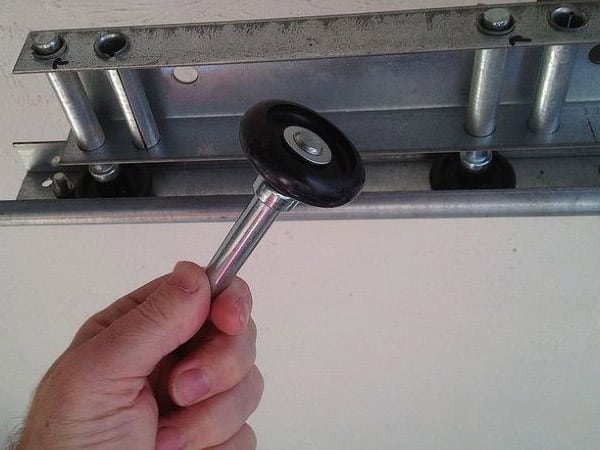
Rollers come in two main sizes: 1-inch and 2-inch diameter. Most residential doors use 2-inch rollers. Also, check if your door uses nylon or steel rollers. Nylon is quieter and rust-resistant, while steel is more durable.
Safety First: Precautions For Beginners
Working with garage doors can be dangerous, especially because of the heavy springs. Beginners should:
- Unplug the garage door opener to prevent accidental movement.
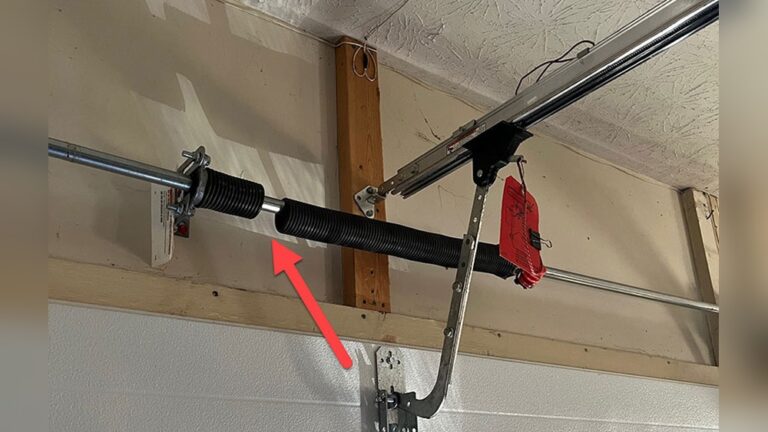
- Never remove or adjust the torsion spring (above the door). This is under high tension and can cause serious injury.
- Work with the door in the fully open position for most roller changes.
- Keep children and pets away while working.
If you feel unsure at any point, or if your door uses extension springs along the sides, consider calling a professional.
Step-by-step Guide: How To Replace Garage Door Rollers
Changing the rollers is a careful process. Here’s how to do it safely and efficiently.
1. Open The Door And Secure It
- Raise the garage door fully using the opener or by hand.
- Place a clamp or locking pliers on the track under the bottom roller to hold the door in place. This prevents it from dropping suddenly.
2. Inspect The Rollers And Tracks
- Check all rollers for wear, cracks, or missing pieces.
- Look for debris or dents in the tracks. Clean them with a rag if needed.
3. Remove The Hinges And Old Rollers
Most rollers (except the bottom ones) are attached to hinges. Here’s what to do:
- Start with the second roller from the bottom on one side.
- Use a wrench or screwdriver to remove the hinge bolts.
- Carefully pull the hinge and roller away from the door.
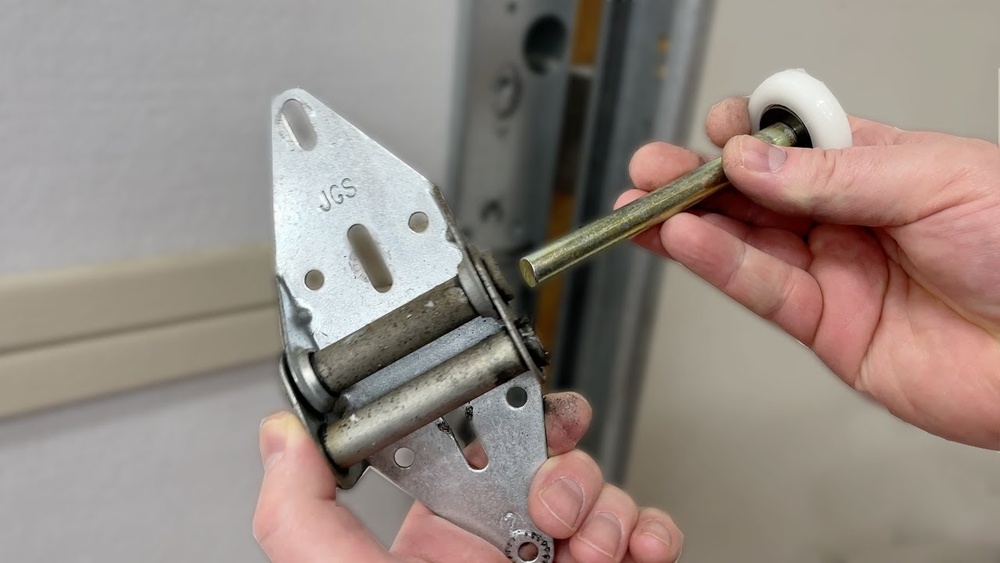
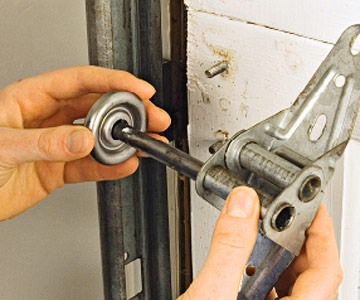
- Slide the old roller out of the hinge.
Important: Do not remove all hinges at once. Work one at a time.
4. Install The New Rollers
- Insert the new roller into the hinge hole.
- Reposition the hinge against the door, ensuring the roller is inside the track.
- Bolt the hinge back in place, tightening firmly but not over-tightening.
5. Repeat For Each Roller
- Move up the door, replacing each roller one by one.
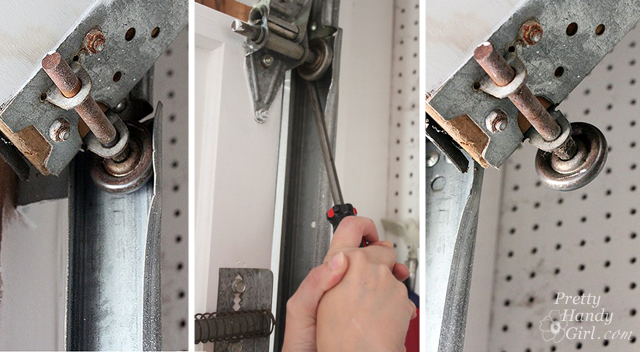
- For the top roller, you may need to bend the track slightly outward with pliers to release it, then bend it back after.
6. Bottom Rollers: Extra Caution
The bottom roller is connected to the cable and under spring tension. For most beginners:
- Do not remove the bottom bracket or cable.
- Instead, bend the track slightly near the bottom with pliers, just enough to slide the old roller out and new one in.
- Gently return the track to shape when finished.
7. Test The Door
- Remove the clamp or pliers from the track.
- Carefully lower and raise the door by hand.
- The movement should feel smoother and quieter.
- Plug in the opener and test it once.
8. Lubricate The Rollers And Tracks
- Apply a small amount of garage door lubricant to each roller and hinge.
- Wipe off any excess to avoid attracting dust.
Comparing Roller Types: Which Should You Choose?
Choosing the right roller makes a big difference in performance and noise. Here’s a simple comparison:
| Type | Noise Level | Durability | Maintenance |
|---|---|---|---|
| Nylon | Very quiet | 5–7 years | Low |
| Steel (unsealed) | Louder | 7–10 years | Needs lubrication |
| Steel (sealed bearing) | Moderate | 10+ years | Very low |
For most homes, nylon rollers with sealed bearings are the best blend of quiet operation and durability.
Signs You Need To Replace Garage Door Rollers
Sometimes the signs of worn rollers are easy to miss. Watch for:
- Bumpy or jerky door movement
- Visible wear or cracks on roller wheels
- Rollers jump out of the track
- Unusual noises during opening or closing
If you see any of these, don’t wait. Delaying can damage other garage door parts.
Cost To Replace Garage Door Rollers
Replacing rollers is one of the most affordable garage door repairs. Here’s what you might expect:
| Item | Average Cost | Notes |
|---|---|---|
| Set of 10 nylon rollers | $15–$25 | Enough for most doors |
| Set of 10 steel rollers | $10–$20 | Basic type |
| Professional installation | $80–$150 | Includes labor |
DIY replacement saves money, but only if you follow safety guidelines.
Common Mistakes Beginners Make
First-timers often make small errors that can lead to bigger problems. Here’s what to avoid:
- Removing all hinges at once: This can loosen the door and make it fall.
- Using the wrong roller size: Always measure your old rollers before buying new ones.
- Bending the track too much: Only bend the track slightly for the top or bottom rollers, and always return it to the correct shape.
- Forgetting to lubricate: Lack of lubrication shortens the new rollers’ lifespan.
- Working with the door closed: Always work with the door open and securely clamped.
Practical Tips For A Smoother Job
- Take a picture of your door and roller setup before removing anything.
- Replace all rollers at the same time for the best performance.
- If your door is very heavy, ask a friend to help support it.
- Check for loose hinges or bolts and tighten them during the process.
- Keep a small parts tray for screws and bolts so nothing gets lost.
When To Call A Professional
While most people can replace rollers themselves, call a pro if:
- The door is unusually heavy or has double torsion springs.
- You see damaged cables, bent tracks, or broken hinges.
- You feel unsure about any step.
Professionals bring special tools and experience, and their work is often backed by a warranty.
Credit: prettyhandygirl.com
Real-world Example
Let’s say your garage door is eight years old and suddenly starts making a loud grinding noise. You open the track and see the nylon rollers are cracked and misshapen. Replacing all ten rollers with new sealed nylon rollers takes about one hour.
The noise disappears, and the door moves like new. This simple repair costs less than $30 in parts and saves you hundreds compared to replacing the opener or tracks.
Roller Maintenance: How To Keep Them In Good Shape
To extend the life of your new rollers:
- Lubricate rollers and hinges every six months with a garage door spray.
- Check for dirt or debris in the tracks and clean regularly.
- Watch and listen for changes in door movement.
- Tighten loose bolts or screws as soon as you notice them.
These small tasks can prevent many common garage door problems.
Credit: a1garage.com
Environmental Impact: Nylon Vs. Steel Rollers
If you care about the environment, consider these points:
- Nylon rollers are lighter and reduce energy use when opening and closing, but they wear out a bit faster and are not recyclable.
- Steel rollers last longer and can be recycled, but they require more lubrication and can rust if not maintained.
Choose the type that best fits your needs and priorities.
Advanced Insight: Sealed Bearings
A detail many beginners miss is the value of sealed bearing rollers. These rollers have tiny ball bearings protected by a seal, keeping out dust and dirt. This makes them:
- Smoother in operation
- Longer-lasting (often 10+ years)
- Nearly maintenance-free
Though slightly more expensive, sealed bearing rollers are a smart upgrade for most homeowners.
Credit: overheaddoorgardencity.com
Frequently Asked Questions
How Do I Know What Size Roller My Garage Door Needs?
Measure the diameter of the old roller wheel (usually 1 or 2 inches) and the length of the roller shaft. Most standard doors use 2-inch rollers, but always check before buying replacements.
Can I Replace Garage Door Rollers Without Removing The Door?
Yes. You only remove one hinge/roller at a time, with the door open and secured. The door stays in place during the process. For bottom rollers, carefully bend the track as described earlier.
How Often Should I Replace Garage Door Rollers?
Most rollers last 5–7 years (nylon) or up to 10 years (steel with sealed bearings). Replace them if you see cracks, noise, or rough movement—even if they’re not that old.
Is It Safe To Replace The Bottom Rollers Myself?
Replacing bottom rollers is riskier because of spring tension. Beginners should only do this if the cable and bracket stay attached, and the track is only bent slightly. When in doubt, call a pro.
Where Can I Learn More About Garage Door Parts And Safety?
For more in-depth information, visit the Wikipedia page on garage doors. It covers parts, maintenance, and safety in detail.
Replacing garage door rollers is a simple, effective way to improve your garage door’s operation. With careful steps, basic tools, and attention to safety, even beginners can do it with confidence. If you follow the instructions and use the right parts, your door will be smoother and quieter for years to come.