
Adjusting a garage door can seem difficult, especially if you have never done it before. But with the right steps, clear explanations, and a little patience, you can do it safely at home. This guide will show you how to adjust a garage door for better balance, smoother movement, and safer operation.
You will learn the basics, practical tips, and common mistakes so you can avoid expensive repairs and keep your garage door working well.
Why Garage Door Adjustment Matters
A garage door that is not adjusted properly can cause problems like:
- Uneven movement (door opens or closes crooked)
- Loud noises (grinding, squeaking, banging)
- Safety risks (door may fall or get stuck)
- Extra wear and tear (parts break faster)
Most people do not realize that a poorly adjusted garage door can shorten its lifespan by up to 30%. Proper adjustment improves safety and saves money in the long run.
Types Of Garage Doors And Adjustment Needs
Different garage doors require different types of adjustments. It is important to know what kind of door you have before starting.
| Door Type | Main Adjustment | Common Problems |
|---|---|---|
| Sectional (most common) | Spring tension, track alignment | Door not closing fully, noisy movement |
| Roll-up | Spring tension, cable adjustment | Door jams, slow movement |
| One-piece (tilt-up) | Spring tension, hinge alignment | Door tilts unevenly, hard to lift |
Knowing your door type will help you follow the correct steps and avoid mistakes.
Credit: bdkdoor.com
Tools You Need For Garage Door Adjustment
Before you start, gather these basic tools:
- Wrench set (usually 7/16” and 1/2”)
- Screwdriver (flat and Phillips)
- Pliers
- Level (to check balance)
- Safety glasses
- Gloves
Advanced tools for bigger jobs:
- Cordless drill
- Spring winding bars (for torsion springs)
- Garage door lubricant
Safety Precautions Before Adjustment
Garage doors are heavy and the springs are under tension. Follow these safety tips:
- Disconnect the garage door opener before adjusting.
- Wear safety glasses and gloves.
- Never remove or loosen springs without proper tools.
- If you are unsure about spring work, call a professional.
Over 20,000 garage door injuries happen each year in the US, mostly due to springs. Always put safety first.

Credit: www.youtube.com
How To Check Garage Door Balance
A balanced door is easy to open and close. Here’s how to test it:
- Close the door fully.
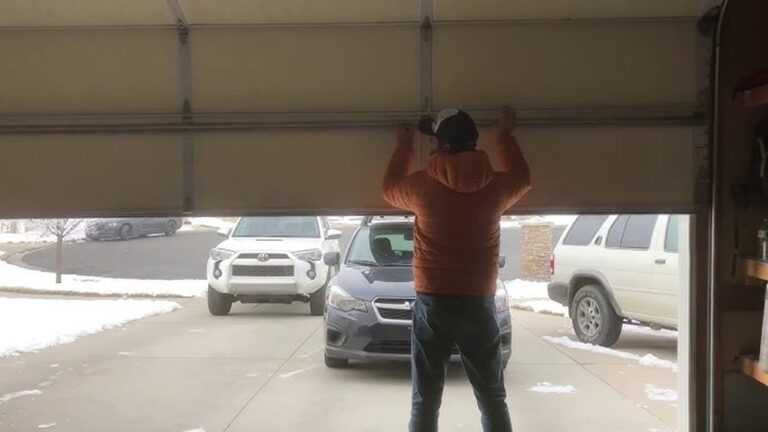
- Pull the emergency release cord (usually red) to disconnect the opener.
- Lift the door halfway by hand.
- Let go gently. If the door stays in place, it is balanced. If it falls or rises, it needs adjustment.
Most garage doors should weigh between 120–350 lbs. If yours feels much heavier or lighter, balance is off.
Adjusting The Garage Door Springs
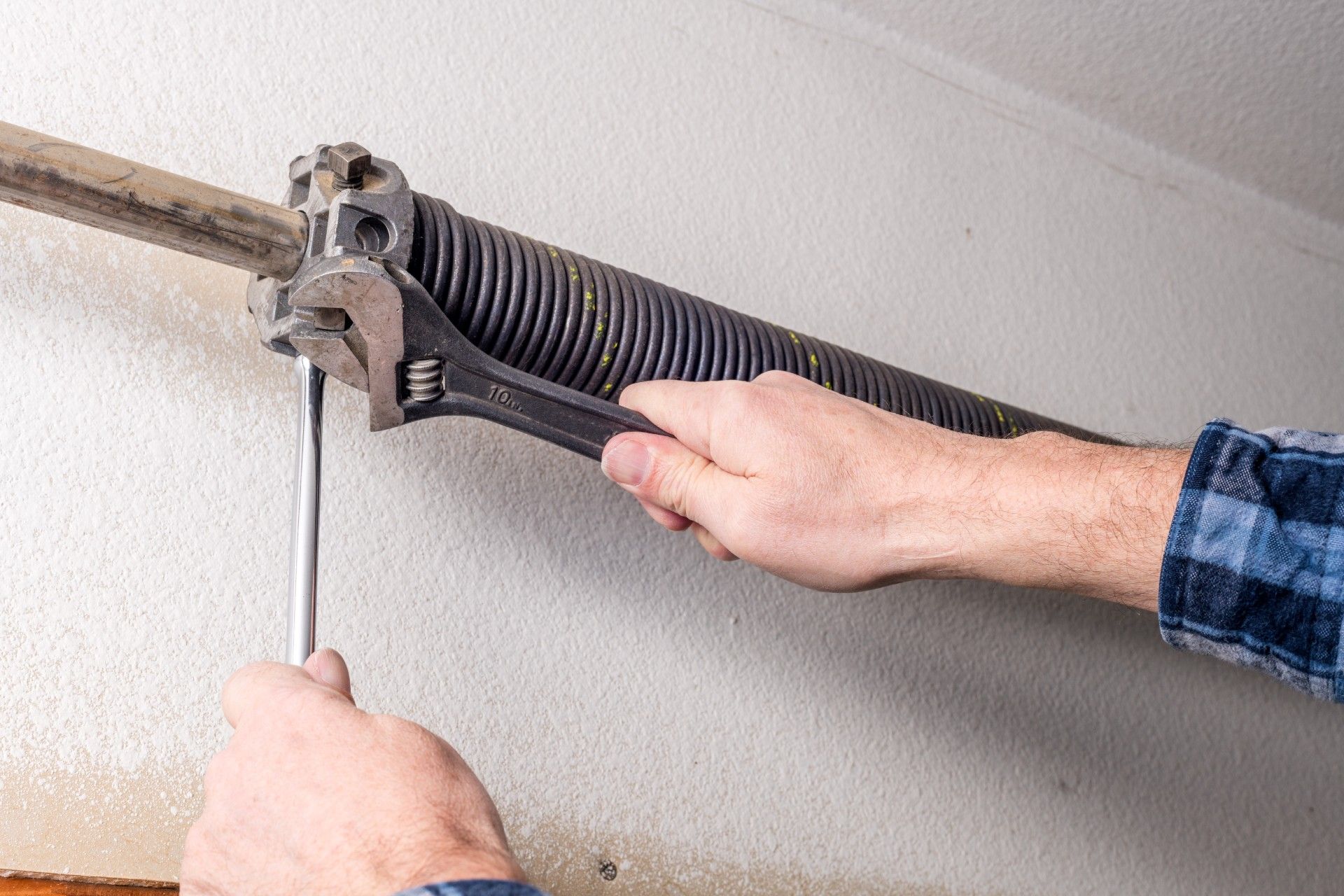
Torsion Spring Adjustment
Torsion springs are above the door horizontally. Adjusting them is risky but doable if you follow steps carefully.
- Locate the winding cone at the end of the spring.
- Insert a winding bar into the cone.
- Loosen the set screws with a wrench.
- Turn the winding bar slowly—one quarter turn at a time.
- Tighten the set screws after each adjustment.
Example: If your door closes too fast, you need to add tension (turn the spring tighter). If it opens too fast, reduce tension.
Extension Spring Adjustment
Extension springs are along the sides. They are easier to adjust.
- Open the door fully.
- Secure the door with a C-clamp on the track.
- Move the hook at the end of the spring to another hole on the bracket.
- Test the door after each change.
Non-obvious tip: Many beginners forget to check both sides. Adjust springs evenly or the door will become crooked.
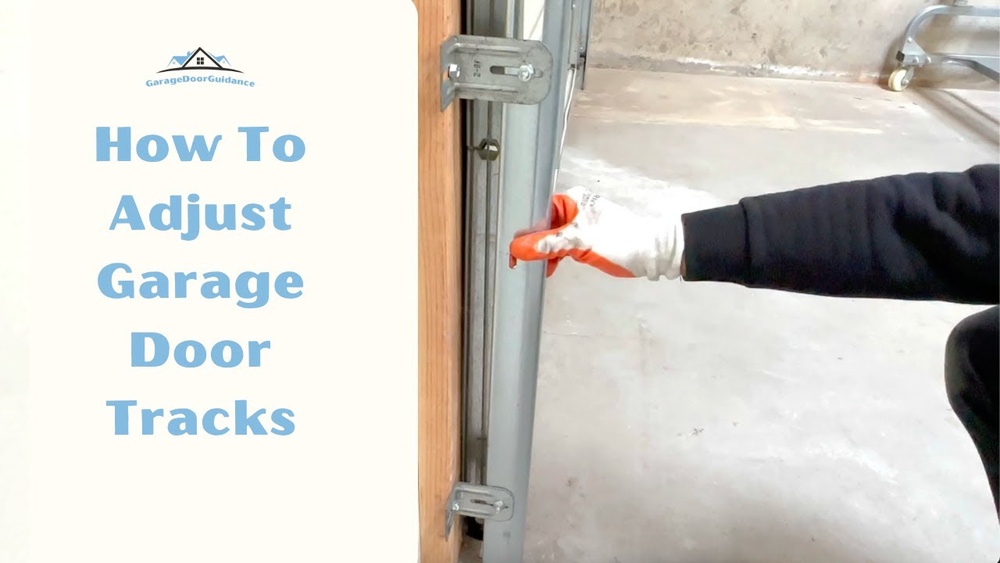
Adjusting Garage Door Tracks
Misaligned tracks cause the door to stick or make noise.
- Check for gaps between the track and door.
- Loosen the track bolts.
- Tap the track gently with a rubber mallet until aligned.
- Tighten the bolts.
Use a level to check vertical and horizontal alignment. Even small misalignments (1/8 inch) can cause big problems.
| Track Alignment Issue | Adjustment Needed | Possible Outcome |
|---|---|---|
| Track too far from door | Move closer | Door wobbles, noisy |
| Track too close | Move away | Door sticks, hard to move |
Adjusting Garage Door Cables
Cables help lift the door evenly. If one cable is loose, the door may tilt.
- Disconnect the opener.
- Open the door fully.
- Check cable tension. Both sides should feel the same.
- Adjust by moving the cable drum or tightening the cable clamp.
Practical tip: Always adjust cables in small steps. Over-tightening can cause the cable to snap.

Credit: www.wikihow.com
Adjusting Garage Door Opener Limits
The opener has limit settings to control how far the door opens and closes.
- Find the limit adjustment screws on the opener (usually labeled “up” and “down”).
- Use a screwdriver to turn the screws:
- Clockwise = door moves less
- Counterclockwise = door moves more
- Test the door after each change.
Example: If your door stops before reaching the floor, adjust the “down” limit.
Many beginners forget to reset the opener after manual adjustments. Always reconnect the opener and test the door with the remote.
Lubrication For Smooth Movement
Proper lubrication keeps the door running smoothly and prevents wear.
- Use garage door lubricant (not WD-40, which attracts dust).
- Apply to rollers, hinges, springs, and tracks.
- Wipe away extra lubricant.
Lubricate every 6–12 months. Most doors run quieter after lubrication.
Common Mistakes And How To Avoid Them
Even careful beginners can make mistakes. Watch out for these:
- Adjusting only one side (causes imbalance)
- Over-tightening springs or cables (can snap)
- Forgetting to check track alignment after adjustments
- Using wrong lubricant
- Not disconnecting opener before manual work
Non-obvious insight: Many people skip testing after each step. Always test the door’s movement before moving to the next adjustment.
When To Call A Professional
Some adjustments are best left to experts, especially if:
- Springs are broken or rusted
- Door feels extremely heavy
- There is loud banging or jerking movement
- You see frayed cables
A professional can fix complex issues and ensure safety. Prices for garage door service range from $80–$350 depending on the problem.
Real-world Example: Adjusting A Sectional Garage Door
Let’s look at a simple case.
- The door closes unevenly (left side lower).
- The owner checks spring tension and finds the left spring is looser.
- Adjusts the left spring by one hole on the bracket.
- Checks tracks and aligns them with a level.
- Lubricates all moving parts.
- Tests the door; now it closes evenly and quietly.
This process took about 30 minutes and saved the owner over $100 in repair fees.
Comparison Of Diy Vs Professional Garage Door Adjustment
Here’s a quick look at the differences:
| Aspect | DIY Adjustment | Professional Service |
|---|---|---|
| Cost | $0–$30 (tools) | $80–$350 |
| Time Needed | 30–90 minutes | 15–45 minutes |
| Risk | Medium–High (springs) | Low |
| Skill Required | Beginner–Intermediate | Expert |
| Warranty | No | Yes |
If you are careful and follow instructions, DIY is possible for basic adjustments. For complex jobs, professional help is safer.
Maintenance Tips To Keep Your Garage Door Working Well
- Check balance every 6 months
- Lubricate moving parts twice a year
- Inspect cables and springs for wear
- Tighten loose bolts
- Test opener limits regularly
Regular maintenance prevents most problems and extends door life.
Frequently Asked Questions
How Often Should I Adjust My Garage Door?
Adjustments are needed only if the door is not moving smoothly or is unbalanced. For most homes, check balance and alignment every 6–12 months.
Is It Dangerous To Adjust Garage Door Springs?
Yes, springs are under high tension and can cause injury if handled incorrectly. Always use proper tools and safety gear, or call a professional for spring work.
What Is The Best Lubricant For Garage Doors?
Use a garage door-specific lubricant. Avoid WD-40; it attracts dust and does not protect parts well. Silicone-based sprays are best.
Can I Fix A Crooked Garage Door Myself?
You can fix minor imbalances by adjusting springs, cables, and tracks. If the door is very crooked or heavy, seek professional help.
Where Can I Find More Garage Door Adjustment Guides?
For detailed guides and safety tips, visit Family Handyman for trusted advice.
Making simple adjustments can help your garage door last longer and work safely. With these steps, clear instructions, and practical examples, even beginners can maintain their garage doors with confidence. Always put safety first, test your work, and ask for expert help when needed.
Your garage door will thank you for it!