
Garage doors do more than protect your car—they impact your home’s security, comfort, and even its look. If you’re thinking about garage door installation, you might feel overwhelmed by all the choices and steps involved. But with the right guidance, even beginners can understand the basics and make smart decisions.
This article explains everything you need to know about installing a garage door. You’ll learn about the types of doors, key installation steps, costs, and common mistakes to avoid. Whether you want to do it yourself or hire a pro, you’ll find clear answers here.
Understanding Garage Door Types
The first step in garage door installation is choosing the right type. Each style offers different benefits for your needs, budget, and garage space.
Main Garage Door Styles
- Sectional Doors
- Most common in the US.
- Made of panels that move up and overhead.
- Save space and work well for most homes.
- Roll-Up Doors
- Good for small garages or commercial use.
- Roll into a coil above the opening.
- Durable but cost more than sectional doors.
- Side-Hinged Doors
- Open outwards like regular doors.
- Classic look, easy to maintain.
- Need more driveway space.
- Tilt-Up Doors
- Single solid piece lifts up and out.
- Simple design, low cost.
- Can be heavy and need more space in front.
Material Choices
- Steel: Strong, secure, and low maintenance. Most popular.
- Wood: Attractive, can match your home’s style, but needs more care.
- Aluminum: Lightweight and rust-resistant, but can dent easily.
- Fiberglass or Vinyl: Good for wet climates, but not as strong as steel.
Example: Sectional Steel Doors Are The Top Choice For New Homes Because They Balance Cost, Durability, And Style.
Measuring And Preparing For Installation
Accurate measurements are essential for a smooth garage door installation. Small mistakes here can cause big problems later.
How To Measure Your Garage Opening
- Width: Measure the opening at the widest point.
- Height: Measure the opening at the tallest point.
- Headroom: Space between the top of the opening and the ceiling (usually 12-18 inches needed).
- Backroom: Space from the opening to the back wall (door length plus 18 inches recommended).
Double-check your numbers. Even a half-inch mistake can mean the door won’t fit.
Preparing The Space
- Clear the garage of cars and clutter.
- Check that the frame is level and strong.
- Repair any rotting wood or cracks in the wall.
Pro Tip: Take photos of your garage before you start. They’re useful if you need help or advice during installation.
Credit: www.clopaydoor.com
Diy Vs. Professional Installation
Should you install a garage door yourself or hire an expert? Both options have pros and cons.
Diy Installation
- Cheaper, saves labor costs ($200–$500).
- Good for handy homeowners with basic tools.
- Can be dangerous—garage doors are heavy and springs are under tension.
Professional Installation
- Safer and faster.
- Many companies offer a warranty on their work.
- Costs more ($300–$800 in labor, plus the door).
Practical Data
According to the HomeAdvisor website, the average total cost for garage door installation in the US is $750–$1,500 for a single door, including parts and labor.
When To Hire A Pro
- If your door is extra wide or heavy.
- If you’re not comfortable with power tools.
- If you want a warranty.
Step-by-step Garage Door Installation (overview)
Every door and garage is different, but these are the basic steps most installations follow.
- Remove the Old Door
- Carefully disconnect the opener and springs.
- Take down panels one at a time to avoid injury.
- Install the New Tracks and Springs
- Secure metal tracks to the walls and ceiling.
- Attach the springs (follow the instructions exactly—springs can snap).
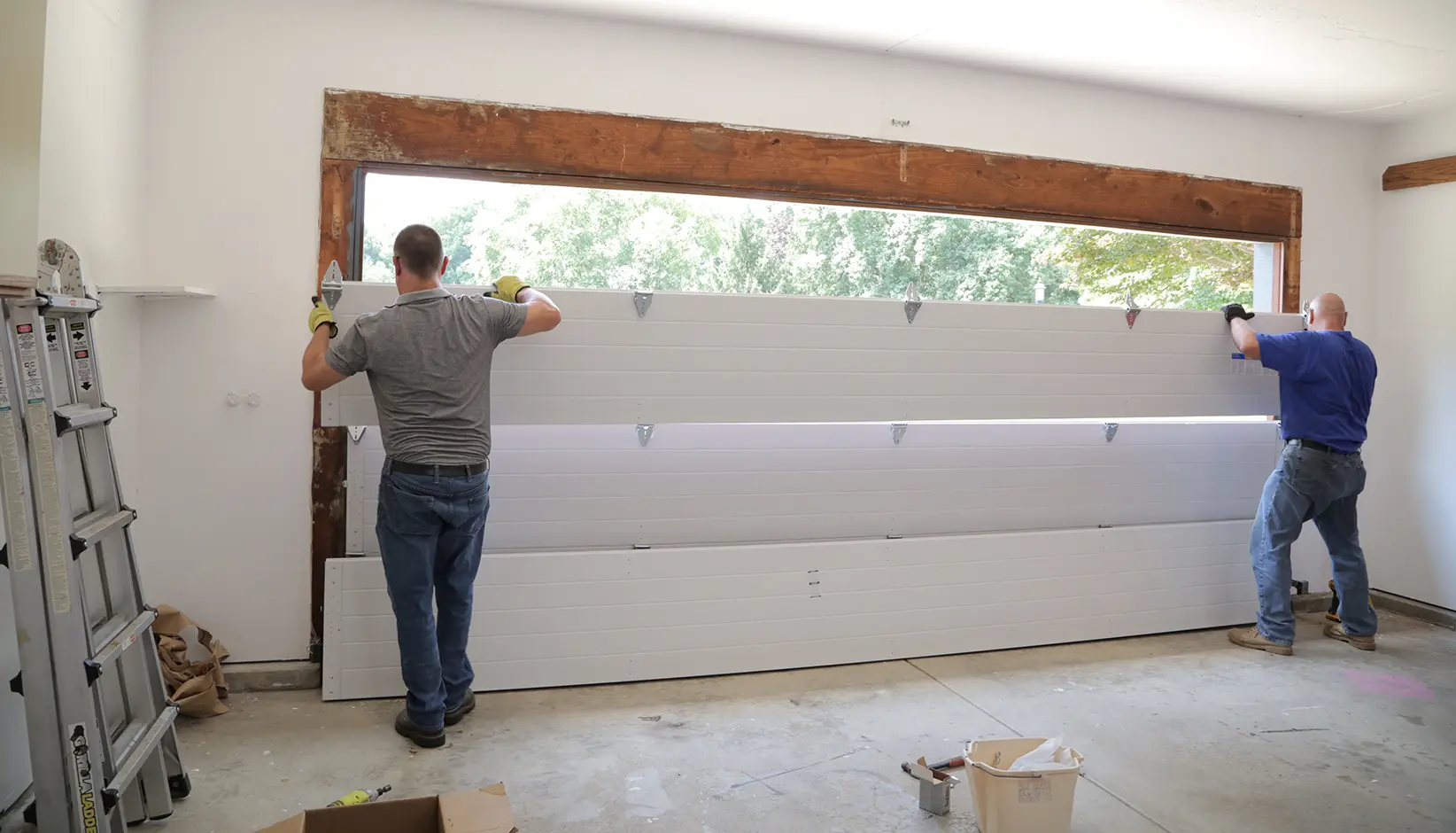
- Assemble and Hang Door Panels
- Connect panels on the ground first.
- Lift panels into place, starting at the bottom.
- Install Rollers and Attach Tracks
- Slide rollers into the tracks.
- Secure tracks to the frame, making sure they’re straight.
- Connect Springs and Cables
- Attach cables and springs. Tension must be set properly for safe operation.
- Test and Adjust
- Open and close the door by hand first.
- Make sure it moves smoothly and stays in place when half-open.
Important: Always follow the manufacturer’s instructions. If you’re unsure, ask for professional help.
Comparing Garage Door Costs
Choosing a garage door is not just about style—it’s about budget. Here’s a simple comparison of common options:
| Type | Material | Average Cost (Door Only) | Maintenance Level |
|---|---|---|---|
| Sectional | Steel | $500–$1,500 | Low |
| Roll-Up | Aluminum | $700–$2,000 | Low |
| Side-Hinged | Wood | $800–$2,500 | High |
| Tilt-Up | Steel/Wood | $400–$1,200 | Medium |
Tip: Steel doors offer the best value for most homes—durable and cost-effective.
Insulation And Energy Efficiency
Garage doors are a big part of your home’s energy use, especially if the garage connects to your house.
Why Insulation Matters
- Keeps your garage warmer in winter, cooler in summer.
- Saves on energy bills.
- Reduces noise from outside.
Insulation Options
- Polystyrene: Basic, affordable, but less effective.
- Polyurethane: More expensive, but offers better insulation and strength.
R-value Explained
The R-value measures how well a door resists heat flow. Higher numbers mean better insulation.
Example:
A steel door with polyurethane insulation may have an R-value of 12–18, while a non-insulated door is usually R-0 to R-3.
Quick Comparison
| Insulation Type | Typical R-Value | Best Use |
|---|---|---|
| None | 0–3 | Detached garages, mild climates |
| Polystyrene | 6–9 | Attached garages, temperate zones |
| Polyurethane | 12–18 | Homes needing high efficiency |
Insight: Many beginners skip insulation to save money. But you may pay more in energy bills later if your garage is not insulated.
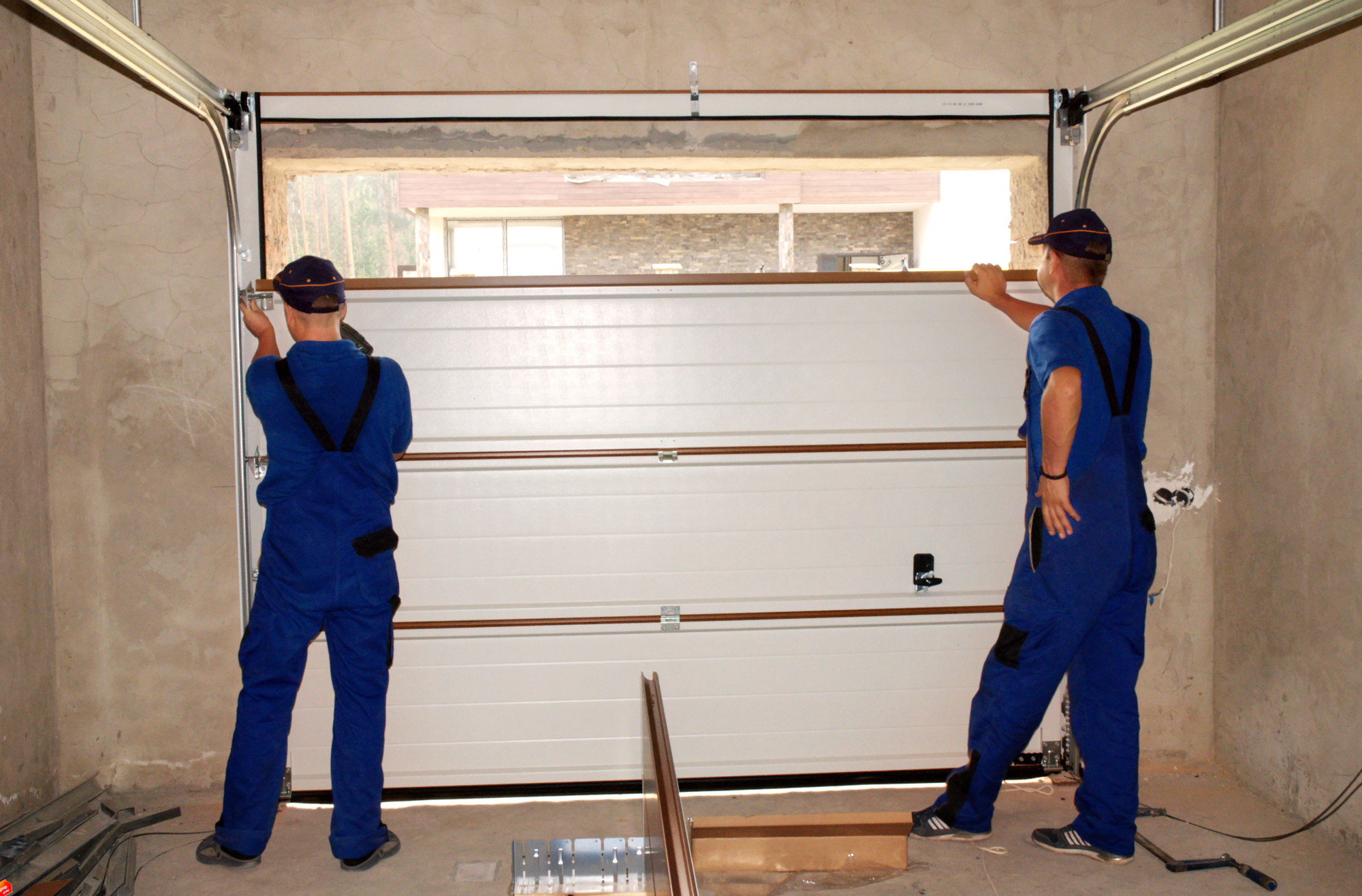
Credit: schaeferdoor.com
Safety And Security
Garage doors are heavy and under high tension. Safety is critical during installation and daily use.
Key Safety Features
- Auto-Reverse Mechanism: Door stops if it hits something.
- Manual Release: Lets you open the door if power fails.
- Pinch-Resistant Panels: Prevents fingers from getting caught.
Common Installation Hazards
- Spring tension: Can cause serious injury if released suddenly.
- Falling panels: Always lift with help, never alone.
- Power tools: Use safety glasses and gloves.
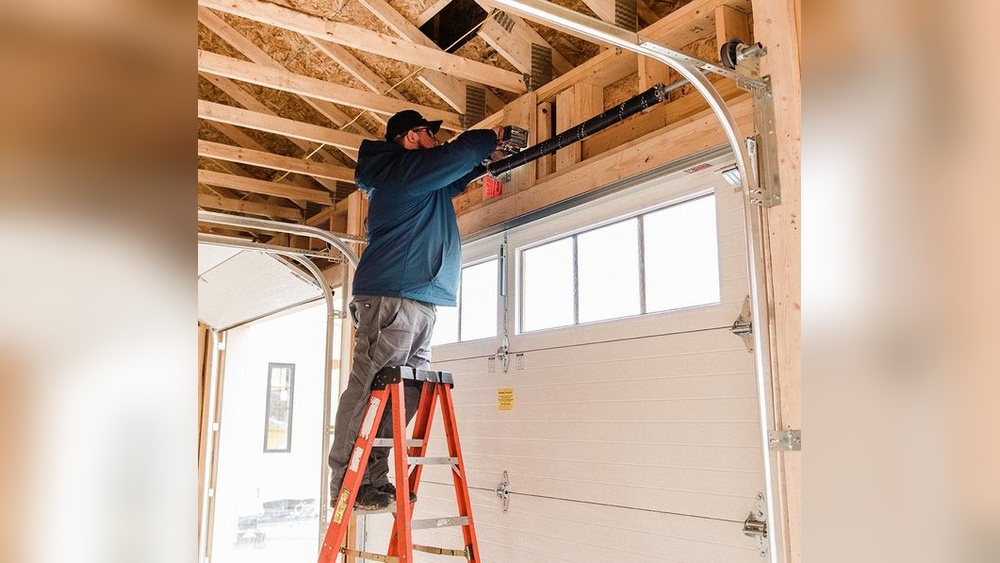
Pro Tip: Always unplug the garage door opener before starting work.
Choosing The Right Garage Door Opener
The opener is just as important as the door itself. It controls how smooth, fast, and quiet your garage works.
Types Of Openers
- Chain Drive:
- Most affordable.
- Durable, but noisy.
- Belt Drive:
- Quiet, smooth, slightly more expensive.
- Screw Drive:
- Fewer moving parts, low maintenance, but sensitive to temperature.
- Smart Openers:
- Connect to your phone for remote access.
- Can check status and receive alerts.
Opener Comparison
| Opener Type | Noise Level | Cost (Installed) | Best For |
|---|---|---|---|
| Chain Drive | High | $250–$500 | Detached garages |
| Belt Drive | Low | $350–$700 | Attached garages |
| Screw Drive | Medium | $300–$600 | Warm climates |
| Smart Opener | Low | $400–$800 | Tech-savvy users |
Insight: If your garage is under a bedroom, choose a belt drive for quiet operation.
Common Mistakes To Avoid
Even small errors during installation can lead to problems later. Here’s what beginners often get wrong:
- Poor measurements: Always measure twice before buying.
- Ignoring headroom: Not enough space can stop the door from opening.
- Skipping insulation: Costs more in the long run.
- Wrong opener: Too weak, and the door won’t lift smoothly.
- DIY spring installation: This is dangerous—let a pro handle springs if you’re not experienced.
Practical Tips For Success
- Read the manual for your specific door and opener.
- Take your time—rushing leads to mistakes.
- Use all the hardware provided, not just what looks necessary.
- Ask a friend for help, especially when lifting panels.
- Test the door several times before finishing.
Example: A homeowner in Ohio spent $1,200 on a new insulated steel door. By measuring carefully, hiring a pro for the spring work, and choosing a belt-drive opener, the install took one day and the result was a quieter, warmer garage.
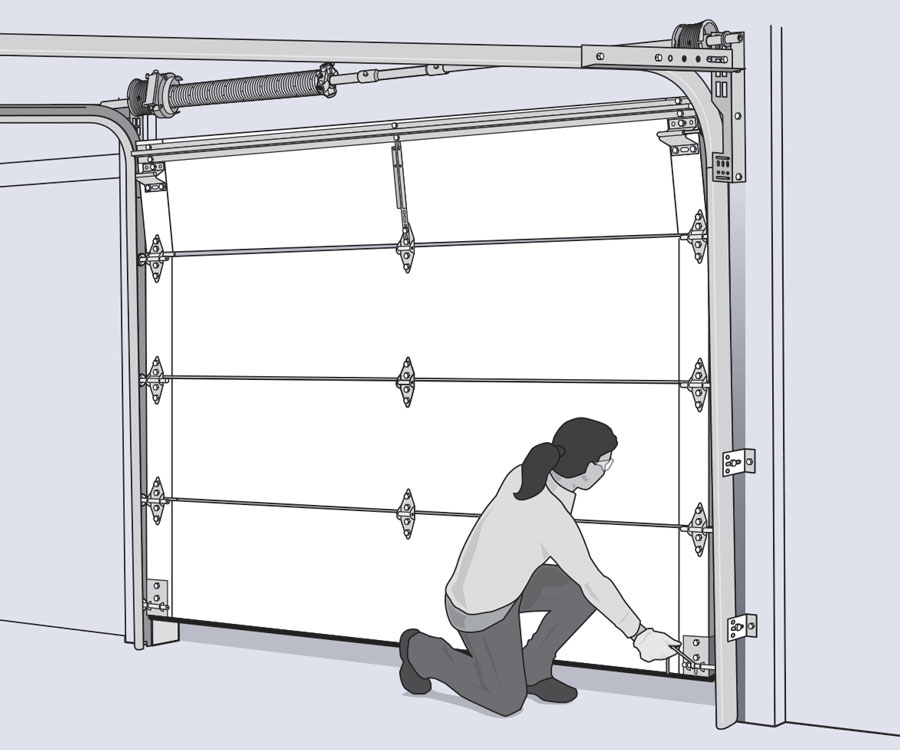
Credit: www.idealdoorgaragedoors.com
Maintenance After Installation
A well-installed garage door can last 15–30 years with care.
- Lubricate rollers, springs, and hinges every 6 months.
- Check the balance of the door—lift it halfway, and it should stay in place.
- Test the auto-reverse safety monthly.
- Repaint or seal wood doors as needed.
Tip: Set a reminder on your phone for regular maintenance. It prevents bigger problems later.
When To Replace, Not Repair
Sometimes, it’s better to install a new door than fix an old one.
- The door is warped, cracked, or rusted.
- Multiple panels are damaged.
- The opener is outdated and lacks safety features.
- Repairs cost more than half the price of a new door.
Example: If your 20-year-old door fails the safety test or looks dated, replacement adds value to your home and can improve energy savings.
Where To Find Help
If you’re unsure about any part of the process, ask for advice from local hardware stores, trusted installers, or online guides. The Family Handyman site offers step-by-step tutorials for beginners.
Frequently Asked Questions
How Long Does It Take To Install A Garage Door?
Most professional installations take 4–6 hours for a standard door. DIY projects may take a full day or weekend, especially for beginners.
What Tools Do I Need For Garage Door Installation?
You’ll need wrenches, a drill, pliers, a level, tape measure, and safety gear (gloves, glasses). Most kits include the hardware, but check before starting.
Can I Reuse My Old Garage Door Opener?
Yes, if it’s compatible with the new door and still works well. However, consider upgrading to a modern opener with better safety and smart features.
Do I Need A Permit To Install A Garage Door?
In many US cities, a permit is required for new installations, especially if changing the structure or adding electricity. Check with your local building office.
How Do I Maintain My New Garage Door?
Lubricate moving parts twice a year, test the balance and safety features monthly, and clean the door as needed. Wood doors need painting or sealing every few years.
Installing a garage door is a big project, but with the right knowledge, you can make smart choices and avoid costly mistakes. Always measure carefully, choose the right style and opener for your needs, and get help if you’re unsure.
With proper installation and care, your new garage door will protect your home for many years.