
How Much Electricity Garage Door Openers Use
Many homeowners wonder if their garage door opener is a big part of their electric bill. The answer often surprises people: these handy devices use less electricity than you may think, especially compared to appliances like refrigerators or air conditioners. Still, understanding exactly how much power they consume is useful. Whether you want to reduce costs, choose an energy-efficient model, or just satisfy your curiosity, knowing the facts can help you make smarter decisions.
How Garage Door Openers Work
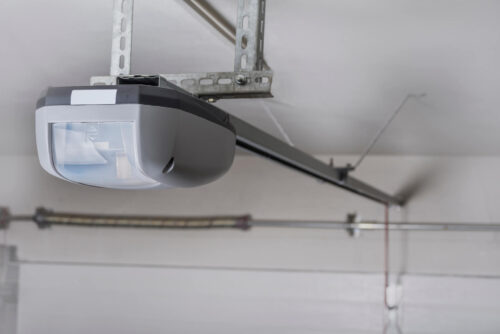
A garage door opener is a small motorized device that opens and closes your garage door. Most openers run on household electricity, usually 120 volts in the US. When you press the remote, the motor pulls or pushes the door along a track using a chain, belt, or screw drive.
There are two main times when a garage door opener uses electricity:
- Active mode: When the door is moving up or down.
- Standby mode: When waiting for a signal, usually with a small light or sensor active.
Many people don’t realize that the opener uses electricity all the time, not just when you open or close the door.
How Much Power Do Garage Door Openers Consume?
The energy use of a garage door opener depends on several factors:
- Motor size and type
- How often you use it
- Standby power draw
- Age and efficiency of the unit
Most residential garage door openers use a motor between 1/2 and 1 horsepower (HP). Here’s a quick breakdown of how that translates to electricity:
| Motor Power (HP) | Watts (Active) | Watts (Standby) |
|---|---|---|
| 1/2 HP | 300-400 | 3-7 |
| 3/4 HP | 400-500 | 4-8 |
| 1 HP | 500-600 | 5-10 |
- Active use: When opening or closing, the motor draws more power (300–600 watts), but only for a short time.
- Standby: Most of the day, the opener is waiting, drawing only 3–10 watts.
Real-world Example: Annual Energy Use
Let’s see how much electricity a typical garage door opener uses in a year.
Suppose:
- You open/close the door 4 times per day (2 in, 2 out)
- Each cycle (open or close) takes 15 seconds
- Standby mode is active the rest of the time
Calculation:
- Active use per day: 4 cycles x 15 seconds = 60 seconds (1 minute)
- Active use per year: 1 minute/day x 365 = 365 minutes (6.08 hours)
- Active energy (using 400 watts): 6.08 hours x 0.4 kW = 2.43 kWh/year
- Standby use per day: 24 hours – (1 minute active) ≈ 23.98 hours
- Standby use per year: 23.98 hours/day x 365 = 8,751 hours
- Standby energy (using 5 watts): 8,751 hours x 0.005 kW = 43.76 kWh/year
- Total annual energy: 2.43 + 43.76 = 46.19 kWh/year
If you pay 15 cents per kWh, that’s just $6.93 per year. For most families, the standby mode actually uses most of the electricity.
Factors That Affect Garage Door Opener Electricity Use
Several things can change how much power your opener uses:
1. Motor Type And Efficiency
- Newer models are more efficient.
- Older openers may use more power, even in standby.
2. Frequency Of Use
- More daily cycles = more active energy use.
- For large families or busy garages, the difference adds up.
3. Added Features
- Wi-Fi connectivity
- Cameras or smart sensors
- Built-in lights
These extras can increase standby power draw.
4. Quality Of Installation
- Poorly balanced doors make the motor work harder.
- Regular maintenance helps keep energy use low.
Credit: radfordgaragedoor.com
Comparing Garage Door Opener Energy Use To Other Appliances
It’s helpful to see how garage door openers compare to common household devices:
| Device | Average Annual Energy Use (kWh) |
|---|---|
| Garage Door Opener | 46 |
| Refrigerator | 400–600 |
| LED TV (40″) | 60–100 |
| Laptop Computer | 50–80 |
| Central AC (1.5 ton) | 1,000–2,000 |
As you can see, garage door openers use much less electricity than big appliances. For most homes, they are a very small part of the total energy bill.
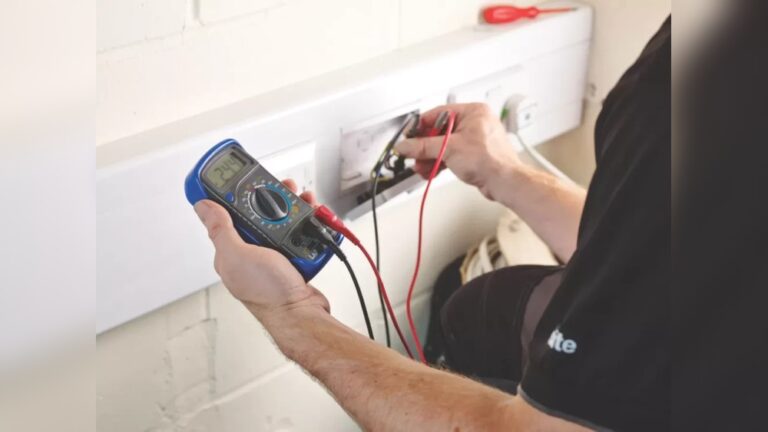
How To Measure Your Garage Door Opener’s Power Use
Curious about your own device? You can measure actual energy use with a plug-in energy meter:
- Unplug your opener and plug it into the meter.
- Plug the meter into your power outlet.
- Leave it for a week to get a better average.
- The display will show total kWh used.
This method gives you real numbers, not just estimates.
How To Reduce Garage Door Opener Electricity Use
If you want to save every bit of energy, here are some practical steps:
- Choose an opener with low standby power. Newer models can use less than 1 watt.
- Turn off the opener (unplug it) if you leave for vacation or long trips.
- Keep your garage door balanced. Test by disconnecting the opener and lifting the door—it should stay in place. If not, get it adjusted.
- Limit extra features. If you do not need Wi-Fi or cameras, choose basic models.
- Install LED bulbs in the opener’s light to reduce lighting energy.
Non-obvious Insights Beginners Miss
- Standby mode matters more than active use. Many assume that opening and closing the door is the main cost. In reality, the tiny amount of power used all day in standby adds up to most of the annual consumption.
- A heavy or poorly balanced door increases energy use. The motor has to work harder and draws more power each time, sometimes leading to higher bills and faster motor wear.
Most people don’t realize that upgrading to a more efficient opener can save more electricity over years, not just a few dollars a month.
Different Types Of Garage Door Openers And Their Energy Use
There are several types of garage door openers. Each has a different energy profile.
Chain Drive
- Most common and affordable
- Uses slightly more power due to friction and noise
Belt Drive
- Quieter operation
- Similar power use to chain drive, but newer models are more efficient
Screw Drive
- Fewer moving parts
- Slightly less efficient, but good for heavy doors
Direct Drive
- Motor moves with the door, fewer parts
- Usually the most efficient and quiet
| Type | Typical Standby Watts | Noise Level | Efficiency |
|---|---|---|---|
| Chain Drive | 5–8 | High | Average |
| Belt Drive | 4–7 | Low | Good |
| Screw Drive | 6–9 | Medium | Average |
| Direct Drive | 2–5 | Very Low | Excellent |
If you’re buying a new opener, consider both efficiency and features that matter most for your family.
Common Myths About Garage Door Opener Electricity Use
- Myth: “They use a lot of power when running.”
- Fact: They use high wattage, but only for a few seconds at a time.
- Myth: “Standby mode uses almost no energy.”
- Fact: Standby is low, but it adds up over a year.
- Myth: “Upgrading won’t make a difference.”
- Fact: Newer models can cut standby power by 80% or more.
Understanding these points can help you make smarter choices for your home.
Are Smart Garage Door Openers Worth It?
Smart openers connect to your phone and offer features like monitoring, auto-closing, and notifications. However, they often use more standby power—sometimes 6–10 watts versus 1–2 watts for simple models.
When to choose smart models:
- If remote access and security alerts are important to you
- If you are willing to accept a small increase in annual electricity use (about $2–$5 more per year)
For most people, the added convenience is worth the tiny increase in energy use. If you want to minimize all costs, a basic model is best.
What To Look For In An Energy-efficient Garage Door Opener
When shopping for a new opener, look for:
- ENERGY STAR® label or mention of low standby power
- Direct drive or efficient belt drive models
- LED lighting instead of traditional bulbs
- Auto-off features for lights and Wi-Fi when not in use
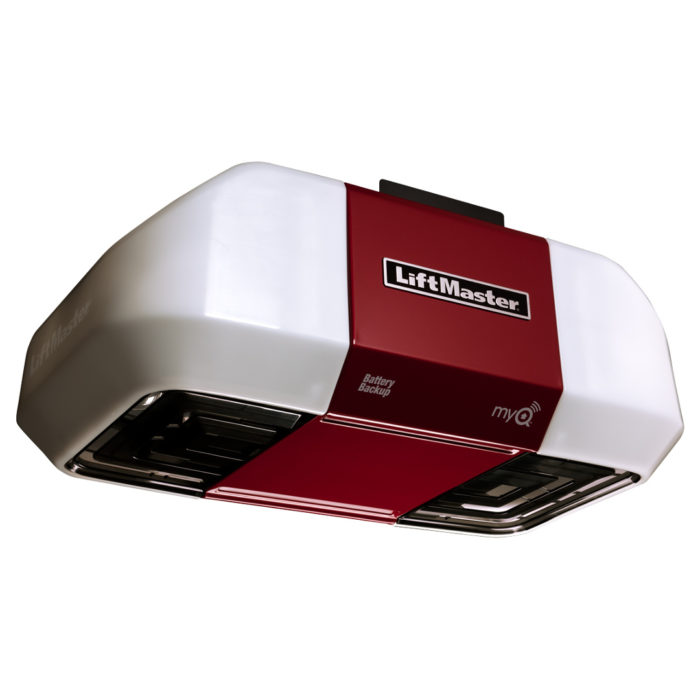
Some brands now advertise openers with standby power as low as 1 watt, which can save energy over the life of the unit.
Credit: www.greenbuildingadvisor.com
Practical Tips For Everyday Use
- Don’t use the garage door as your main entry if you have an alternative. Frequent cycles increase electricity use.
- Disconnect the opener if you do not plan to use it for weeks.
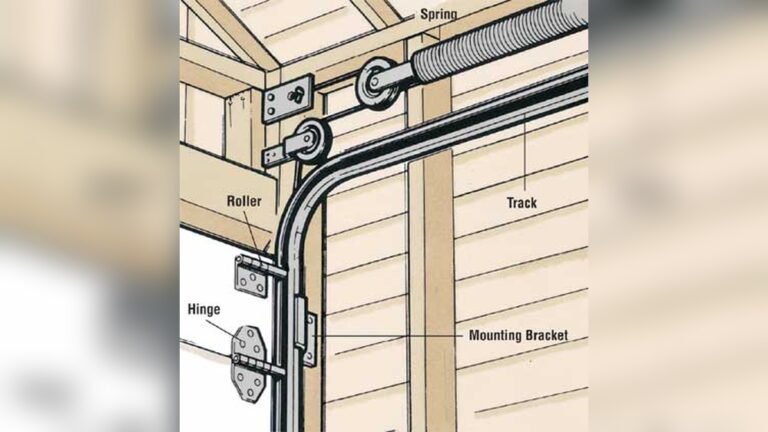
- Regularly check for loose springs or rollers—smooth operation saves energy.
Even small steps can help reduce overall use and extend the life of your opener.
Frequently Asked Questions
How Much Does It Cost To Run A Garage Door Opener Each Year?
For most homes, the cost is $5 to $10 per year. This includes both active and standby electricity use. The exact amount depends on how often you use the opener and your local electricity rates.
Do Smart Garage Door Openers Use More Electricity?
Yes, smart openers usually use more standby power—often 2–3 times more than basic models. The extra features (Wi-Fi, sensors) keep the system active. Still, the total cost is usually less than $15 per year.
Is It Worth Unplugging My Garage Door Opener When On Vacation?
If you’re away for a week or more, unplugging the opener can save a little energy and add security. For short trips, the savings are small, but it’s an easy step for longer absences.
Can I Lower The Electricity Use Of My Existing Opener?
Yes. Keep your door well-maintained, use LED bulbs, and limit extra features. If your opener is old (over 10 years), replacing it with a new, energy-efficient model can reduce standby use.
Where Can I Find More Detailed Information On Appliance Energy Use?
For more details, you can visit the U.S. Department of Energy, which offers guides and calculators for home energy consumption.
A garage door opener is a small but steady part of your home’s electric use. By understanding how it works and what affects its energy consumption, you can make smart choices, save money, and even help the environment—one open and close at a time.

Credit: store.geniecompany.com