
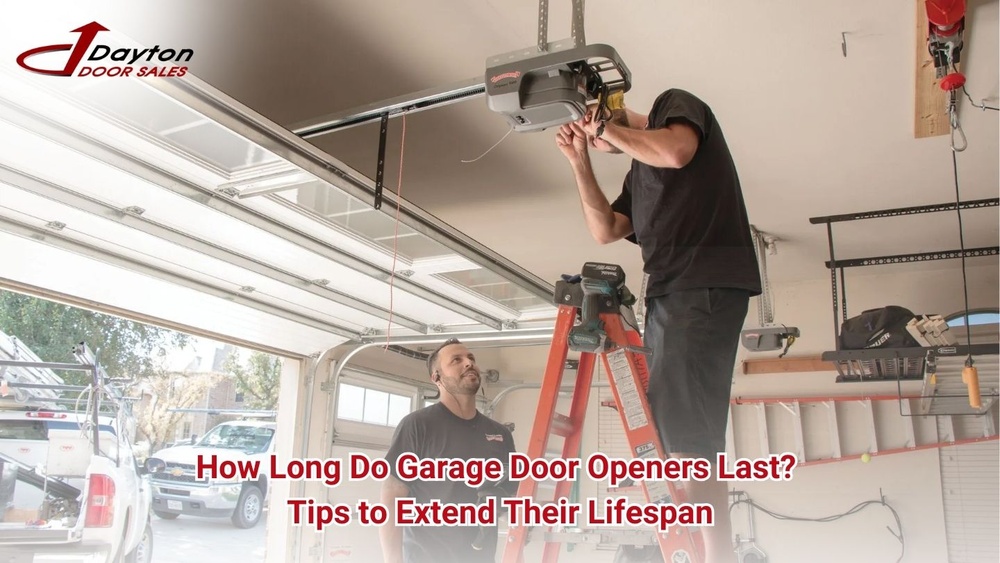
How Long Do Garage Door Openers Last
Most homeowners don’t think about their garage door opener until there’s a problem. But knowing how long a garage door opener lasts can help you plan repairs, avoid sudden breakdowns, and keep your garage safe. This guide explains the real-life lifespan of garage door openers, what affects their longevity, and when to replace or repair them. You’ll also get practical tips to make your opener last longer and learn how to spot the early signs of trouble.
Average Lifespan Of Garage Door Openers
Most garage door openers last between 10 and 15 years. This range comes from both manufacturer claims and real-world user experience. Here’s what you should know:
- 10 years: The lower end, often seen with basic models or heavy use.
- 15 years: Many quality openers last this long with proper care.
- Some openers last 20 years or more, but this is less common and usually with regular maintenance.
Modern openers with newer technology may last longer than older models. However, the way you use and maintain your opener matters even more than the brand or model.
Example Lifespans By Brand
| Brand | Average Lifespan (years) | Warranty (years) |
|---|---|---|
| Chamberlain | 10-15 | 1-5 |
| LiftMaster | 12-15 | 1-5 |
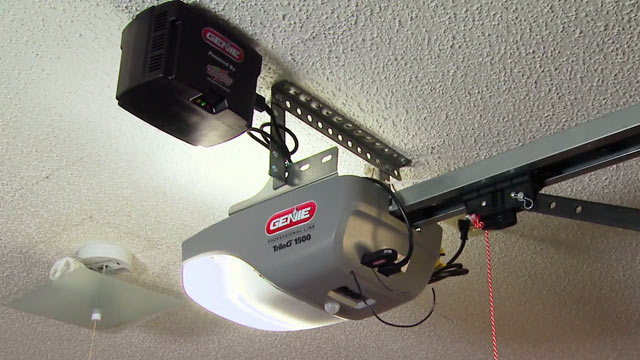
| Genie | 10-12 | 1-3 |
| Craftsman | 10-15 | 1-3 |
*Note: Lifespans are averages. Some openers can work longer with excellent care.*
What Factors Affect The Lifespan?
No two garage door openers wear out the same way. Several factors can shorten or extend the life of your opener:
- Usage Frequency
- Opening and closing your garage door multiple times a day wears out the motor, gears, and springs faster.
- A family using the garage as the main entrance will see more wear than someone who parks outside.
- Door Weight and Balance
- Heavy or unbalanced doors stress the opener.
- If the door is hard to lift manually, the opener works harder and wears out sooner.
- Maintenance
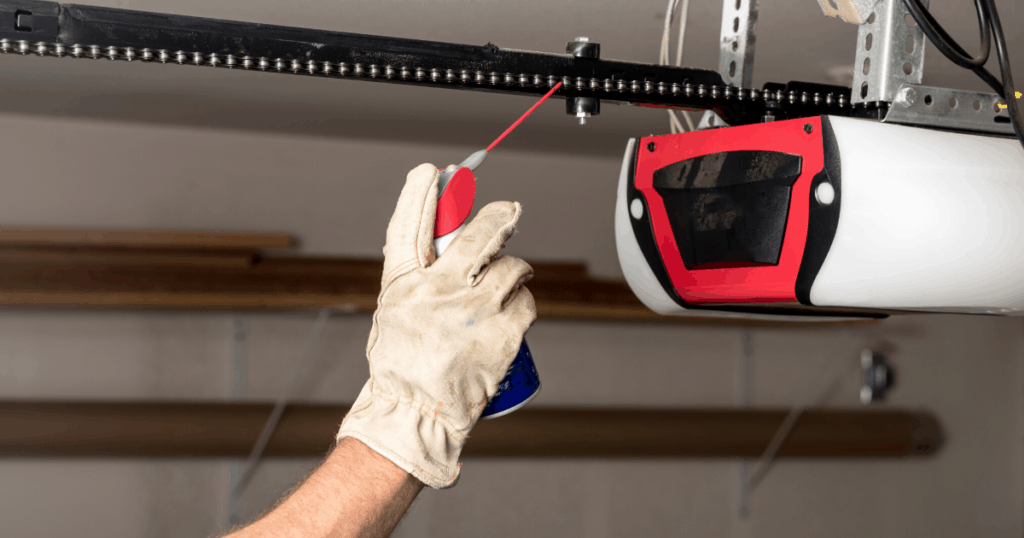
- Lubricating chains, tightening bolts, and checking alignment can extend lifespan.
- Ignoring maintenance leads to faster breakdowns.
- Environment
- Extreme cold, heat, or humidity can damage internal parts.
- Dust and debris also build up, especially in garages used as workshops.
- Opener Type
- Chain drive: Durable, but noisier and can wear with time.
- Belt drive: Quieter and often longer-lasting, but belts can crack.
- Screw drive: Fewer moving parts but sensitive to temperature changes.
- Direct drive: Fewer parts, often the longest-lasting.
- Quality of Installation
- Poor installation causes stress on the opener and door.
- Professional installation usually means a longer life.
Example: Two Families
- Family A uses the garage door 8 times a day and ignores maintenance. Their opener lasts 7 years.
- Family B uses it 2 times a day and lubricates the chain every 6 months. Their opener lasts 16 years.
Insight: Most beginners forget that door balance and regular lubrication are as important as the motor’s quality.
Credit: www.precisiondoor.net
Signs Your Garage Door Opener Is Failing
You don’t have to wait for your opener to die completely. Watch for these warning signs:
- Slower operation: Door moves more slowly or unevenly.
- Excessive noise: Grinding, squeaking, or rattling sounds.
- Unreliable response: Sometimes the door won’t open or close with the remote.
- Vibration: The opener shakes or moves on its mounting.
- Intermittent stops: Door reverses or stops for no clear reason.
- Remote issues: Wall button works, but remotes fail often.
If you notice any of these, repairs or replacement may be near.
How To Test Your Opener’s Strength
- Disconnect the opener and try to lift the door manually.
- If it’s heavy or sticks, the opener is working too hard (even if you don’t notice).
- An opener that struggles is more likely to fail soon.
When To Replace Vs. Repair
Not every problem means you need a new opener. Here’s how to decide:
Repair If:
- The opener is under 10 years old.
- The issue is minor (e.g., chain off track, remote not working).
- The motor is still strong and reliable.
- Parts are easy to find and affordable.
Replace If:
- The opener is over 10-15 years old.
- Repairs are needed often, or parts are no longer available.
- Safety sensors fail or wiring is frayed.
- The door reverses for no reason, even after sensor cleaning.
- You want smart features (Wi-Fi, smartphone control) not available in older models.
Tip: If your opener lacks auto-reverse safety sensors (required since 1993), replacement is strongly recommended for safety.
Credit: www.garagedoorseattle.com
How To Make Your Opener Last Longer
You can often add years to your opener’s life with simple steps:
- Lubricate moving parts every 6–12 months (chain, rail, hinges).
- Check door balance twice a year. An imbalanced door puts stress on the motor.
- Tighten bolts and screws on the opener and track.
- Clean photo-eye sensors so the door doesn’t reverse unnecessarily.
- Replace worn weather seals to keep out moisture.
- Test safety features (auto-reverse and manual release) each season.
Example Maintenance Schedule
| Task | Frequency | Benefit |
|---|---|---|
| Lubricate chain/rail | Every 6 months | Less friction, quieter operation |
| Check door balance | Twice a year | Reduces opener strain |
| Clean sensors | Every 3 months | Prevents false reversing |
| Tighten hardware | Yearly | Prevents vibration damage |
| Test auto-reverse | Seasonally | Keeps door safe for kids/pets |
Non-obvious insight: Many owners forget to check their door’s manual release function. If it’s stuck, you could be locked out (or in) during a power outage.
Cost Of Repairing Vs. Replacing
Knowing costs helps with your decision. Here’s what you can expect:
- Minor repairs: $50–$150 (remotes, sensors, simple adjustments)
- Major repairs: $150–$350 (motor, circuit boards, drive belts)
- Full replacement: $300–$600 (new opener, installation, removal of old unit)
Cost Comparison Table
| Service | Typical Cost (USD) | When Needed |
|---|---|---|
| Remote replacement | $20–$50 | Lost or broken remote |
| Sensor replacement | $50–$100 | Faulty safety sensors |
| Motor replacement | $150–$250 | Motor failure |
| Complete unit replacement | $300–$600 | Old, unreliable opener |
Tip: If repair costs are more than half the price of a new opener, replacement is usually smarter.
Credit: www.overheaddoors.com
Should You Upgrade To A New Opener?
If your opener still works but is getting old, consider the benefits of a modern opener:
- Quieter operation: Belt and direct-drive models are much less noisy.
- Smart controls: Open and monitor your garage from your smartphone.
- Better safety: Improved sensors and auto-reverse functions.
- Battery backup: Keeps working during power outages (required by law in some states like California).
- Longer warranties: Many new openers come with 5-year or even lifetime warranties.
Real-life example: Upgrading a 15-year-old chain drive to a modern belt drive can reduce noise by over 70%, which makes a big difference if your garage is under a bedroom.
Common Mistakes That Shorten Opener Life
Many homeowners unknowingly reduce the lifespan of their garage door openers. Avoid these mistakes:
- Ignoring small noises: Squeaks or grinding sounds are early warning signs.
- Using the opener as a lock: Pushing the wall button repeatedly or forcing the door puts strain on the motor.
- Neglecting the garage door: A rusty, heavy, or misaligned door makes the opener work harder.
- DIY repairs without knowledge: Mistakes with wiring or alignment can cause more damage.
- Not checking the manual release: If it doesn’t work, the opener could burn out in a power outage.
Non-obvious insight: Many beginners don’t realize that cold weather can stiffen door seals and tracks, making the opener’s job much harder in winter.
Is It Worth Repairing An Old Opener?
It depends on the age and features of your unit:
- If your opener is more than 15 years old, repairs are usually a short-term fix.
- If it lacks modern safety features or is very noisy, an upgrade is often a better investment.
- If you plan to sell your home, a new opener can add value and peace of mind for buyers.
Practical tip: Check your opener’s serial number and model. If parts are hard to find or the brand is out of business, replacement is the safest route.
Frequently Asked Questions
How Can I Tell If My Garage Door Opener Needs Replacing?
Look for slower operation, loud noises, frequent breakdowns, or trouble with remotes. If your opener is over 15 years old or lacks safety sensors, it’s time to consider a replacement.
Can I Replace Just The Motor Instead Of The Whole Opener?
Sometimes, yes. But if the opener is very old, other parts may soon fail too. Replacing the whole unit is often more cost-effective and gives you modern features.
How Often Should I Maintain My Garage Door Opener?
Do basic maintenance like lubrication and sensor cleaning every 6–12 months. Test safety features seasonally. Regular maintenance can add several years to your opener’s life.
Does The Type Of Garage Door Affect Opener Life?
Yes. Heavy or poorly balanced doors make openers wear out faster. Regularly check door balance and fix issues promptly to protect your opener.
Where Can I Learn More About Garage Door Opener Safety Standards?
You can find up-to-date safety information at the U.S. Consumer Product Safety Commission.
A well-maintained garage door opener is a reliable part of your home. Most last 10 to 15 years, but with good habits, you might see 20 years or more. Stay alert for warning signs, do regular checkups, and upgrade when needed—you’ll avoid surprises and keep your garage secure for years to come.