
A garage door opener is a device many people use every day, but few think about until something goes wrong. If you’ve ever struggled with a heavy garage door or worried about security, you know why having a reliable opener matters.
Today, garage door openers are more advanced, safer, and easier to use than ever. This article will guide you through everything you need to know, including how they work, types, installation tips, common problems, and how to choose the right one for your home.
What Is A Garage Door Opener?
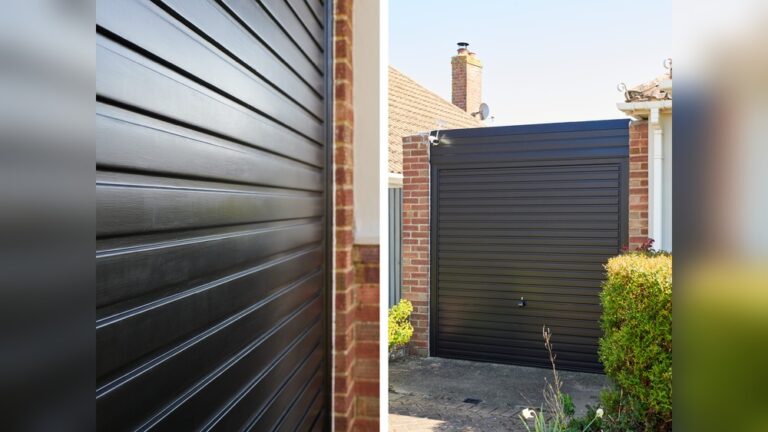
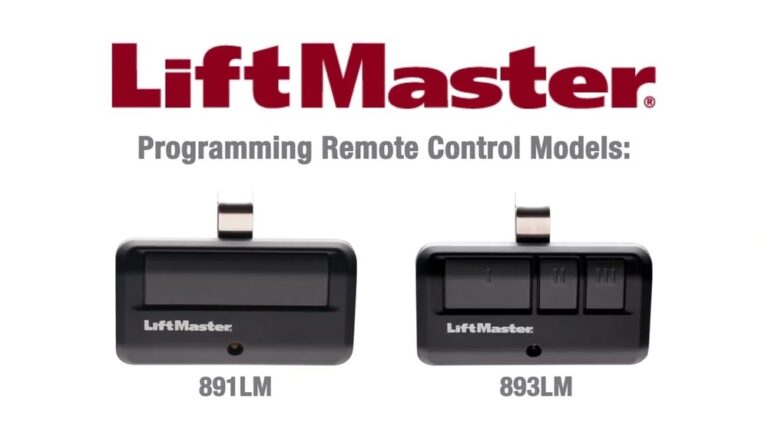
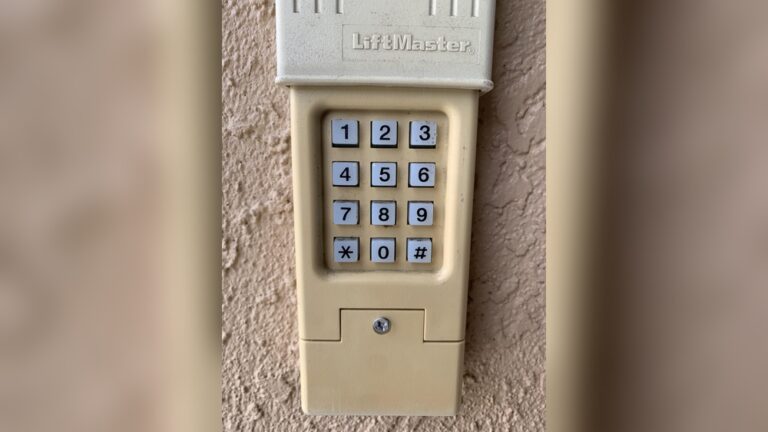
A garage door opener is a motorized device that automatically opens and closes your garage door. You can operate it with a remote control, wall switch, or even a smartphone. The main goal is to make entering and leaving your garage easy and safe.
- Most openers use a small electric motor.
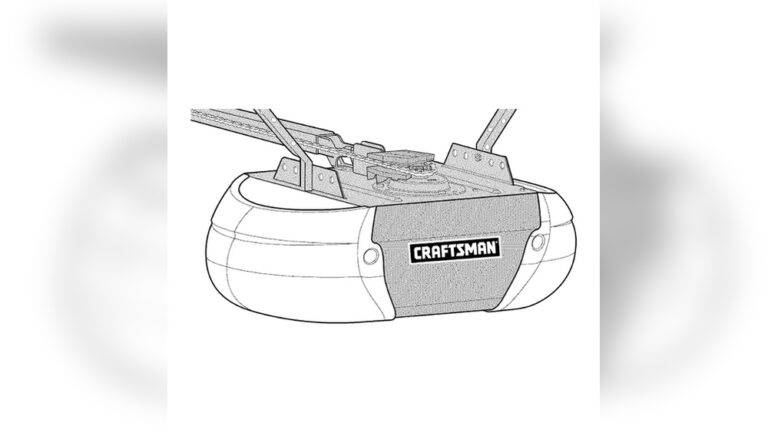
- They move the door using a chain, belt, screw, or direct drive system.
- Safety sensors stop the door if something is in the way.
Garage door openers also add security by keeping your garage locked when you’re not home.
Types Of Garage Door Openers
Choosing the right type depends on your needs, garage size, and budget. Here are the most common types:
| Type | How It Works | Main Pros | Main Cons |
|---|---|---|---|
| Chain Drive | Uses a metal chain to move the door | Affordable, reliable | Noisy, needs maintenance |
| Belt Drive | Uses a rubber belt | Quiet, smooth operation | Higher cost |
| Screw Drive | Moves door with a threaded steel rod | Fewer parts, less maintenance | Noisy, sensitive to temperature |
| Direct Drive | Motor itself moves along a rail | Very quiet, durable | Usually more expensive |
| Jackshaft | Mounts on wall beside door, turns torsion bar | Saves ceiling space, quiet | High price, not for all doors |
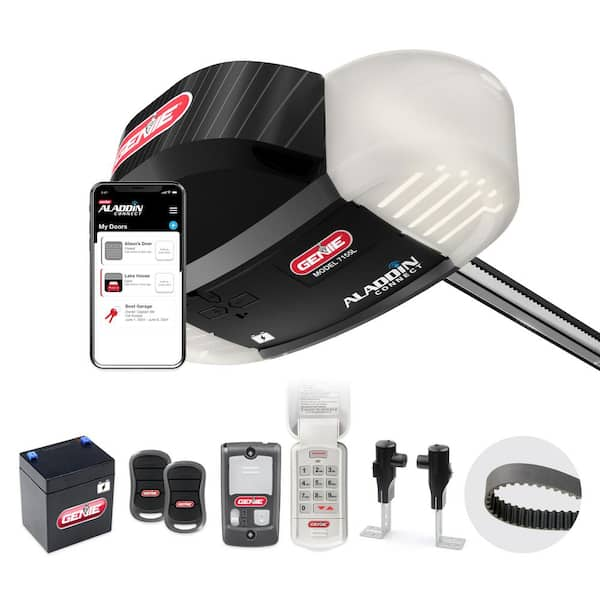
Belt drive openers are popular for attached garages because of their quiet operation. If your garage is under a bedroom, a belt drive or direct drive can make a big difference.
Credit: www.homedepot.com
Key Features To Consider
When buying a garage door opener, look beyond just the price. Here are important features:
- Horsepower: Most homes need 1/2 HP for single doors, 3/4 HP for heavier or double doors.
- Security technology: Rolling code or “smart” openers change the access code every use, making it harder to hack.
- Battery backup: Lets you open the door during power outages.
- Smartphone control: Some openers connect to Wi-Fi for remote operation and alerts.
- Lighting: Built-in LED lights help you see at night.
| Feature | Benefit |
|---|---|
| Rolling code security | Prevents code theft and break-ins |
| Battery backup | Works during power outages |
| Smartphone app | Open/close from anywhere |
| Motion sensor lights | Extra safety at night |
Non-obvious insight: Many people ignore the lighting feature, but a well-lit garage can prevent falls and accidents.
How Does A Garage Door Opener Work?
The basic operation is simple, but there are smart details to know:
- Signal sent: You press the remote, wall switch, or app.
- Motor activates: The opener’s motor turns on.
- Drive system moves door: Chain, belt, screw, or direct system pulls or pushes the door.
- Safety sensors check path: If an object is detected, the door stops or reverses.
- Door closes or opens fully: The motor stops automatically.
Most openers use a radio signal for remotes, usually in the 315 MHz or 390 MHz range. Modern systems use rolling codes to prevent thieves from copying your signal.
Step-by-step: Installing A Garage Door Opener
Many homeowners can install an opener with basic tools, but it’s important to follow instructions for safety.
Basic Steps
- Read the manual: Each model has specific steps.
- Assemble the opener: Put together the rail and attach the motor unit.
- Mount the opener: Secure it to the ceiling above the garage door.
- Attach to the door: Connect the arm to the door bracket.
- Install safety sensors: Place sensors 6 inches above the floor on each side.
- Wire the controls: Connect wall switch and sensors to opener.
- Test: Check door movement and adjust limits as needed.
Tips For Safe Installation
- Always unplug the opener before working on it.
- Make sure the door moves smoothly by hand before attaching the opener.
- Use strong mounting hardware; weak mounts can cause the unit to fall.
- If your door is very heavy or old, call a professional.
Common beginner mistake: Not aligning the safety sensors correctly. If sensors are not facing each other perfectly, the door won’t close.
Common Garage Door Opener Problems And Solutions
Even the best openers have issues sometimes. Here are common problems and what they mean:
- Remote control not working: Check batteries or try reprogramming.
- Door won’t close: Safety sensors could be blocked or misaligned.
- Noisy operation: Lubricate the chain, belt, or screws. Check for loose parts.
- Door reverses before closing: Adjust the limit or force settings.
- Motor runs but door doesn’t move: Check the disconnect switch or drive system.
Practical tip: If your opener is over 10 years old and repairs are frequent, replacement is usually more cost-effective.
How To Choose The Right Garage Door Opener
Picking the best opener depends on your garage, door type, and personal needs.
- Garage size: Larger, heavier doors need stronger motors.
- Noise: Belt or direct drives are best for quiet operation.
- Smart features: If you want to control from your phone, look for Wi-Fi enabled models.
- Budget: Chain drives are cheapest, but not always best for all homes.
- Ceiling space: If you need room for storage, a wall-mounted jackshaft is ideal.
Example: If you live in a region with frequent power outages, a battery backup is a must-have feature. For attached garages, a quiet drive is worth the extra cost.
Garage Door Opener Maintenance
Regular maintenance keeps your opener running smoothly and extends its life.
- Lubricate moving parts: Every 6 months, apply garage door lubricant to the chain, screw, or belt (not on belts themselves), rollers, and hinges.
- Check safety sensors: Wipe them clean and make sure they are aligned.
- Test auto-reverse: Place a 2×4 under the door. If it doesn’t reverse, adjust the sensors or call a pro.
- Tighten hardware: Vibration can loosen screws and bolts over time.
Non-obvious insight: Most openers have a manual release cord. Practice using it in case of power loss so you’re not stuck.
Safety And Security
Garage doors are heavy and can be dangerous. Modern openers include many safety features, but you should still be careful.
- Auto-reverse: Prevents the door from closing on people or pets.
- Manual release: Lets you open the door by hand during emergencies.
- Rolling code remotes: Makes it much harder for thieves to break in.
- Vacation lock: Some models have a wall switch that disables remotes while you’re away.
For security, always keep your remote out of sight and never leave it in an unlocked car.
According to the Consumer Product Safety Commission, automatic openers with safety sensors have reduced garage door injuries by over 50% since the 1990s.
Cost And Value
The price of a garage door opener depends on its type, horsepower, and features.
- Chain drive: $130–$200
- Belt drive: $180–$350
- Direct drive/jackshaft: $300–$600
- Professional installation: $120–$250 extra
Add-ons like battery backup or Wi-Fi control usually cost more. While basic models are cheaper, investing in a quiet, reliable opener pays off in convenience and security.
Smart Garage Door Openers
Smart openers let you control and monitor your garage from anywhere. Here’s what you get:
- Open or close your garage using a smartphone app.
- Receive alerts if you forget to close the door.
- Grant temporary access to friends, family, or delivery drivers.
- Check the status of your garage in real time.
Many models work with smart home systems like Alexa, Google Home, or Apple HomeKit. For more details, the CNET Smart Garage Door Opener Guide covers current options.
Comparing Top Brands
Here’s a quick look at leading garage door opener brands:
| Brand | Main Features | Warranty | Smart Options |
|---|---|---|---|
| Chamberlain | Reliable, strong motors, Wi-Fi | Lifetime on motor/belt | Yes |
| LiftMaster | Commercial-grade, quiet | Lifetime on motor | Yes |
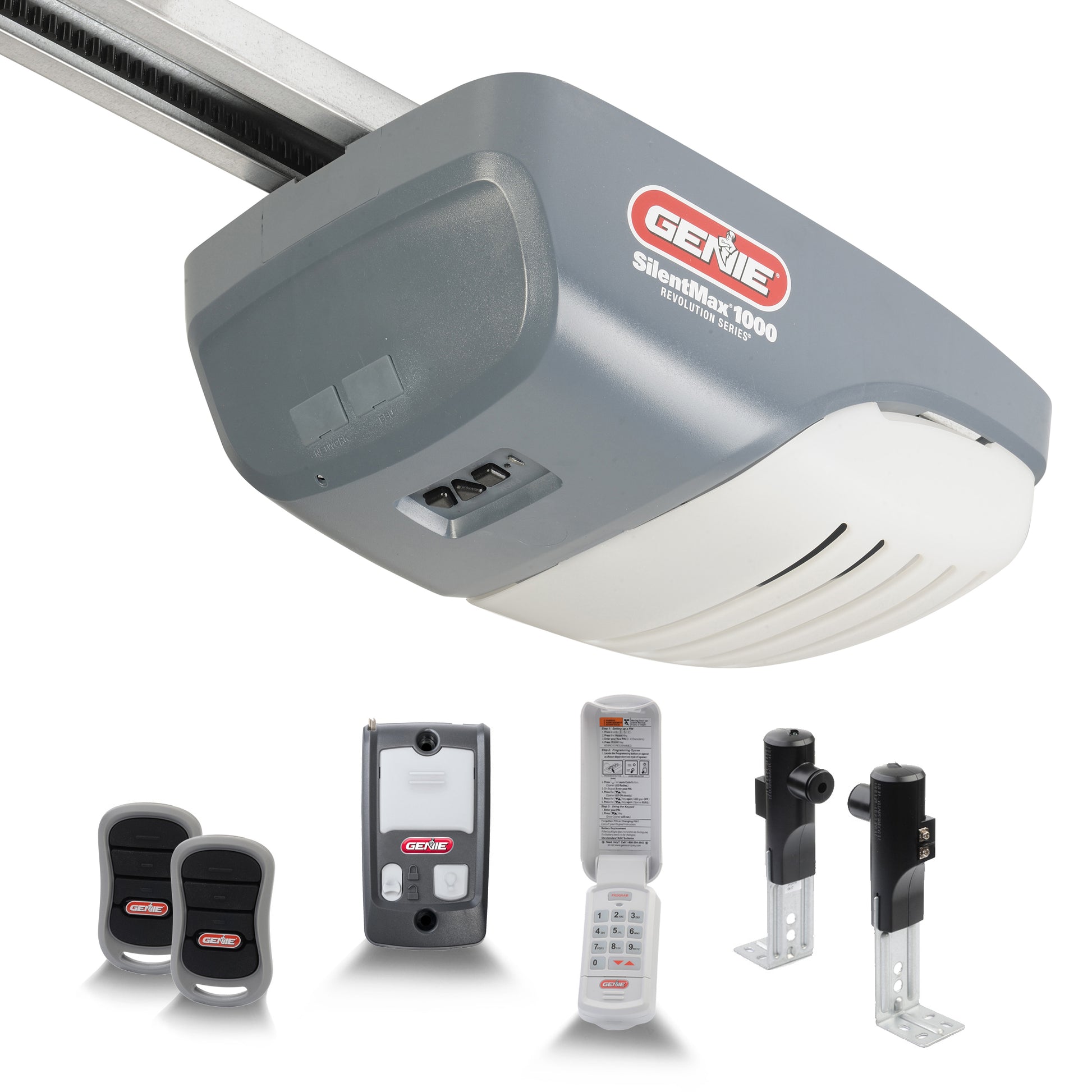
| Genie | Affordable, easy install | 10–15 years | Some models |
| Craftsman | Good value, wide availability | 10 years | Some models |
Credit: store.geniecompany.com
Energy Use And Environmental Impact
Garage door openers use very little electricity. Most models use about 4–6 watts in standby mode and 100–200 watts when operating. Newer models with LED lighting and efficient motors are more energy-friendly.
To reduce energy waste:
- Choose openers with energy-efficient standby modes.
- Use LED bulbs in the opener’s light socket.
- Unplug the opener if you’ll be away for months.
Frequently Asked Questions
What Horsepower Do I Need For My Garage Door Opener?
Most single garage doors work well with 1/2 horsepower. For double or heavy wooden doors, choose 3/4 horsepower or more. Too little power means slow operation and more wear.
How Long Does A Garage Door Opener Last?
Most quality openers last 10 to 15 years with regular maintenance. Frequent issues or noisy operation are signs it may be time for a replacement.
Can I Install A Garage Door Opener Myself?
If you are comfortable with tools and follow instructions, DIY installation is possible. However, if your door is heavy, or you’re not sure, hiring a professional is safer.
Why Won’t My Garage Door Close All The Way?
The most common cause is misaligned safety sensors. Check for dirt, blockage, or wiring issues. Also, check the limit settings if the problem continues.
Are Smart Garage Door Openers Secure?
Modern smart openers use encrypted signals and rolling codes, making them very safe. Always set strong passwords and keep software updated for best security.
A reliable garage door opener is more than just a convenience—it adds safety, security, and comfort to your daily life. With smart features, quiet drives, and strong safety technology, choosing the right opener is easier than ever. By understanding the basics, comparing your options, and maintaining your system, you’ll enjoy smooth, trouble-free operation for years.
If you’re ready for an upgrade or buying for the first time, this guide should help you make a confident choice.

Credit: www.home.crs