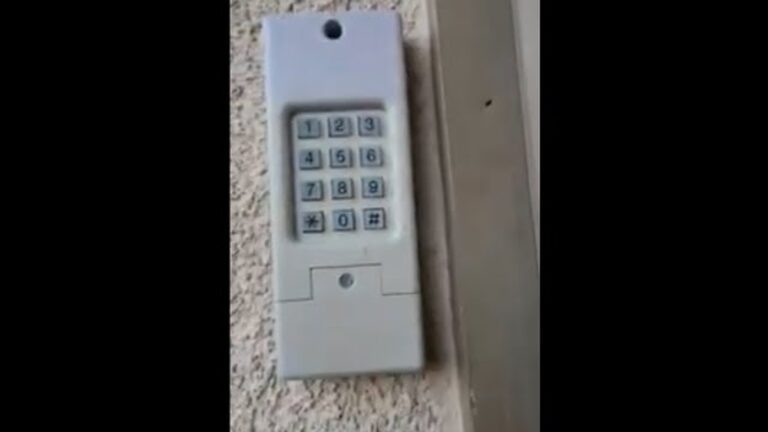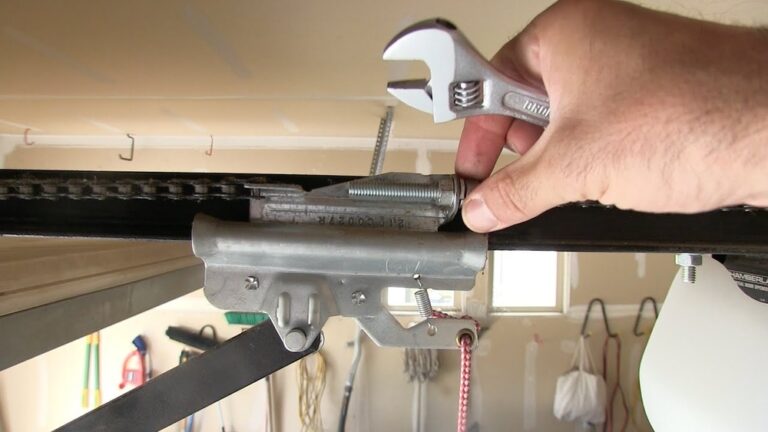

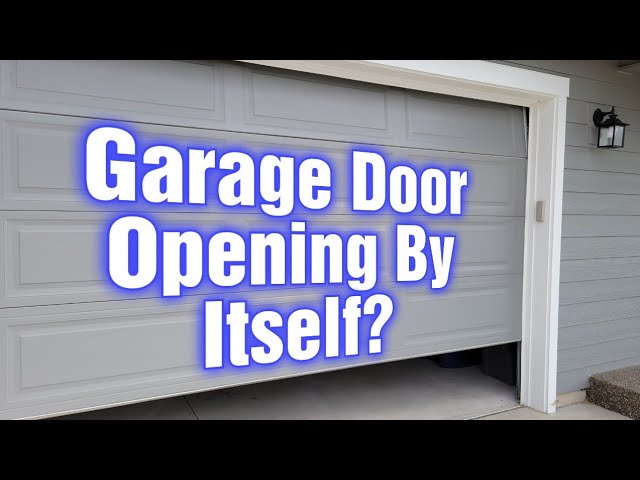
When your garage door opens by itself, it’s more than just confusing—it can be risky. You may worry about security, weather, or even pets escaping. This strange problem happens more often than people think. Understanding why your garage door opens on its own can help you fix it quickly and keep your home safe. Let’s break down the main causes, practical solutions, and what you should do if it happens.
Why Does A Garage Door Open By Itself?
Many homeowners face this issue at least once. Sometimes, it’s a simple problem; other times, it’s a sign of something bigger. Here are the most common reasons:
- Remote control interference: Signals from other devices can trigger your door.
- Faulty wiring: Damaged wires may send false signals.
- Stuck or dirty sensors: Safety sensors must be clear and aligned.
- Power surges: Electrical spikes can affect the garage opener.
- Neighbor’s remote: Rare, but possible if codes overlap.
Even one of these issues can make your garage door open without warning. Let’s dive deeper into each cause.
Remote Control Interference
Remote controls use radio frequency to open garage doors. Sometimes, other devices nearby use the same frequency.
- Baby monitors
- Car alarms
- Wireless doorbells
If your remote shares a frequency with another device, it can receive signals by accident.
Practical Example
Suppose your neighbor installs a new wireless device. Suddenly, your garage door opens at odd times. This is often because the new device uses a similar frequency.
What You Can Do
- Change your remote’s frequency (most modern openers allow this).
- Check for new electronics in your area.
- Move wireless devices away from the garage.
Faulty Wiring And Electrical Problems
Wiring inside your garage door opener is sensitive. Over time, wires can get frayed, wet, or disconnected.
Common Signs
- Garage door opens or closes randomly.
- Opener makes unusual noises.
- Door moves slowly or jerks.
Real Data
According to the International Door Association, electrical faults cause about 20% of garage door issues.
Quick Fixes
- Inspect wires for damage.
- Tighten loose connections.
- Call a professional if you see burnt wires.
Sensor Issues
Modern garage doors have safety sensors near the floor. These stop the door if something is in the way. If sensors are dirty or misaligned, they can act up.
Signs Of Sensor Trouble
- Door opens and closes without command.
- Door reverses before touching the ground.
- Blinking lights on sensor units.
How To Fix
- Clean sensors with a soft cloth.
- Make sure sensors face each other.
- Check for objects blocking the sensor beam.
Common Mistake
Beginners often forget to check both sensors. Both must be clean and aligned, not just one.
Credit: www.youtube.com
Power Surges And Electrical Spikes
A power surge is a sudden increase in electrical voltage. It can happen during storms or when large appliances turn on.
Effects On Garage Doors
- Opener resets unexpectedly.
- Door opens or closes without warning.
- Remote loses its programming.
Practical Advice
- Use a surge protector on your garage opener.
- Reset your opener after a surge.
- If problems continue, consult an electrician.
Neighbor’s Remote Or Code Overlap
Garage door remotes use codes to prevent unwanted access. However, older openers may have limited codes.
Real Example
In a 2018 study by the Consumer Product Safety Commission, about 5% of garage door complaints involved neighbor’s remotes causing accidental openings.
How To Prevent
- Upgrade to a rolling code opener (changes code every use).
- Reprogram your remote and opener.
- Avoid sharing remote brands with neighbors.
Credit: www.overheaddoorcompanyofhuntsville.com
Comparing Garage Door Opener Types
Some garage door openers are more prone to random openings than others. Here’s a simple comparison:
| Opener Type | Chance of Random Opening | Security Features |
|---|---|---|
| Older Fixed Code | High | Few |
| Modern Rolling Code | Low | Many |
| Smart WiFi Opener | Medium | App Alerts, Updates |
Rolling code openers offer the best security and least risk of random openings.
How To Troubleshoot A Garage Door Opening By Itself
If your garage door opens without your input, take these steps:
- Check the remote batteries. Low batteries can send weak, odd signals.
- Inspect the wall button. Dirt or debris can cause stuck buttons.
- Look for stuck or dirty sensors. Clean and realign as needed.
- Unplug the opener. See if the door still opens (helps pinpoint wiring vs remote issues).
- Review recent changes. New neighbors, new electronics, or weather events can all trigger problems.
- Update your opener’s codes. Modern openers let you reset codes for better security.
- Call a technician. If unsure, get expert help.
Example Scenario
You notice your garage door opens at 2 a. m. every few days. After checking, you find your wall button is sticky from spilled soda. Cleaning it solves the problem.
Data Table: Garage Door Problems And Solutions
To help you identify the right fix, here’s a handy table:
| Problem | Likely Cause | Suggested Solution |
|---|---|---|
| Door opens randomly | Remote interference | Change frequency, move devices |
| Door reverses often | Sensor misalignment | Clean and align sensors |
| Door opens after storm | Power surge | Install surge protector, reset opener |
| Door opens when neighbor uses remote | Code overlap | Upgrade to rolling code |
| Door opens with no remote in sight | Wiring issue | Check wiring, call technician |
Non-obvious Insights For Beginners
- Humidity can affect sensors: If your garage is damp, moisture may block sensor beams or cause corrosion. Dry your sensors regularly, especially in rainy seasons.
- Garage door openers have reset buttons: Many people don’t realize their opener can be reset just like a router. This clears old codes and fixes many random opening issues.
Security Risks And What To Do
If your garage door opens by itself, your home may be exposed. Thieves know open garage doors mean easy access. Here’s what you can do:
- Install a camera: Watch for unwanted activity.
- Lock the door to your house: Don’t rely on the garage alone.
- Add a manual lock: Some doors let you add extra locks for safety.
- Notify neighbors: Let them know to watch for suspicious activity.
When To Call A Professional
If you’ve tried all the basic fixes and your garage door still opens by itself, it’s time to call a pro. Here are signs you need expert help:
- Burnt smells or sparks from opener unit.
- Multiple doors acting up in your neighborhood.
- Repeated power surges affecting your home.
Professionals can check wiring, replace outdated openers, and offer advanced solutions.
Credit: www.youtube.com
Cost Comparison: Diy Vs Professional Repair
Let’s compare typical costs:
| Repair Type | DIY Cost | Professional Cost | Success Rate |
|---|---|---|---|
| Battery Replacement | $5–$10 | $30–$50 | High |
| Sensor Cleaning | $0 (just time) | $40–$60 | High |
| Wiring Repair | $20–$50 | $100–$200 | Medium |
| Opener Upgrade | $100–$200 | $200–$400 | Very High |
DIY fixes are cheaper, but professional repairs offer better results for complex issues.
Preventing Garage Door Problems In The Future
Take simple steps to keep your garage door working safely:
- Change remote batteries every 6–12 months.
- Clean sensors monthly.
- Check for loose wires twice a year.
- Use surge protectors during storm seasons.
- Upgrade to a rolling code opener if possible.
These habits can save money and prevent unexpected openings.
Advanced Options For Modern Homes
If you want extra peace of mind, consider smart garage door openers. They connect to your phone and send alerts if the door opens or closes.
- Control your garage from anywhere.
- Receive instant alerts.
- Set automatic closing times.
Smart openers cost more but offer better security and convenience.
Frequently Asked Questions
Why Does My Garage Door Open At Random Times?
This usually happens because of remote interference, sensor problems, or wiring issues. If your door opens at the same time each day, check for electrical timers or patterns in your neighborhood.
Can Weather Affect My Garage Door Opener?
Yes. Humidity, rain, and storms can cause sensor issues, power surges, and wiring problems. Always check sensors after bad weather and use surge protectors.
Is It Possible For A Neighbor’s Remote To Open My Garage Door?
It’s rare, but possible with older fixed code openers. Upgrading to a rolling code system stops this problem by changing the code every time you use the remote.
Should I Call A Technician If My Garage Door Opens By Itself?
If you can’t fix the problem with simple steps like cleaning sensors or changing batteries, call a professional technician. Issues like wiring, burnt smells, or repeated problems need expert care.
What Is A Rolling Code Opener And Why Is It Safer?
A rolling code opener changes the access code every time you use it. This makes it almost impossible for others to hack or accidentally trigger your garage door. Most modern systems use this technology for better security.
If your garage door opens by itself, don’t ignore it. Start with the simple checks, keep your security in mind, and upgrade your opener if needed. With a little effort, you can keep your home safe and your garage door working the way it should. For more in-depth information, visit the Consumer Reports Garage Door Opener Guide.