
Garage Door Winding Bars: A Beginner-friendly Guide
If you have a garage door with a torsion spring system, you may have heard about winding bars. These simple, strong steel rods are essential tools for adjusting or replacing the springs that lift your garage door. Using the right winding bars is not just about making the job easier—it’s about safety. Many accidents happen every year because people try to adjust torsion springs without the correct tools or know-how.
In this guide, you’ll learn what garage door winding bars are, why they matter, and how to use them safely. We’ll cover practical tips, clear examples, and answer common questions so you can work on your garage door with confidence.
What Are Garage Door Winding Bars?
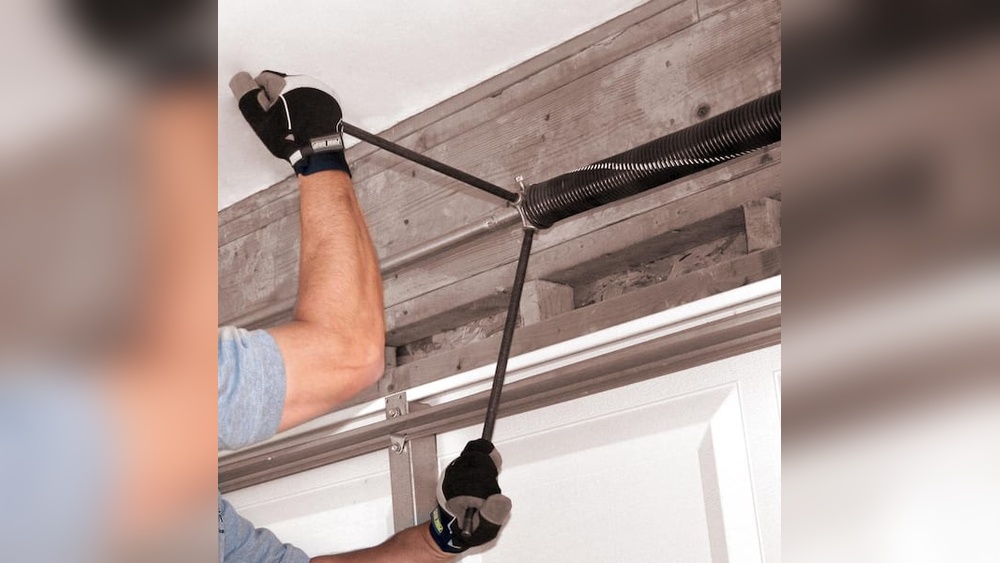
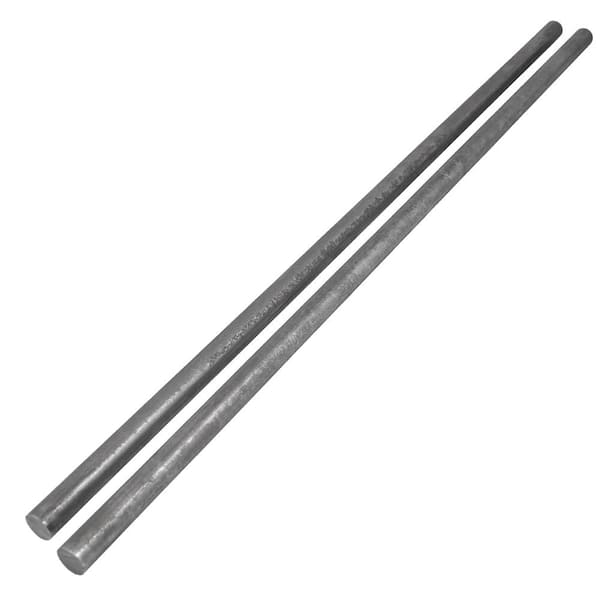
Winding bars are solid steel rods used to wind or unwind torsion springs on garage doors. These springs store energy that helps lift heavy garage doors with minimal effort. To adjust the tension, you insert winding bars into holes on the spring’s winding cone.
Key facts about winding bars:
- Made of hardened steel for strength
- Usually come in pairs
- Standard diameters are 1/2 inch or 7/16 inch
- Typical length is 18–24 inches
Without winding bars, adjusting torsion springs is extremely dangerous. Never use screwdrivers or other tools as substitutes.
Why Are Winding Bars So Important?
Torsion springs are under high tension. If they snap or unwind suddenly, they can cause serious injury or damage. Winding bars give you a safe grip and control over the spring’s force.
Here’s why using the right winding bars matters:
- Safety: They fit perfectly into the winding cone holes, reducing the risk of slipping.
- Leverage: Their length gives you the force needed to turn the spring easily.
- Durability: Steel bars won’t bend or break under pressure.
Many DIYers make the mistake of using whatever tool is nearby. This is a common reason for accidents. Always use purpose-made winding bars.
Credit: www.homedepot.com
How Do Torsion Springs Work?
Garage doors are heavy—some weigh over 200 pounds. Torsion springs are mounted above the door and help lift this weight. When the door closes, the springs wind up and store energy. When you open the door, the springs unwind, releasing energy to assist the lift.
Winding bars are used to adjust how much energy (tension) is in the spring. If your door is hard to open or slams shut, the tension may need adjusting.
Example
If your garage door feels too heavy to lift, the torsion springs may not have enough turns. Adding tension with winding bars makes the door feel lighter.
Types Of Garage Door Winding Bars
Not all winding bars are the same. Choosing the right type is key for safety and performance.
| Type | Diameter | Length | Best For |
|---|---|---|---|
| Standard Steel | 1/2 inch | 18–24 inches | Most residential doors |
| Heavy-Duty Steel | 5/8 inch | 24 inches | Commercial doors |
| Non-slip Grip | 1/2 inch | 18–24 inches | Extra safety |
Tip: Measure the holes on your winding cone before buying bars. Most residential springs use 1/2-inch bars, but some older doors use 7/16-inch.
How To Use Garage Door Winding Bars
If you’re a beginner, follow these steps carefully. A small mistake can be dangerous.
1. Gather Tools And Safety Gear
- Two winding bars (correct diameter and length)
- Safety glasses
- Heavy gloves
- Wrench set (for set screws)
- Stepladder
Never try this alone. If you feel unsure, call a professional.
2. Secure The Door
Disconnect the opener and clamp the door in place with locking pliers above a roller. This prevents the door from moving during the process.
3. Insert The First Winding Bar
Find the winding cone at the end of the spring. Insert one bar fully into a hole on the cone. Always keep a strong grip.
4. Loosen The Set Screws
Use your wrench to slowly loosen the set screws on the winding cone. The bar will now be holding the spring’s tension.
5. Wind Or Unwind The Spring
- Use the second bar in the next hole to turn the cone.
- Move the bars in a “leapfrog” fashion: Always keep one bar in the cone.
- Add or remove tension in quarter-turn increments.
- Do not rush—take your time and count turns.
6. Tighten Set Screws And Test
After adjustment, tighten the set screws. Remove the bars and test the door’s balance. The door should stay in place when half-open.
Safety Tips For Beginners
Working with garage door springs is not a casual DIY project. Here are important safety tips:
- Never use makeshift tools—screwdrivers can slip and cause injuries.
- Wear safety gear—protect your eyes and hands.
- Work with a partner—they can call for help if needed.
- Stay clear of the spring’s path in case it snaps.
- Only adjust when the door is closed—this is when springs have the least energy.
Many beginners overlook the importance of safety. Even professionals get hurt sometimes. If in doubt, hire an expert.
Common Mistakes To Avoid
- Using the wrong size bars.
- Removing both winding bars at once.
- Not counting the number of turns.
- Forgetting to secure the garage door.
- Overtightening set screws (can strip the cone).
Each of these mistakes can lead to injury or damage. Take your time and follow every step.
How Many Turns For Garage Door Springs?
The number of turns depends on your garage door’s height. Here’s a simple reference:
| Door Height | Number of Turns |
|---|---|
| 7 feet | 7.5 turns |
| 8 feet | 8.5 turns |
Note: A “turn” means one full rotation of the winding cone. Always check your manufacturer’s instructions for exact numbers.
When To Adjust Garage Door Tension
You may need to adjust your springs if:
- The door is hard to lift
- The door closes too quickly
- The door will not stay open halfway
- The opener struggles or makes noise
These are signs the tension is off. Adjusting with winding bars can solve these problems, but only if you follow safety steps.
Where To Buy Quality Winding Bars
You can find winding bars at:
- Hardware stores
- Online retailers (search for “garage door winding bars”)
- Garage door specialty shops
Expect to pay $15–$30 for a standard pair. Avoid buying used or damaged bars—safety is worth the cost.
What To Look For When Buying
- Correct diameter (usually 1/2 inch)
- Length of at least 18 inches
- Solid, not hollow
- Smooth edges (to avoid scratching the cone)
- Non-slip grip (optional, but safer)
Choosing the right bars is a simple but important step. Some brands offer color-coded handles for extra safety.
Professional Vs Diy: Which Is Right For You?
Some repairs are safe for handy homeowners. Others are best left to professionals.
DIY is okay if:
- You have the right tools and safety gear
- You understand the risks
- You follow instructions carefully
Hire a pro if:
- You’re unsure about any step
- Your door uses unusual springs or hardware
- The spring is broken or distorted
Professionals have training and insurance. The cost is usually between $100–$250 for a spring adjustment, but it’s money well spent if safety is a concern.
Real-world Example
Maria, a homeowner in Texas, noticed her garage door was getting heavy. She watched several videos but decided to buy a proper set of winding bars before adjusting her springs. With help from a friend, she followed each safety step and finished the job in 30 minutes. Her door now opens smoothly, and she avoided a dangerous shortcut.
Extra Tips For Beginners
- Take photos before you start, so you remember how everything fits.
- Mark the winding cone with chalk to track turns easily.
- If your door makes loud noises, check for worn parts before adjusting springs.
- Store your winding bars in a safe place—never leave them on the ladder or floor.
These small habits can prevent mistakes and make the job easier.

Credit: www.amazon.com
Additional Resources
For more details on garage door safety and tools, check the Wikipedia Garage Door page. This resource covers all types of garage doors and their mechanisms.
Frequently Asked Questions
What Size Winding Bars Do I Need For My Garage Door?
Most residential garage doors use winding bars that are 1/2 inch in diameter and 18–24 inches long. Measure the holes in your winding cone before buying to be sure. Some older doors may require 7/16-inch bars.
Can I Use A Screwdriver Instead Of Winding Bars?
No, you should never use a screwdriver or any tool except proper winding bars. Screwdrivers can slip out of the winding cone, causing injury or damage. Always use hardened steel winding bars.
How Do I Know If My Garage Door Springs Need More Tension?
If your door is hard to lift, slams down quickly, or will not stay halfway open, the springs may need more tension. Always check balance by opening the door halfway. If it moves, adjust as needed with winding bars.
Are Winding Bars Universal?
Winding bars are not universal. There are different diameters (usually 1/2 inch or 7/16 inch) to fit different winding cones. Always check your spring’s winding cone hole size before buying bars.
Is It Safe To Adjust Garage Door Springs Myself?
Adjusting torsion springs is dangerous if you lack the right tools or experience. If you’re unsure, it’s best to hire a professional. If you do it yourself, follow all safety steps closely and never work alone.
Garage door winding bars are simple tools, but their role is critical for safe and effective torsion spring maintenance. By using the right bars, following safety guidelines, and knowing when to call a professional, you can keep your garage door running smoothly for years.

Credit: www.amazon.com