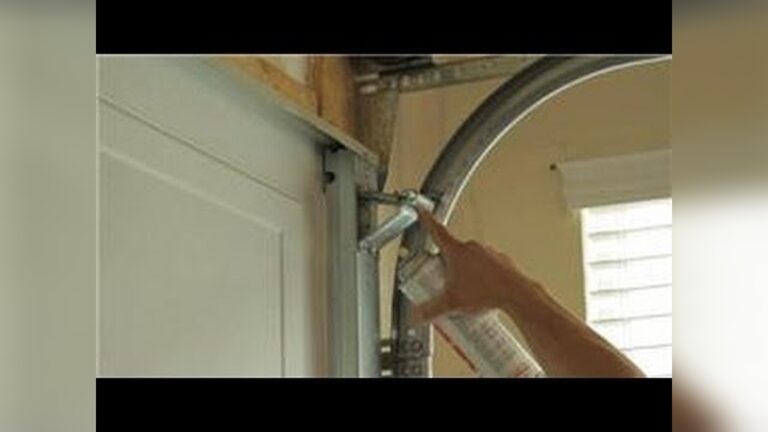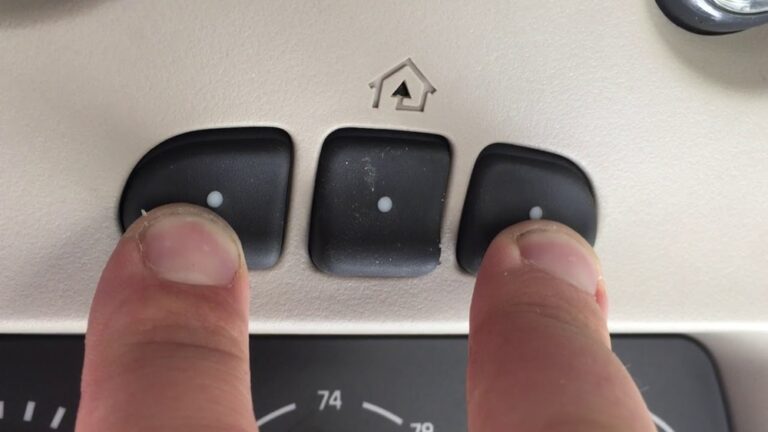

Locking your garage door manually is a skill that can save you trouble during power outages, hardware failures, or when you want extra security. Many people rely on electric openers and forget that garage doors can be secured without electricity.
Whether you have a modern or older door, learning to lock it by hand gives you peace of mind. In this guide, you’ll discover why manual locking matters, how to do it safely, and practical tips for different door types.
Why Manual Garage Door Locking Matters
A garage door is often the biggest entry point to your home. If it’s not locked, it can be an easy target for thieves. Electric openers add convenience, but they can fail due to:
- Power outages
- Malfunctions
- Remote hacking
Manual locking keeps your garage safe even when the automatic system fails. It’s also useful when you’re away for a long time and want extra protection.
Non-obvious insight: Many break-ins happen because people assume the electric opener is enough. Manual locks add a second line of defense.
Understanding Your Garage Door System
Before locking your garage manually, know what type you have. Most US homes use either a sectional roll-up door or a one-piece tilt-up door. Each type has its own locking method.
| Door Type | Common Manual Lock | Typical Security Level |
|---|---|---|
| Sectional Roll-Up | Slide Bolt, T-Handle | High |
| Tilt-Up (One Piece) | Padlock, Interior Bar Lock | Medium |
| Carriage House | Hasp & Padlock, Bar Lock | Varies |
Tip: Check your door from the inside to see what type of lock is installed. If you only find an electric opener, you may need to add a manual lock.
Tools And Supplies You May Need
Locking a garage door manually is simple with the right tools. Here’s what to have ready:
- Padlock (if your door has a hasp)
- Slide bolt or bar lock (common on many doors)
- Screwdriver (if you need to install or adjust locks)
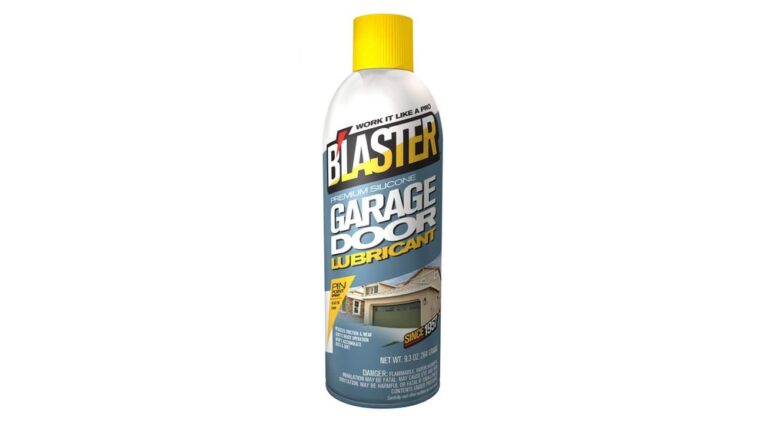
- WD-40 or other lubricant (for stuck mechanisms)
- Flashlight (for night or power outage)
You may not need all these, but it’s good to check before you start.
How To Lock A Garage Door Manually: Step-by-step
Locking your garage door by hand is not complicated, but you must follow steps carefully for safety.
1. Disconnect The Electric Opener (if Present)
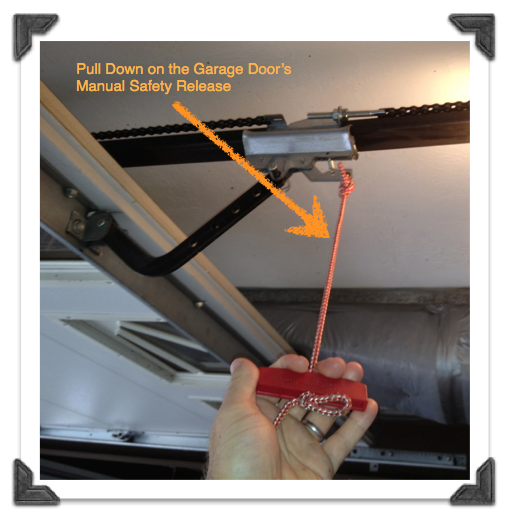
If you have an automatic opener, start by pulling the emergency release cord. This is usually a red handle hanging from the center track. It disconnects the door from the opener, so you can move it by hand.
- Do this when the door is fully closed to avoid injury.
- Test the door by lifting gently. It should move freely.
Practical example: During a storm, the power goes out. You pull the red cord, and your door can be locked with the manual bar.
2. Check For An Existing Manual Lock
Most garage doors have one or more manual locks. Common types:
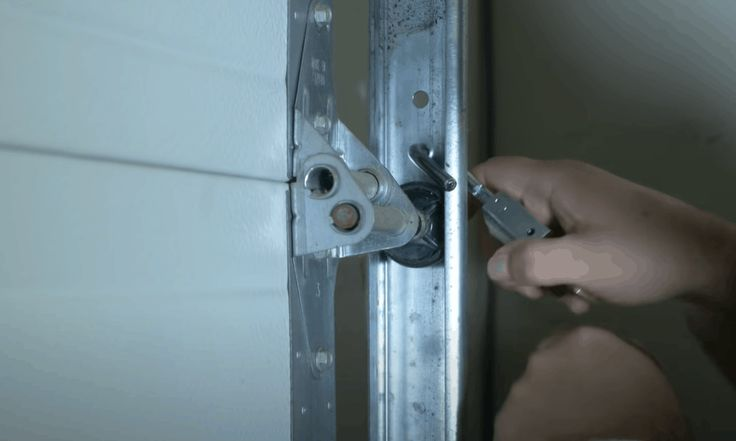
- Slide bolt: A metal bar that slides into a hole in the track.
- T-handle: A handle on the outside that operates a lock inside.
- Hasp: A metal loop for securing with a padlock.
If you find one, make sure it’s working. Lubricate if stiff.
3. Secure The Lock
Depending on your lock type, here’s how to secure it:
- Slide bolt: Push the bar into the hole on the side track. Some have holes for a padlock.
- T-handle: Turn the handle to lock. Remove the key.
- Hasp: Close the hasp over the staple and secure with a padlock.
Data point: A properly locked manual slide bolt can resist up to 400 pounds of force—much higher than many electric locks.
4. Add A Padlock For Extra Security
If your door lock allows, add a padlock. This makes it harder for someone to force the door open from the outside.
- Choose a strong, weatherproof padlock.
- Lock from the inside for best security.
Non-obvious insight: Many burglars try to fish the emergency release with a coat hanger. A manual lock and padlock stop this method.
5. Test The Lock
Pull gently on the door to check if the lock holds. If you can move the door, adjust or repair the lock.
- Repeat the process each time you leave your home for long periods.
- Always double-check before relying on it.

Credit: bdkdoor.com
Locking Different Types Of Garage Doors
Not all garage doors are the same. Here’s how to lock the most common types in the US.
Sectional Roll-up Doors
These have panels that roll up on tracks. Most have slide bolts or T-handles.
- Slide bolt: Inside, push the bolt into the side rail.
- T-handle: Turn key, remove it.
- Add a padlock if possible.
One-piece Tilt-up Doors
These swing out as one piece. Manual locks are usually bar locks or hasps.
- Slide the bar into the slot or place a padlock on the hasp.
- Some have a hole in the handle—use a padlock for extra strength.
Carriage-style Or Swing-out Doors
These open like old barn doors.
- Use a hasp and padlock or install a bar lock inside.
- Lock both doors if possible.
Tip: Don’t forget to secure side doors or windows.
How To Add A Manual Lock To Your Garage Door
If your garage door doesn’t have a manual lock, adding one is a smart upgrade. Here’s a simple guide.
Choose The Right Lock
Pick a lock that matches your door type. Most home improvement stores sell slide bolts and hasps for $10–$30.
Install The Lock
- Position the lock at the bottom or side of the door.
- Mark and drill pilot holes.
- Attach with screws.
- Test the lock several times.
Safety note: Always follow the manufacturer’s instructions.
Add A Padlock
For best results, use a hardened steel padlock. They resist cutting and weather.
Example: A basic slide bolt with padlock can stop most burglars who try to force the door.
Comparing Manual And Automatic Garage Door Locks
It’s useful to see how manual locking compares to automatic systems.
| Feature | Manual Lock | Automatic Lock |
|---|---|---|
| Works During Power Outage | Yes | No |
| Easy to Bypass from Outside | No (if padlocked) | Sometimes |
| Cost to Add | Low ($10–$50) | High ($150+) |
| Maintenance Needed | Minimal | Moderate |
Insight: Manual locks are the only option that always works, no matter the situation.
Common Mistakes To Avoid
Beginners often make simple errors when locking garage doors manually. Here are some to watch out for:
- Forgetting to disconnect the opener before locking manually. This can damage the opener if you try to use it while locked.
- Relying only on the electric lock. Always add a manual lock for backup.
- Using a weak padlock. Cheap locks can be cut easily.
- Not testing the lock after installation.
- Ignoring side doors or windows in the garage.
Tip: Check your locks every six months for rust or wear.
Practical Security Upgrades
Manual locking is a big step, but you can boost security further:
- Install a garage door defender (a floor-mounted lock).
- Add motion-activated lights outside your garage.
- Reinforce garage windows with bars or security film.
- Upgrade to smart cameras for alerts and monitoring.
Data: Homes with visible security features are 60% less likely to be targeted by burglars (source: FBI Uniform Crime Reporting).
Emergency Situations: Locking When Power Fails
During storms or blackouts, your electric opener won’t work. Here’s what to do:
- Pull the emergency release cord with the door closed.
- Lock the manual bolt or hasp immediately.
- If you must leave, lock from the outside with a padlock.
Example: During a hurricane warning, you can quickly secure the garage even if power is out.
Credit: www.allaboutdoors.net
When To Call A Professional
While most manual locks are easy to use, call a pro if:
- Your lock is damaged or missing parts.
- The door feels heavy or won’t move smoothly.
- You want to install high-security bars or defenders.
Fact: Professional installation ensures your door is balanced and locks work reliably.
Maintenance Tips For Manual Locks
Manual locks last years with simple care:
- Lubricate bolts and padlocks twice a year.
- Check for rust, especially in humid climates.
- Tighten screws if the lock feels loose.
- Replace old padlocks when keys stick or jam.
Non-obvious tip: Keep a spare key outside the garage in a secure spot in case you’re locked out.
Credit: www.garagedoorspokane.com
Frequently Asked Questions
How Do I Lock My Garage Door From The Inside Without Power?
Pull the emergency release cord to disconnect the opener. Push the slide bolt or bar lock into place, and add a padlock if there’s a hasp. Test the door to make sure it’s secure.
Can I Add A Manual Lock To Any Garage Door?
Yes, most garage doors allow adding a slide bolt or hasp. Choose a lock that matches your door style. If you’re unsure, ask at a hardware store or consult a professional.
Is A Manual Lock Safer Than An Automatic Lock?
A manual lock can be safer, especially during power outages or if someone tries to hack your opener. For best security, use both manual and automatic locks together.
What Type Of Padlock Is Best For Garage Doors?
Choose a hardened steel padlock with a shrouded shackle. These are tough to cut and resist rust. Brands like Master Lock and ABUS are well-rated.
Where Can I Learn More About Garage Door Security?
You can find detailed guides and safety tips on the Family Handyman website, which covers many garage door topics for homeowners.
Securing your garage door manually is simple and highly effective. With the right lock and regular checks, you’ll protect your home even when technology fails. Don’t wait for a break-in or blackout—add manual locking to your routine today.