
Garage Heater Sizing: A Complete Beginner’s Guide
When cold weather hits, a garage can quickly become an uncomfortable space. Whether you use your garage as a workshop, home gym, or just to protect your car, keeping it warm is important. Choosing the right garage heater size is the key to comfort and energy savings. The wrong size can leave you shivering—or wasting money. This guide explains everything you need to know, even if you’re new to heating or home improvement.
Why Proper Heater Sizing Matters
Selecting the right heater size is not just about comfort. The size affects energy costs, safety, and the lifespan of your heater.
- Too small: The heater will run constantly but never reach the desired temperature.
- Too large: You’ll waste energy and might even overheat the space, creating safety risks.
A correctly sized heater ensures:
- Consistent warmth
- Lower energy bills
- Longer equipment life
Many beginners think bigger is always better, but that’s rarely true. The right size depends on several factors beyond just square footage.
Key Factors That Impact Garage Heater Sizing
Before choosing a heater, you need to understand the main factors that affect sizing. These elements work together to determine how much heat your garage will need.
1. Garage Size (square Footage And Volume)
The most basic factor is the size of your garage.
- Measure the length and width of your garage in feet.
- Multiply them to get square footage. For example, a 20 ft x 20 ft garage = 400 sq. Ft.
- For more accuracy, also measure the ceiling height. Multiply length x width x height to get cubic feet. This matters for garages with high ceilings.
2. Insulation Quality
Insulation plays a huge role in how much heat you need.
- Well-insulated: Keeps heat inside longer, so you need less energy.
- Poorly insulated: Heat escapes quickly, so you need a bigger heater.
Check if your garage has:
- Insulated walls and ceiling
- Weatherstripped doors and windows
- Double-pane windows
A drafty, uninsulated garage may need up to 2x more heating power than a well-insulated one.
3. Climate And Outdoor Temperatures
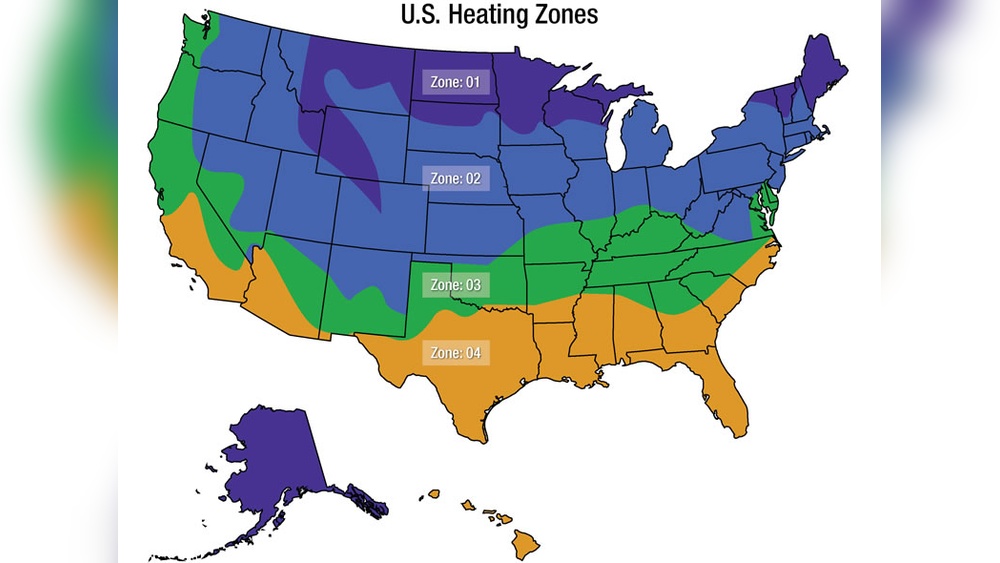
The colder your climate, the more heat you need.
- In cold places (like Minnesota), you’ll need a much larger heater than in a mild place (like Texas).
- The temperature difference between outside and your target indoor temperature is called the “temperature rise.”
For example:
- If it’s 20°F outside and you want 60°F inside, your temperature rise is 40°F.
4. Garage Usage
How you use your garage affects heating needs.
- If you just park your car, you might need less heat.
- If you use it as a workshop or gym, you’ll want it warmer.
5. Windows And Doors
Garages with many windows or doors lose heat faster.
- Large garage doors, glass windows, and openers all let heat escape.
- Factor these into your calculation for accurate heater sizing.
How To Calculate The Right Garage Heater Size
The heater’s size is measured in BTUs (British Thermal Units) per hour. Here’s a simple step-by-step method to estimate your needs.
Step 1: Measure Your Garage
- Length x Width x Height = Cubic feet
- Example: 20 ft x 20 ft x 8 ft = 3,200 cubic feet
Step 2: Find Your Desired Temperature Rise
- Subtract average winter temperature from your desired indoor temperature.
- Example: 60°F (desired) – 20°F (outside) = 40°F rise
Step 3: Choose An Insulation Factor
- Poor insulation: 1.5
- Average insulation: 1.0
- Good insulation: 0.5
Step 4: Calculate The Needed Btus
Use this formula:
BTUs = Cubic Feet x Temperature Rise x Insulation Factor ÷ 1.6
Example Calculation
- Garage: 20x20x8 = 3,200 cubic feet
- Temp rise: 40°F
- Average insulation: 1.0
BTUs = 3,200 x 40 x 1.0 ÷ 1.6 = 80,000 ÷ 1.6 = **50,000 BTUs**
So, you’d need a 50,000 BTU heater for this garage.
Btu Sizing Quick Reference Table
To make things easier, here’s a table with rough BTU estimates for typical garages. These numbers assume moderate insulation and a 40°F temperature rise.
| Garage Size (sq. ft.) | 1-Car (approx. 12×20) | 2-Car (approx. 20×20) | 3-Car (approx. 30×20) |
|---|---|---|---|
| BTUs Needed | 12,000 – 16,000 | 24,000 – 30,000 | 36,000 – 45,000 |
Note: Increase BTUs by 20-30% for poor insulation or very cold climates.
Heater Types And Their Sizing Differences
Not all heaters are created equal. The type of heater you choose affects how heat is delivered and how much you actually need.
1. Electric Heaters
- Good for small or well-insulated garages
- Usually available up to 10,000 BTUs (3,000 watts)
- Multiple units may be needed for large spaces
2. Gas Or Propane Heaters
- Powerful, can heat larger garages
- Sizes range from 15,000 to over 100,000 BTUs
- Requires ventilation
3. Infrared/radiant Heaters
- Heat objects and people directly
- Less heat loss, so you might need fewer BTUs
- Great for workshops or garages with poor insulation
| Heater Type | Best For | Common BTU Range |
|---|---|---|
| Electric | Small/insulated garages | 5,000 – 10,000 |
| Gas/Propane | Medium/large garages | 15,000 – 100,000+ |
| Infrared | Spot heating, workshops | 10,000 – 60,000 |
Pro tip: Infrared heaters can sometimes use 10-20% less BTUs compared to forced air models due to more efficient heating.
Common Beginner Mistakes To Avoid
Many new buyers make the same errors when choosing a garage heater size. Avoid these to save money and get better results.
- Ignoring insulation: Skipping this step leads to overspending or underheating.
- Guessing heater size: Using only square footage is not enough. Always include ceiling height and insulation.
- Not considering climate: If you live in a cold region, always size up.
- Choosing the cheapest option: Low-cost heaters often lack power or safety features.
- Overlooking ventilation: Gas heaters need proper air flow to avoid hazards.
- Not planning for future use: If you upgrade your garage, you may need a bigger heater.
Credit: www.fondation-enovos.lu
Real-world Example: Sizing A Heater For A 2-car Garage
Let’s walk through sizing for a typical 2-car garage (400 sq. ft., 8 ft ceiling):
- Cubic feet: 400 x 8 = 3,200
- Desired temp: 60°F, average winter temp: 30°F
- Temp rise: 60 – 30 = 30°F
- Average insulation: Factor = 1.0
BTUs = 3,200 x 30 x 1.0 ÷ 1.6 = 60,000 ÷ 1.6 = 37,500 BTUs
A 35,000–40,000 BTU heater is a good choice. If you have poor insulation or more windows, go up to 45,000 BTUs.
How To Check If Your Heater Is Properly Sized
Once your heater is installed, check if it’s performing well:
- The garage reaches your set temperature within 30–60 minutes
- The heater cycles on and off (not running constantly)
- There are no cold spots far from the heater
If your heater runs nonstop and the garage never warms up, it’s likely too small. If the heater barely runs and the garage gets too hot, it’s oversized.

Credit: outdoorboiler.com
Practical Tips For Efficient Garage Heating
Getting the right size is only part of the solution. Here are ways to improve heating and save money.
- Seal drafts: Use weatherstripping and seal gaps around doors/windows.
- Add insulation: Walls, ceiling, and even the garage door.
- Use a programmable thermostat: Set lower temps when not in use.
- Zone heating: Use portable heaters only where you work.
- Close doors quickly: Keep heat from escaping.
These steps often let you use a smaller heater, saving on energy bills.
Safety Considerations
Garage heaters can be powerful. Always follow safety best practices:
- Vent gas heaters to the outside to prevent carbon monoxide buildup.
- Keep flammable items away from the heater.
- Install a carbon monoxide detector if using gas or propane.
- Don’t overload electrical circuits with too many heaters.
- Maintain the heater yearly to ensure safe operation.
Credit: www.danleys.com
When To Consult A Professional
If your garage is very large, has special needs (like a car lift or paint booth), or you’re unsure about electrical or gas connections, call a licensed HVAC technician. They can:
- Perform a detailed heat loss calculation
- Advise on safe installation and venting
- Recommend energy-efficient options
Where To Find More Information
For more technical information on heating, you can visit the U.S. Department of Energy website. They provide trustworthy advice on garage heating and efficiency.
Frequently Asked Questions
What Is The Best Size Heater For A 2-car Garage?
For a typical 2-car garage (400 sq. ft.) with average insulation in a cold climate, a 35,000 to 45,000 BTU heater is usually ideal. Adjust up or down if your garage is larger, has poor insulation, or you live in a very cold area.
Can I Use An Electric Heater In My Garage?
Yes, electric heaters work well in small or insulated garages. Larger garages may need multiple units or a higher-powered gas heater to reach the desired temperature.
How Do I Know If My Garage Is Well Insulated?
Check for:
- Insulated walls and ceilings (look for fiberglass or foam panels)
- Weatherstripping on doors and windows
- Minimal drafts or cold spots
If you feel cold air near doors or windows, or if the garage cools quickly, insulation may be lacking.
Is It Safe To Use A Propane Heater In My Garage?
Propane heaters can be safe if they are vented properly and used according to the manufacturer’s instructions. Always ensure good ventilation and install a carbon monoxide detector.
Do I Need A Thermostat For My Garage Heater?
A thermostat is highly recommended. It helps maintain a consistent temperature, saves energy, and prevents overheating. Many modern garage heaters come with built-in or optional thermostats.
Choosing the right garage heater size makes a huge difference in comfort, safety, and cost. With the steps above and attention to details like insulation and climate, you can enjoy a warm and efficient garage all winter long.