
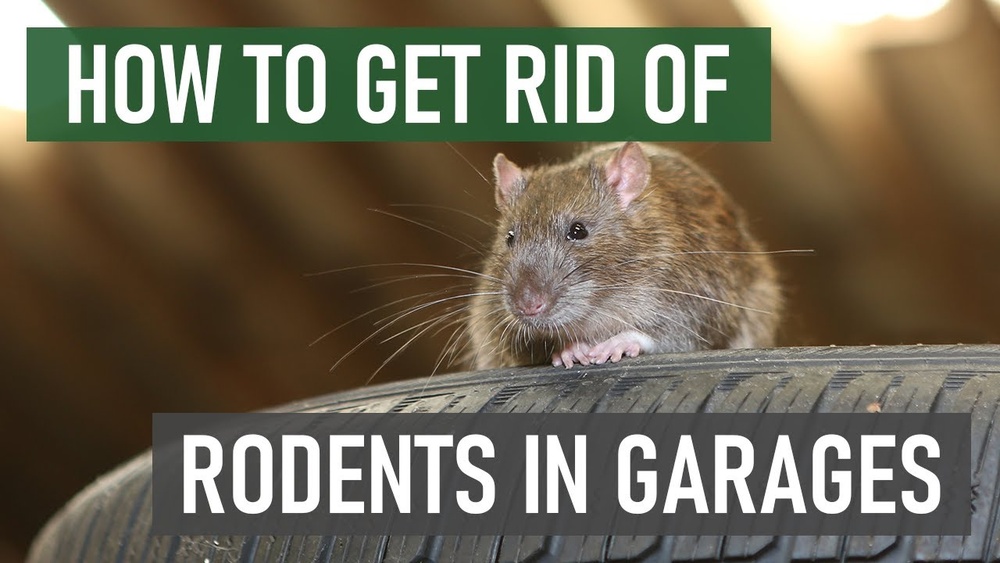
Getting rid of rats in your garage can feel overwhelming, especially if you have never dealt with these pests before. Many people discover rats only after they have damaged boxes, chewed through wires, or left droppings. Rats are not just a nuisance—they can spread diseases, start electrical fires, and ruin stored items. The good news is that with the right methods, you can remove rats and keep them out for good. This guide will show you how to tackle the problem step by step, focusing on simple and practical solutions anyone can use.
Why Do Rats Invade Garages?
Rats choose garages for a few simple reasons:
- Shelter: Garages are quiet, dark, and often undisturbed.
- Food: Pet food, bird seed, or garbage bins are easy meals.
- Warmth: Garages stay warmer in winter than outdoors.
You might not see rats, but you will notice signs:
- Small, dark droppings
- Chewed bags, wires, or corners
- Scratching or scurrying sounds at night
Knowing why rats are there helps you stop them more effectively.
First Steps: Confirm A Rat Problem
Before trying to get rid of rats, make sure you really have them. Here’s how to confirm:
- Look for droppings: Rat droppings are about the size of a grain of rice.
- Check for gnaw marks: Wires, wood, and plastic may have fresh bite marks.
- Listen at night: Rats are active after dark. Quietly listen for movement.
- Find nests: Rats build nests from soft materials like paper or fabric.
If you find these signs, you likely have rats—not mice. Mice droppings are smaller, and their nests are less messy.
Main Dangers Of Rats In The Garage
Rats are not just annoying. They can cause real harm, such as:
- Disease: Rats can carry salmonella, hantavirus, and other illnesses.
- Fire risk: Chewed wires can lead to short circuits.
- Property damage: Stored items, insulation, and even cars can be harmed.
For example, the US Fire Administration reports that rodents cause 20–25% of all fires with unknown origins. This risk makes fast action important.
Removing Food And Water Sources
The first step to get rid of rats is to remove what attracts them. Here are key actions:
- Seal all food: Store pet food, bird seed, and snacks in metal or thick plastic containers.
- Fix leaks: Remove any standing water, like from leaking pipes or buckets.
- Clean up spills: Sweep and mop the garage floor if food or liquids drop.
- Take out garbage: Don’t let trash pile up, especially overnight.
Rats need food and water to survive. If you remove these, they will look for another place to live.
:max_bytes(150000):strip_icc()/How-to-get-rid-of-mice-in-garage-1398169-V2-1a669d83e11c4be28bc8dd7e338b6af7.gif)
Credit: www.thespruce.com
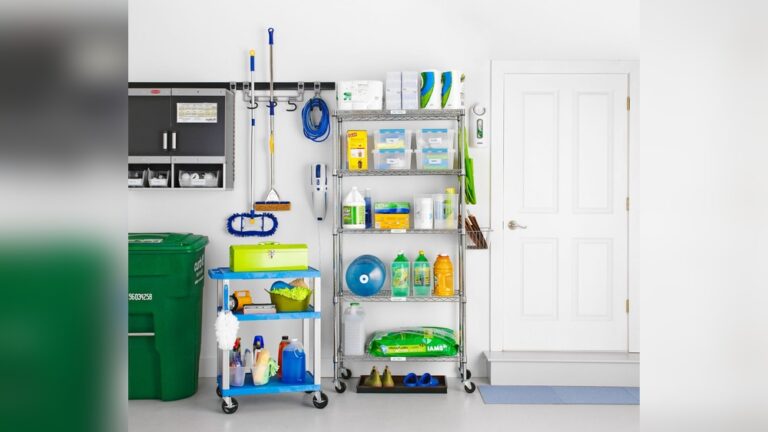
Declutter And Organize
Rats love clutter. Old boxes, newspapers, and unused items make perfect hiding places. Decluttering makes your garage less attractive.
Tips for decluttering:
- Throw away or recycle unused boxes and papers.
- Store items off the ground on shelves or in sealed bins.
- Leave space between stored items and walls.
Here is a quick comparison of cluttered vs. organized garages:
| Cluttered Garage | Organized Garage |
|---|---|
| Many hiding places | Few hiding spots |
| Hard to spot nests | Easier inspection |
| More food scraps | Clean surfaces |
An organized space makes both finding and removing rats easier.
Seal Entry Points
Rats can squeeze through holes as small as a quarter. Sealing these entrances is vital.
How To Find And Seal Holes
- Inspect walls and doors: Look for cracks, gaps, or chewed holes.
- Check around pipes and vents: These often have unsealed gaps.
- Look at the garage door: Gaps under or beside doors are common.
Seal holes with:
- Steel wool and caulk: Rats cannot chew through steel wool.
- Expanding foam: Good for small cracks but not strong against chewing.
- Metal flashing: Best for larger holes.
Here is a table showing common entry points and the best materials to use:
| Entry Point | Best Sealant |
|---|---|
| Wall cracks | Steel wool + caulk |
| Gaps around pipes | Metal mesh + caulk |
| Garage door sides | Weather stripping |
Check your garage every few months. New holes can appear as seasons change.
Setting Traps: The Right Way
Trapping is one of the fastest ways to remove rats. There are different types of traps. Here’s what works best:
Snap Traps
- Quick and effective
- Place traps along walls, where rats travel
- Bait with peanut butter, bacon, or dried fruit
Electric Traps
- Kills rats instantly
- Easy to use and clean
- More expensive, but reusable
Glue Traps
- Less recommended. They can cause suffering and are not always effective.
Tips For Trap Success
- Use gloves when handling traps (rats can smell humans).
- Place several traps, not just one.
- Check traps daily and remove dead rats quickly.
A common mistake is placing traps in the open. Rats prefer to move along walls, so always set traps close to edges.
Using Baits And Poison: What Beginners Should Know
Rat poison can be effective, but it has risks:
- Pets and children: Poison can harm them if touched or eaten.
- Dead rats in walls: Rats may die in hidden areas, causing smells.
If you choose to use poison:
- Place bait in tamper-resistant boxes.
- Never scatter poison directly on the floor.
- Follow all safety instructions on the label.
In many cases, traps are a safer choice for garages, especially if you have pets.
Natural And Electronic Repellents
Some people prefer not to use chemicals. Here are other methods:
Natural Repellents
- Peppermint oil: Soak cotton balls and place them near entry points.
- Ammonia: A small open container can drive rats away (keep away from kids).
Electronic Devices
- Ultrasonic repellents: These devices make high-frequency sounds that rats dislike.
- Not always effective on their own, but they can help with other methods.
When To Call A Professional
If you have tried traps, sealing, and cleaning but still see rats, it may be time to call a pest control expert. They have access to stronger tools and can find hidden nests. Also, if you see many rats or signs of a big infestation, professional help is the best option.
How To Keep Rats Out For Good
After you remove rats, you need to stop them from coming back. Here’s how:
- Keep food sealed: Always store food in rodent-proof containers.
- Declutter regularly: Make it a habit to clean every few months.
- Inspect and seal: Look for new holes each season.
- Maintain outside area: Trim plants and remove debris near the garage.
Here are two common mistakes people make:
- Forgetting to check behind heavy items or in corners
- Stopping their efforts once rats are gone (prevention must be ongoing)
How Many Rats Are There? Understanding Infestation Size
One or two rats can mean many more are hiding. A single female rat can have up to 84 offspring per year. If you see rats during the day, this is often a sign of a large problem, as rats prefer to stay hidden.
Here’s a helpful look at what you might see versus what might actually be present:
| What You See | Possible Real Number |
|---|---|
| 1 rat | 5–10 rats |
| Fresh droppings | Active nesting |
| Chewed items | Established colony |
If you keep seeing new signs after trapping, you likely have a bigger infestation.
Real-life Example: How One Homeowner Cleared Rats
Sarah, a homeowner in Chicago, found chewed dog food bags and droppings in her garage. She started by:
- Storing all pet food in sealed bins
- Throwing away old boxes and newspapers
- Sealing gaps around the garage door with weather stripping
- Using five snap traps with peanut butter
Within one week, she caught three rats. She kept cleaning and checking for holes, setting new traps every few days. After a month, there were no new signs. Sarah still checks her garage every month and keeps food locked away.
This example shows that action, patience, and regular checks can solve the problem, even for beginners.
Two Insights Most Beginners Miss
- Rats are smart. If a trap catches one rat, others may avoid it. Change the location and type of bait every few days for better results.
- Smells matter. Rats follow scent trails. Cleaning with vinegar or strong disinfectant helps break these trails and discourages return visits.

Credit: www.youtube.com
Frequently Asked Questions
How Do I Know If I Have Rats Or Mice In My Garage?
Rats are larger than mice. Their droppings are about the size of a grain of rice, while mice droppings are much smaller. Rats also make louder noises and chew bigger holes. If you’re unsure, take a photo and compare with online guides or ask a pest control professional.
:max_bytes(150000):strip_icc()/best-ways-to-rid-rats-2656478-ADD-COLOR-V2-2c50b93c69e945abb6487e0c9c27b5b7.png)
Credit: www.thespruce.com
Are Rats Dangerous To My Health?
Yes. Rats can carry diseases like leptospirosis, hantavirus, and salmonella. Their droppings and urine can contaminate surfaces. Always wear gloves when cleaning and wash your hands afterward.
How Quickly Can A Rat Infestation Grow?
Very quickly. A female rat can have up to 7 litters a year, each with 8–12 pups. In just a few months, a small group can become dozens. That’s why fast action is important.
What Is The Best Bait For Rat Traps?
Peanut butter is often the most effective. You can also use bacon, dried fruit, or nuts. Place just a small amount so rats must work to get it—this increases the chance of a successful trap.
Should I Use Poison To Get Rid Of Rats?
Poison can work, but it has risks for pets, children, and the environment. Also, poisoned rats may die in hard-to-reach places, creating odor problems. In most garages, snap traps or electric traps are safer and easier for beginners.
For more information on rodent control, visit the Centers for Disease Control and Prevention.
Getting rid of rats in your garage takes time and effort, but it is possible. Remove what attracts them, clean and seal the space, use traps, and keep checking for new signs. If you stay persistent and follow these steps, you can keep your garage rat-free and safe for the future.