
Garage ventilation is a topic many homeowners overlook, but it’s essential for a safe and comfortable home. Poor air quality, extreme heat, and even dangerous gases can build up in a garage if air cannot move freely. With so many people using their garages for more than just parking—like workshops, gyms, or storage—good ventilation is more important than ever.
If you’re new to this subject, don’t worry. This guide explains garage ventilation in simple terms, using practical data and real examples.
Why Garage Ventilation Matters
A garage can feel like a sealed box. Cars, paint, cleaning chemicals, and lawnmowers release fumes and odors. Without airflow, these can build up to unhealthy levels. According to the Environmental Protection Agency (EPA), carbon monoxide from cars is a serious risk in closed spaces.
Even small amounts can cause headaches or worse health problems.
Proper ventilation helps:
- Remove harmful gases like carbon monoxide and benzene
- Control humidity and reduce mold growth
- Lower temperatures, especially in summer
- Keep stored items in better condition
- Make the space usable for work or hobbies
For example, a study by the California Air Resources Board found garages often have much higher pollutant levels than inside the house, especially if people use gas-powered tools or keep fuel indoors.
Common Types Of Garage Ventilation
Ventilation systems for garages fall into two main categories: natural and mechanical. Your choice depends on your garage size, climate, and how you use the space.
| Type | How It Works | Best For |
|---|---|---|
| Natural Ventilation | Uses windows, vents, and doors to let air flow in and out naturally | Small garages, mild climates |
| Mechanical Ventilation | Uses fans or exhaust systems to actively move air | Larger garages, frequent vehicle use, hot or humid areas |
Natural Ventilation
This is the simplest method. You allow outside air to enter and push out stale air. Common ways include:
- Vents on walls or the garage door
- Opening windows
- Leaving the main garage door open for a while
Natural ventilation is cost-effective and works well if you don’t use the garage for long periods or store strong chemicals.
Mechanical Ventilation
Mechanical systems use electric fans or powered vents. These systems are more reliable because they don’t depend on the wind or outside temperature. Main types:
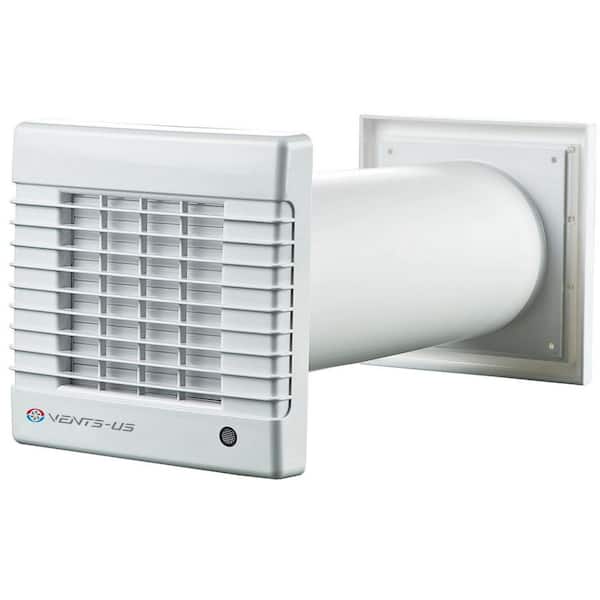
- Exhaust fans: Pull air out of the garage, bringing fresh air in naturally
- Supply fans: Push fresh air in, forcing old air out
- Whole-house ventilators: Can connect to your main HVAC to cover the garage
These are best if you:
- Run cars inside the garage
- Use power tools or paint
- Live in hot or humid areas

Credit: solatube.com
Key Parts Of A Garage Ventilation System
A good ventilation system often combines several parts. Here are the most important:
- Wall vents – Let air in and out; can be placed high and low for best effect
- Ceiling vents – Release hot air that rises
- Exhaust fans – Actively pull air out
- Louvered vents – Help prevent rain and pests from entering
- Ductwork – Directs airflow in larger or attached garages
A simple setup might have two wall vents on opposite sides. A more advanced garage could use an exhaust fan near the ceiling, a supply vent low on the wall, and louvered covers.
Practical Examples: How Ventilation Improves Your Garage
Let’s look at two common scenarios:
Example 1: Summer Heat
- A typical unventilated garage can reach over 100°F (38°C) in summer, even if it’s only 85°F (29°C) outside.
- Adding a roof vent and a small exhaust fan (rated at 200 cubic feet per minute, or CFM) can lower temperatures by up to 15°F (8°C).
- This makes it safer to store paint, electronics, and food.
Example 2: Car Fumes After Parking
- After parking, car engines release fumes for 15–30 minutes.
- Opening a wall vent and running an exhaust fan for 10–15 minutes can reduce carbon monoxide by more than 90%.
These steps are simple, but many homeowners skip them. As a result, they put their health and property at risk.
Choosing The Right Ventilation System
Not all garages are the same. Here’s how to choose the best option for your needs:
1. Garage Size
- One-car garage: Natural ventilation may be enough
- Two-car or larger: Consider mechanical fans
2. Garage Use
- Storage only: Vents might be enough
- Workshop or gym: Exhaust fan is recommended
- Frequent vehicle use: Stronger system needed
3. Local Climate
- Hot, humid areas: Mechanical systems are best
- Cool, dry climates: Natural vents may work
4. Budget
- Low cost: Start with vents and windows
- Higher budget: Add powered fans or connect to your HVAC
Here’s a comparison of common options:
| Ventilation Method | Cost Estimate | Installation Difficulty |
|---|---|---|
| Wall or Roof Vents | $50–$200 | Easy |
| Window Installation | $200–$600 | Medium |
| Exhaust Fan | $100–$500 | Medium |
| Whole-House System | $1,000–$3,000 | Hard (professional) |
How To Install Basic Garage Ventilation
For most beginners, starting with wall vents or a simple exhaust fan is easiest.
Installing Wall Vents:
- Choose two spots on opposite walls (one high, one low)
- Cut holes using a saw
- Fit vents tightly and seal edges to prevent leaks
- Add a mesh to block insects
Installing an Exhaust Fan:
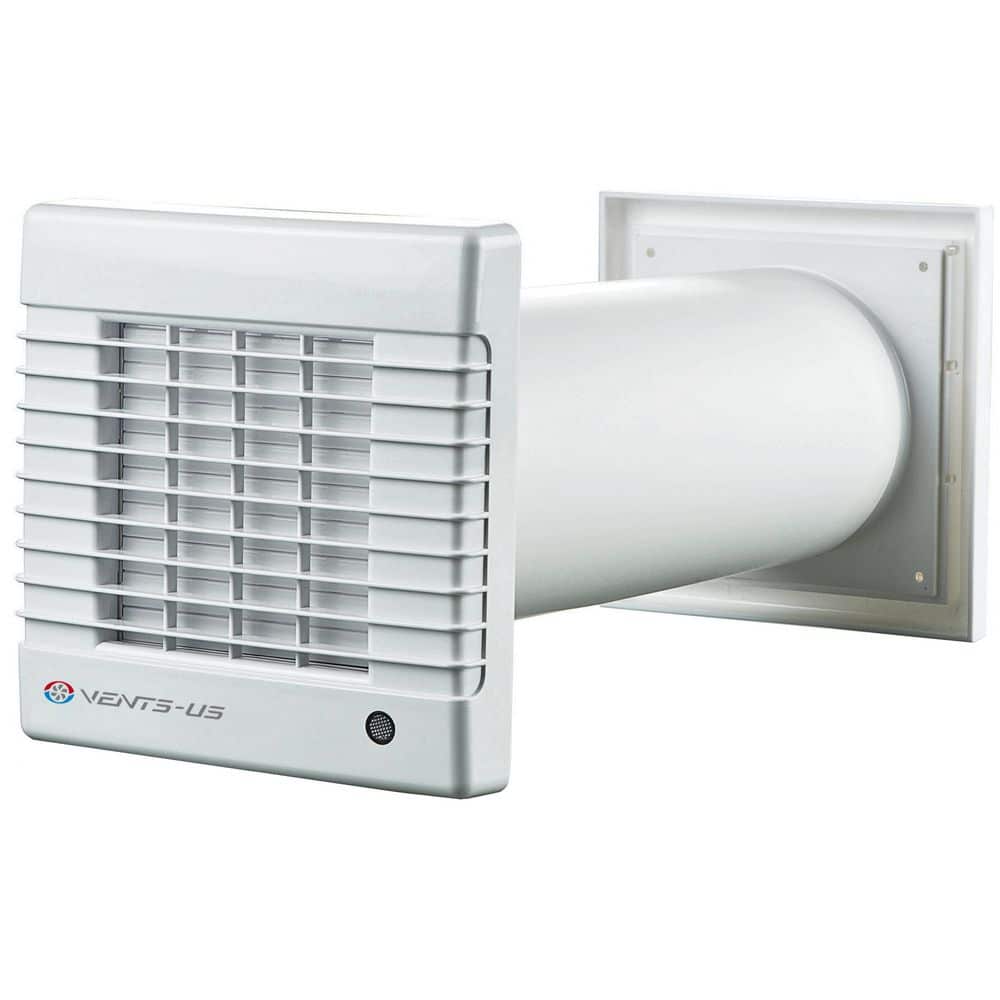
- Buy a fan rated for your garage size (aim for at least 1 CFM per square foot)
- Install near the ceiling on an outside wall
- Wire to a switch or timer for easy use
- Seal around the fan to prevent air leaks
Safety Tip: Always turn off power before installing electrical devices. If you’re unsure, hire a licensed electrician.
Credit: www.homedepot.com
Common Mistakes To Avoid
Many homeowners make simple errors with garage ventilation. Here are a few to watch for:
- Undersizing the fan: A fan that’s too small won’t move enough air. Measure your garage and check the fan’s CFM rating.
- Blocking vents: Don’t cover or stack boxes in front of vents.
- Ignoring humidity: In humid climates, consider a fan with a humidity sensor.
- Poor placement: Place vents high and low to get both hot and cool air moving.
- Not using the system: Even the best setup won’t help if you forget to turn on your fan.
Non-obvious Insights Beginners Miss
- Airflow Path Matters: Ventilation works best when there’s a clear path for air to enter and exit. Two vents on the same wall won’t help much. Place them on opposite sides for cross-ventilation.
- Garage Door Gaps Help and Hurt: Small gaps under or around the door allow some air movement, but they can also let in dust, bugs, and water. Use gaskets to control airflow.
- Automatic Controls: Some exhaust fans can turn on when carbon monoxide or humidity gets too high. These “smart” fans cost more but can save energy and improve safety.
- Attached Garages Need Extra Care: If your garage connects to your house, poor ventilation can let fumes enter living areas. Seal walls and install a strong exhaust system.
The Role Of Insulation
Many people think only about airflow, but insulation helps too. Insulated garage doors and walls keep temperatures stable. This means your ventilation system works more efficiently. For example, an insulated garage loses less heat in winter and stays cooler in summer, so fans don’t have to work as hard.
When To Upgrade Your Garage Ventilation
You might need a better ventilation system if:
- You smell strong odors after using the garage
- Walls or ceiling show mold or damp spots
- The garage feels hotter than outside, even in shade
- You start using the space for exercise, woodworking, or car repairs
If you notice these signs, upgrading is a smart investment for your health and comfort.
Credit: www.homedepot.com
Maintenance Tips For Long-term Performance
To keep your system working well:
- Clean vents and fans every 3–6 months
- Check for leaves, dust, or insects blocking airflow
- Test fans and replace worn-out units quickly
- Look for rust or water damage around vents
A small effort now can prevent big problems later.
Real-world Data: The Impact Of Good Ventilation
Several studies show how much difference proper garage ventilation can make. For example:
- A test by the US Department of Energy found that using an exhaust fan can cut harmful VOCs (volatile organic compounds) by 70–90%.
- Homeowners in hot states like Arizona report garages are 10–20°F cooler with roof vents and a fan.
These numbers show that even small upgrades can bring big benefits.
Frequently Asked Questions
How Many Vents Does My Garage Need?
Most one-car garages need at least two vents—one high and one low, on opposite walls. Larger garages or those with lots of equipment may need more vents or an exhaust fan for best results.
Can I Open The Garage Door For Ventilation?
Opening the garage door helps, but it’s not a long-term solution. It exposes your garage to dust, pests, and weather. Use it for quick airing out, then rely on vents or fans for regular use.
Is Garage Ventilation Required By Building Codes?
In many places, yes. Building codes often require at least passive ventilation. Check your local rules, especially for attached garages, to avoid fines or problems when selling your home. You can read more at the EPA’s Ventilation Guidelines.
Does Ventilation Lower Garage Humidity?
Yes, good ventilation removes humid air and brings in dry air. This prevents mold, rust, and damage to tools or stored items. In very damp climates, consider a dehumidifier along with fans.
What’s The Easiest Diy Ventilation Upgrade?
Installing wall vents is usually the simplest and cheapest. Most people can do this with basic tools in a few hours. For more airflow, add a plug-in exhaust fan.
A well-ventilated garage is safer, more comfortable, and more useful. With the right setup, you’ll protect your health, your property, and even boost your home’s value. Take action today—good ventilation is one upgrade you’ll never regret.