
Insulating a garage can make a big difference in your home’s comfort and energy use. Many people overlook the garage, but it’s often a major source of heat loss or gain. Whether you use your garage as a workshop, gym, or just want to keep your car warmer in winter, insulation is a smart upgrade.
This guide explains, step by step, how to insulate a garage—even if you’re a beginner. You’ll learn about materials, techniques, costs, and common mistakes to avoid.
Why Garage Insulation Matters
A garage is often not built with comfort in mind. Most garages have thin walls, little or no insulation, and gaps around doors. This leads to several issues:
- Temperature swings: Garages can become very hot in summer and freezing in winter.
- Energy loss: If your garage is attached, heat can move between the garage and your house.
- Noise: Insulation also helps reduce outside noise.
- Moisture problems: Insulated garages stay drier, which protects your tools and car.
According to the US Department of Energy, proper insulation can lower heating and cooling costs by up to 15%. For attached garages, this can make your whole home more efficient.
Types Of Garage Insulation Materials
Not all insulation is the same. Here are the most common types used in garages:
| Type | R-Value (per inch) | Pros | Cons |
|---|---|---|---|
| Fiberglass Batts | 2.9–3.8 | Cheap, easy to install, common | Can sag, absorbs moisture |
| Foam Board | 3.6–6.5 | High R-value, resists moisture | Higher cost, needs cutting |
| Spray Foam | 3.5–7.0 | Air seal, fills gaps | Expensive, needs pro install |
| Blown-in Cellulose | 3.2–3.8 | Good for attics, eco-friendly | Messy, harder for walls |
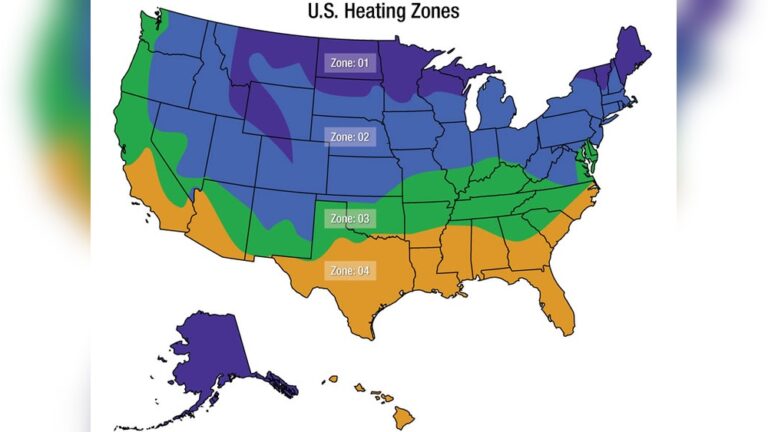
R-value measures insulation’s power to resist heat flow. Higher numbers are better. For garages, aim for R-13 to R-21 in walls, and R-30 to R-49 in ceilings if you live in a colder climate.
Planning Your Insulation Project
Before you buy materials, take time to plan:
- Measure your garage: Note the size of walls, ceiling, and garage door.
- Check for gaps and cracks: Air leaks can reduce the effect of insulation.
- Decide which areas to insulate: Most important are exterior walls, ceilings (if under a room), and the garage door.
- Set your budget: Costs can range from $300 to $1,200 for DIY, depending on garage size and material.
Beginner tip: Start with one wall or the garage door if you’re unsure. You’ll see an immediate difference.
Essential Tools And Materials
You’ll need a few basic tools to insulate your garage:
- Utility knife or insulation saw
- Staple gun and staples (for fiberglass batts)
- Measuring tape
- Straightedge or ruler
- Safety gear: Gloves, mask, goggles
- Caulk or spray foam (for air sealing)
- Insulation supports or wires (for ceiling batts)
- Hammer and nails or screws (if attaching foam board)
For most garages, fiberglass batts are the easiest for beginners. They’re affordable and widely available at home stores.

Credit: www.youtube.com
Step-by-step: How To Insulate Garage Walls
Insulating walls is the biggest part of the job. Here’s how to do it:
- Clear the walls: Remove shelves and sweep out dust. Make sure the wall cavities are open and dry.
- Seal gaps and cracks: Use caulk around windows and doors. Spray foam works for bigger holes.
- Measure and cut insulation: Fiberglass batts come in standard widths (15 or 23 inches). Cut to fit with a utility knife.
- Install insulation:
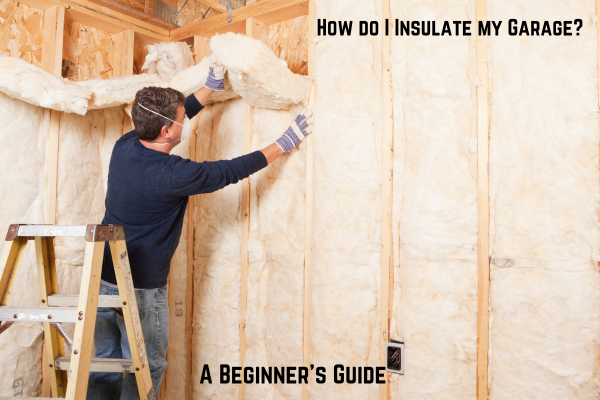
- Place the insulation into each cavity. The paper side (if present) should face the inside.
- Do not compress the insulation; it works best when fluffy.
- Staple the edges of the paper tabs to the wall studs.
- Check for gaps: Fill any missed spots with small pieces of insulation.
- Cover with drywall or paneling: Building codes require insulation to be covered for fire safety.
Pro insight: Always wear gloves and a mask when handling fiberglass. The tiny fibers can irritate your skin and lungs.
Insulating The Garage Ceiling
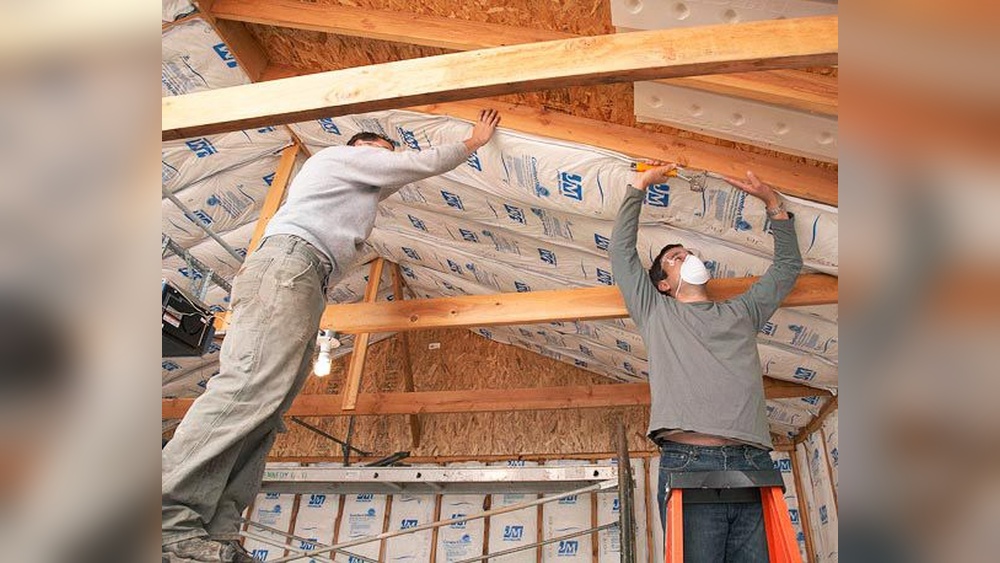
If your garage has a room above it, ceiling insulation is very important. Heat loss through the ceiling can affect comfort in both spaces.
- Use fiberglass batts or blown-in cellulose for attics.
- Place the insulation between the joists. If using batts, use insulation supports to hold them in place.
- For flat ceilings, drywall is needed to cover the insulation.
Common mistake: Do not block attic ventilation. Leave space around soffit vents so air can circulate.

Credit: www.theawesomeorange.com
How To Insulate A Garage Door
Garage doors are thin and often made of metal, which transfers heat easily. Insulating your garage door can keep the space warmer and quieter.
Options For Door Insulation
| Material | R-Value | DIY Difficulty | Cost |
|---|---|---|---|
| Foam Board Kits | R-6–R-8 | Easy | Low |
| Reflective Foil | R-3–R-6 | Very Easy | Low |
| Spray Foam | R-6–R-7 | Medium | Medium |
| Pre-Insulated Doors | R-9–R-17 | N/A (replace door) | High |
Beginner tip: Foam board kits are the simplest. They come pre-cut for standard door panels.
Steps To Insulate A Garage Door
- Clean the door panels.
- Measure each section and cut foam board to fit snugly.
- Press the foam into each panel. Most kits include adhesive or clips.
- Seal edges with foil tape for a tight fit.
If your door is old or damaged, consider upgrading to a pre-insulated model. This can improve R-value and security at the same time.
Air Sealing: The Key To Efficiency
Even the best insulation won’t help if air leaks are not fixed. Focus on:
- Garage door seals: Install weatherstripping around sides and bottom.
- Windows and service doors: Use foam or rubber weatherstripping.
- Electrical outlets: Add foam gaskets behind outlet covers.
A well-sealed garage will keep out drafts, dust, and pests. This step is often overlooked by beginners but is critical for results.
Cost Breakdown And Roi
How much will it cost to insulate a typical two-car garage (about 400 square feet)? Let’s look at a simple breakdown:
| Area | Material | Estimated Cost |
|---|---|---|
| Walls | Fiberglass Batts | $150–$350 |
| Ceiling | Fiberglass Batts | $100–$250 |
| Garage Door | Foam Board Kit | $60–$120 |
| Air Sealing | Weatherstripping, Caulk | $30–$60 |
Total DIY cost: $340–$780 (not including drywall or labor).
ROI (Return on Investment):
- Energy savings can reach $100–$300 per year, especially in extreme climates.
- If your garage is attached, you’ll notice lower home heating and cooling bills.
Practical Tips For Best Results
- Start with air sealing. Even if you only insulate one wall, sealing cracks can give immediate benefits.
- Check local building codes. Some areas require a fire-rated barrier over insulation.
- Don’t block vents. Good airflow is important, especially in attics.
- Label electrical wires and outlets before covering with insulation.
- If using spray foam, test on a small area first. It expands quickly and can be messy.
- Store leftover insulation for repairs or touch-ups later.
Non-obvious insight: Insulating the garage can also keep the space cooler in summer. Many people only think about winter, but insulation works both ways.
Credit: doordoctor.com
Common Mistakes To Avoid
- Not sealing air leaks before installing insulation
- Using the wrong R-value for your climate or garage type
- Compressing fiberglass batts (reduces effectiveness)
- Forgetting to cover insulation (safety hazard)
- Skipping the garage door (major source of heat loss)
- Ignoring moisture issues—insulation can trap water if leaks are not fixed first
Beginner’s lesson: Always inspect for water leaks or mold before starting. Insulating a damp garage can make problems worse.
How Insulation Helps Year-round
Many think of insulation only for winter. But it helps in all seasons:
- Winter: Keeps heat in, blocks cold drafts, protects pipes.
- Summer: Keeps garage cooler, protects stored items from heat damage.
- All year: Reduces noise, improves comfort, adds value to your home.
For more on insulation types, see this Energy Saver Guide.
Frequently Asked Questions
What Is The Best Insulation For A Garage?
The best insulation depends on your needs. For most DIYers, fiberglass batts are easiest and cheapest. If you want higher performance, use foam board for walls and garage doors. Spray foam is great for sealing gaps, but costs more and is harder to install.
Should I Insulate My Detached Garage?
Yes, especially if you use it as a workshop or want to protect items from temperature swings. Detached garages benefit from insulation just like attached ones, but you can focus on walls and ceiling—door and shared walls are less critical.
Do I Need A Vapor Barrier?
A vapor barrier is needed if you live in a humid or cold climate. It prevents moisture from getting trapped in the wall, which can cause mold. Most paper-faced fiberglass batts come with a built-in vapor barrier. For foam board, seal seams with tape.
How Much Money Can I Save By Insulating My Garage?
Savings range from $100–$300 per year for attached garages, depending on climate and garage use. The biggest savings come when you also air seal and insulate the garage door. The project often pays for itself in 2–5 years.
Can I Insulate A Garage Myself Or Hire A Pro?
Most homeowners can do basic garage insulation with simple tools and some planning. If your garage has complex wiring, plumbing, or mold issues, consider hiring a pro. Spray foam and blown-in cellulose are best left to professionals.
Insulating your garage is a project that brings comfort, savings, and value. With the right materials and careful steps, even beginners can make a big impact on their home’s efficiency. Take your time, follow each step, and you’ll enjoy a warmer, quieter, and more useful garage all year long.